

Below you find my September reading (and listening) list: a handful of recent finds that offer valuable context on market trends and the frameworks driving them.
Shoutout to our WhatsApp community in which some of these resources are regularly shared – the power of swarm intelligence!
Subscribe below to not miss these kinds of posts in the future.
Articles & Letters:
LVMH CEO Arnaud Bertrand: “The most important AI story in the world is happening in a place you’ve never heard of“ – This was a fascinating read; below is a little teaser
“By now, it’s amply clear that the big bosses of US frontier AI labs are really, really scared of China. And, fascinatingly, part of the answer why might be a tiny place in Inner Mongolia that you’ve probably never heard of: Ulanqab prefecture. Heard of it? Didn’t think so. Even myself, who’s traveled to Inner Mongolia twice, had never heard of it before researching this story. This is because, at first glance, this place is pretty unremarkable. Check its Wikipedia page (https://en.wikipedia.org/wiki/Ulanqab) and you’ll see the only thing it’s famous for is being the birthplace of He Pingping, who briefly held the Guinness record for world’s shortest man. That’s it, that’s the list! Otherwise, it’s just a sparsely populated - 1.5 million people, minuscule by Chinese standards - stretch of windswept grassland on the Mongolian plateau. Except there is one number that tells you there is more to this place that meets the eye: this tiny prefecture consumes nearly 1% of all of China’s electricity - and that number is growing by double digit numbers every year. And yes, I did write **consume**, not produce.“
Read this to protect your brokerage account: PSA: How Hackers Drained $1M From a 2FA-Enabled Brokerage Account
This strikes me as a major security gap brokerage companies need to close or accept responsibility
“$1.1 million of life savings, gone. On paper, the account was not robbed. It was traded. And trading is the very purpose of brokerage accounts. Withdrawals are where the brokerage puts up walls: holding periods, callbacks, reversal windows, a fraud desk that treats a wire as their problem. A trade has none of that. It executes in seconds and is irreversible. The preferred trade for hackers are thinly traded, illiquid options that expire the same day. The hacker needs to sell the options they already hold, at an inflated price, to the victim’s account. […] new phishing uses fully functional sites that sit live between you and the real login and pass through whatever you type in real time: username, password, 2FA code. The brokerage, believing it has authenticated you, issues a session cookie, which says this person is logged in and verified, to the hacker, and your phone gets no new notifications. […] As for why they refused responsibility, Interactive Brokers was clear: ‘If you used your own username and password to log in to place these trades, then this is the client’s responsibility. We will not accept this compensation request.’“
New Michael Mauboussin paper “To Free or Not to Free (Cash Flow).“
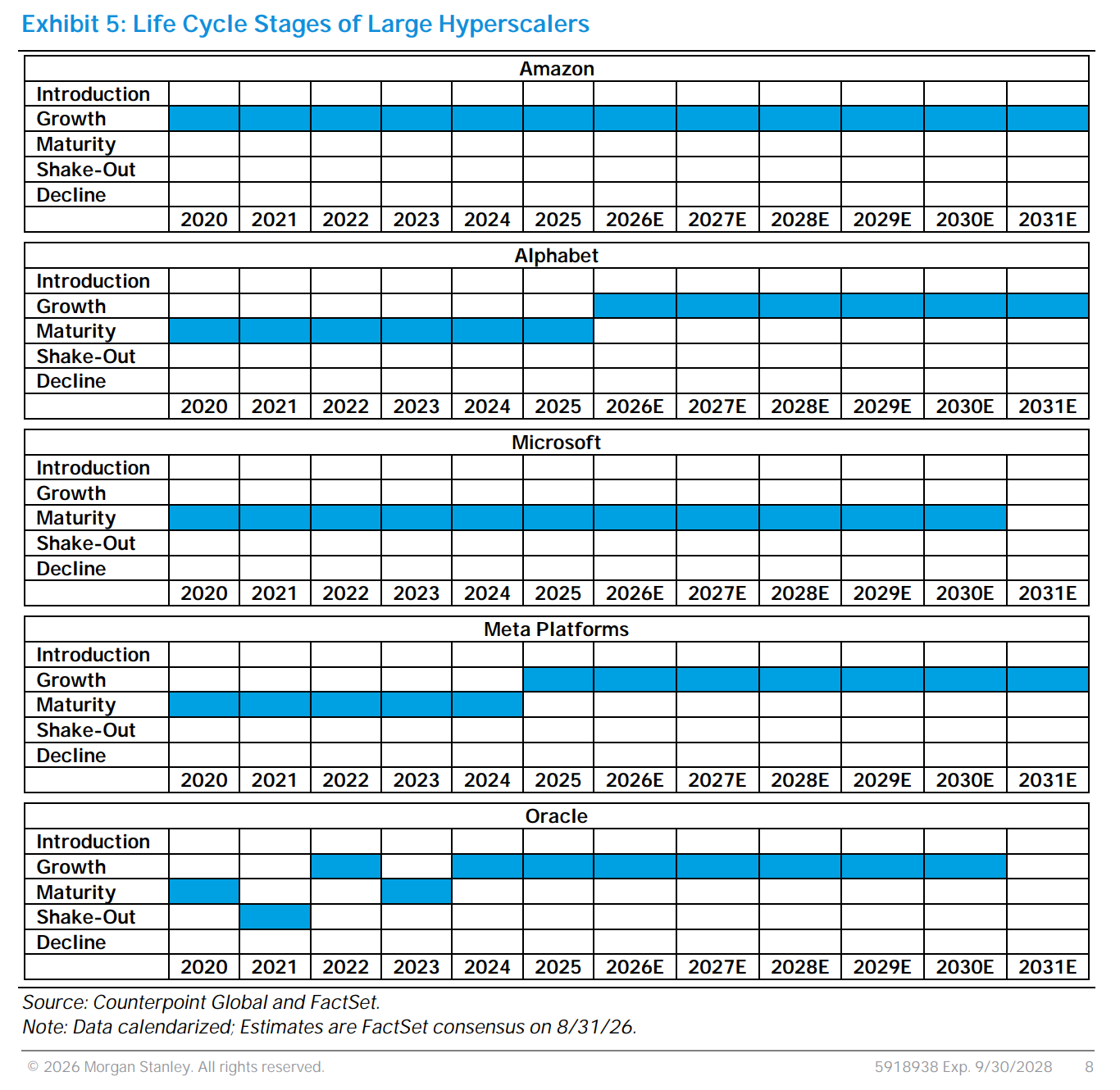
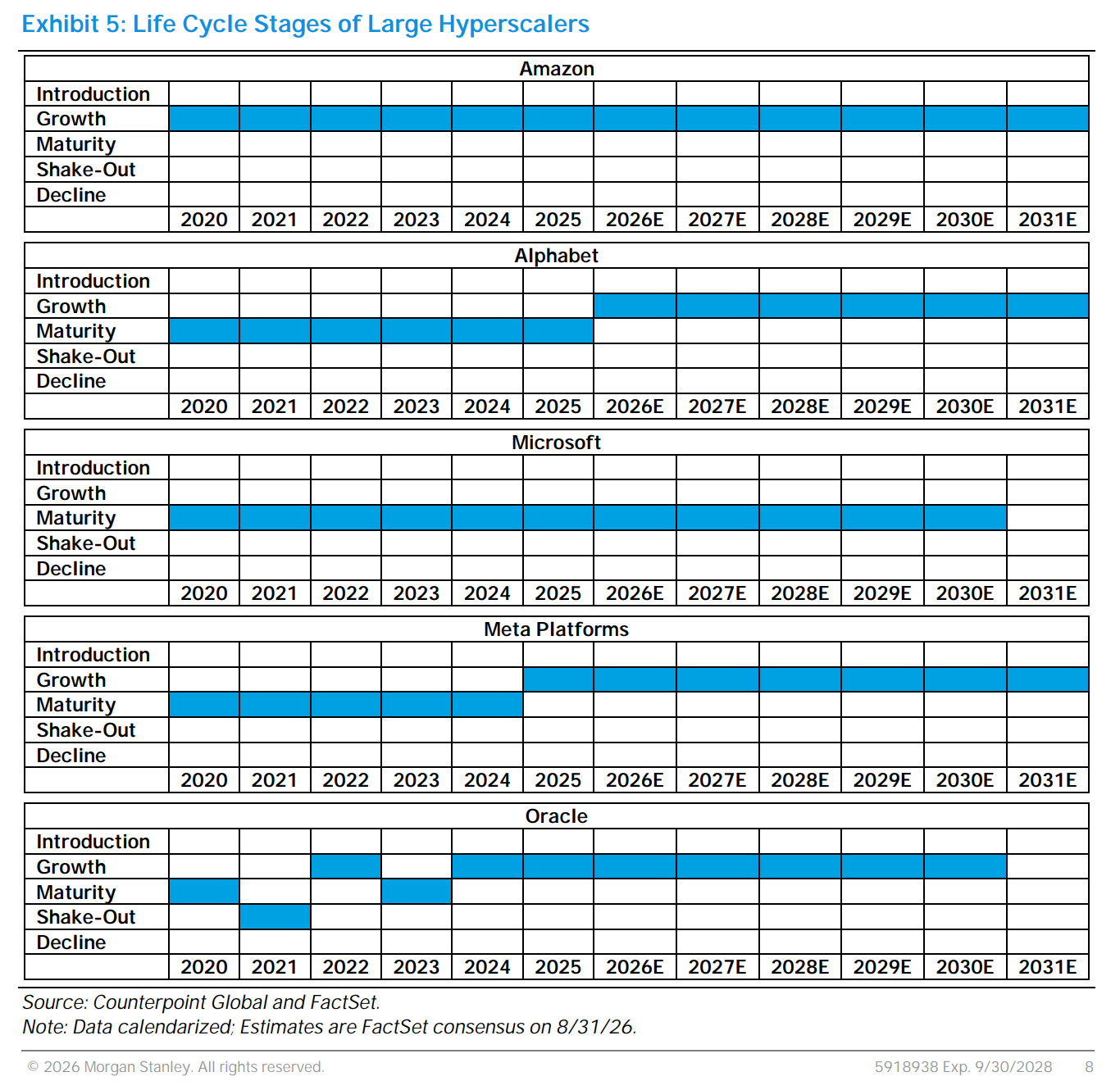
“We recently published a new report called “To Free or Not to Free (Cash Flow).” Free cash flow (FCF) is a topic of interest for the hyperscalers. The main premise is that negative free cash flow is fine as long as the returns on investment are sufficient. In the report, we cover 5 areas: 1. We offer a working definition of FCF and examine where some leading technology companies (5 hyperscalers + 3 others) stand today using results and consensus forecasts; 2. We examine whether the acceleration of investment spending changes each company’s position within the life cycle; 3. We calculate return on incremental invested capital (ROIIC) for each of the companies; 4. We look at the relationship between free cash flow and ROIC; 5. We look at how consensus estimates have changed for sales, earnings before interest and taxes (EBIT), and capital expenditures. These drivers provide a sense of what determines ROIIC.“ - Mauboussin on X
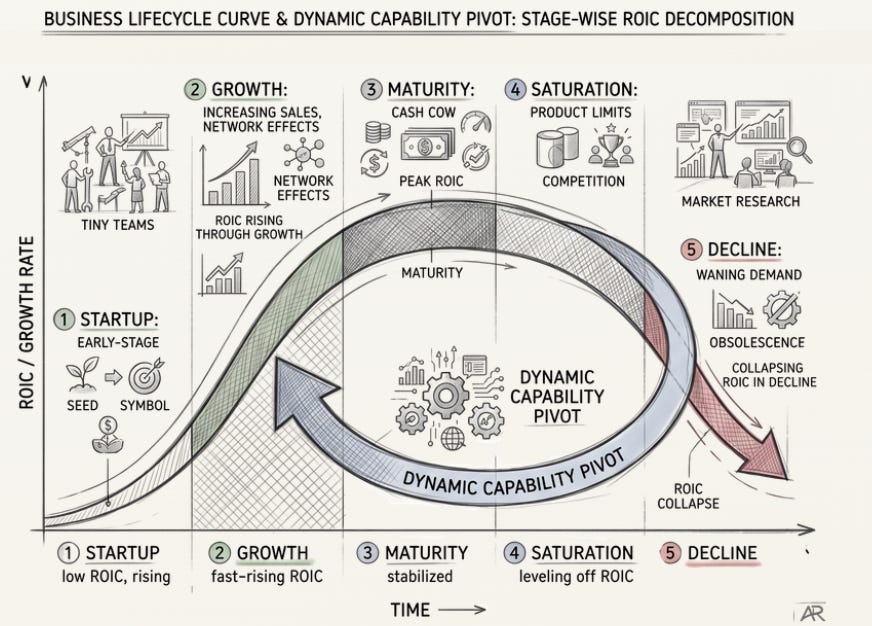
I recently had AI create this visually pleasing illustration, showing that more mature companies sometimes manage to return to growth stages …
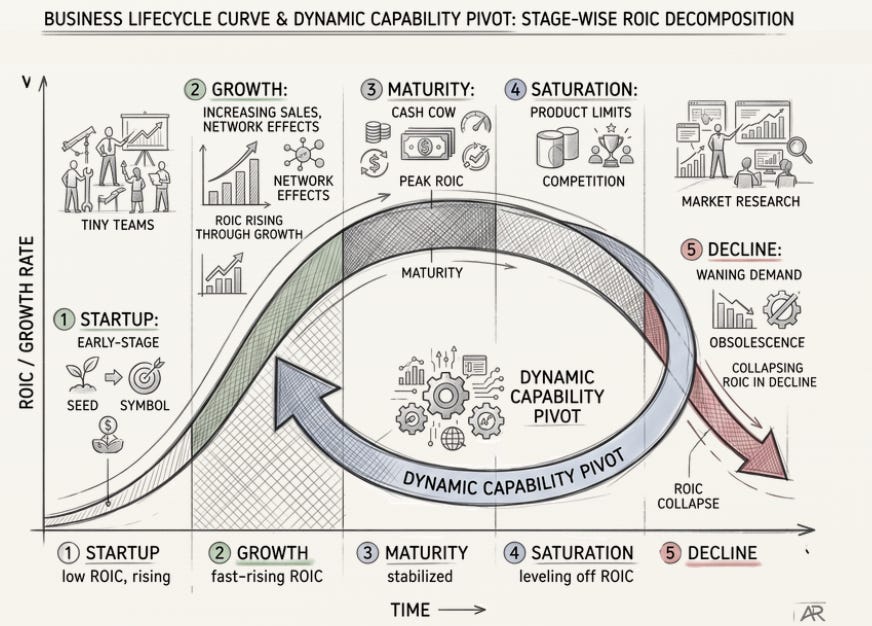
… and I thought it was very interesting how Mauboussin discovered that both Meta and Alphabet are pulling off exactly that.
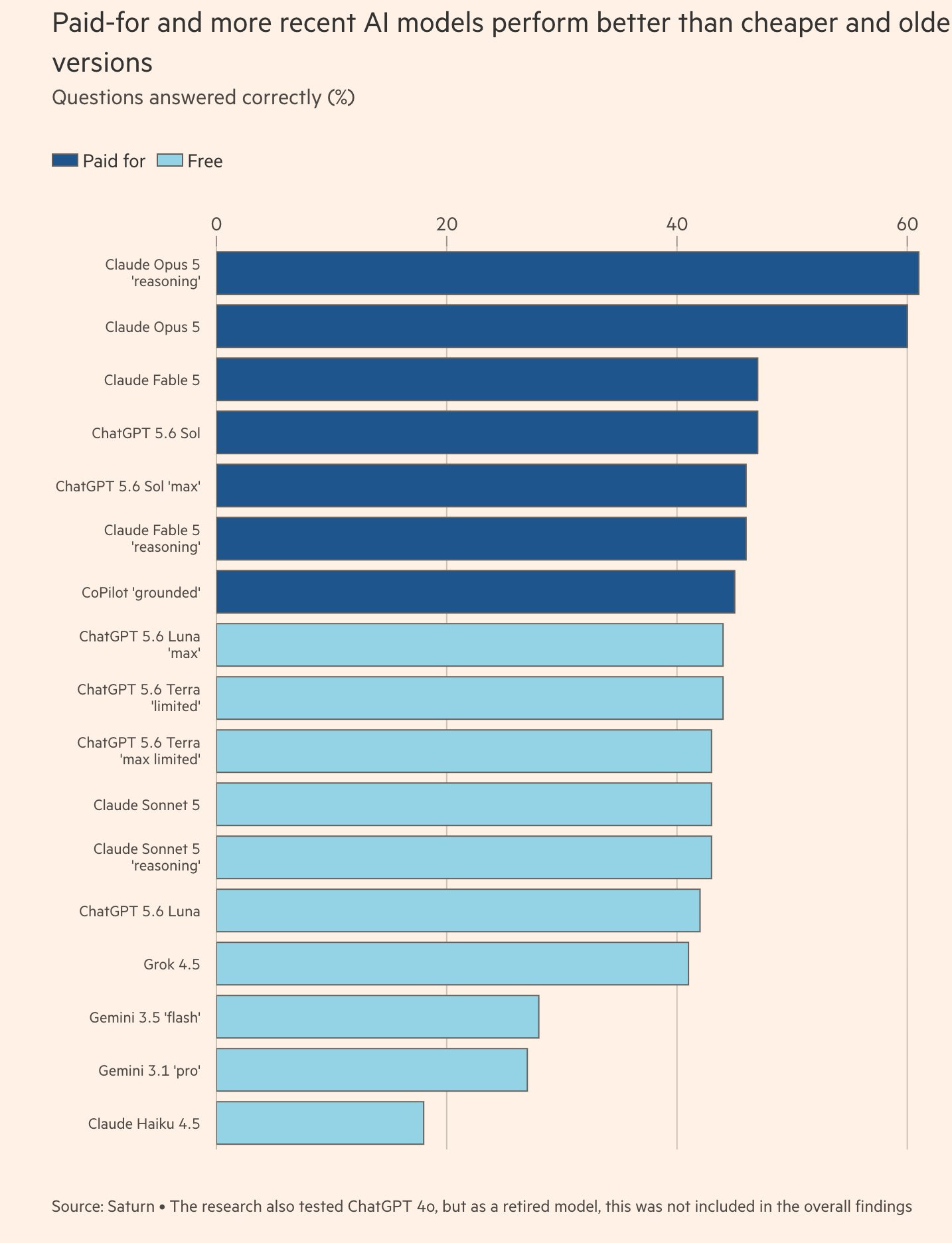
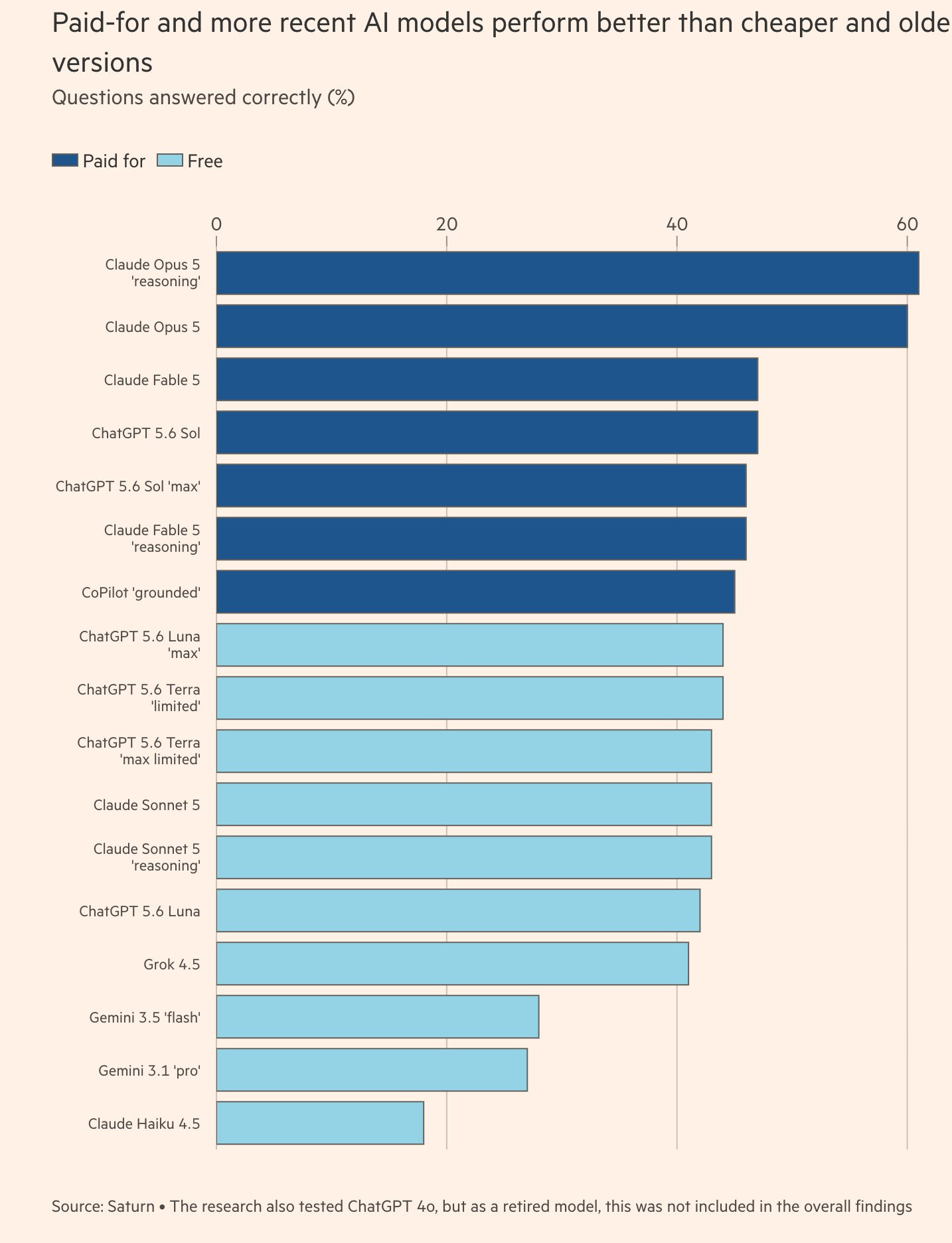
Financial Times: “AI chatbots give wrong answers to financial queries ‘most of the time’“ (paywalled). Here’s a key chart that may pique your interest:
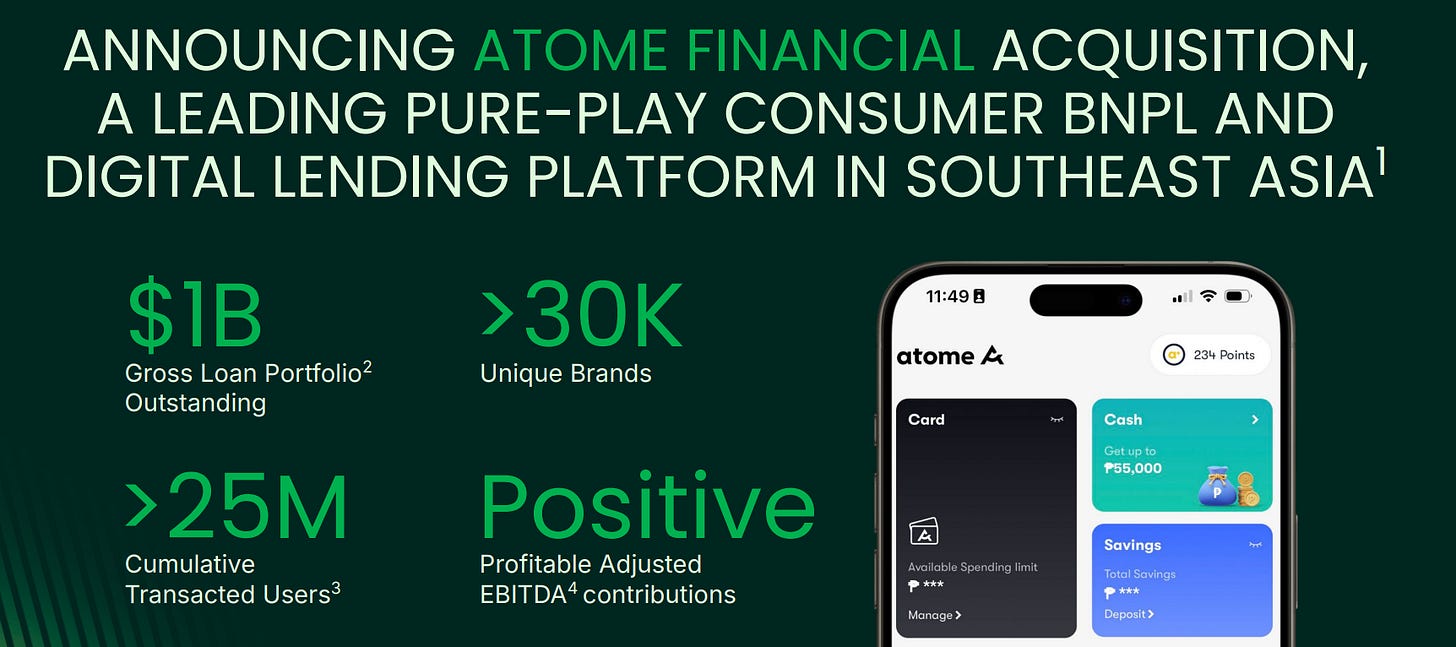
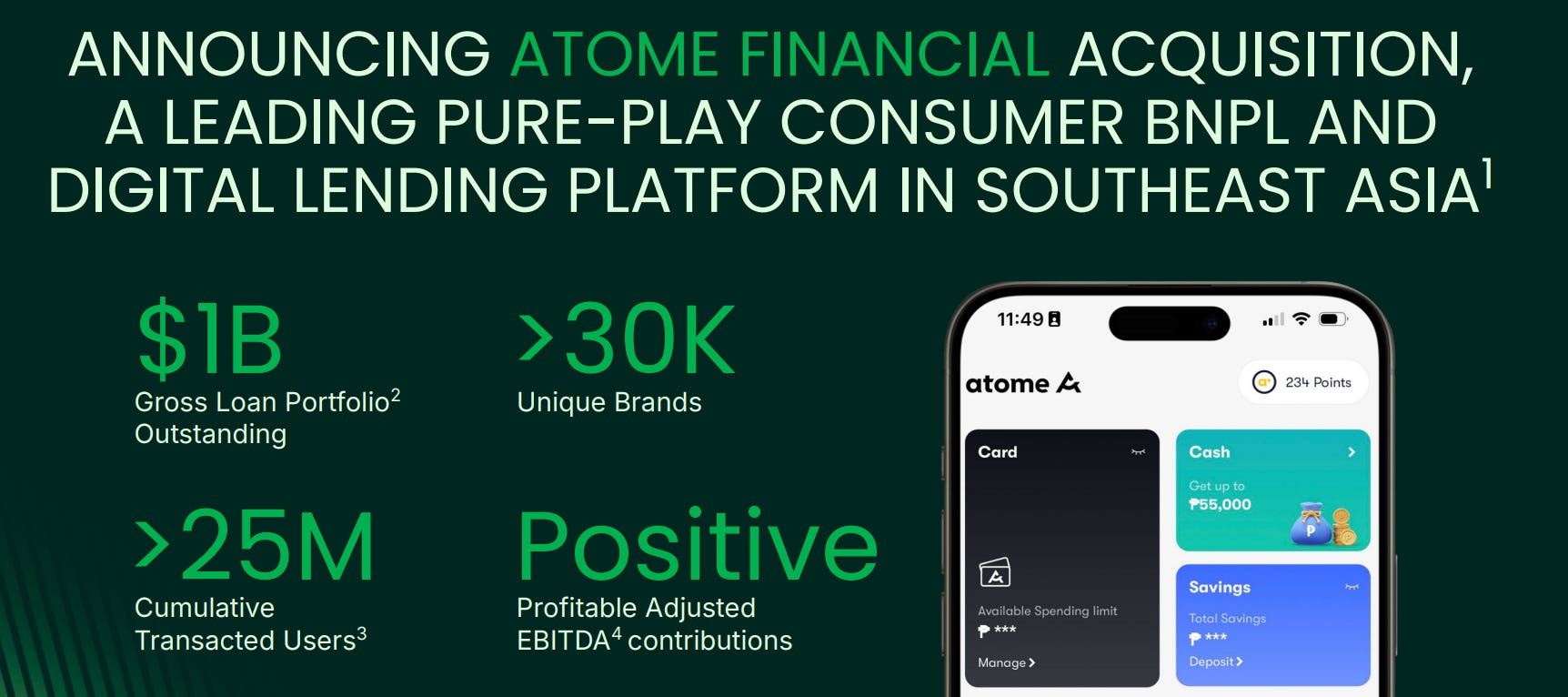
Grab is acquiring BNPL company Atome. The slide deck is quite informative - couple it with the investor call (the Q&A part). I might write about it at some point.
Reuters article on lawsuit, potentially involving LVMH that could cost the company billions: “LVMH signed a secret 2002 pact to buy Hermès heir’s shares. Now he says his fortune is missing“
“Last year, he filed a lawsuit seeking €14 billion ($16 billion) in damages from whoever might be found guilty in prosecutors’ parallel probe into his missing fortune – which has targeted Puech’s now-deceased financial advisor and a lawyer who advised LVMH on its covert stakebuilding in the 2000s. At today’s share prices, Puech’s 6% stake in Hermès would be worth about $10 billion. Puech’s lawsuit names LVMH and its billionaire chairman as defendants, along with companies affiliated with Freymond.”
Podcasts & Videos:
Speaking of LVMH, a pretty solid video on LVMH’s current situation shared by fellow writer Emerging Value over on X —> “LVMH: Why the discount isn’t what you think“
As we mentioned Grab further aboe: Grab CFO Peter Oey appeared on CNBC Singapore discussing the Atome acquisition.
The Meb Faber Show: Paul Kedrosky: Al is the First Bubble With Every Ingredient at Once
David Einhorn on a Morgan Stanley podcast:
“From poker investing lessons, to what he’s changed his mind about, how he invests in AI, and the personality trait that has made (and lost) him the most money, David Einhorn and Iliana Bouzali cover a lot of ground in the next episode of Morgan Stanley Derivatives’ Break the Playbook series.“
The Master Investor Podcast with Wilfred Frost had Thomas Peterffy on the show. I’ve expressed previously how Peterffy reminds me in so many ways of the great Charlie Munger. I hope he has many more years ahead as I enjoy his witty humor, his sharp analytical takes, and his insights from inside IBKR.
A 13-minute clip with Gavin Baker shared on X
"AI models will go to zero. Data centers are commodity. Energy is commodity. Only two things in the whole stack have real value: data moats and reinforcement learning."
A rare interview with Rob Vinall on The Investor’s Podcast with William Green
00:00:00 - Intro
00:03:46 - How Rob Vinall vaulted himself out of humble circumstances
00:14:18 - Why he disliked working at Goldman Sachs
00:17:02 - How he taught himself to invest during the dotcom crash
00:24:12 - How Berkshire Hathaway’s annual meeting changed his life
00:29:24 - How he launched a fund with no staff, no office & no track record
00:38:56 - What he learned from Warren Buffett’s relationship with Ajit Jain
00:47:52 - What qualities Rob looks for in outlier CEOs
00:58:30 - Why he admires Mark Zuckerberg & disagrees with Meta’s critics
01:00:43 - How Rob’s thinking about business moats has evolved
01:02:14 - Why he’s betting a third of his assets on out-of-favor Chinese stocks
01:14:09 - Why today’s momentum-driven market is ideal for long-term investors
01:25:32 - How he survived the most traumatic year of his life
01:37:31 - What drives him after 20 years of investment success
01:42:13 - How to handle being rich without wrecking your kids
I still need to listen to this podcast with Andrew Martin, who is the CEO of Fairlight Capital – the title has me very intrigued —> “Turning Over 70,000 Rocks“
“'Big Short' investor Steve Eisman on AI: The companies are trying to manufacture a crisis” - a must-watch
And on a similar note, Cal Newport: “AI Isn’t “Out of Control” — The AI Companies Are“
Nubank “videocast” on its global ambitions with its CEO and chief growth officer
Other:
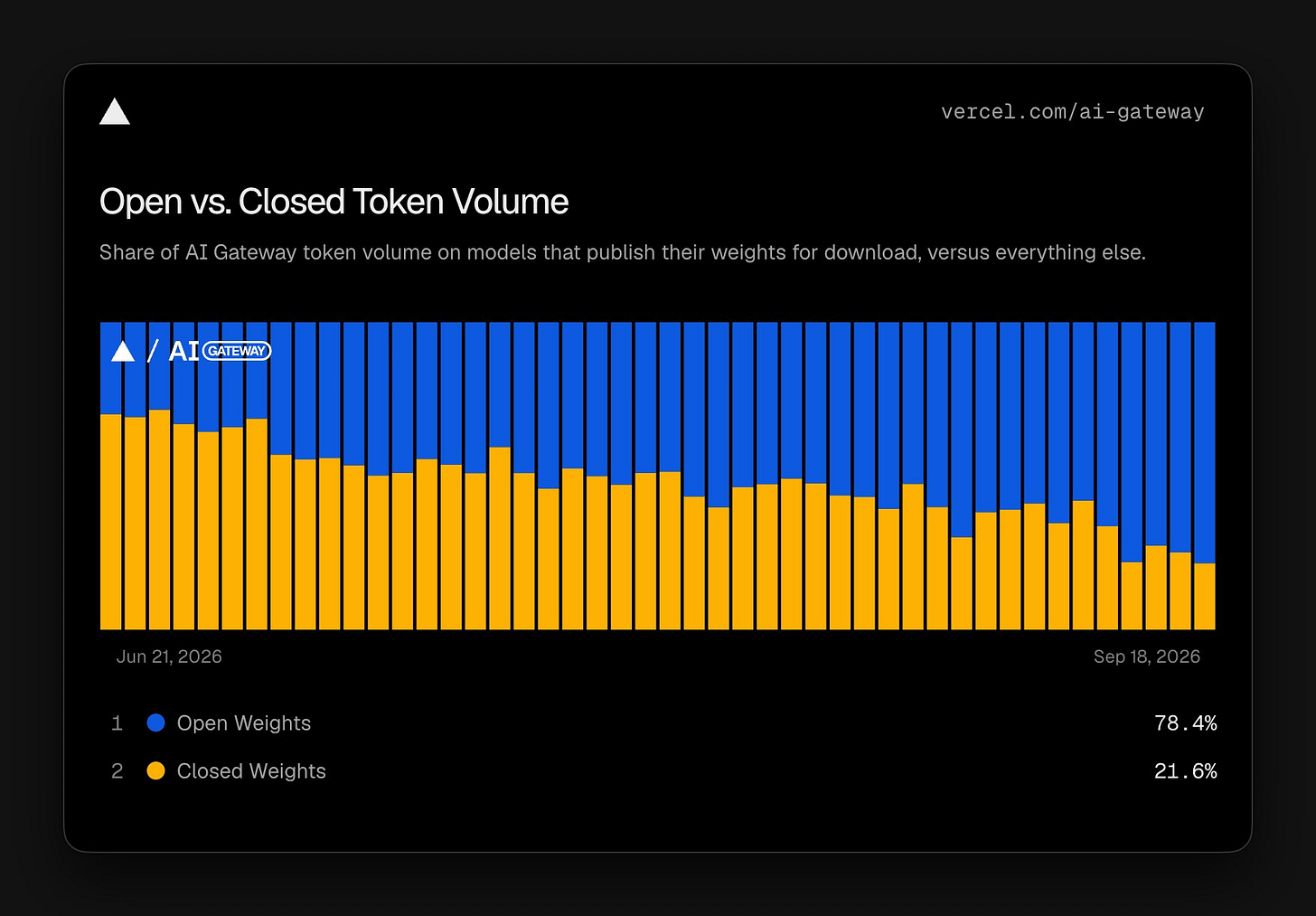
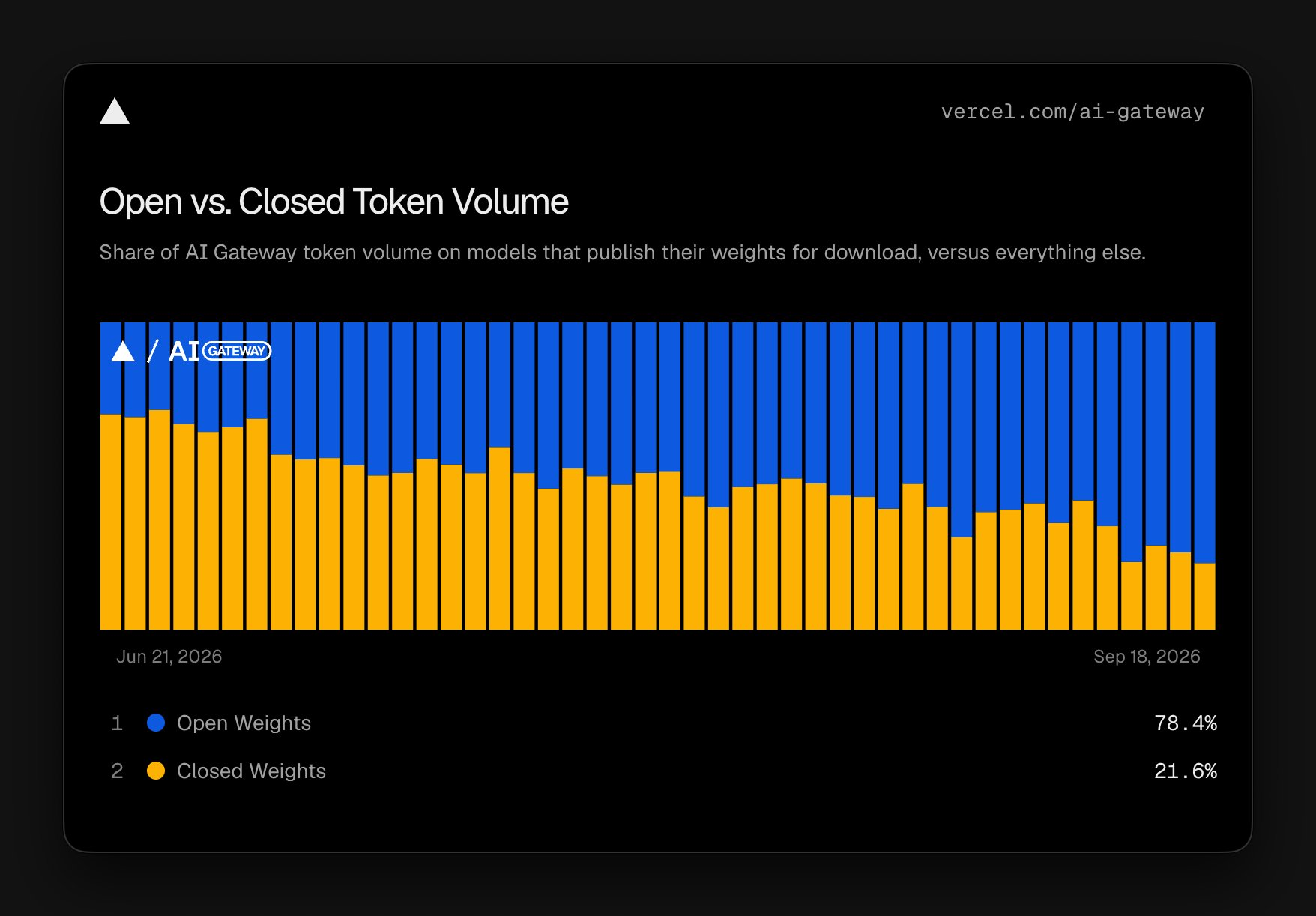
By now, most of you might have come across this chart on open vs. closed models’ token volumes:
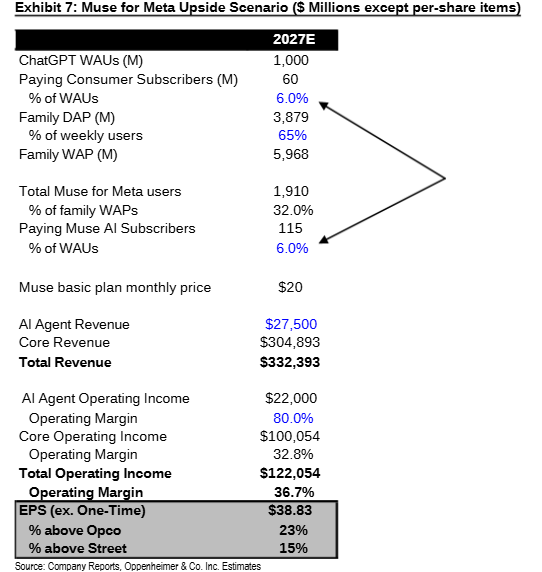
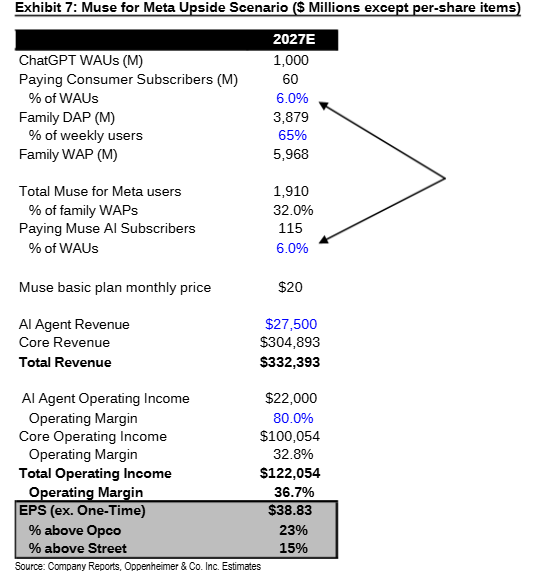
Oppenheimer modelling 80% operating margins for Meta’s Muse
I just shared this on X:
“How exactly do they get to 80% agentic model operating margins? Make no sense to me. I’m assuming you just ignore the infrastructure buildout and model training costs? And even if you do, common sense tells me these models would be nowhere close to that profitability level. Anyone?“
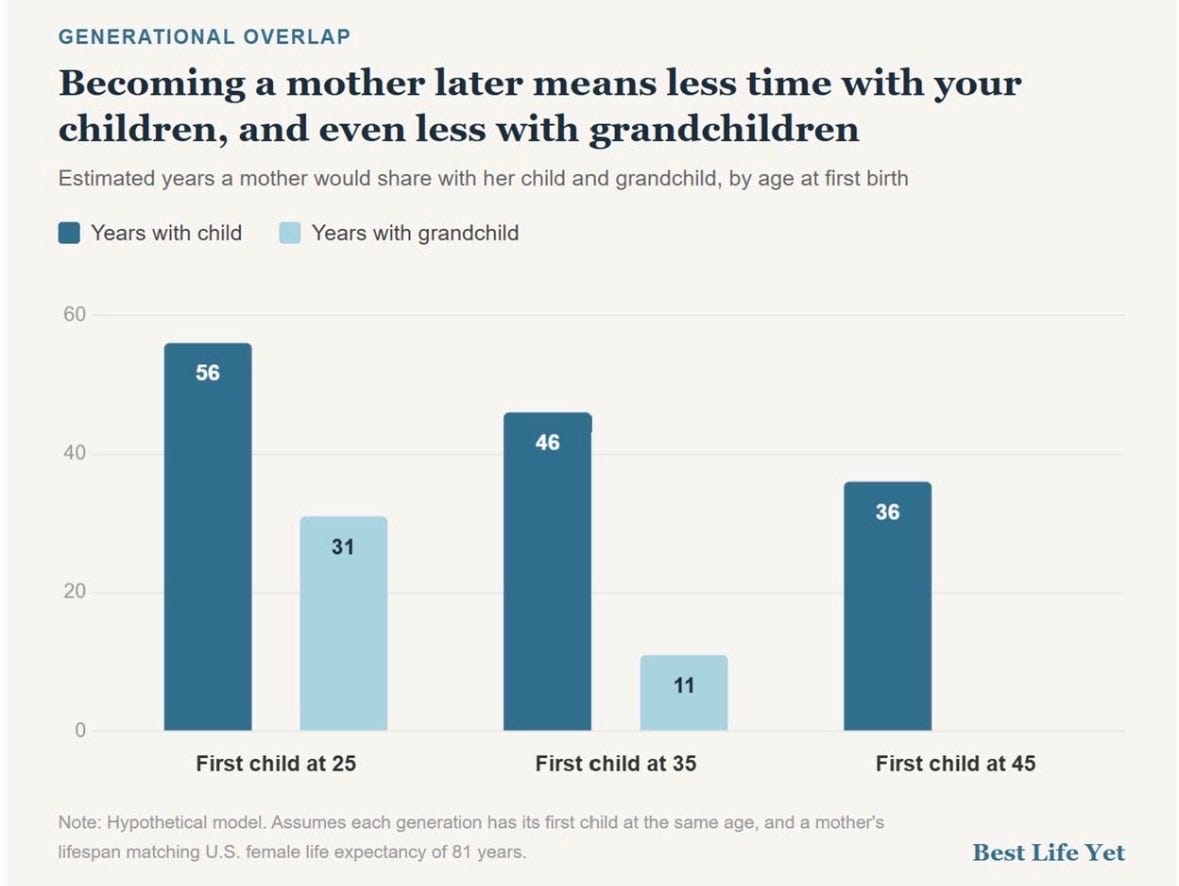
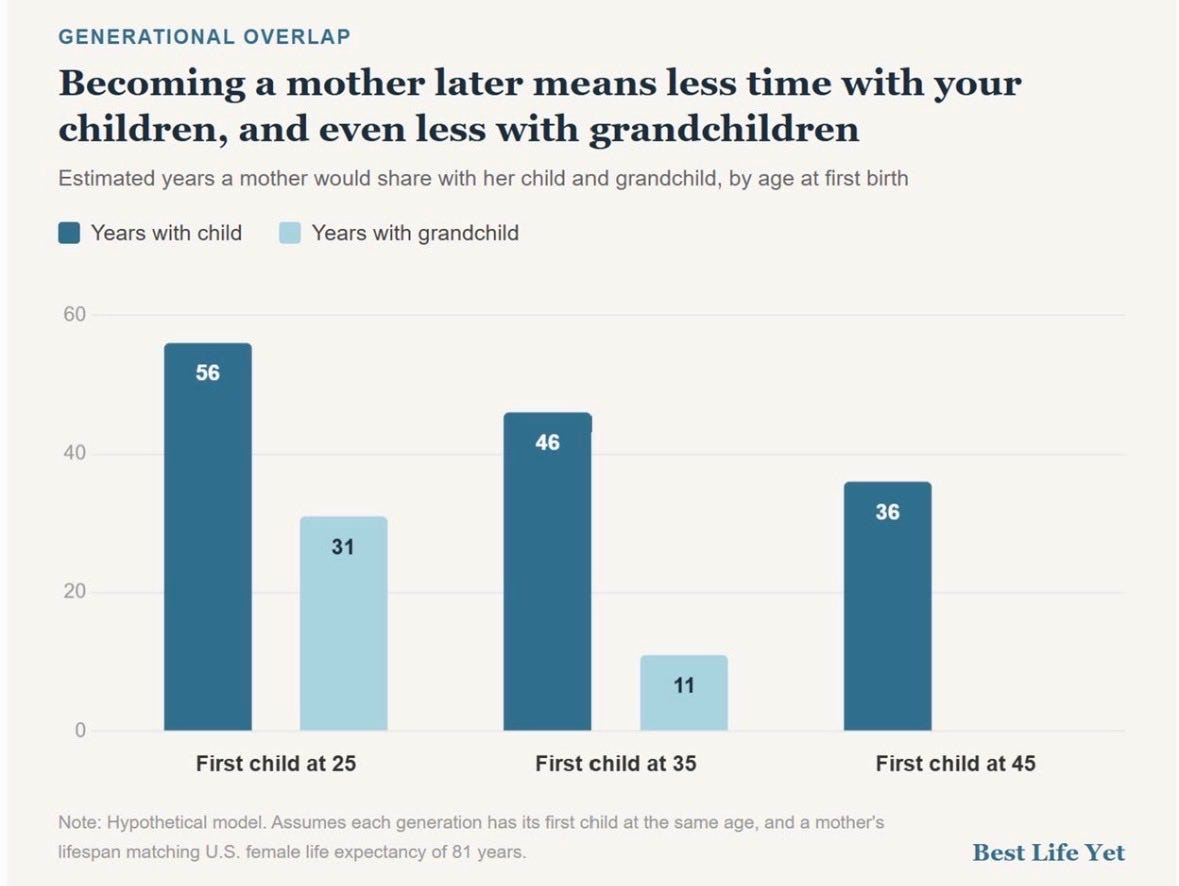
I found this chart serves as good food for thought (not investing-related):
Pitching my own write-ups:
If you haven’t read it already, check out my 4-part 126-ideas series:
126 New Investment Ideas from Wall Street’s Best Stock-Pickers (Part 1)

If you read my 2025 piece Shameless Cloning 2.0, you know I have spent years refining how I track the best capital allocators in the world.
Or read my latest deep dive on Intuitive Surgical:
Deep Dive: Intuitive Surgical ($ISRG) – The World’s Best Medtech Business on Sale?

Before robots, surgeons fought their own instruments.
Check out the Library to quickly access all previous write-ups:
Library

Welcome to a comprehensive overview of all the posts I’ve shared so far, organized by type for easy reference. Whether you’re looking for in-depth company deep dives, process-oriented insights, valuation approaches, or market commentary, this page serves as a central hub to navigate through all the content I’ve published. Each section below highlights a…