

Dear compounders,
In late 2002, Estée Lauder announced a deliberate decision to reallocate capital into brand-building initiatives designed to strengthen its long-term pricing power and revenue trajectory.
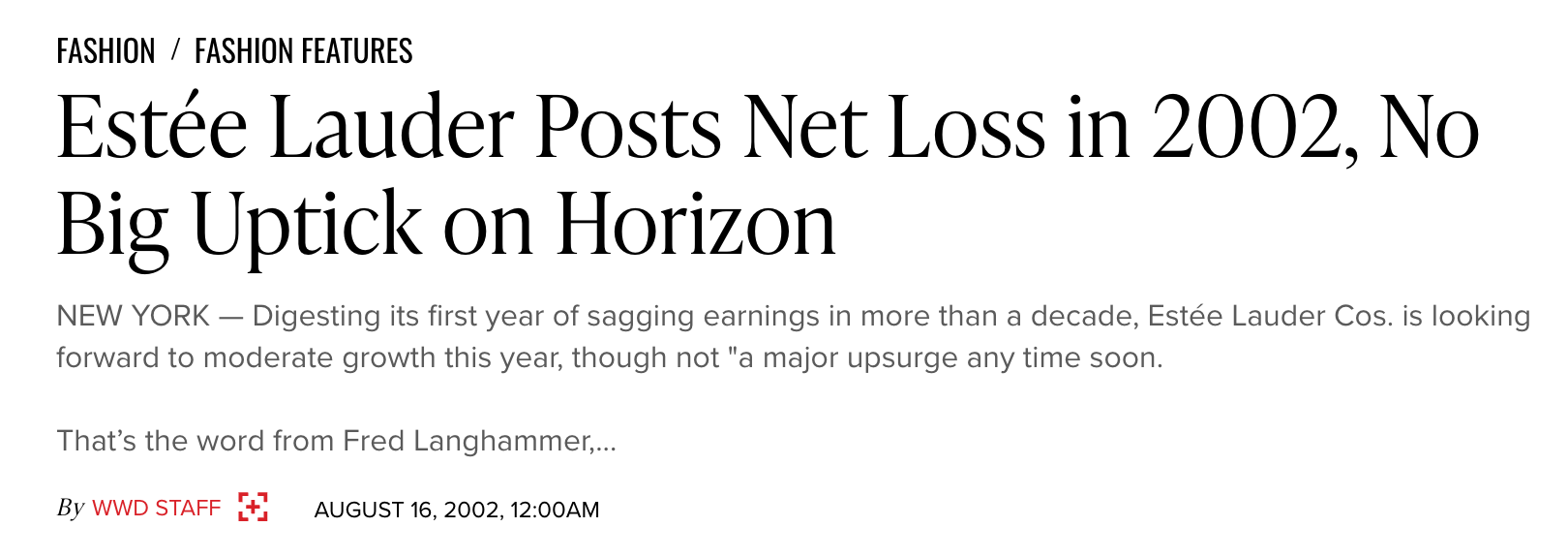
The institutional reaction was immediate and punitive. Wall Street dumped the stock, driving a single-day decline of 15% because the additional marketing spend depressed next quarter’s reported earnings per share.
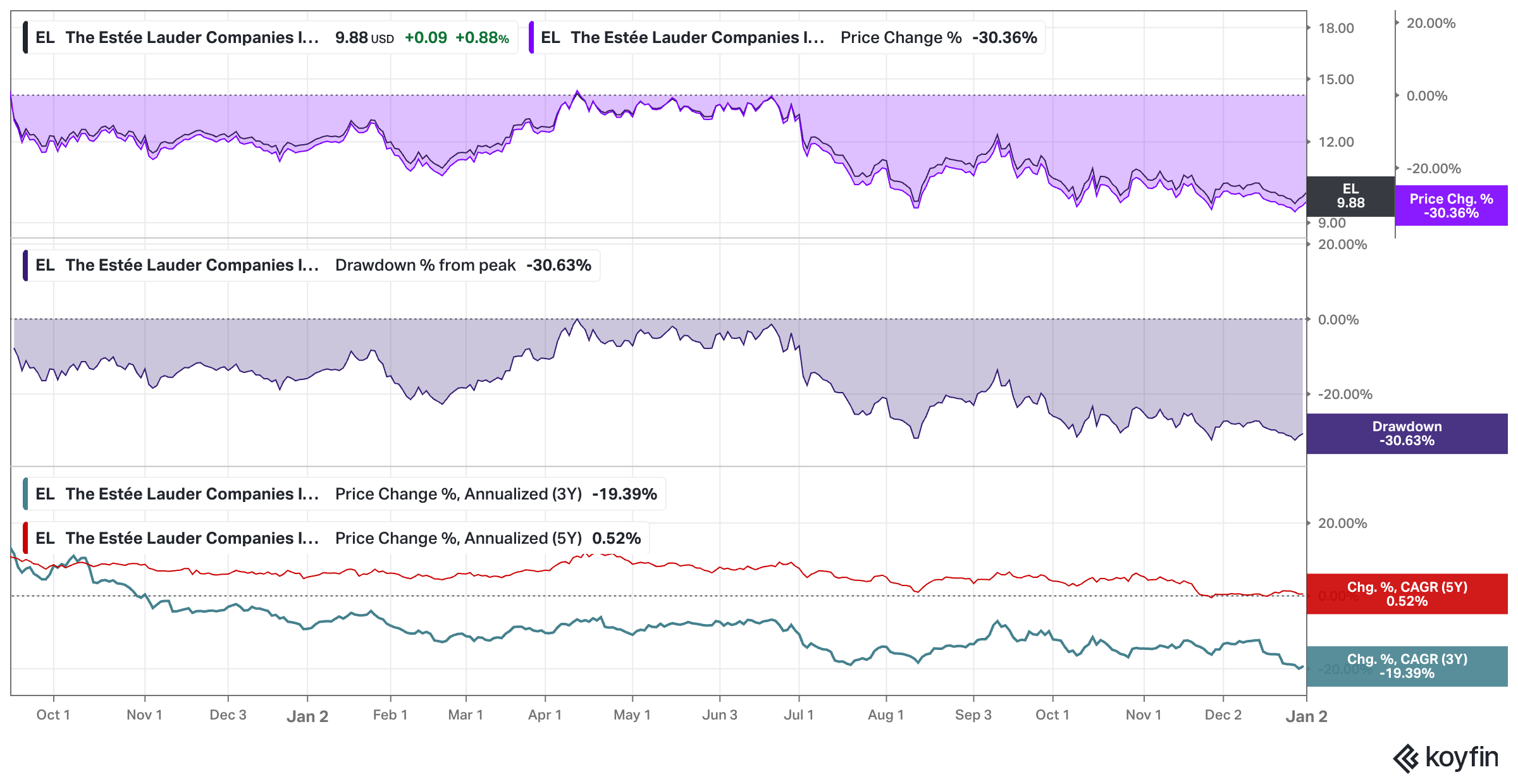
Around the same time, trading volume in Xerox implied that institutional money managers owned the stock for an average duration of less than four months.
Wall Street demands immediate gratification. That’s largely true today. And it was true twenty years ago when Nick Sleep started his investment partnership.
The modern asset management ecosystem already operated on hyper-compressed time horizons back then, where short-term price volatility is consistently mistaken for structural risk.
Professional fund managers frantically trade around quarterly data points, driven by job security concerns and index tracking mandates. This mechanical skittishness creates massive friction for traditional allocators. It also creates an extraordinary competitive advantage for those willing to look past the 18-month institutional horizon.
“If you don’t want to ever miss a new “Visual Blueprint,” make sure you are subscribed and on the email list!”.
Deconstructing the Early Nomad Letters
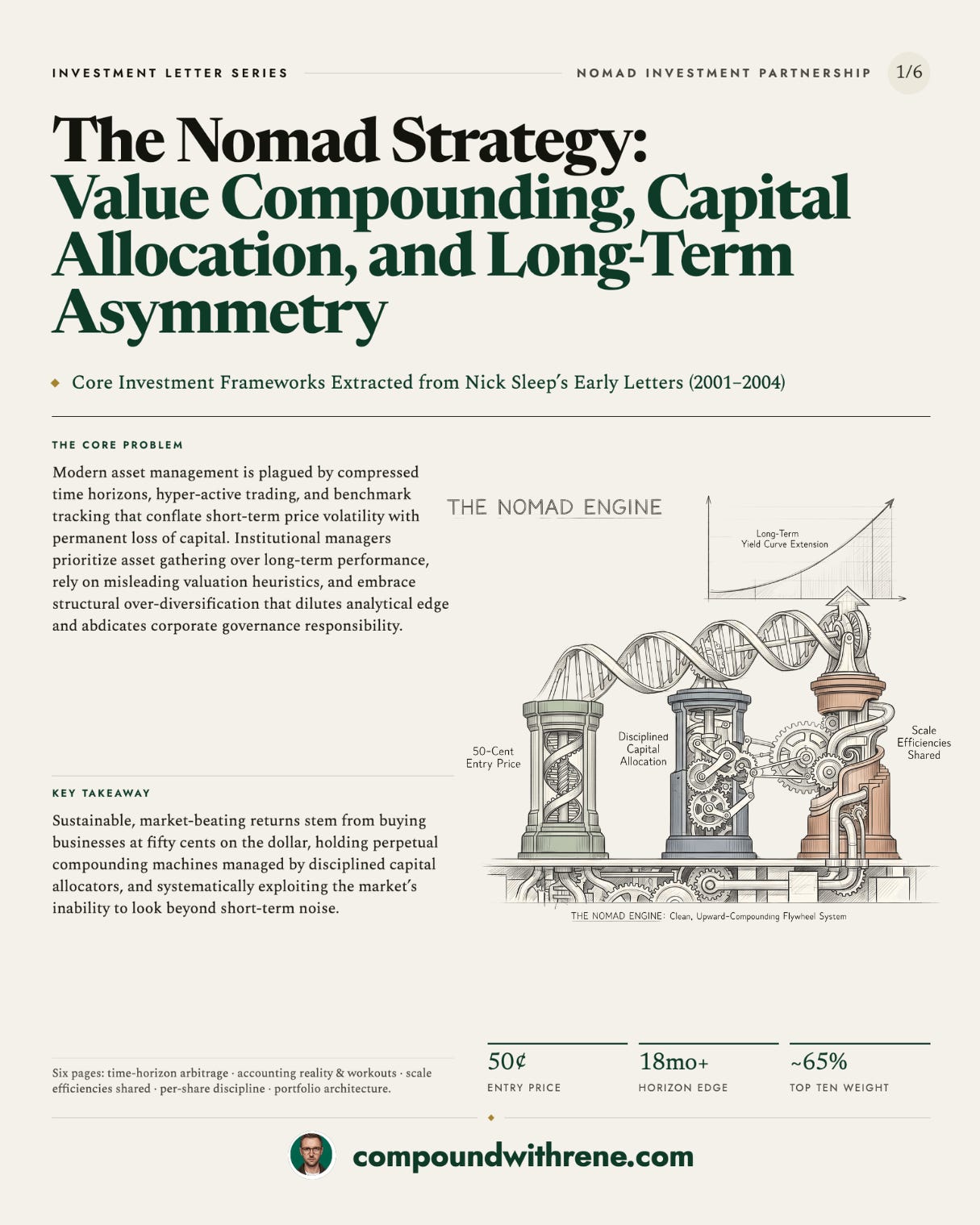
Today, I spent my day systematically analyzing the early partner letters of the Nomad Investment Partnership spanning 2001 to 2004. My goal was straightforward. I wanted to extract the core mental models that transformed a small, unconventional London firm into one of the most remarkable compounding vehicles of our era. Nick Sleep and Qais Zakaria ran a true investment partnership as opposed to the standard fee-harvesting hedge funds you encounter all too frequently.
They built their edge on rigorous fundamental analysis, low portfolio turnover, and absolute return discipline.
Stripping away the daily noise of market commentary requires patience. It requires a willingness to re-examine received corporate finance wisdom.
My investing philosophy today is largely influenced by Sleep’s teaching. I even have a self-made book version of their letters, which I probably read five times or more.

When quarterly drawdowns hit my concentrated positions, I look straight through the market quote. I focus entirely on underlying business economics. If the ultimate destination of the firm remains intact – a concept Sleep formalized in his letters – price drops are welcome gifts. Drawdowns present prime buying opportunities.
Conversely, poor management behavior drives an immediate pass. I walk away from executive teams executing stock buybacks at cyclical tops or hesitating when high-return reinvestment opportunities emerge. Excessive compensation packages without genuine insider alignment reveal flawed incentives. I distrust corporate boards issuing dividends simply because industry peers do so.
Per-share capital discipline is truly rare.
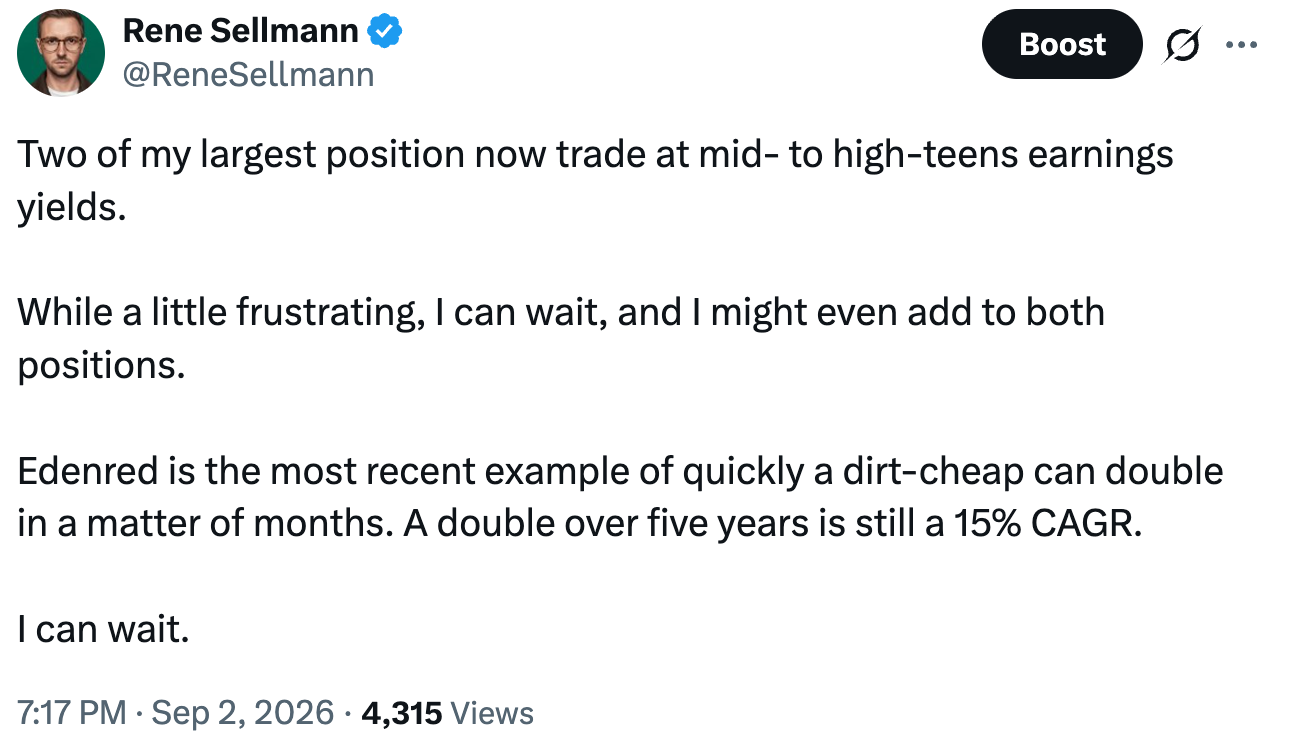
My current portfolio reflects this deliberate time-horizon arbitrage. Positions like Tiger Brokers and Ashtead Technology face temporary operational headwinds, yet their multi-year trajectories remain completely sound. The market penalizes near-term uncertainty. I gladly take the other side of that trade.
Structural Frameworks for the Patient Allocator
The early Nomad letters establish several foundational mental models that remain vital for sophisticated investors.
The first framework centers on time horizon arbitrage through the equity yield curve. Borrowing concepts from fixed income analytics, the equity yield curve plots expected investment returns against holding duration. Up to 18 months, according to Sleep, equity markets display reasonable efficiency. Beyond two years, the curve steepens dramatically, offering potential returns reaching 35% annualized. Institutional fund managers rarely venture into this duration zone because average mutual fund holding periods hover around eleven months. They prize immediate liquidity over multi-year business compounding. You capture this return spread by holding quality assets far past the wall of institutional myopia.
The second mental model deconstructs business quality through scale efficiencies shared. Conventional executive teams treat growing scale as an opportunity to widen gross margins and extract immediate profits. Costco Wholesale inverted this incentive structure entirely. Management capped gross markups at 14% on branded goods and 15% on private labels. Every unit cost reduction achieved through rising purchasing scale gets returned directly to the consumer via lower shelf prices. The customer reciprocates with radical brand loyalty and $45 annual membership subscriptions. Sales density surges to industry-leading levels. High sales volume drives further purchasing scale. The competitive moat deepens automatically as the company grows. It operates as a perpetual motion machine.
The third model addresses mathematical underwriting and per-share discipline. Sleep approaches position sizing by targeting entry prices at fifty cents on the dollar of appraised intrinsic value, assuming a baseline 10% annual growth in underlying business value. If management allocates capital wisely, a dollar of intrinsic value compounds to $1.62 over five years, yielding a 26% annualized return from a fifty-cent entry point. Even if half of your investment decisions prove completely flat due to capital allocation errors, the aggregate portfolio still yields an annualized return around 13%. Math protects downside. Disciplined entry prices absorb analytical errors.

If you do find value in the PDFs below, please let me know via the comments. This keeps me motivated to keep creating these Blueprints.
I mapped the 2001-2004 early Nomad principles into a clean 6-slide visual Blueprint deck below. This architecture translates Nick Sleep’s early letters into an institutional reference framework that you can deploy directly within your own research process.

Until next time, keep compounding.
Disclaimer:
The analysis presented in this blog may be flawed and/or critical information may have been overlooked. The content provided should be considered an educational resource and should not be construed as individualized investment advice, nor as a recommendation to buy or sell specific securities. I may own some of the securities discussed. The stocks, funds, and assets discussed are examples only and may not be appropriate for your individual circumstances. It is the responsibility of the reader to do their own due diligence before investing in any index fund, ETF, asset, or stock mentioned or before making any sell decisions. Also double-check if the comments made are accurate. You should always consult with a financial advisor before purchasing a specific stock and making decisions regarding your portfolio.