

When I initially started exploring ways to embed AI in my investment process (probably right after ChatGPT’s release in late 2022), I was hopeful – but also skeptical. The promise of making decisions quicker and more accurately is undeniably appealing.
But I knew that in the world of investing, critical judgment and nuanced decision-making matter more than anything else. These are things that, at least for now, AI still struggles with.
What AI excels at, I believe, is quickly processing massive amounts of data; basically in real-time. It’s a powerhouse when it comes to retrieving information, cross-referencing details, and delivering results almost instantly. But the question of whether it can truly make informed, strategic decisions – that’s where things get tricky.
At its best, AI isn’t about replacing human thought, but augmenting it. In investing, the value of AI comes not from replacing the decision-maker, but from enhancing their ability to gather, process, and analyze information quickly and thoroughly.
In this post, I’ll take you through how I’ve been using AI – specifically NotebookLM – in my investment research process. I only recently started leaning into NotebookLM I must admit, but over the past few weeks, this tool has been an absolute game-changer, helping me move through the complexities of analyzing businesses faster and with more confidence.
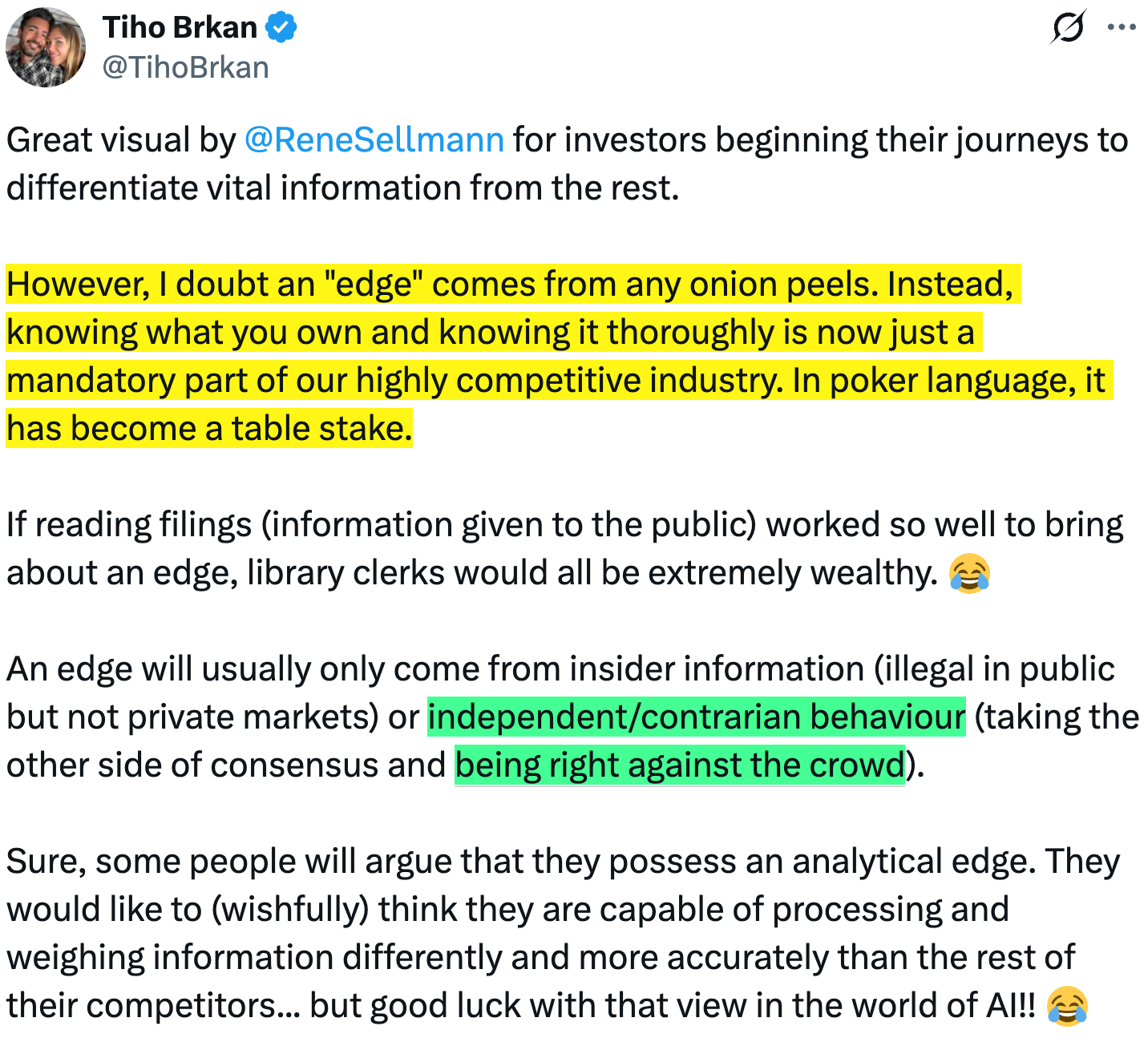
While I wholeheartedly agree with Tiho’s take below, and just like him believe AI can’t replace the critical thinking necessary for assessing the true potential of an investment, it can help me build a much clearer, more detailed picture of the companies I’m interested in, and find answers to the high-quality questions (at least that’s what I hope) I come up with.
At its core, what I’ll show you here is how I leverage NotebookLM to get up to speed with a business more efficiently, to dig deeper into critical factors like a company’s competitive advantages, and to improve the overall quality of my decision-making process.

The Challenge of Getting Up to Speed with a Company
When I first dive into researching a company, the goal is simple: get up to speed as quickly as possible, absorb the relevant details, and make sure I have a deep understanding of what’s going on behind the scenes. In the fast-paced world of investing, time is of the essence.
I encourage you to watch this recent Druckenmiller interview, in which the idea of getting up to speed with a company quickly may be more important than ever before, frequently pops up:
Sure, Druckenmiller is right that time is important (even more important is timing fwiw), but I believe even more critical than time, and timing is accuracy – ensuring that I’m gathering the right information in the right way. What’s the point of forming an opinion quickly, but being wrong? That’s a recipe for losing money very quickly.
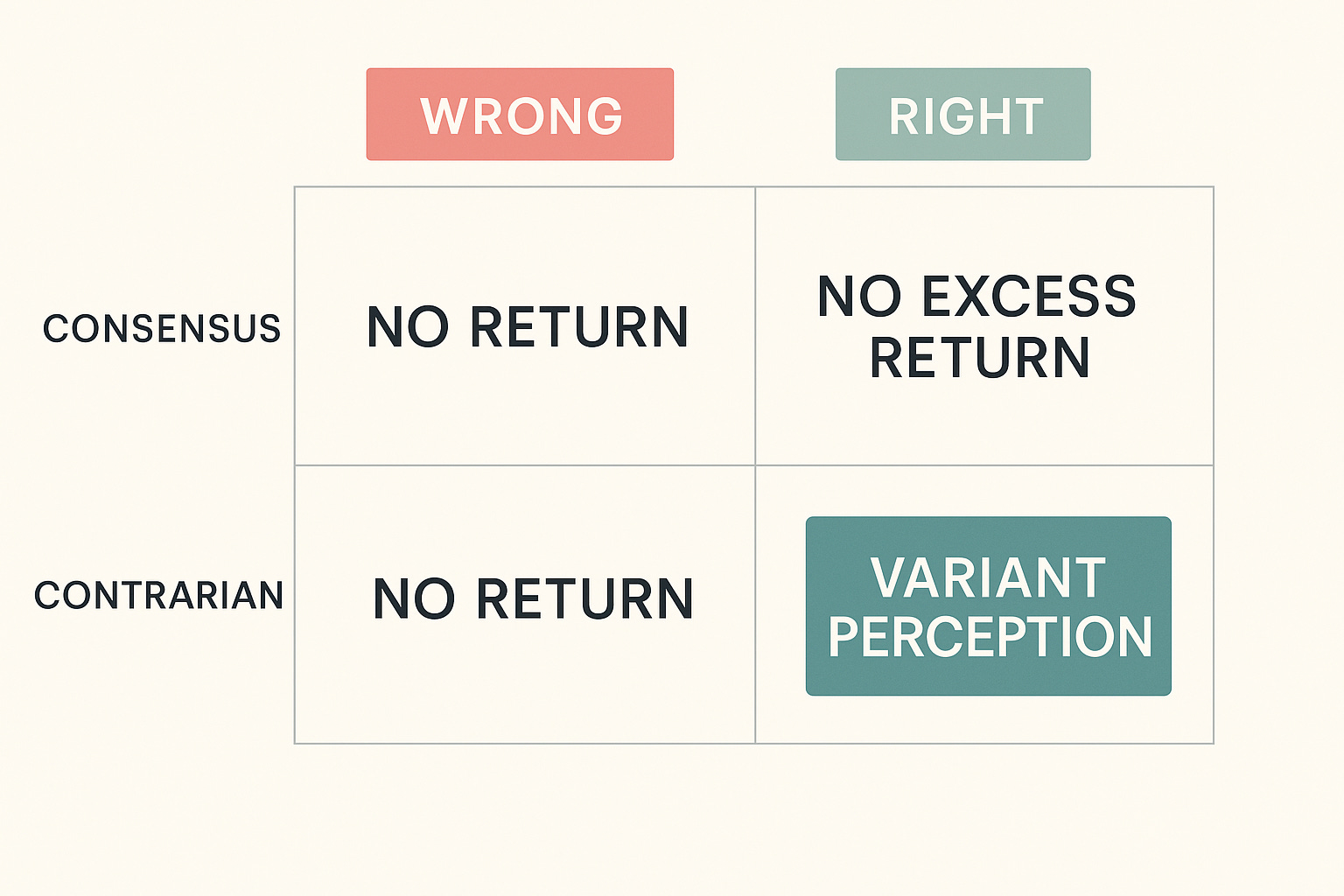
“I think contrarianism is overrated. Soros used to say the crowd’s right 80% of the time. You just can’t be caught in the other 20% because you can get your head handed to you. I get some intellectual satisfaction out of playing in the 20%. But as a concept, I think contrarianism is overrated.“ - Druckenmiller in the interview above
Traditionally, this process involved a lot of manual labor. The first step was always to gather the most recent filings – annual reports, quarterly earnings calls, investor day presentations. Then, I’d sift through analyst reports, industry publications, and competitor information. You can imagine how time-consuming that can be. Hours and hours … With the flood of data coming in from every angle, it often felt like I was drowning in information but not necessarily getting any closer to actionable insights.
The challenge wasn’t just about gathering the information – it was about managing it. How do you ensure that you’re not missing any key details? How do you quickly sort through the noise to focus on what’s important? How do you strike that balance? And, with so much to read, how do you avoid spending hours or days without making significant progress?
This is where AI comes in. Most investors quickly realized that AI could be a powerful tool to streamline this process. Instead of spending countless hours sorting through reports, AI could help aggregate, synthesize, and analyze data from multiple sources much more quickly. But I knew it wasn’t just about speed—it had to be accurate too.
That’s where NotebookLM came in.
Before we dive back in, a quick note…
Want to compound your knowledge – and your wealth? Compound with René is for investors who think in decades, not headlines. If you’ve found value here, subscribing is the best way to stay in the loop, sharpen your thinking, avoid costly mistakes, and build long-term success – and to show that this kind of long-term, no-hype investing content is valuable.
Unlike traditional large language models (LLMs), which can often “hallucinate” (incredibly dangerous in investing!) or provide inaccurate or fabricated information, NotebookLM offers a more reliable approach. While LLMs are powerful at generating text, they sometimes struggle with maintaining accurate context over longer pieces of content or complex queries.
I used prompts such as …
“In this chat, you are only allowed to use the materials I upload. Don’t draw on outside knowledge or your training data.“
… but it never really worked.
This issue is referred to as “context rot” – a concept I only recently heard about. Essentially, the further into a conversation or analysis you go, the more prone the AI becomes to losing track of important details, leading to errors or inconsistencies. Also, LLM can't reliably extract information from the middle of long contexts (which is exactly what I’m doing by providing multiple 50-200-page resources) – i.e. the information is there, but the AI doesn’t access it; without telling you!
NotebookLM, on the other hand, is designed to handle more structured, context-rich data. It can manage multiple layers of information simultaneously and keep everything in context without losing track of key details. This eliminates the problem of hallucinating, ensuring that the insights I get from the AI are grounded in real data and more accurate. This reliability is what makes it such an invaluable tool for serious investment research.
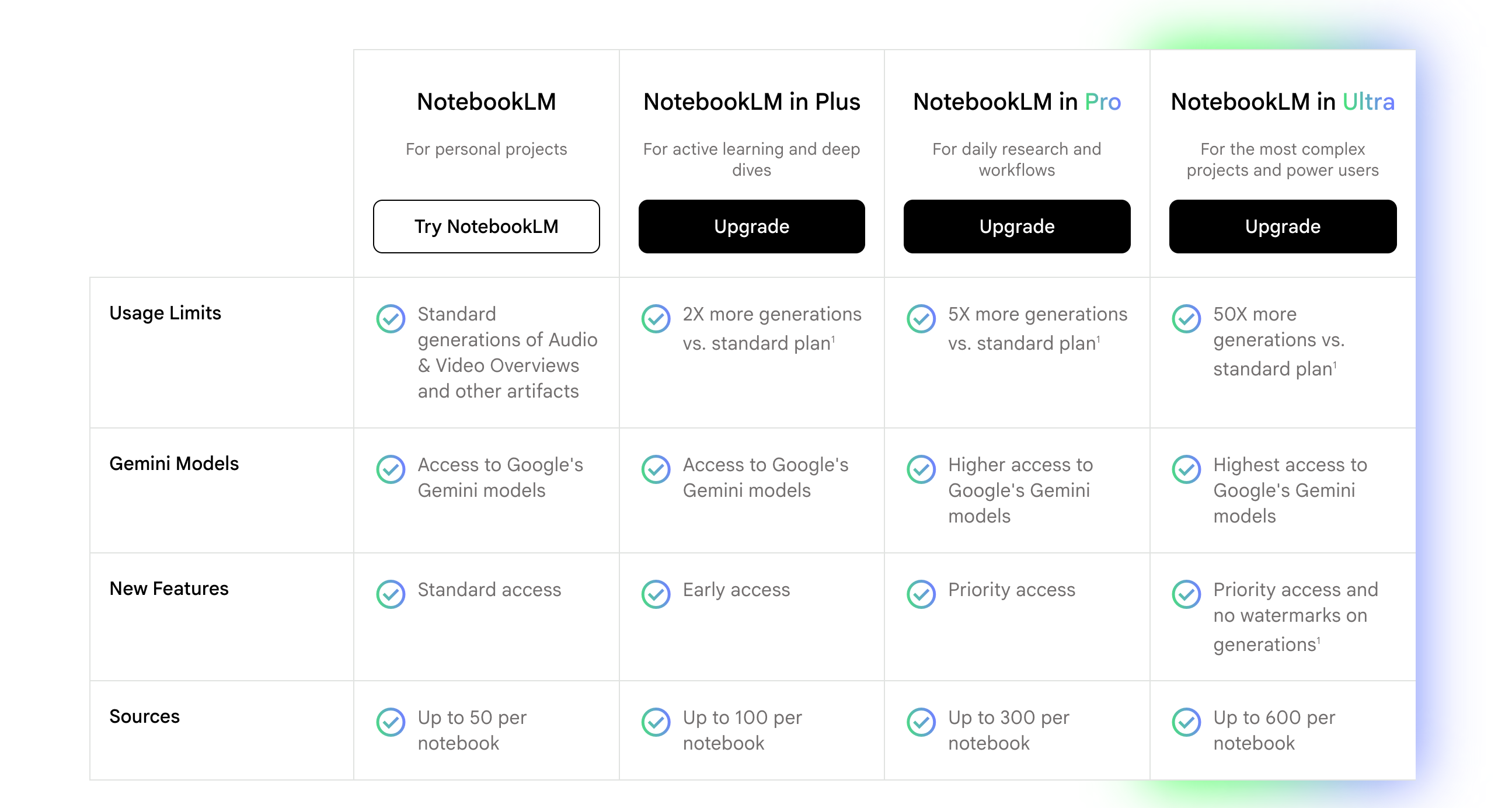
I put together some general attributes of NotebookLM below:
You can upload PDFs, Google Docs, text files, slide decks, web links, and even YouTube video transcripts into a notebook.
Each uploaded file (called a source) can be up to 500,000 words or roughly 200 MB in size.
Free plan (standard NotebookLM on a Google account)
Maximum of 100 notebooks total.
Up to 50 sources per notebook.
Daily usage caps such as 50 chat queries and 3 audio overviews per day.
Deep Research reports limited (e.g., ~10 per month under the free tier).
Paid plans (via Google AI Plus / Pro / Ultra tiers)
Notebooks: often up to about 500 total under Pro/Plus.
Sources per notebook: up to 300 or more on paid plans.
Higher daily chat/query limits (e.g., hundreds instead of tens).
More daily audio/video overviews and Deep Research sessions.
My Research Process: Creating a Foundation with AI
When it comes to building a solid foundation for analyzing a company, the research process has to be methodical. For me, that means breaking down a business into its most critical components and diving into each of those areas separately. This isn’t a quick glance at a balance sheet or a snapshot of a quarterly earnings report – it’s a deep dive into the company’s business model, products, customer base, competitive advantages, and so much more.
I’ve always worked with specific checklists for each area of analysis. These pillars of research guide my thinking and help me avoid missing any key details.
“To be a successful investor, you have to have a philosophy and process you believe in and can stick to, even under pressure. “ - Howard Marks
“To be consistently successful, an investor or speculator must have rules to guide him.” - Jesse Livermore

The idea is simple: get a comprehensive picture of the company from all angles. These checklists cover everything from the business model to product offerings, competitive advantages, risks, growth drivers, management, and more. This multi-dimensional approach ensures that I’m not simply looking at the company through one lens but understanding it fully in terms of what drives value.
Example of a checklist item:
I can say whether the business has a high customer retention rate (low churn rate; the longer a customer is retained, the more predictable the revenue is, while low retention pressures the company to acquire new customers constantly).
How long does the average customer stay with the business? (the longer a customer is retained by a business, the more profitable that business becomes and the more predictable a firm’s revenue; in comparison, a company with a low CRR needs to be constantly acquiring new customers with exciting new sales strategies, expensive marketing campaigns, or unique product offers).
Have I conducted a customer-based corporate valuation (CBCV) analysis?
I can say how high the customer acquisition cost is (CAC).
I can say what the customer lifetime value is (CLV)
I have applied this concept to the business: “The idea of customer lifetime value (CLV) has been around for decades. CLV equals the present value of the cash flows that a customer generates while they are engaged with the firm minus the cost to acquire the customer. The present value of cash flows, in turn, is a function of sales, costs, and customer longevity.” (Michael Mauboussin)
What’s the average purchasing frequency of customers?
What’s the average basket size – i.e. how large is each order? (“If the first order isn’t profitable, the business needs multiple orders to recoup its CAC and even more orders to produce a profit. When the first order is profitable, additional orders run up the scoreboard. This is why repeat rate matters.”)
But here’s the catch: even with a well-structured research process, the amount of data involved can be overwhelming. This is where AI, and particularly NotebookLM, really starts to shine. AI is fantastic at taking those initial piles of data – whether it’s quarterly reports, annual filings, or industry research – and organizing it in a way that makes it easier to analyze and makes information much more accessible. I’ve found that NotebookLM does an exceptional job of quickly processing and synthesizing all the material I need.
So when I start digging into a company nowadays, the process looks something like this:
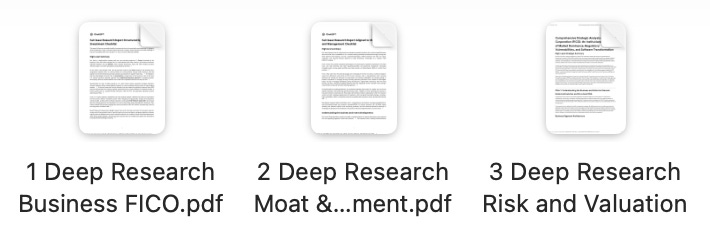
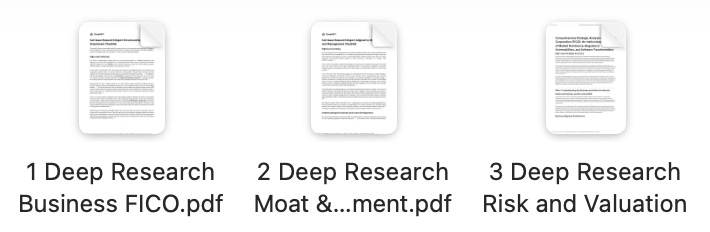
I start by using more traditional AI tools like Google Gemini or ChatGPT (I haven’t found one or the other model to be clearly superior in terms of deep research quality for whatever it’s worth) to generate deep research reports on each of the pillars (8 in total) I have in my framework (with the help of my checklist). I’ve found that my checklist is so comprehensive that generating separate deep research reports (vs. just one “big” one) leads to a higher quality of the “research.” For example, I might have one report focused solely on the company’s business model, its unit economics, how it generates revenue, etc., another on the competitive landscape and management team, and another on the growth drivers going forward (I’m simplifying things a little here). Each of these reports provides a detailed look at a particular aspect of the company, and from there, I can start drawing connections between them. Once I have these reports, I input them into NotebookLM as my starting base.
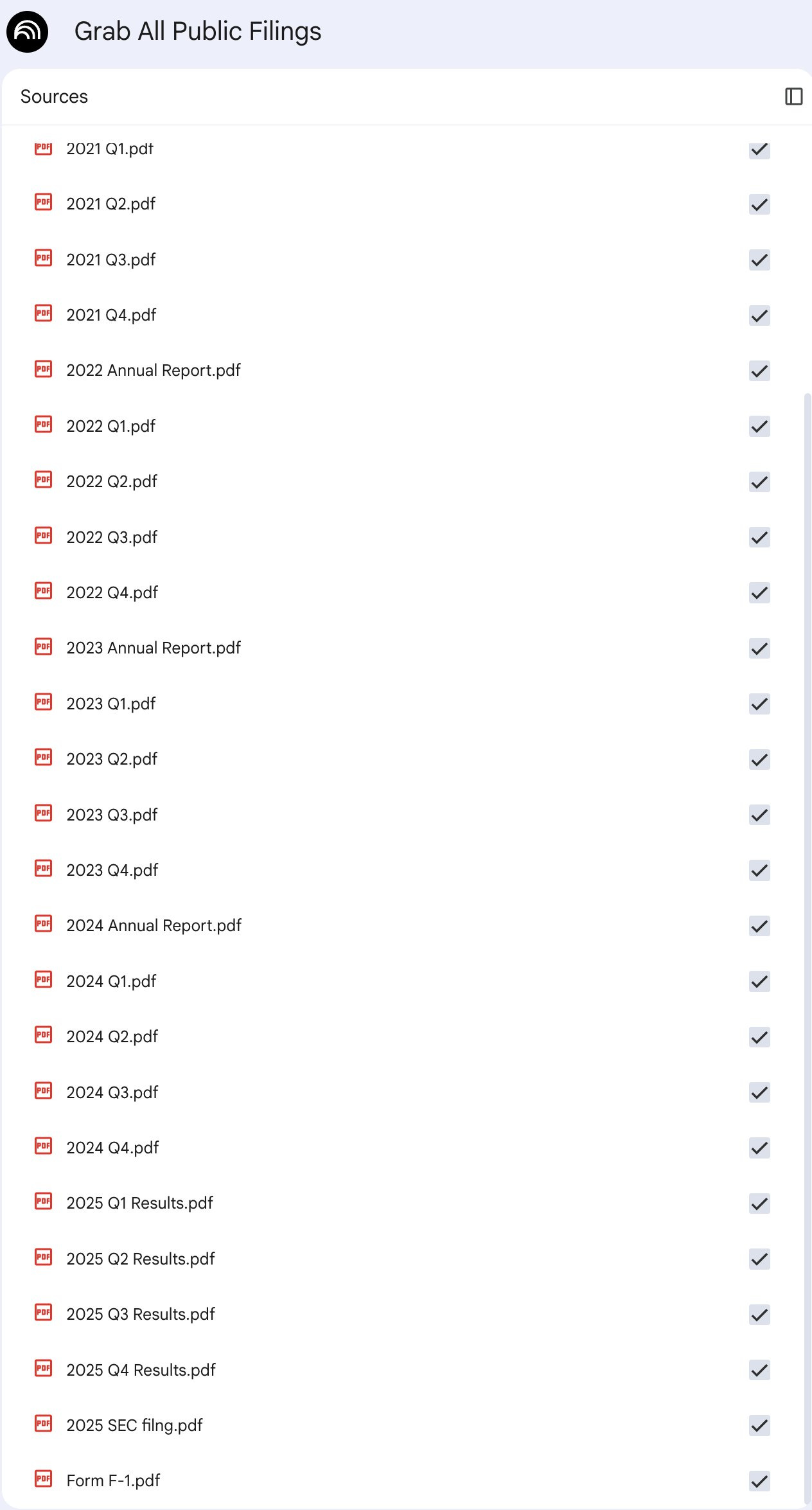
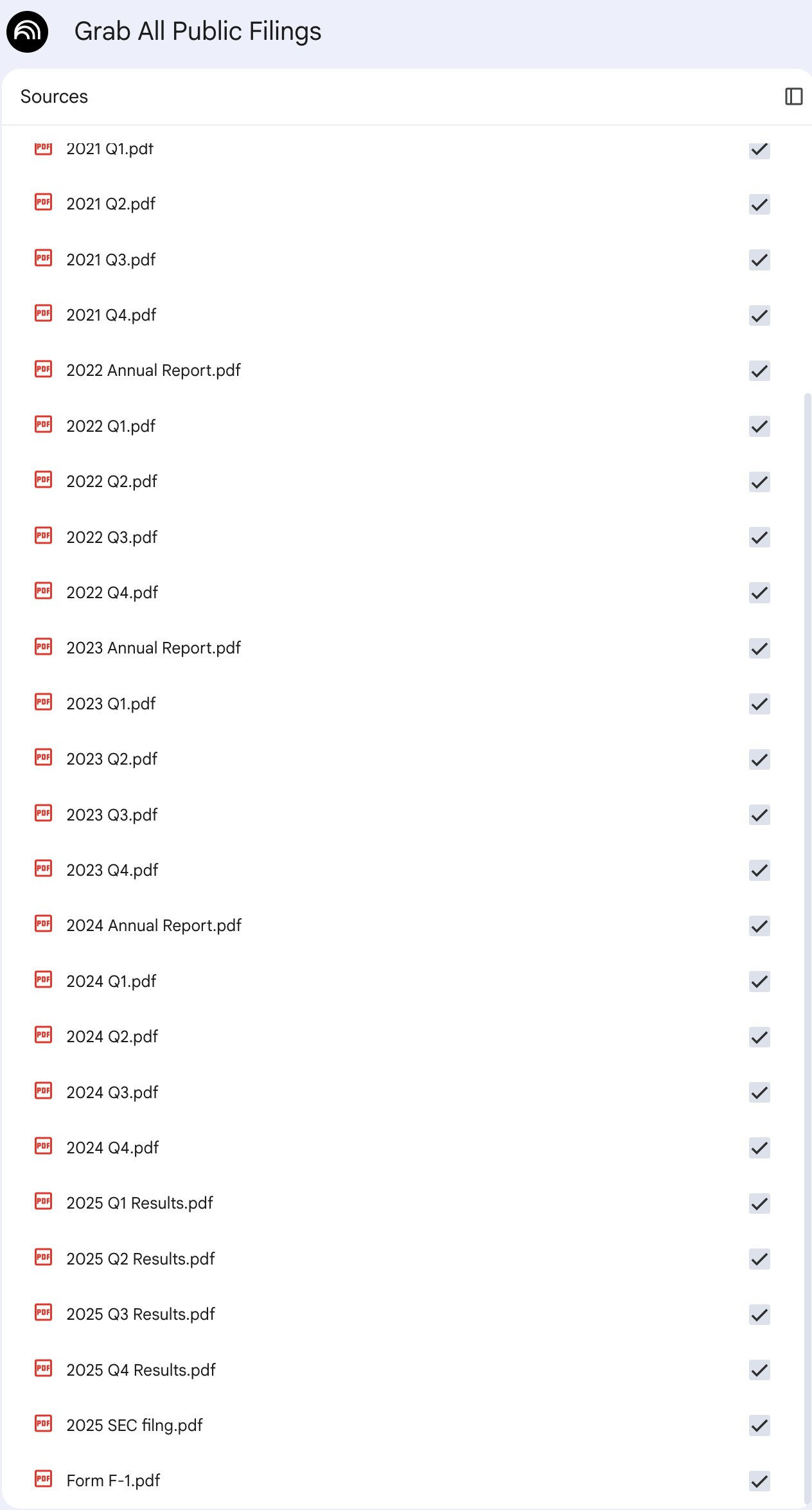
Company filings are a critical next step. I always add recent press releases, quarterly and annual reports, investor presentations, proxy statements, and earnings call transcripts. I’ve found that these documents, which can be time-consuming to read through manually, become much more manageable when fed into NotebookLM. The AI not only helps organize them but also highlights key takeaways, trends, and critical changes over time – something I might have missed if I were reading them all one by one.
Finally, I round out the research stack by incorporating industry reports, sell-side analyst notes, and any other write-ups that I find valuable. These external perspectives provide context and nuance that help round out the internal view I’m getting from the company’s own filings.
Two Notebooks per Company
To ensure that I’m getting the most objective and relevant information possible, I actually create two separate notebooks for each company I research. The first notebook is dedicated solely to primary sources – things like 10-Ks, 10-Qs, 8-Ks, and proxy statements. This notebook serves as a foundation for the company’s most thorough, official filings – documents that management is legally required to provide. By relying on these primary sources, I can eliminate any subjective opinions or biases that might arise from secondary sources.
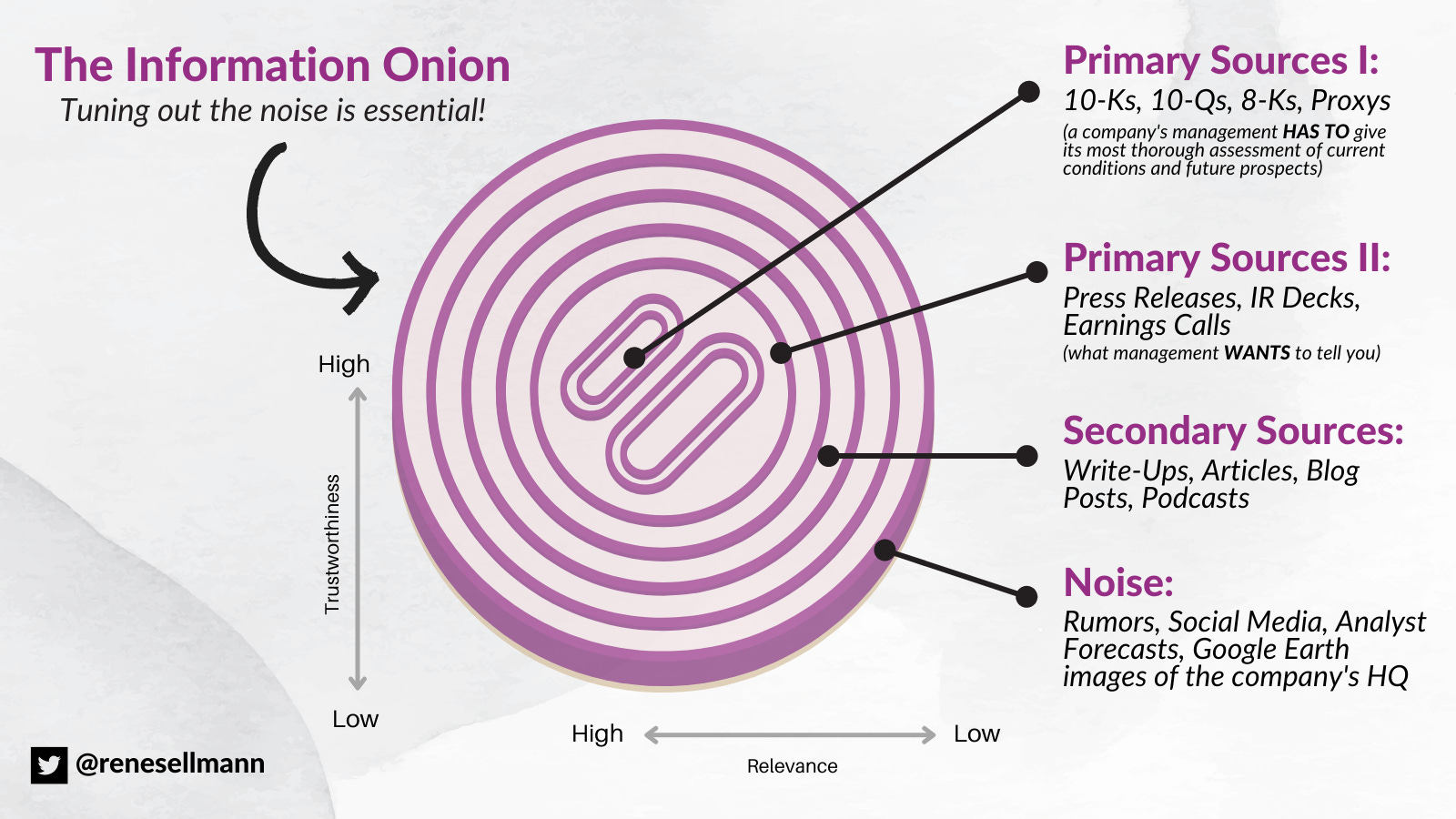
The second notebook combines both primary filings and secondary sources. This includes “secondary” materials like the aforementioned deep research reports, blog posts, write-ups, podcast transcripts, or industry articles. While secondary sources can be more subjective or even speculative, they often provide important context or alternative perspectives that can complement the hard data found in primary filings.

Once all of this is in place, I have a solid base of information to start working with. It’s like building a house: you can’t start making decisions on the structure until you have a foundation. In this case, that foundation is built with company-specific filings, industry insights, and deep AI-driven research reports.
From here, I can begin asking more specific, strategic questions that help me get deeper insights into the business’s competitive position, management team, growth potential, and risks.
Next Steps
At this point in the research process, the groundwork has been laid. I’ve gathered the necessary filings, external reports, and deep-dive research on the company. But now comes the real challenge: how do I take this foundational knowledge and apply it to gain a deeper understanding of the most important aspects of the business?
This is where NotebookLM, combined with other AI tools, becomes invaluable – not just as a data organizer, but as a key partner in sharpening my analysis.
The AI excels at refining the way I think about the company. Sure, it can sift through the reports and summarize them, but the true benefit lies in how it helps me think about the information. It becomes a tool for focused inquiry. As investors, we’re always trying to ask the right questions, and AI can significantly improve how I frame those questions. Rather than just passively absorbing information, I engage with NotebookLM to ask pointed, strategic questions about the business.
For example, one area I might want to understand more deeply is a company’s competitive advantage. How does it defend its position in the market? What barriers to entry exist for competitors? These are not trivial questions, and getting the right answer requires looking at multiple facets of the business – from product differentiation to customer loyalty and brand strength. By feeding my initial research into NotebookLM, I can ask the AI to generate deeper insights into these topics, pulling from both internal documents and external market data.
What’s interesting is how AI can help me not just with direct answers, but with exploring different angles. For instance, if I’m digging into a company’s growth drivers, the AI can suggest areas of the business I may have missed. Maybe there’s a regional expansion strategy or a new partnership that’s buried deep in the filings. NotebookLM helps highlight these opportunities by cross-referencing data and pointing me toward potential areas I wouldn’t have considered on my own.
But NotebookLM doesn’t just respond to questions I ask; it can also suggest its own. Sometimes, the AI will offer insights into areas I hadn’t thought to explore. I’ve found these suggestions incredibly valuable at times.
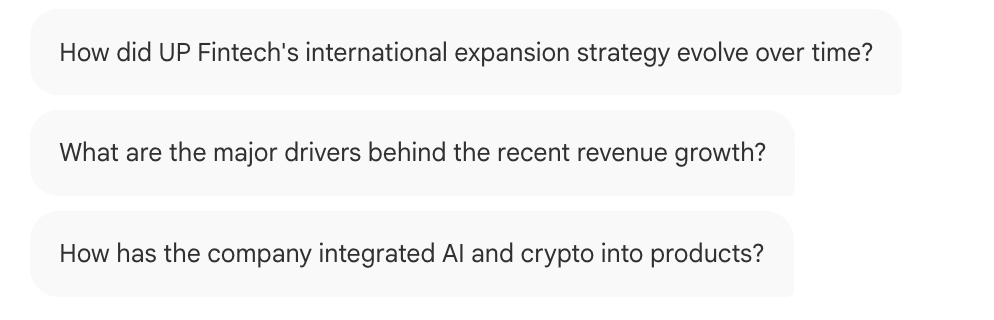
Let’s say I want to analyze the management team. The AI can scan all relevant public information about the leadership, their past performance, and their track record at similar companies. From there, I can ask more specific questions like, “Has the CEO been successful in navigating downturns in the past?” or “How does the company’s leadership style align with its long-term strategy?” This level of targeted inquiry helps me break down the leadership dynamic in a way that’s more granular and less surface-level than a simple bio or background check. Here’s another example from my recent deep dive into the London Stock Exchange Group:
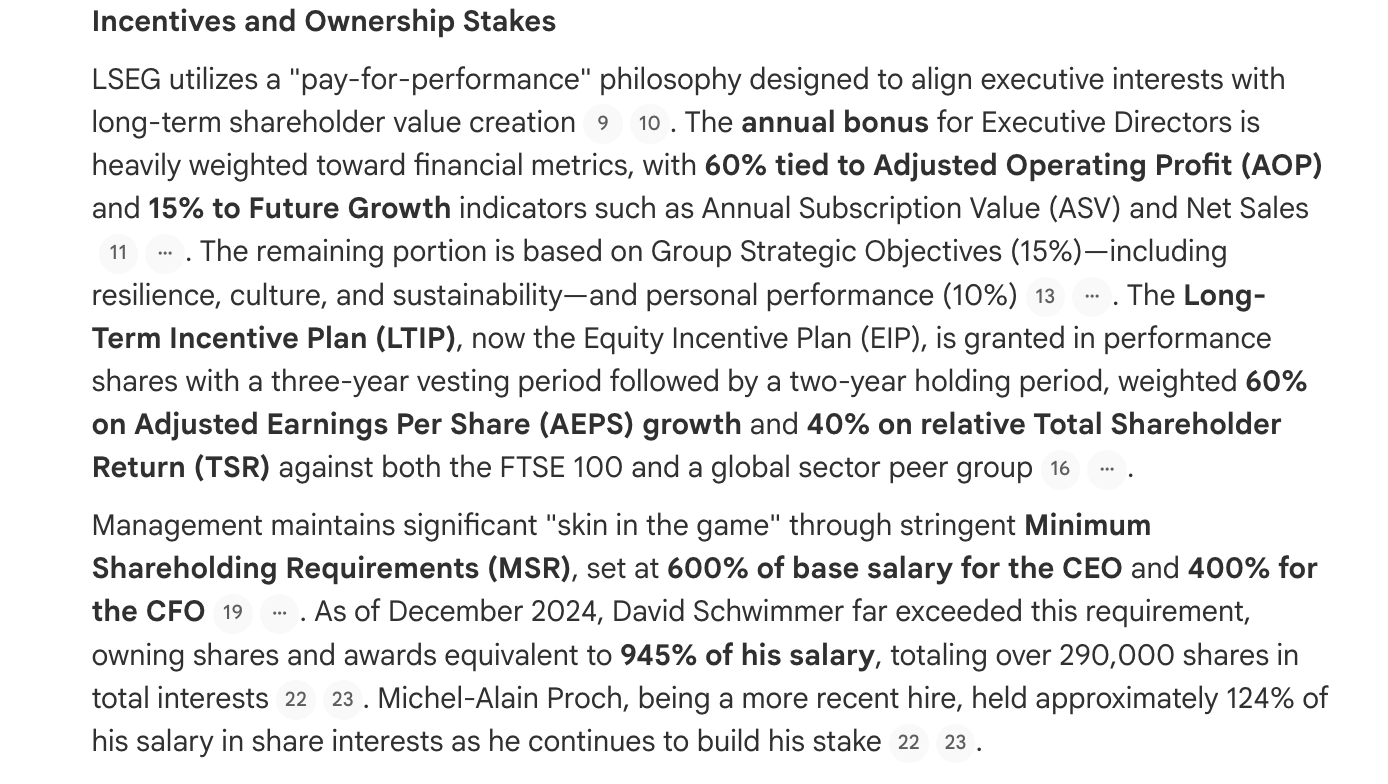
The key here is that NotebookLM isn’t simply a data aggregator – it’s a dynamic tool that fosters a back-and-forth dialogue. As I continue to work through the information, I can adjust my approach, ask deeper questions, and adjust my focus based on new insights. AI is a partner in this process, helping to uncover hidden aspects of a business that might otherwise go unnoticed.
Another powerful aspect of using NotebookLM in my research process is its ability to calculate specific metrics automatically, saving me an enormous amount of time and reducing the risk of mistakes. In the past, calculating business-specific metrics (think of adjusted margins, certain ratios, etc.) would involve manually gathering data points from multiple sources, using calculators, and constantly cross-referencing information. It’s a tedious and error-prone process. However, with NotebookLM, I can input all the relevant data, and the tool will handle the calculations for me. For instance, I recently used this feature to calculate the M&A sales multiple for Topicus, which revealed critical insights about the company’s valuation.
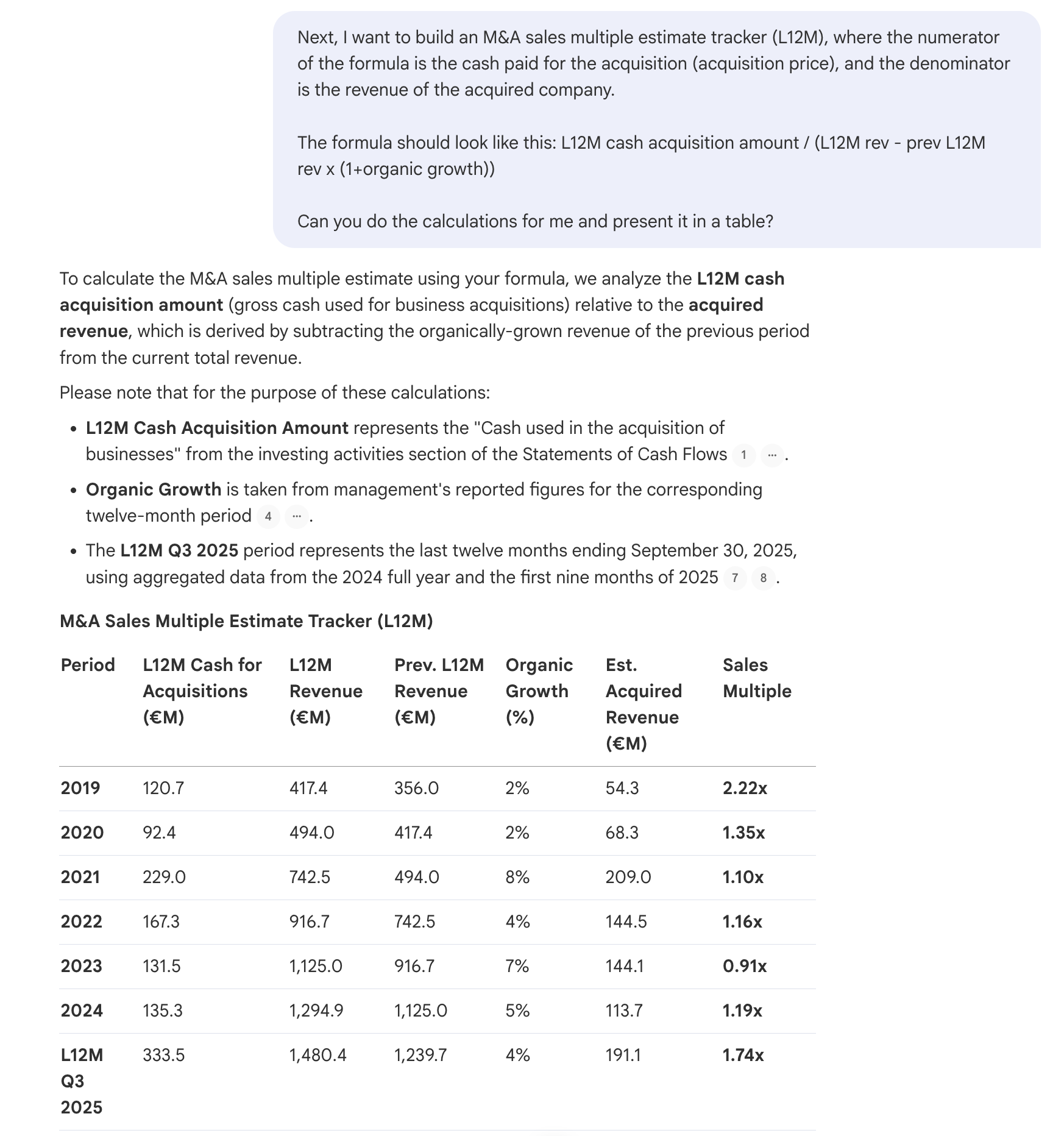
The ease and accuracy of this process allowed me to focus more on the strategic analysis, rather than getting bogged down in number-crunching.
Refining My Understanding
Once I have my foundational research in place and have begun asking the right questions with the help of NotebookLM, the next crucial step is refining the analysis. Investment research is not a one-and-done process – it’s iterative. As new insights emerge, it’s essential to adjust your understanding and reframe your questions to dig even deeper. The beauty of using AI in this context is that it makes this feedback loop faster and more efficient, ultimately leading to a more nuanced and informed investment thesis.
Sometimes, I’ll also grab my phone and chat with a different AI model – usually something like ChatGPT or Google’s Gemini. I’ll ask questions that come to mind on the spot, whether it’s about a company’s recent performance, how a competitor is positioning itself, or even general market trends. This kind of real-time, informal querying helps me stay connected to the flow of information without getting bogged down by formal processes. While NotebookLM offers the deeper, more structured analysis, these casual conversations with other AI tools add another layer to my process and help keep me agile and allow me to stay on top of any emerging questions or ideas that pop up throughout the day.

So again, ultimately, the entire process described so far is not just about gathering more information or arriving at some kind of finish line – no, it’s about continually refining one’s understanding, refining the questions, asking better questions, and digging deeper into the nuances of what’s really driving the business.
For example, if I find that the management team is performing exceptionally well in one region but struggling in another, I’ll ask the AI to explore what factors might be influencing those discrepancies. Is it a leadership issue? Cultural differences? Different CAC/LTV dynamics? Or is the business model not scaling effectively in that region?
What’s key to remember is that this process never stops. The stock market is dynamic, and as new information becomes available, the research process and your judgment must evolve with it. AI plays a crucial role here, allowing me to continuously update and refine my understanding with minimal effort.
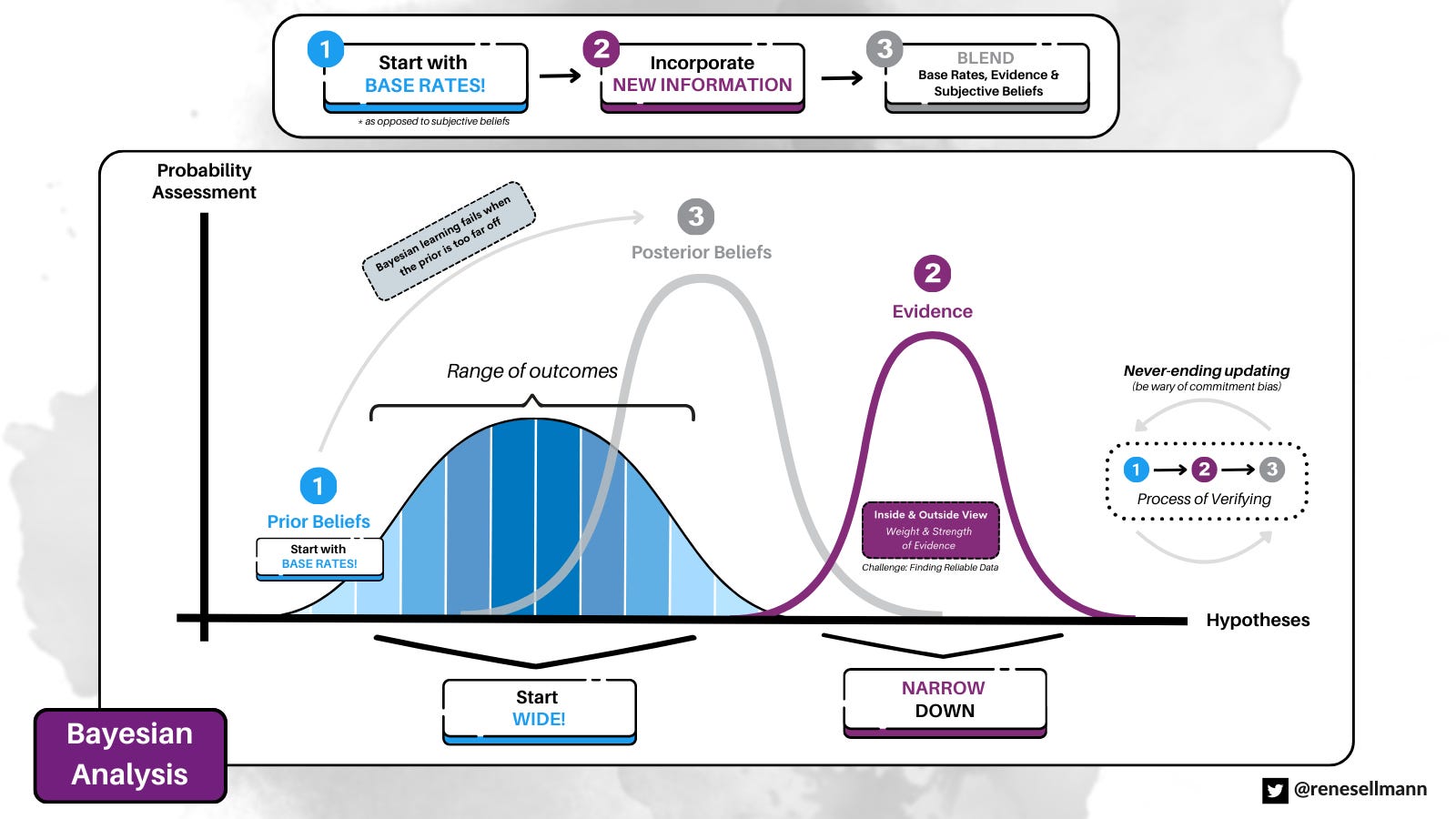
Instead of starting from scratch each time I uncover a new piece of data, I just insert it into the already existing nootbook and “chat away.”
AI in the Investor’s Toolbox: It’s Not a Replacement – It’s a Tool
As AI continues to evolve, many investors may find themselves wondering if these tools can truly replace human judgment. After all, in a field as nuanced and unpredictable as investing, the human touch is often seen as irreplaceable. My experience with NotebookLM has confirmed this: AI is not here to replace the investor’s role, but rather to enhance it. AI tools are best understood as assistants, not decision-makers.
I still do the heavy lifting when it comes to critical thinking, intuition, asking the right questions, etc. These are the aspects of investing that require experience, deep industry knowledge, a “feel” for market sentiment, and an understanding of broader economic trends – areas where AI, despite its impressive capabilities, can’t yet compete with human experience and judgment.
It’s my job to analyze the broader context, assess risks, and make the final call. AI simply helps me get there faster and with more clarity.
The real power of AI lies in its ability to sift through vast amounts of information at lightning speed. This allows me to spend less time on the boring grunt work – like gathering and organizing data – and more time on the strategic, high-level analysis.
However, I never let the AI make decisions for me. The responsibility of interpreting the data, asking the right questions, and understanding the broader picture still lies with me. AI can suggest new angles, uncover hidden risks, or offer insights into a company’s operations that I might not have noticed. But in the end, it’s my expertise and judgment that make the final call.
This partnership between human and machine is what makes AI so valuable – it accelerates the research process without diminishing the need for human oversight.
In short, AI is a tool – one that can augment the investor’s capabilities, but not replace them. As long as we remain aware of the limitations of AI, it can serve as a powerful ally in the investment process, helping to unlock new insights, streamline research, and support faster, more informed decision-making.
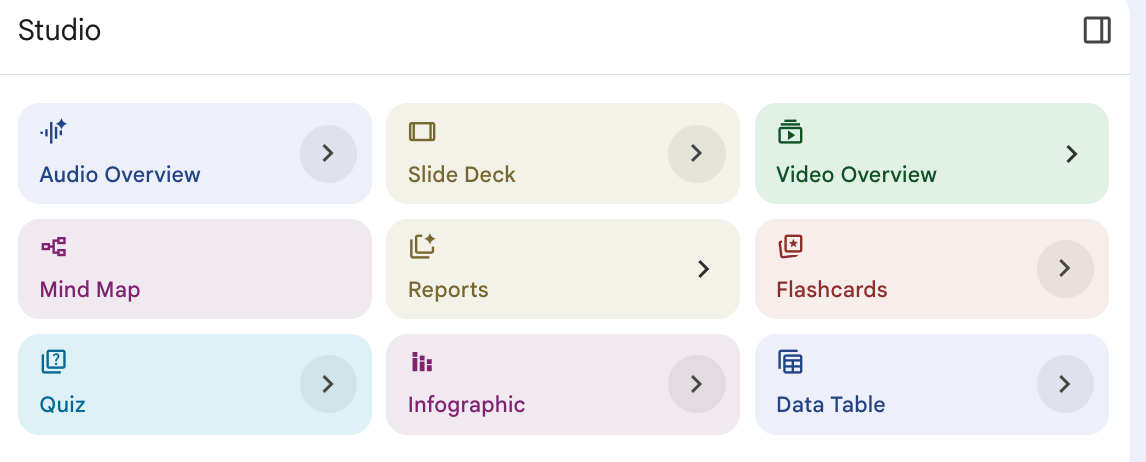
PS: I’m not using any of the features from the Studio panel btw (they’re fun to play around with, but don’t provide much value for my process).
I think the main problem with using AI is that it is not trained for investing purposes. It is simply trained to generate text on whatever subject is asked, using the most probable words from information that is generally available to the public. This is especially the case when an answer is generated using low-quality sources, and even more so when AI-generated text was used to train the model in the first place. It is hard to argue that this information has any value from a market perspective.
This is a very interesting article. Maybe I'll give it a go because I, too, struggle with the AI telling me made-up stories and being unable to track down its sources.