

Over the last few weeks, I released my 26,000-word deep dive into Fair Isaac in four distinct parts. To make this research as accessible as possible, I’ve woven all four parts of the series into this single, unified resource. I hope my paying subscribers will find it useful. Also, keep in mind that in the Substack App you should be able to access an audio version of the analysis.
You likely think of global ubiquity in terms of the technology in your pocket or the way we travel across borders. But there is a silent sovereign in the American economy that moves more volume than the tech icons we obsess over, and it does so without a single retail storefront.
Every year, Fair Isaac Corporation – better known as FICO – sells over 10 billion scores (which translates to approximately 27 million scores purchased daily).. To put that in perspective, that is roughly 40 times the number of iPhones Apple ships to the entire world in a year and nearly double the total number of passengers who board a commercial flight globally.
It is the de facto passport for financial mobility, used in 90% of all top U.S. lending decisions and serving as the primary measure of risk for over 12 trillion dollars in U.S. mortgage debt.
If you want a mortgage, an auto loan, or even to rent an apartment, you aren’t just a person – you are a three-digit number owned by a company that started in a studio apartment in 1956 with 400 dollars and a radical dream of replacing “handshake-and-vibes” lending with objective algorithms.
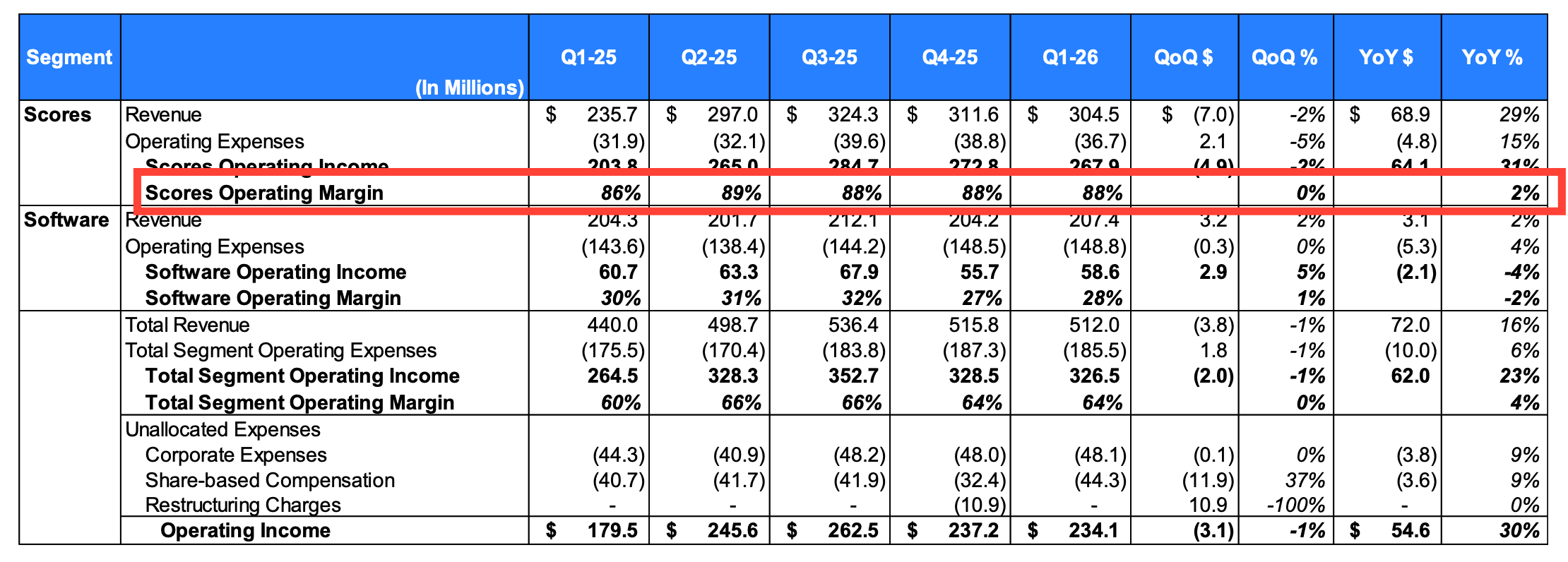
In this multi-part deep dive, I want to pull back the curtain on the most efficient toll-bridge in global finance (88% EBIT margins in the Scores segment), and why its supposedly certain downfall was just derailed by a massive regulatory reversal.
I find it fascinating how few people realize the sheer, unchecked pricing power FICO wields. Between 2022 and 2025, the company did something that would be a death sentence for almost any other business – and it brought its fair set of challenges to FICO too, to be fair. It raised the price of its mortgage scores from roughly 0.60 to 4.95 dollars by 2025. That is an 800% increase in just three years. And then again to $10.00 (or $4.95 + $33 Success Fee) for 2026 – another 2x increase.
Imagine your internet provider or utility company jacking up rates by eight times; there would be a congressional inquiry by sunset.
Yet, because FICO is the “universal language” of the mortgage market – cited in 98.8% of all securitizations – lenders simply paid the toll. The financials are the stuff of legend. The company’s core Scores segment operates with 88% operating margins. Even more staggering is the “95% Rule” – for every new dollar of revenue FICO generates through these price hikes, nearly 95 cents drop straight to the bottom line.
As of FY2024, the company turned 1.72 billion dollars in revenue into more 600 million dollars of free cash flow. It is a capital-light compounding machine that requires no factories. It is pure risk math.
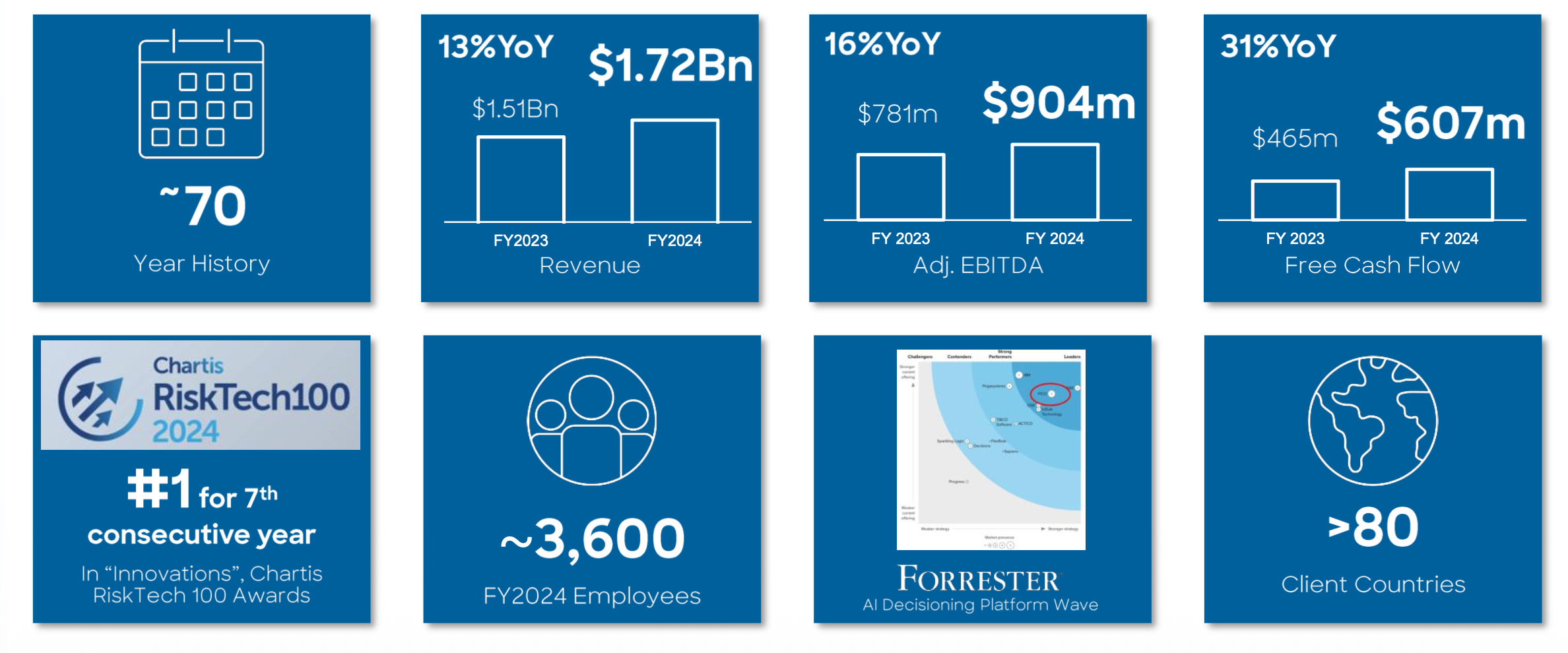
For the last 1-2 years, the primary “bear case” for FICO was built on the threat of “Lender Choice” – a regulatory push to break the monopoly by allowing competitors like VantageScore into the ecosystem. The plan was to move from a “tri-merge” (where lenders pull scores from all three bureaus) to a “bi-merge” (where they only pull two). This would have effectively stripped FICO of its guaranteed seat at the table. But everything changed in July 2025. In what some have dubbed the “Pulte Pivot,” FHFA Director Bill Pulte unexpectedly maintained the tri-merge requirement, effectively pulling all three bureaus and slamming the door on the bi-merge transition. This move preserved the existing plumbing of the mortgage market and cemented FICO’s dominance just as the market thought the “invisible engine” was about to be dismantled.
Given the excessive price hikes, this doesn’t mean the regulatory risk is “done” though.
Is the Largest Drawdown Since 2008 an Opportunity?
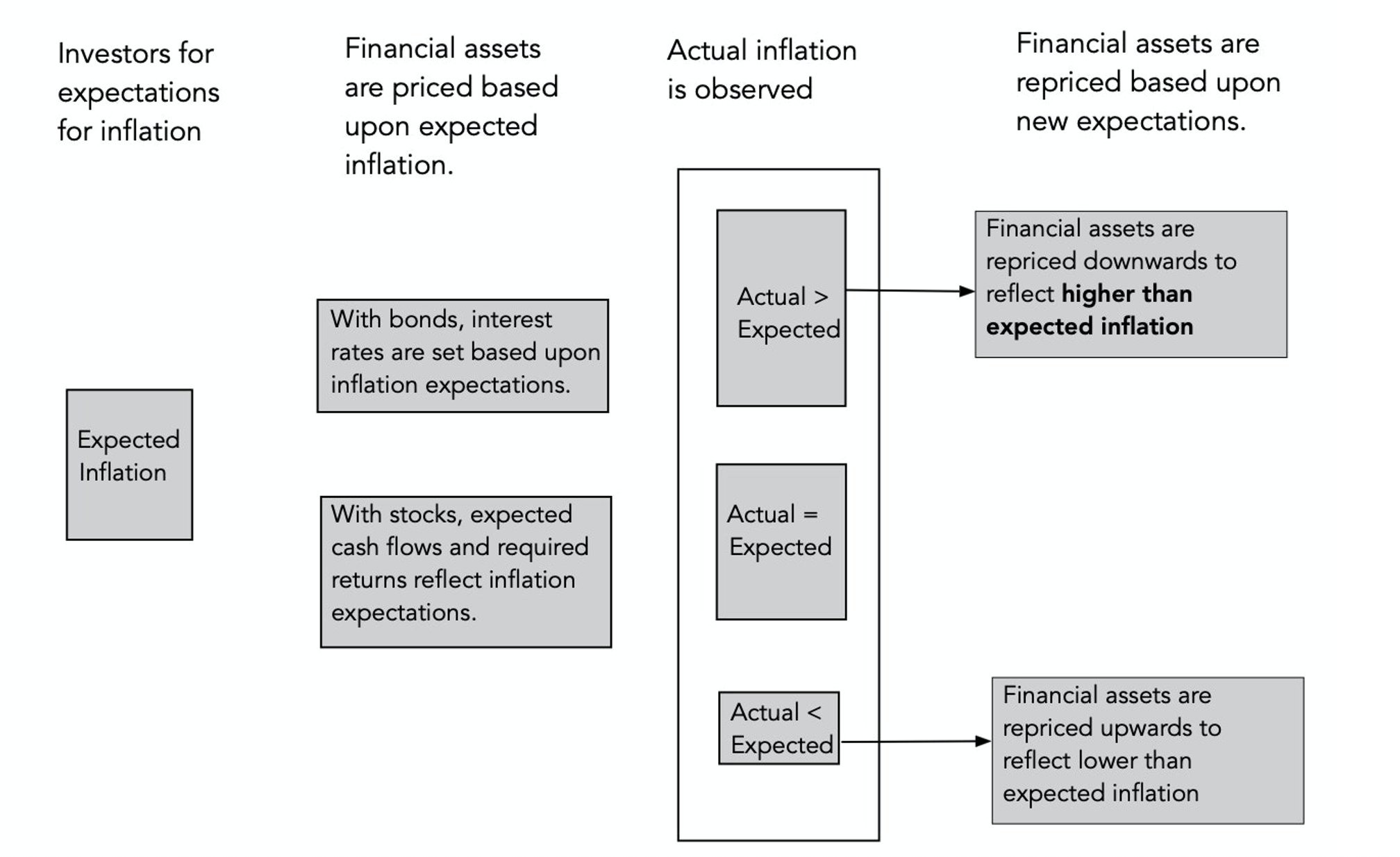
The world looks significantly more volatile than it did even a few months ago. The ongoing war with Iran has sent geopolitical shockwaves through every asset class, and we are now staring down a macro environment where inflation is expected to skyrocket.
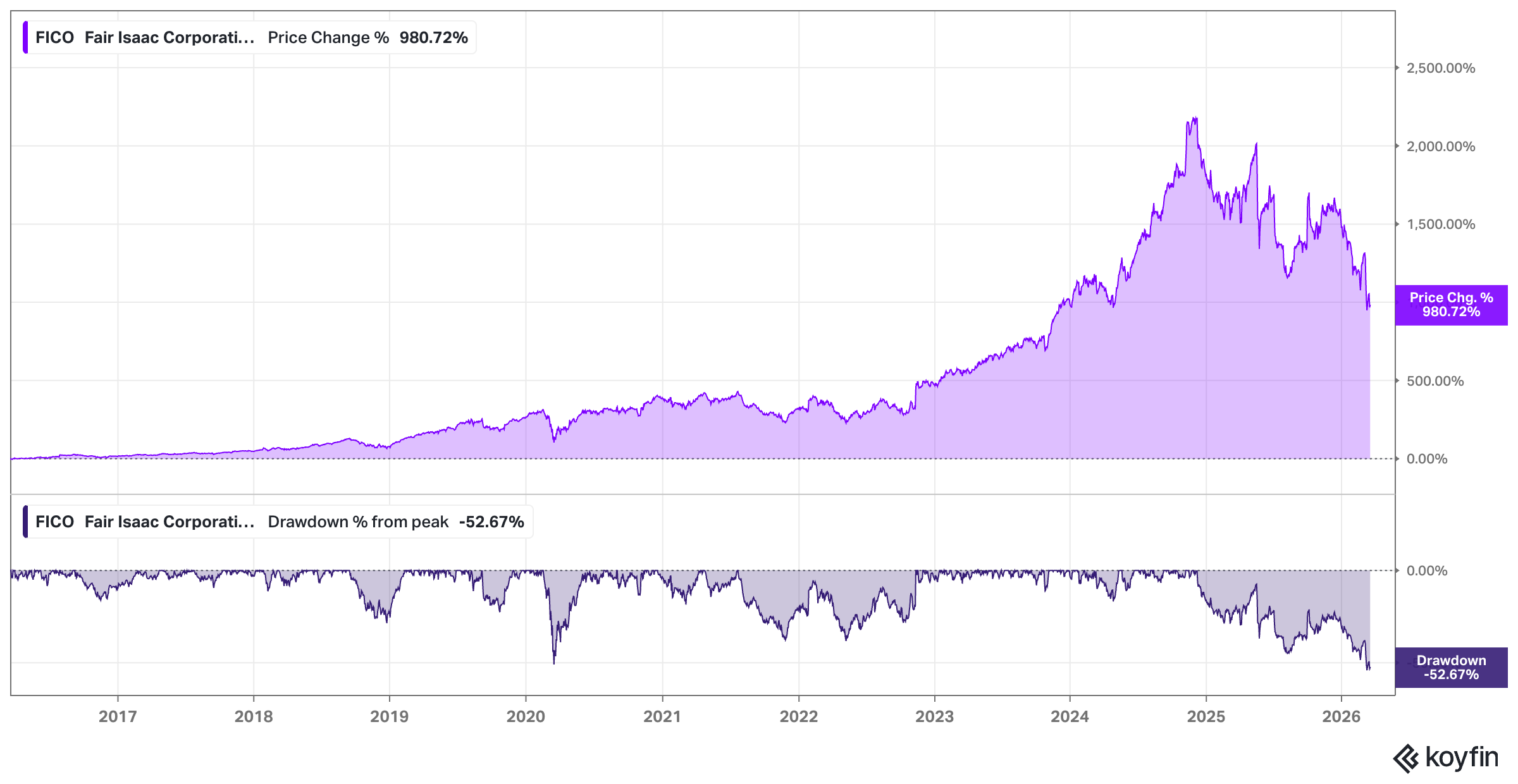
Market sentiment has turned decidedly cold. FICO is currently experiencing its largest drawdown since the Great Financial Crisis, with the stock falling 52.67% from its peak.
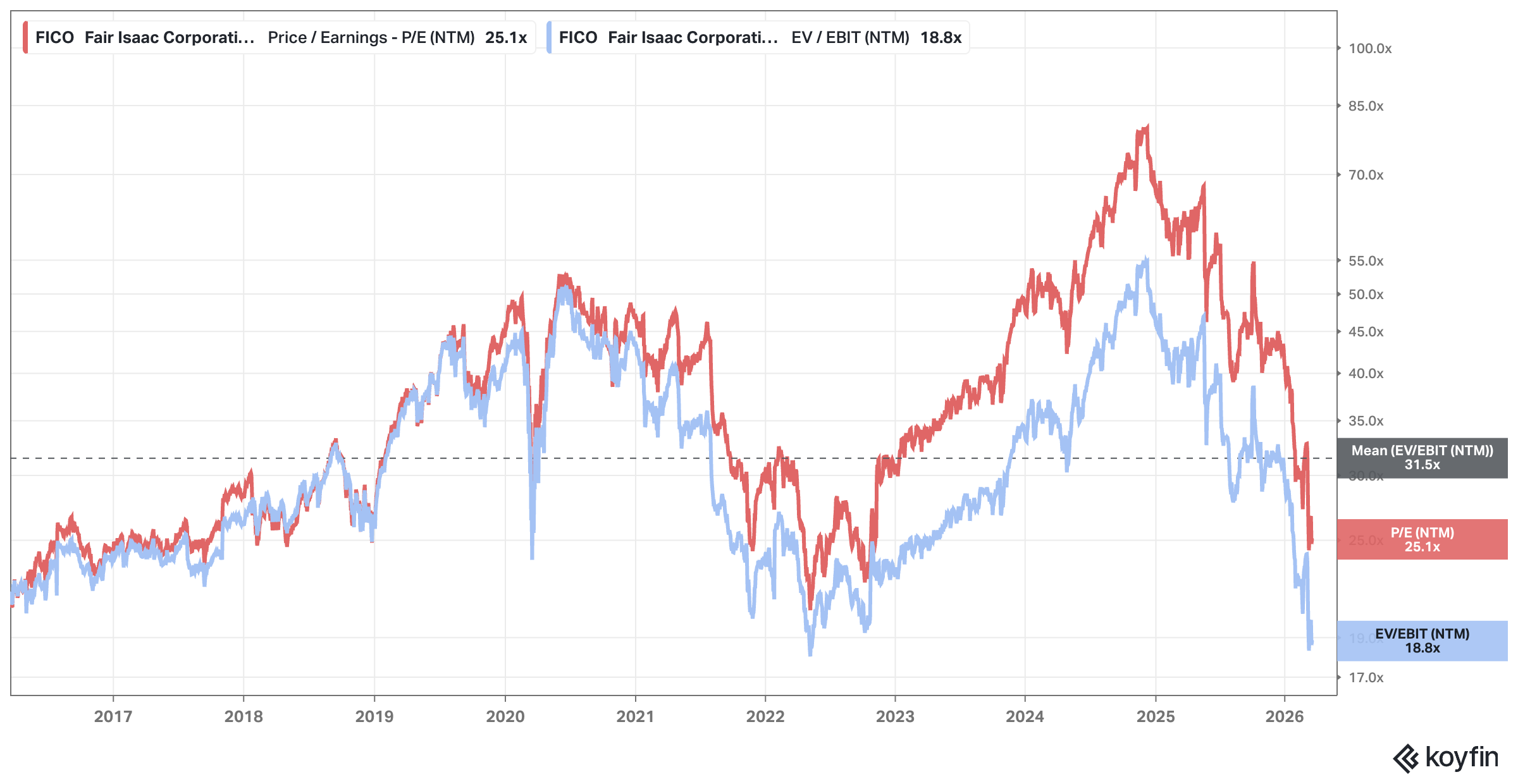
I see a market growing increasingly cautious around credit risk, fueled by concerns over debt exposure at firms like Blue Owl ($OWL) and Oracle ($ORCL). This anxiety may have contributed to the drag on FICO’s valuation, down to 25.1x NTM P/E and 18.8x EV/EBIT – well below its five-year mean of 31.5x.
You have to ask yourself: is this a warning of a broader credit event, or a generational buying opportunity for a monopoly?
So in this deep dive series, I’ll explore how FICO is positioned to navigate this era of stagflation and war, and whether the “high beams” of federal regulators are still a threat after the Pulte Pivot.
In this first part, we cover the business’s history, the business model, its products, and competitive environment (11,000 words in total).
Here’s what I will cover in this deep dive series:
“BAM BAM BAM BAM BAM” 90-Second Pitch – Why Fair Isaac and Why Now?
1) Understanding the Business
1.1. Business History
1.2. Product
1.3. Business Operations
1.4. Customers
1.5. Industry & Competitive Landscape
2) Business Quality
2.1. Competitive Advantages Analysis
2.2. Other Thoughts on Business Quality
3) Management and Governance
3.1. Management Background
3.2. Integrity, Incentives, and Compensation
3.3. Capital Allocation
3.4. Management Roasting
4) Financial Health
4.1. Balance Sheet Health
4.2. Operating Perspective
4.3. Off-Balance Sheet Items & Hidden Risks
5) Risks
5.1. Inversion
5.2. VantageScore vs. FICO: Is the Credit Scoring Giant Losing Its Grip?
6) Other Items
7) Valuation
7.1. Past Growth
7.2. Future Growth (including a TAM analysis and identifying key growth drivers)
7.3. Valuation Work
Fun Fact
Appendix
Disclaimer: The analysis presented in this blog may be flawed and/or critical information may have been overlooked. The content provided should be considered an educational resource and should not be construed as individualized investment advice, nor as a recommendation to buy or sell specific securities. I may own some of the securities discussed. The stocks, funds, and assets discussed are examples only and may not be appropriate for your individual circumstances. It is the responsibility of the reader to do their own due diligence before investing in any index fund, ETF, asset, or stock mentioned or before making any sell decisions. Also double-check if the comments made are accurate. You should always consult with a financial advisor before purchasing a specific stock and making decisions regarding your portfolio.
High-Level Thesis: “Bam Bam Bam Bam Bam”-90 Second-Hypothesis
When you think of the stock market, one of the biggest challenges is quickly determining whether a business truly has potential. As my regular readers know, Bill Miller, legendary investor, is known for his “Bam Bam Bam Bam Bam” approach to pitching stocks – which I’ve shamelessly copied.
In essence, it’s a quick pitch that gets straight to the point: Why is this a great business? Miller’s style demands clarity and precision, with just five reasons why an investment could make sense. So, let’s apply this framework to Fair Isaac Corporation (FICO), a company that may not be on everyone’s radar, but absolutely should be.
Here we go …
BAM #1 – Indispensable Industry Standard: FICO’s scores are the industry standard. In fact, 90% of top U.S. lending decisions use FICO scores. Beyond that, FICO scores dominate the secondary market for securitizations, with 98.8% of U.S. securitizations – a financial process that pools income-generating assets (such as mortgages, auto loans, or credit card debt) and converts them into marketable securities – using FICO to communicate credit risk to investors. This is a business that has become synonymous with credit risk, and replacing FICO would be like changing the engine of a plane mid-flight – a daunting task.
BAM #2 – Unmatched Pricing Power & Value Gap: FICO is in the midst of a remarkable pricing transformation. After decades of keeping prices flat, FICO raised its wholesale mortgage score price from about $0.60 to $4.95 by 2025 – an eye-popping 800% increase –, and $10 by 2026. Despite this hike, FICO’s fee still represents a negligible 0.2% of average mortgage closing costs. This leaves ample room for further price hikes – at least if you have a long-term view (less so in the near term) – without significantly impacting volume.
BAM #3 – Elite Margin Profile: FICO’s Scores segment boasts near-monopoly margins, with 88% – yes, you read that right! – operating margins in Q1 2026. The key here is the low incremental cost structure: the core algorithms, developed decades ago (but frequently updated), require minimal investment to scale. That means when FICO raises prices or increases volume, almost every new dollar drops straight to the bottom line.
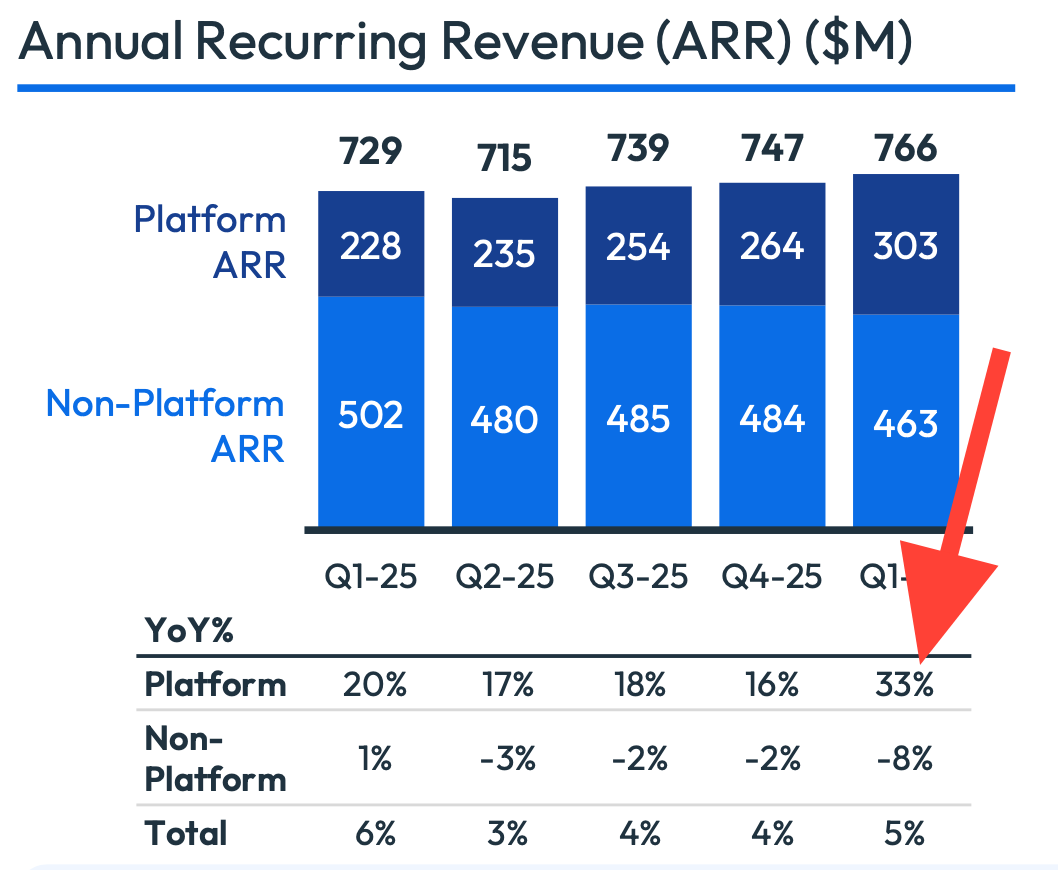
BAM #4 – Strategic SaaS Transformation: FICO is transitioning its Software business from legacy on-premises applications to a cloud-native platform. This transformation is paying off, with platform-specific Annual Recurring Revenue (ARR) growing at over 30% in Q1. The company’s “land and expand” strategy is also working well, with existing customers spending significantly more as they adopt new decision-making use cases. This positions FICO for long-term growth in the SaaS space.
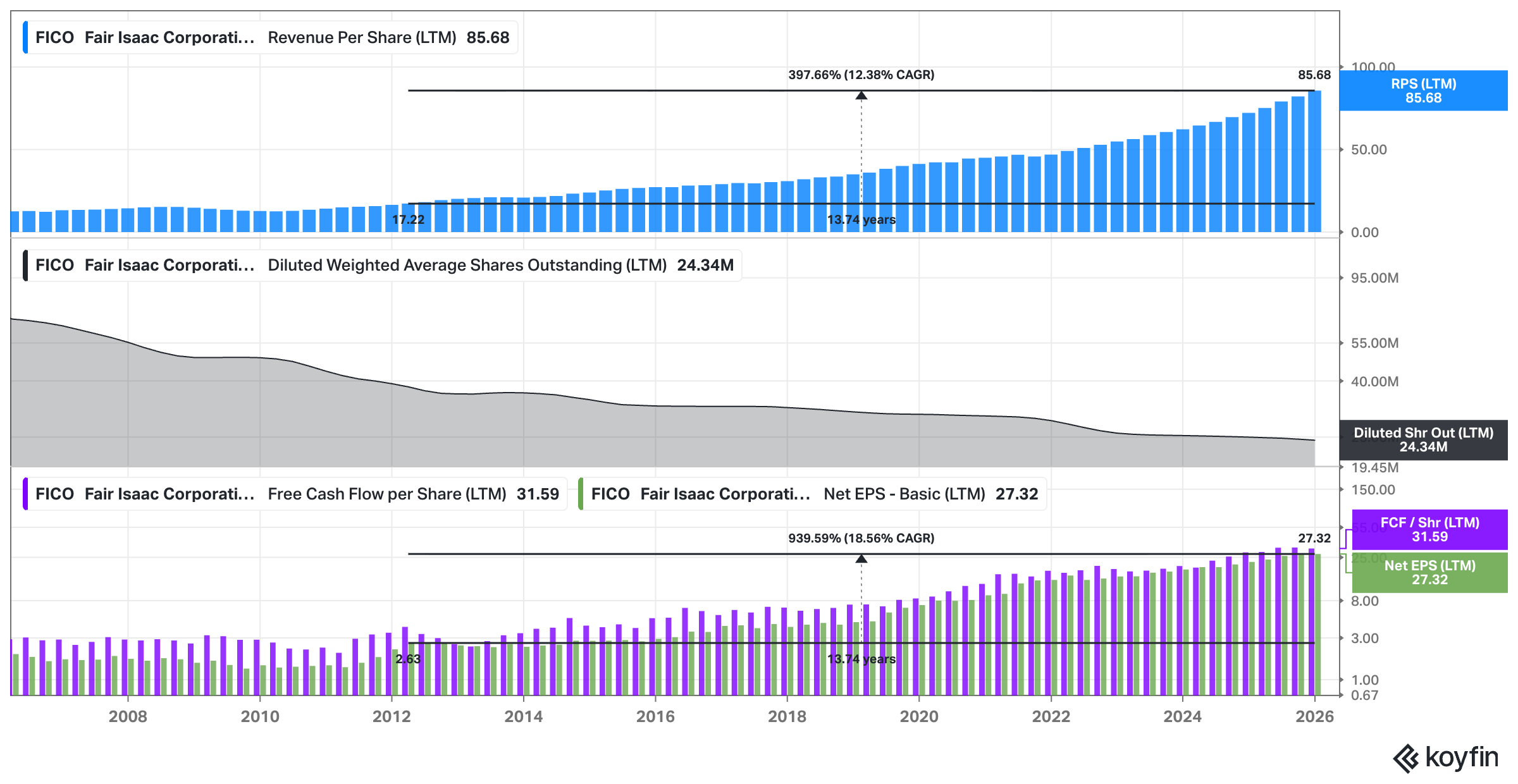
BAM #5 – Aggressive, Shareholder-Aligned Capital Return: FICO has used its cash flows to buy back stock aggressively, reducing its share count by 30% over the past decade, leading to incredibly fast profit per share growth. In fiscal 2025 alone, the company returned $1.4 billion to shareholders via buybacks.
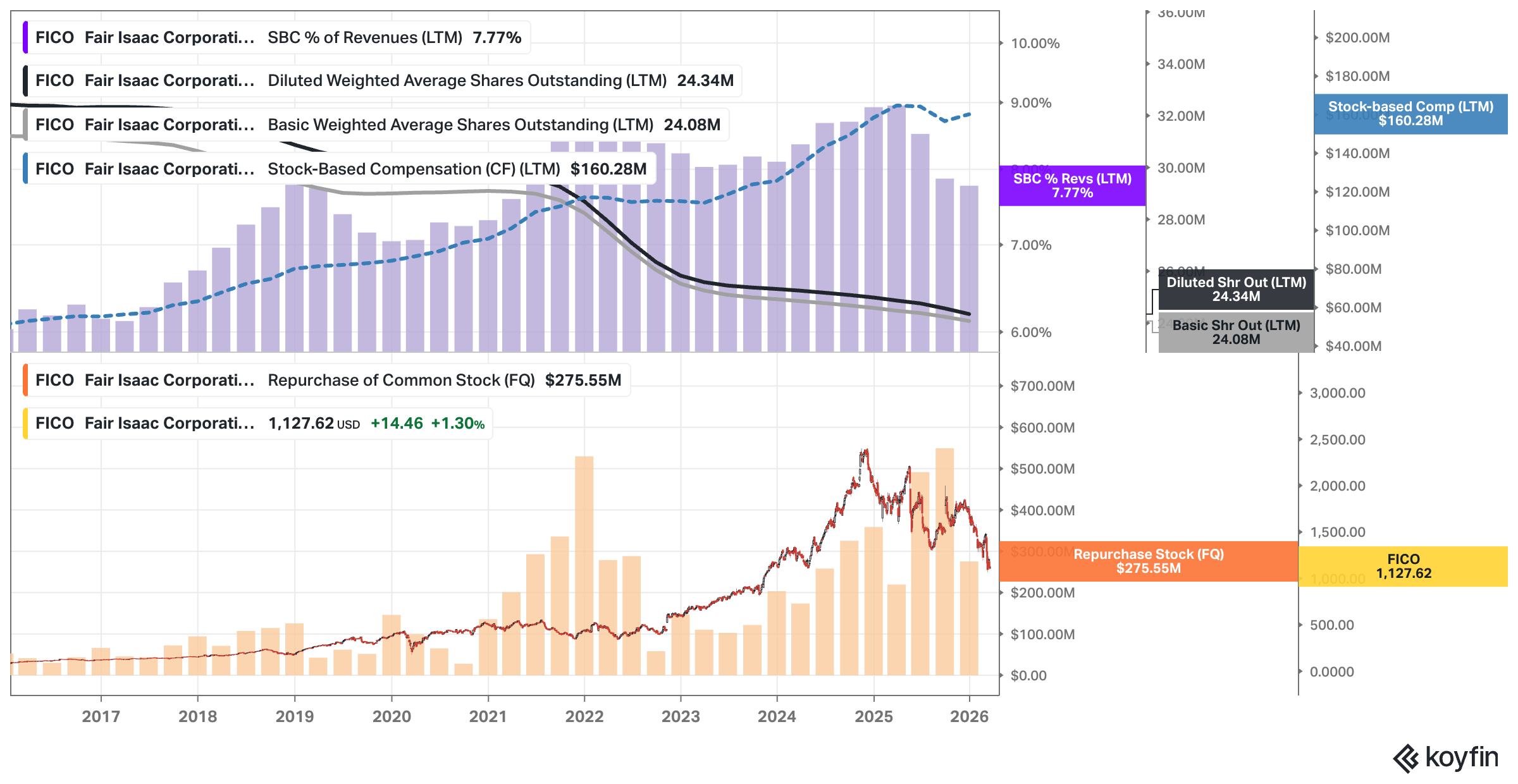
This strategy has led to a stellar 18% EPS CAGR over the last 13 years, far outpacing its 8-9% revenue growth (not per share revenue growth as displayed in the chart below). Simply put, FICO is showing its commitment to delivering value to shareholders.
As we enter 2026, FICO finds itself at a rare entry point. The stock has experienced a 52% price drop from its highs, making it a possibly attractive buy for long-term investors.
So why the drop?
What Went Wrong?
Despite FICO’s strong business fundamentals, the company hasn’t been immune to challenges. The key issues that have weighed on the stock recently are:
Regulatory Breach of the Monopoly: The FHFA’s formal transition to a “Lender Choice” model has opened the door for VantageScore 4.0 to compete directly with FICO in the market for Fannie Mae and Freddie Mac loans. While this introduces competition and substitution risk, it’s not an existential threat to FICO’s dominance – yet.
Volume and Revenue Contraction Risks: The potential shift from a “tri-merge” model, requiring three credit scores, to a “bi-merge” model, requiring only two, has the potential to reduce FICO’s score volume by as much as one-third per application. This could directly impact revenue growth in the short term.
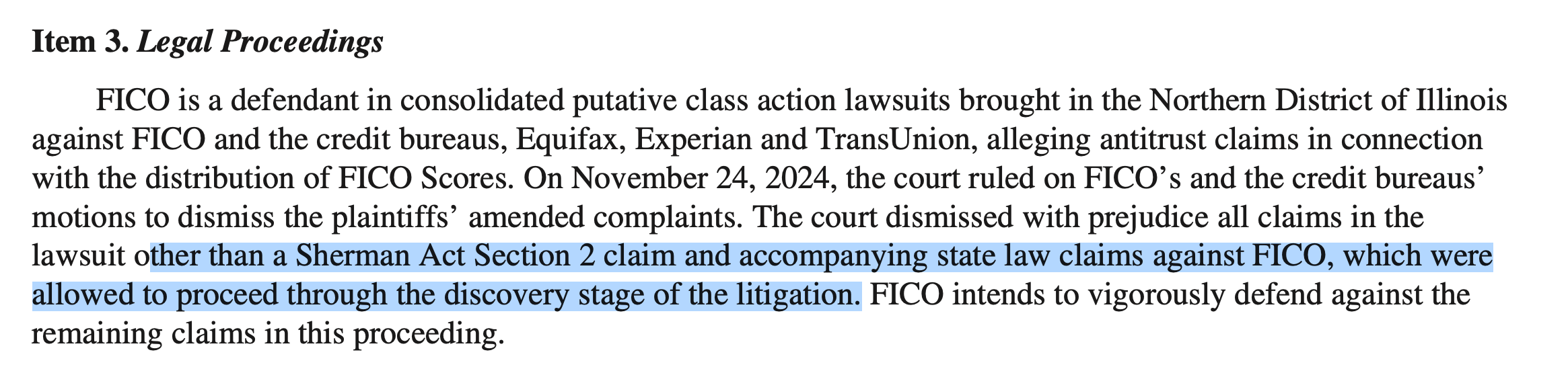
Intensifying Antitrust Scrutiny: FICO is currently defending itself in the “In re FICO Antitrust Litigation” case, which addresses its distribution practices and “transmission fees.” While it’s early in the legal process, the outcome could have implications for FICO’s cost structure.
“On November 24, 2024, the court ruled on FICO’s and the credit bureaus’ motions to dismiss the plaintiffs’ amended complaints. The court dismissed with prejudice all claims in the lawsuit other than a Sherman Act Section 2 claim and accompanying state law claims against FICO, which were allowed to proceed through the discovery stage of the litigation. FICO intends to vigorously defend against the remaining claims in this proceeding.“ - FY25 Annual Report
Software Segment Growing Pains: FICO’s transition to a SaaS model has not been entirely smooth. Despite strong growth in its Scores business, its Software segment grew a mere 2% in Q1 2026, possibly raising concerns among investors about the potential monetization lag this segment.
Part 1 – Understanding the Business
1.1. History: The Evolution of a Global Risk Standard
The story of Fair Isaac Corporation (FICO) is one of innovation, adaptation, and an unwavering commitment to shaping how credit risk is understood and quantified. From its humble beginnings in a small apartment to becoming a critical part of the global financial ecosystem, FICO has grown into the architect of the pervasive credit risk standard in the United States, serving thousands of businesses across over 100 countries. Let’s take a look at how this company evolved over the years to become a cornerstone of modern financial systems.
Founding and Early Innovations (1956–1980s)
Before we start with FICO itself, it’s worth highlighting how lending decisions were made historically – way back in the day! For most of the twentieth century, the world of credit was remarkably small, intimate, and – by today’s quantitative standards – frustratingly arbitrary. If you needed a loan to buy a home or expand a storefront, you didn’t appeal to an abstract score. You appealed to a person. Usually, this meant sitting across from a local bank manager who, at best, knew your family, your reputation, and perhaps even where you went to church. Decisions were built on a foundation of trust and familiarity that simply doesn’t scale in a modern economy. I find it fascinating how much weight was placed on a simple handshake.
If the manager liked your story, you were in. If he didn’t? You were out.
It was a gatekeeper’s paradise. There was no recourse and no objective data to prove him wrong.
This extreme subjectivity created a massive efficiency problem for the financial system. And because there was no standardized way to measure risk, lending was essentially a binary outcome. You either qualified for the prevailing interest rate or you were rejected entirely.
The concept of risk-based pricing – where you might pay a slightly higher rate because your profile is a bit thinner – simply didn’t exist yet. Everyone who was approved essentially paid the same price for capital. Think about that for a second. A doctor with twenty years of practice and a young baker starting her first shop would receive the same terms, provided they both cleared the manager’s subjective “trust” hurdle. This lack of nuance meant that banks were constantly leaving money on the table. They couldn’t comfortably lend to anyone outside their immediate social or geographic circle because they had no way to price that uncertainty. You were either a known quantity or a total mystery. There was no middle ground. It was an incredibly rigid way to run a national economy.
This brings us to Fair Isaac.
FICO’s journey began in 1956 when engineer Bill Fair and mathematician Earl Isaac – do you see where today’s name is coming from? –, both visionary thinkers, founded the company with a simple but powerful idea: to apply mathematical algorithms to make lending decisions more objective and standardized. The duo met at the Stanford Research Institute, and based on just $400 in personal investments (equivalent to approximately $5,000 today), they set up shop in a studio apartment in San Rafael, California.
In 1958, FICO achieved its first major milestone by selling its first credit scoring system to the American Investment Company (AIC). This was the beginning of a long journey toward mainstream adoption. Early on, these scoring systems were tailored to individual needs and were labor-intensive, often relying on physical paperwork and borrowed computers to process the data. Despite these challenges, it marked the birth of a product that would eventually reshape the credit industry.
The Equal Credit Opportunity Act of 1974 proved to be a pivotal moment in FICO’s growth. The legislation made it illegal to discriminate against applicants based on factors like gender or marital status, creating a powerful incentive for lenders to adopt more objective, data-driven methods of credit evaluation. FICO’s algorithmic scoring models provided a solution, helping lenders demonstrate that their decisions were merit-based and unbiased, thus propelling the company’s growth.
In the 1970s and 1980s, FICO expanded its reach as credit bureaus (nowadays officially known as Consumer Reporting Agencies or CRAs) – essentially, private companies that collect and manage data about your financial behavior – began consolidating. For context, by 1965, at the peak, the trade association for these companies (now known as the Consumer Data Industry Association) had over 2,200 members.
FICO recognized an opportunity to develop models that could be applied universally across different datasets. In 1981, they introduced “PreScore,” the first standardized credit bureau risk score, which laid the groundwork for the universally recognized FICO Score.
The company also went public in 1987 on the NYSE, marking a new chapter in its evolution.
Establishing the “Industry Standard” (1989–2011)
FICO’s true breakthrough came in 1989 with the introduction of the now-famous FICO Score, ranging from 300 to 850.
When researching FICO, I was asking myself why the score doesn’t start at zero. So I’ve looked into the origins of the FICO scale and realized that starting at zero would be a mathematical nightmare for lenders because it implies an absolute certainty of default. Bill Fair and Earl Isaac chose the 300–850 range to provide enough “ticks” on the scale for high–resolution risk assessment. This spread allows for a concept called log–odds, where small point increases represent a doubling of your creditworthiness.

As we’ve learned, before 1989, determining creditworthiness was essentially a Wild West of subjective judgment calls. When FICO finally introduced its standardized 300 – 850 range, it fundamentally rewired the plumbing of the American financial system. FICO’s algorithm effectively turned personal behavior into a quantifiable asset class. It relies on five distinct variables, but the heavy lifting comes from your payment history and total debt levels – accounting for 65% of the total weight. You see, the model prioritizes consistency over sheer net worth. It functions as a track record. One slip-up on a mortgage payment carries more weight than a decade of on-time utility bills.
The remaining fragments of the score – length of history, credit mix, and new inquiries – serve as the fine-tuning for risk assessment. I find it fascinating that the algorithm rewards complexity. If you only hold a single credit card, the system views you as an unproven entity. It wants to see you juggle different types of debt, like an installment loan alongside revolving credit, to prove you can handle diverse financial obligations. Applying for a flurry of new accounts usually triggers a red flag because it signals a sudden, desperate thirst for liquidity. Keep it steady. This balance between the age of your oldest accounts and the freshness of your new ones creates a profile that lenders can actually trade against. It changed everything.
FICO’s standardized score quickly became the go-to method for assessing credit risk. Lenders embraced the simplicity and reliability of this scoring system, and it became a key part of their decision-making process.
Then, FICO reached a watershed moment in 1995 when Fannie Mae and Freddie Mac, the U.S. government-sponsored entities (GSEs), required the use of the FICO Score for all conforming mortgage originations. This move solidified FICO’s position as the industry standard, as it became the “lingua franca” of credit risk, enabling the mass securitization of debt. Investors demanded a consistent and reliable benchmark to assess loan pools, and FICO’s scoring system met that need.
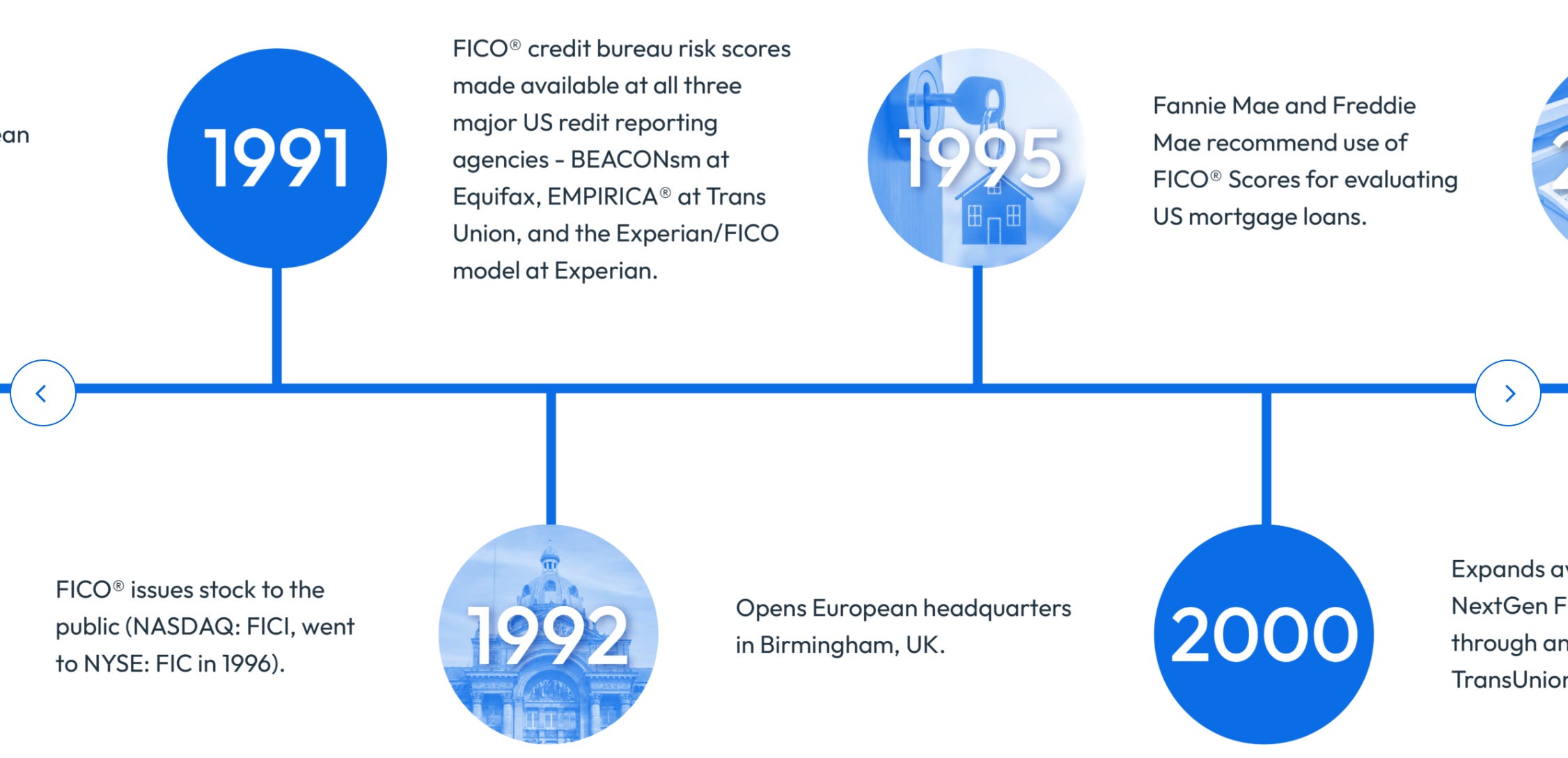
Throughout the 1990s and 2000s, FICO diversified its offerings beyond credit scoring. The company expanded into decision software with the launch of products like Falcon Fraud Manager, a tool that now protects around two-thirds of all credit card transactions worldwide. This diversification helped FICO cement its reputation as not just a score provider, but as a comprehensive risk management partner for businesses.
Leadership Change and Strategic Pivot (2012–Present)
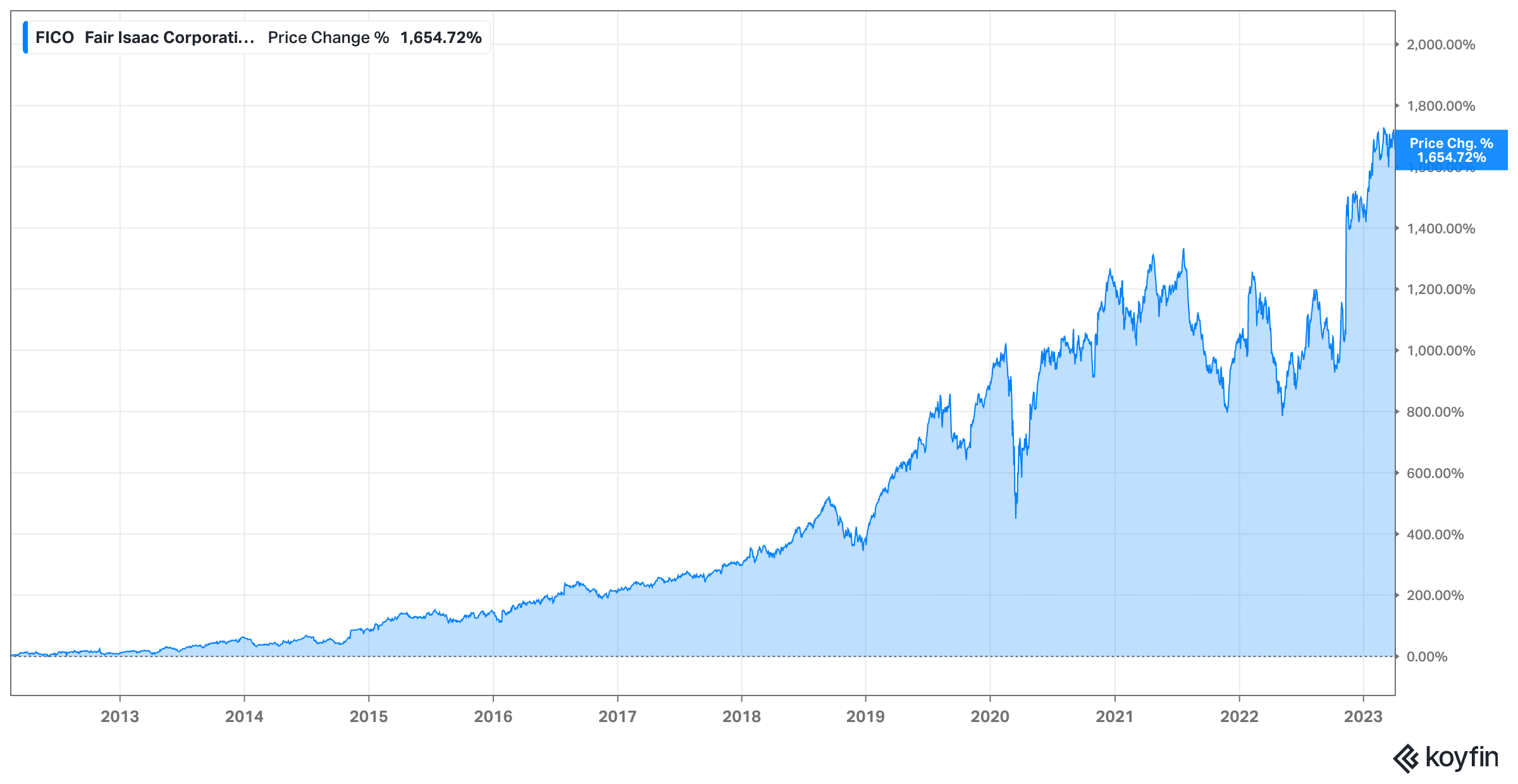
A significant shift occurred in 2012 when William J. Lansing was appointed CEO. Under Lansing’s leadership, FICO embarked on a path of modernization and aggressive monetization. This shift paid off in a big way: by 2023, the company’s stock price had increased approximately sixteen-fold. Lansing’s strategic vision positioned FICO to capitalize on both its legacy business and new growth opportunities in cloud-based software.
Importantly, for nearly three decades, FICO kept its prices largely unchanged, prioritizing widespread adoption. However, in 2018, the company began a strategic pricing shift, particularly in the mortgage sector. The price of wholesale mortgage scores jumped from around $0.60 to nearly $5.00 by 2025 – an 800% increase! This dramatic pricing move, although controversial, is a reflection of FICO’s growing recognition of the immense value it provides in the financial ecosystem.
FICO’s leadership recognized the growing importance of cloud-based technologies and embarked on a massive, multi-year investment to transition from legacy on-premises solutions to the cloud-native FICO Platform. As part of this transformation, FICO also divested non-strategic businesses such as its Cyber Risk Score (2020), Collections and Recovery (2021), and Siron compliance (2023).
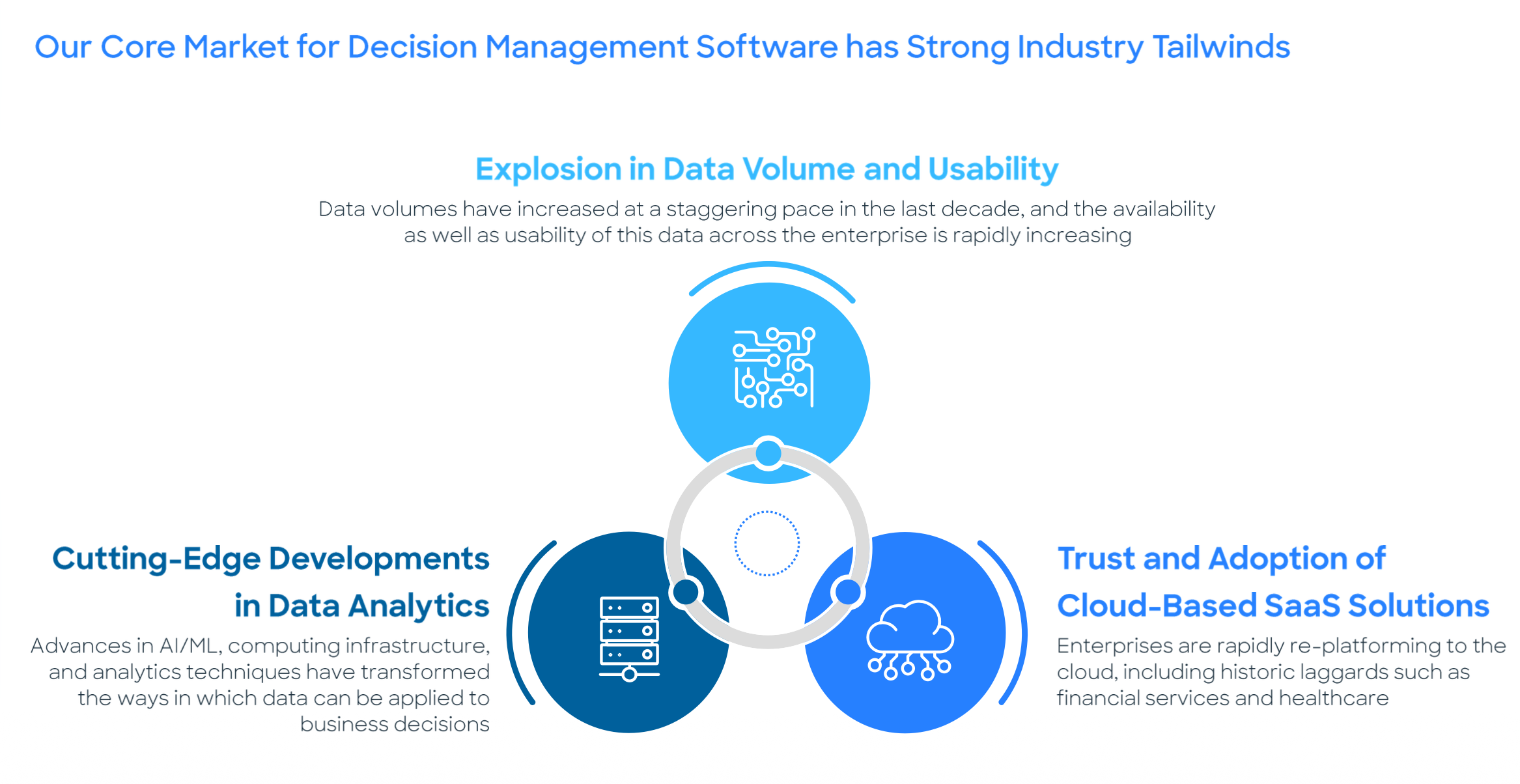
This focus on cloud-based software has set the stage for FICO’s future growth, with Annual Recurring Revenue (ARR) from platform-specific offerings growing at over 30% annually.
To align its operations with the new platform-first strategy, FICO merged its Applications and Decision Management Software segments into a unified Software segment in 2021.

This consolidation aimed to streamline operations and improve the company’s focus on its evolving cloud-based platform. In 2022, Stephanie Covert was appointed as the first leader of the newly unified software group, bringing fresh leadership to an increasingly complex and global business.
Challenges and Strategic Controversies
The 2008–2009 financial crisis was a difficult period for FICO, as lenders pulled back on extending credit in the wake of the housing crash. This resulted in a nearly 27% drop in Scores revenue, highlighting the company’s sensitivity to economic downturns. However, FICO’s adaptability and position in the credit risk ecosystem allowed it to rebound in the years following the crisis.
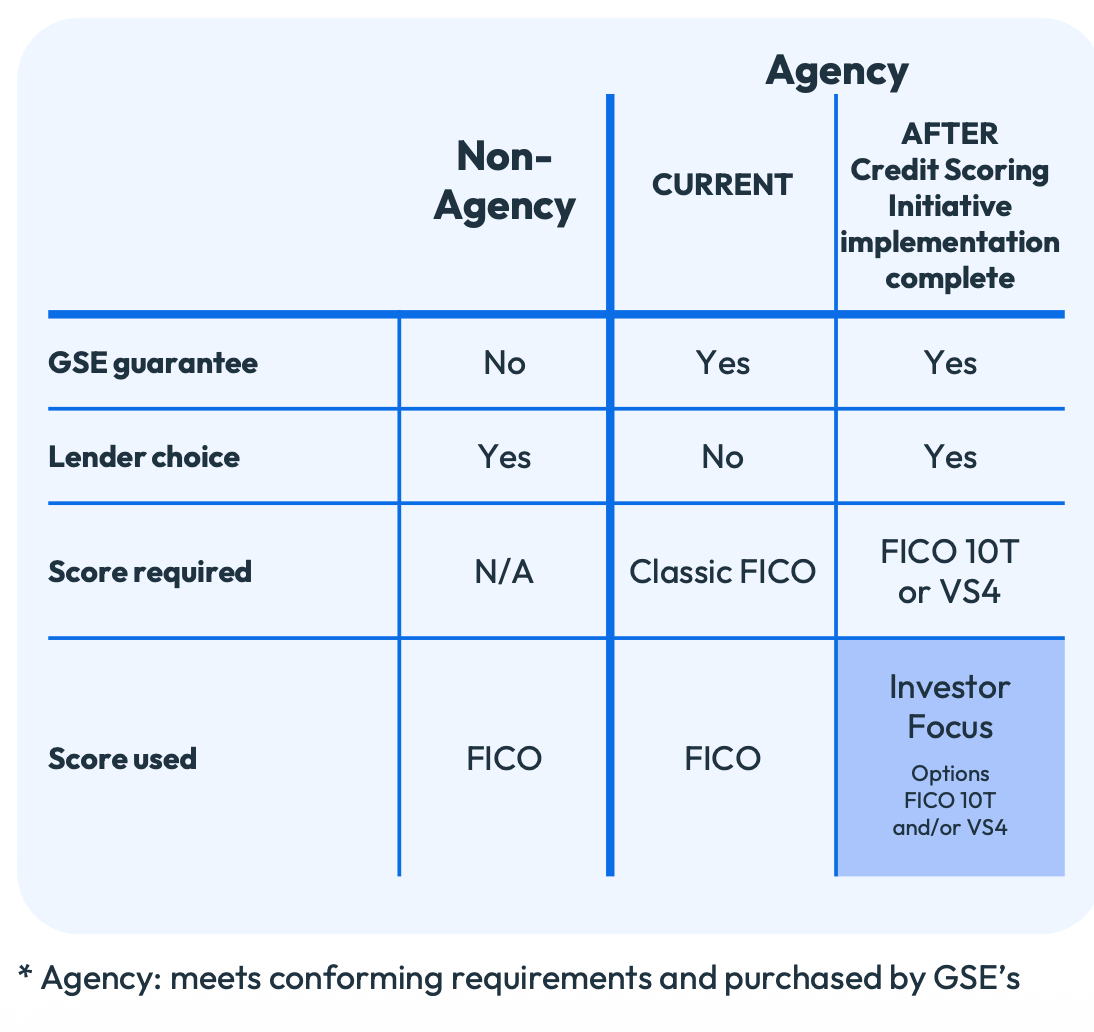
In 2022, the Federal Housing Finance Agency (FHFA) approved the use of VantageScore 4.0 for GSE mortgages, ending FICO’s long-standing monopoly on GSE-originated loans.
This regulatory change, which introduced a “Lender Choice” model, has posed a significant challenge to FICO’s traditional business model. The company has responded by promoting its more predictive FICO 10T model and introducing the Mortgage Direct License Program in 2025 to circumvent traditional credit bureau distribution channels.
FICO’s pricing model has come under increasing scrutiny in recent years. The company’s aggressive price hikes and “transmission fees” – charges imposed on credit bureaus for delivering FICO scores – have led to legal battles, including the ongoing “In re FICO Antitrust Litigation.” Additionally, U.S. lawmakers have raised concerns about potential price gouging in the mortgage market. These legal and regulatory challenges could pose risks to FICO’s growth and profitability.
There’s, of course, more to all of this, and we will discuss the FHFA’s shift and the risk it presents to FICO in depth in part 5 (risks).
Finally, FICO has faced criticism for its models, which some argue may disadvantage groups with limited credit histories. In response, the company has focused on broadening financial inclusion by investing more than 50% of its Scores R&D into products designed to include individuals with limited credit history, such as UltraFICO and FICO Score XD.
1.2. Product
FICO, a leader in credit risk management, operates through two primary reportable segments:
Scores and
Software
Both of which can be further subdivided.
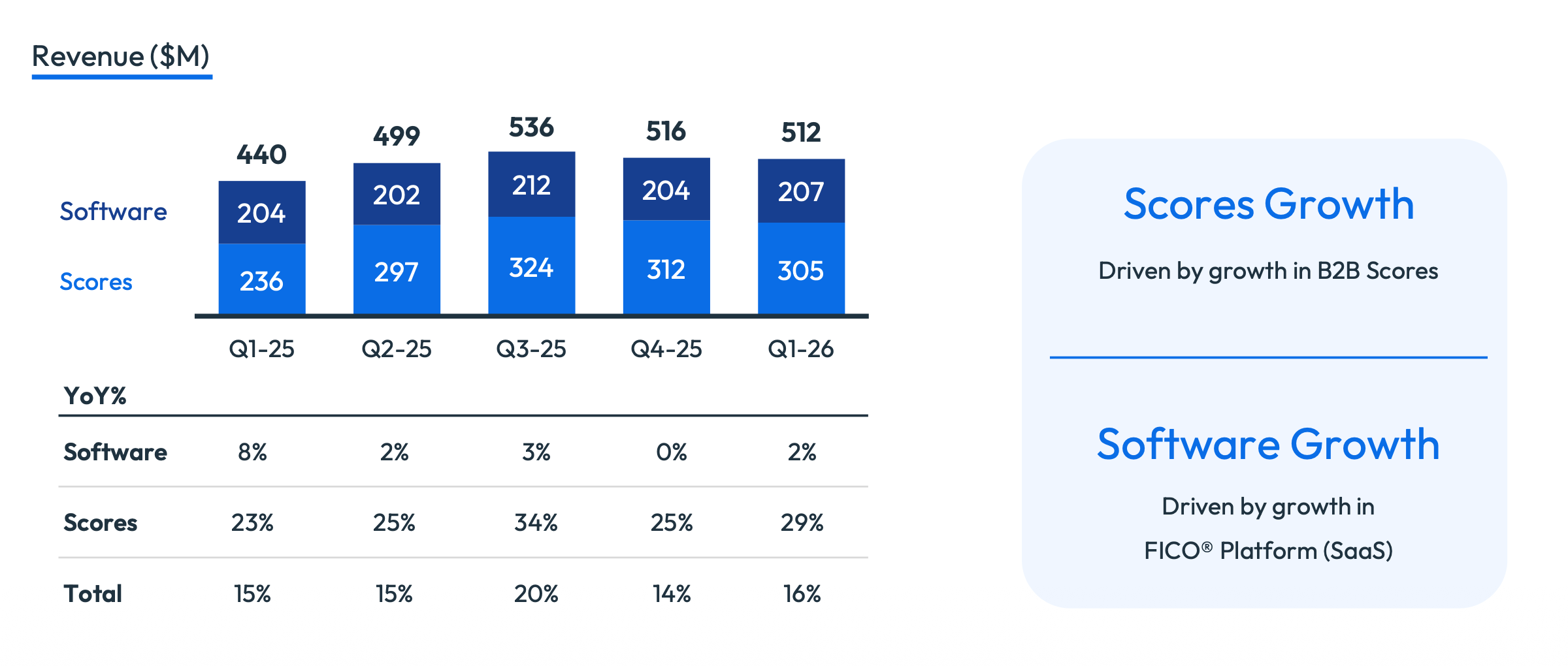
These segments, though distinct, are deeply interconnected, with each contributing significantly to the company’s overall growth and profitability.
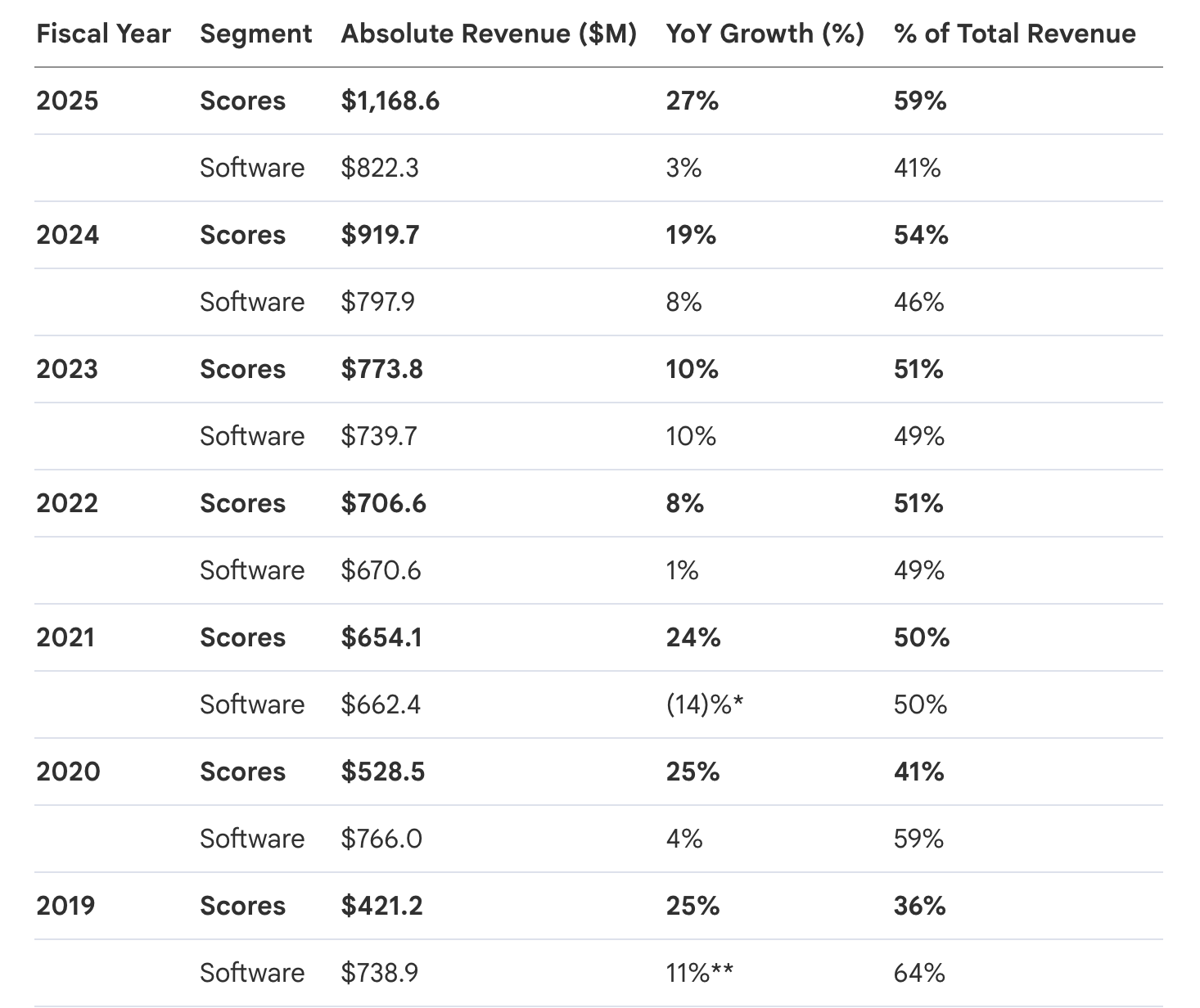
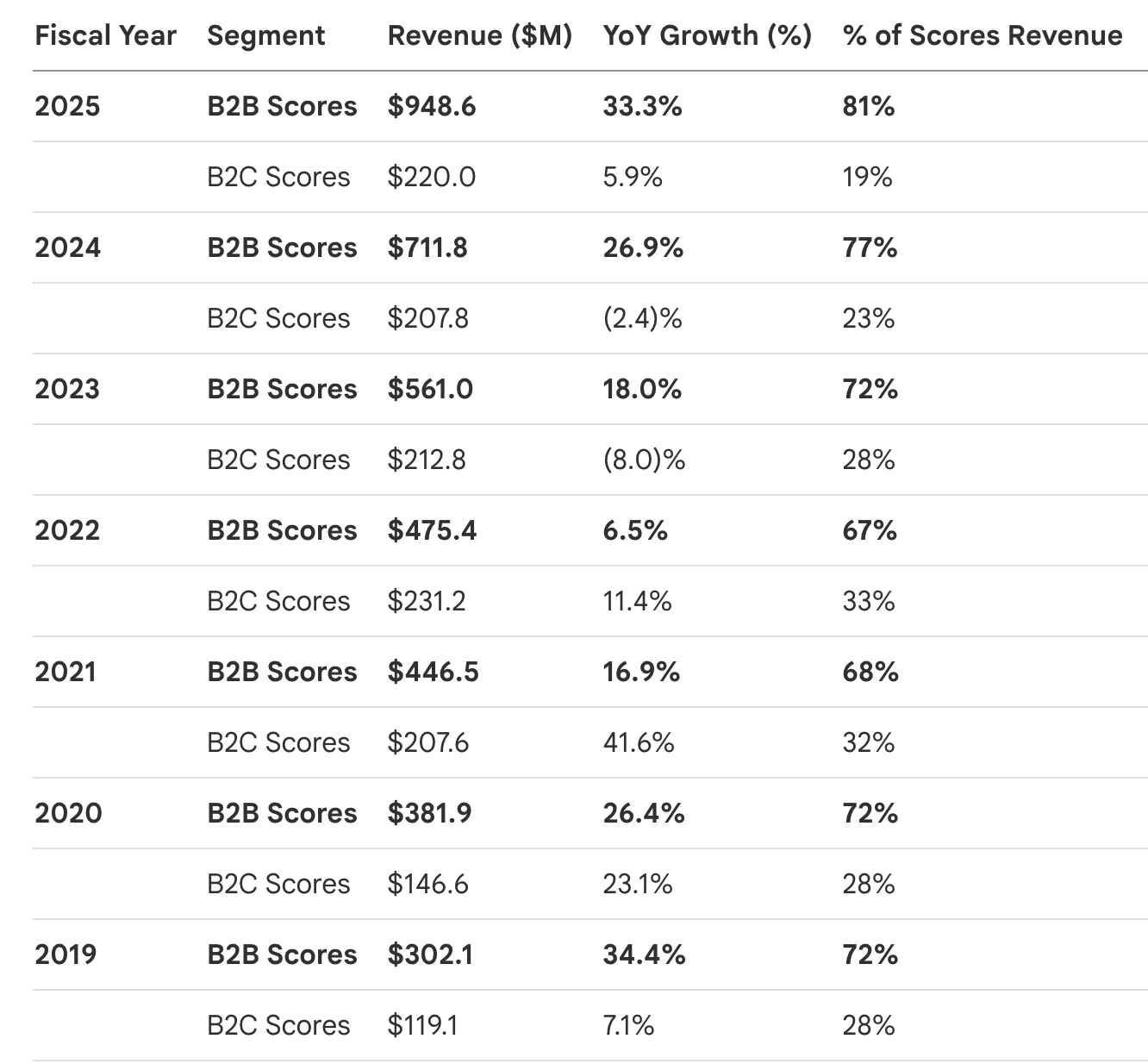
Below you find the overall revenue contribution of each segment for the last seven fiscal years and the respective YoY growth rates.
Let’s explore the products and services FICO offers, and how they stand out in a competitive market.
The full analysis starts here:
The rest of this post and the follow-up parts of this deep dive series will cover the topics outlined in the table of contents displayed in the introduction. If you’re serious about sharpening your investing edge, the full post (and all my previous premium content, including valuation spreadsheets, deep dives (e.g. well-known mid- and large caps such as LVMH, Duolingo, Meta, Edenred as well as more hidden gems such as Tiger Brokers, Digital Ocean, Ashtead Technologies, InPost, Timee, and MANY more) and powerful investing frameworks. is just a click away. Upgrade your subscription, support my work, and keep learning.
Annual members also get access to my private WhatsApp groups – daily discussions with like-minded investors, analysis feedback, and direct access to me.
PS: Using the app on iOS? Apple doesn’t allow in-app subscriptions without a big fee. To keep things fair and pay a lower subscription price, I recommend just heading to the site in your browser (desktop or mobile) to subscribe.
Scores Segment: The Economic Engine
FICO’s Scores segment (59% of FY25 revenue) is the company’s “economic engine” and the backbone of its business. This segment provides Business-to-Business (B2B) scoring solutions to lenders …
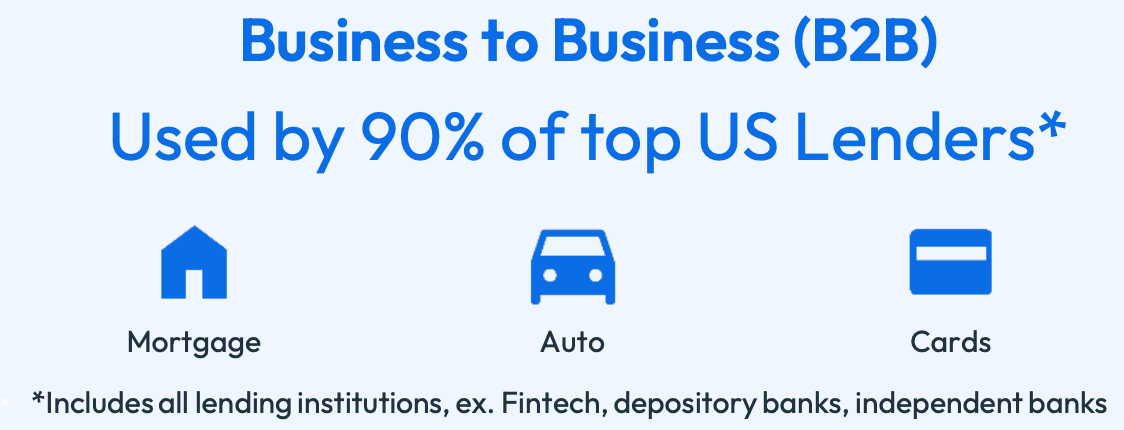
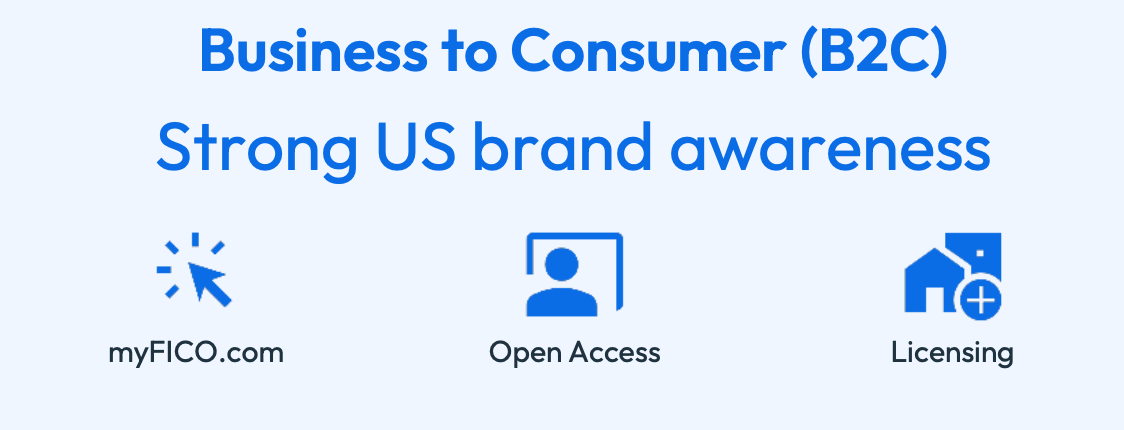
… and Business-to-Consumer (B2C) services through platforms like myFICO.com.
Here’s a breakdown of the contribution of each sub-segment (the B2B segment has been growing more rapidly):

In fact, FICO’s B2C (Business-to-Consumer) business is divided into two primary distribution channels:
Direct sales through myFICO.com and
indirect sales via partnership licenses.
The indirect channel is the larger contributor, estimated to make up about 55% to 60% of total B2C revenue. In this model, FICO earns royalties from partners – mainly the three major credit bureaus – who integrate FICO scores into their own consumer-facing products. A key example is the five-year partnership with Experian, where FICO scores are provided through services like Experian Boost.
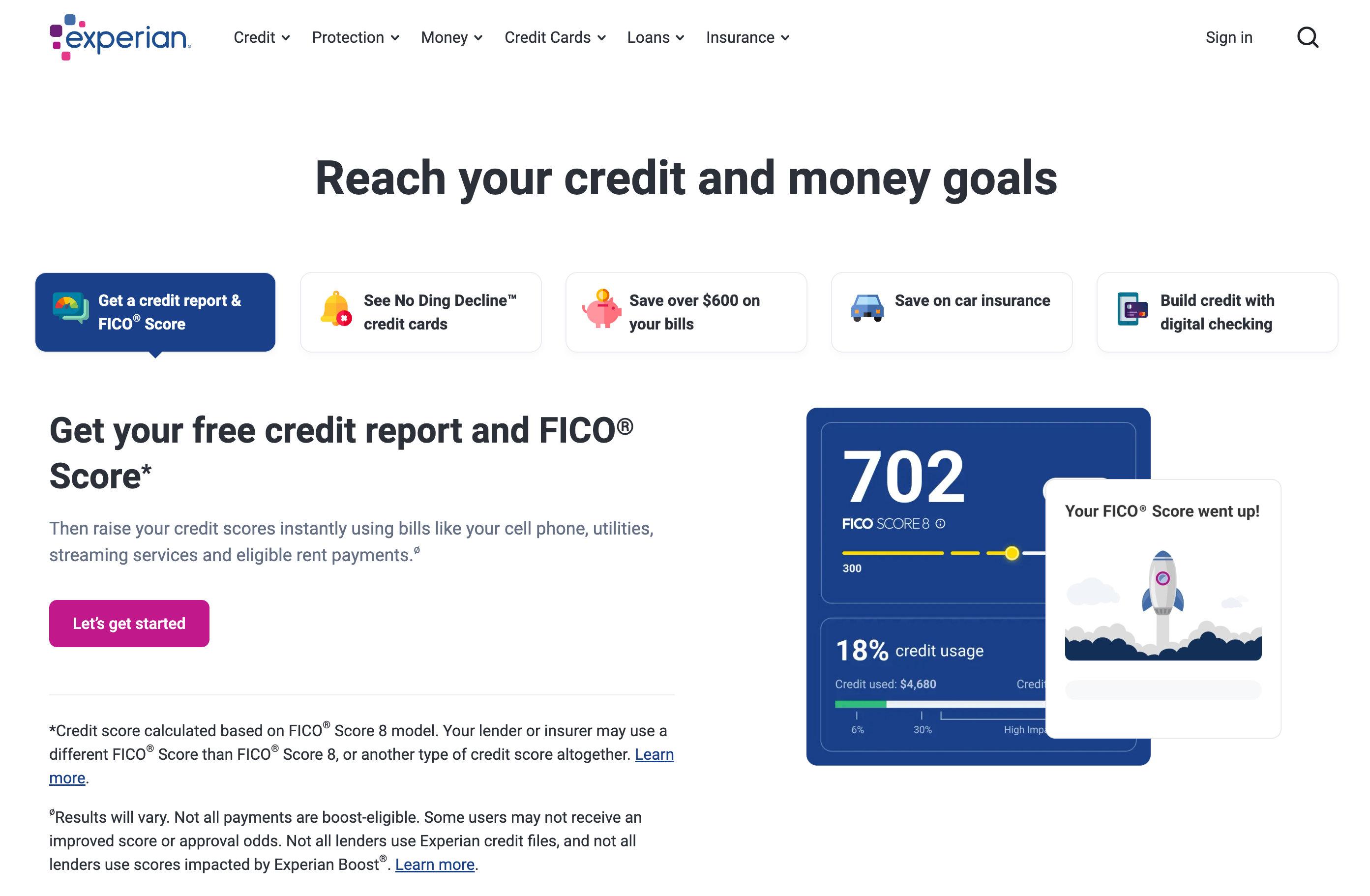
Additionally, the FICO Score Open Access program allows over 200 financial institutions, such as Wells Fargo, to offer scores for free to their customers, reinforcing the FICO brand as the standard for credit scores.
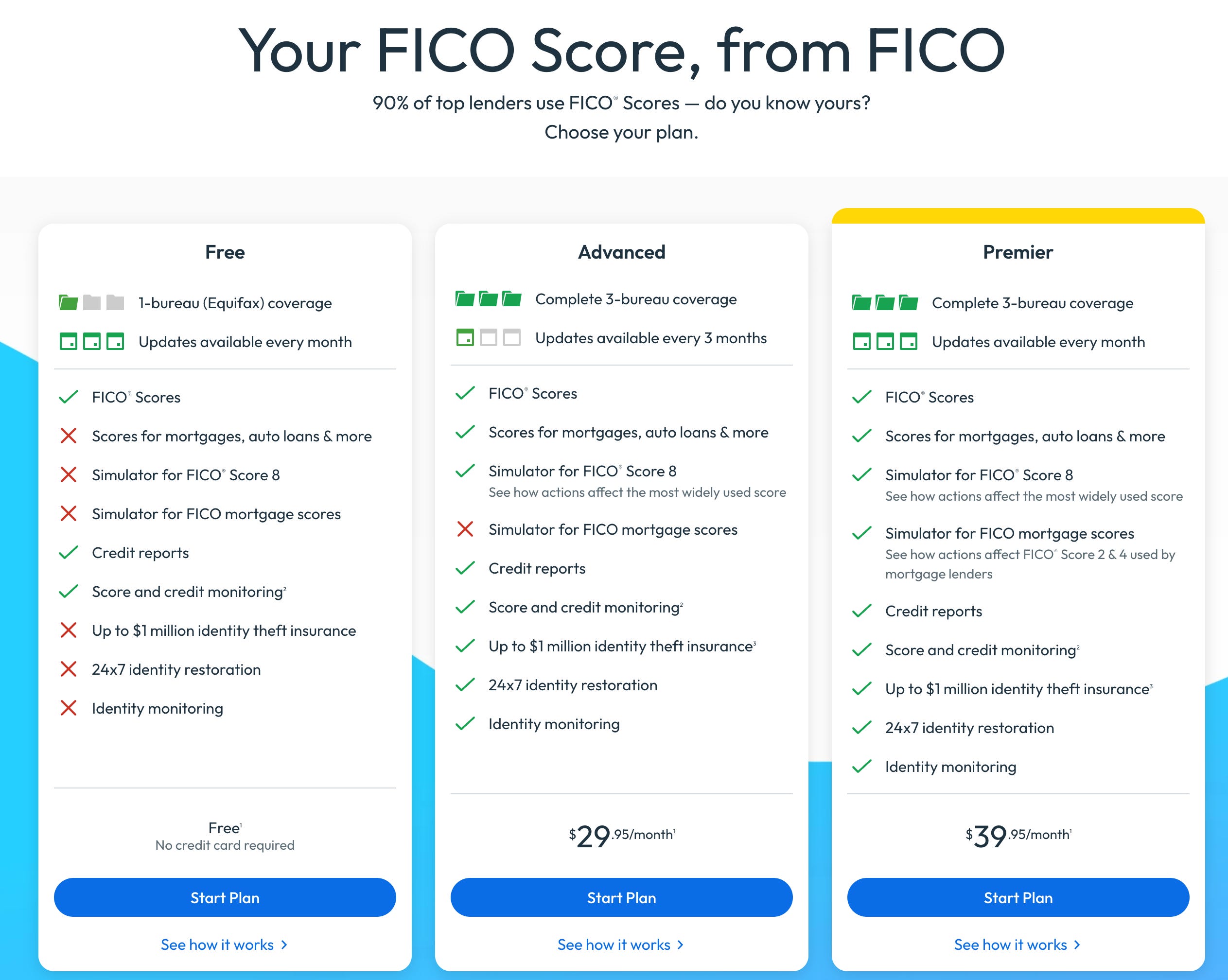
On the other hand, myFICO.com, which directly sells scores, subscriptions for credit monitoring, identity theft protection, and educational reports, represents around 40% to 45% of the B2C segment. However, this channel has experienced a decline in revenue over the past few years, largely due to the increasing availability of free scores through Open Access programs offered by banks.
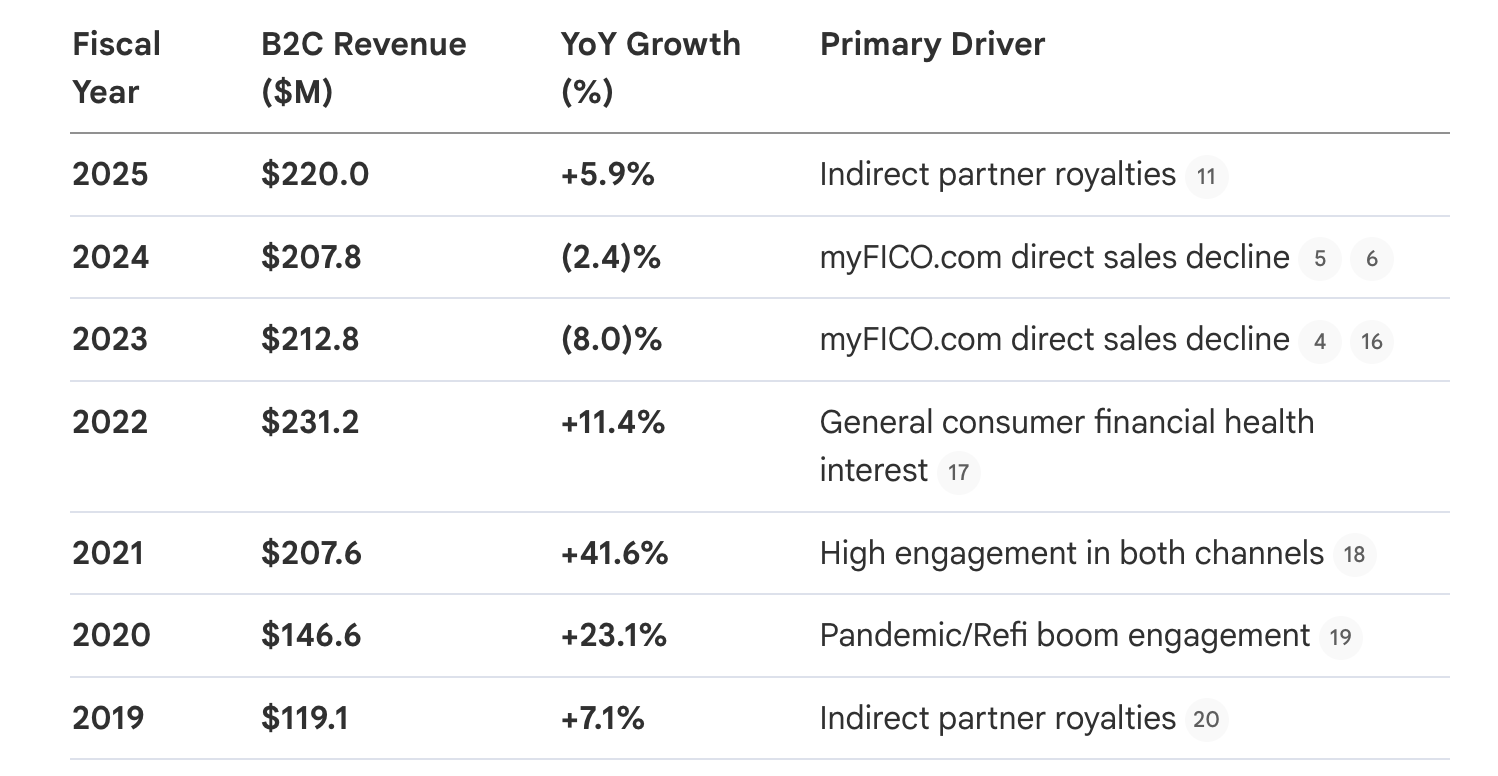
Despite this decline, B2C remains a high-margin and less cyclical component of FICO’s business, playing an essential role in maintaining the company’s standing as the “common language” of credit; it continues to be a key element in ensuring that consumers remain aligned with FICO’s trusted scoring model rather than turning to competitors.
With the B2C vs. B2B distinction out of the way, let’s get back to the actual product.
The FICO Score is deeply integrated into the U.S. lending landscape, playing a crucial role in over 90% of top lending decisions and in over 99% of credit securitizations (as a reminder, securitization describes the financial process that pools income-generating assets (such as mortgages, auto loans, or credit card debt) and converts them into marketable securities), making it an indispensable tool for financial institutions and investors.
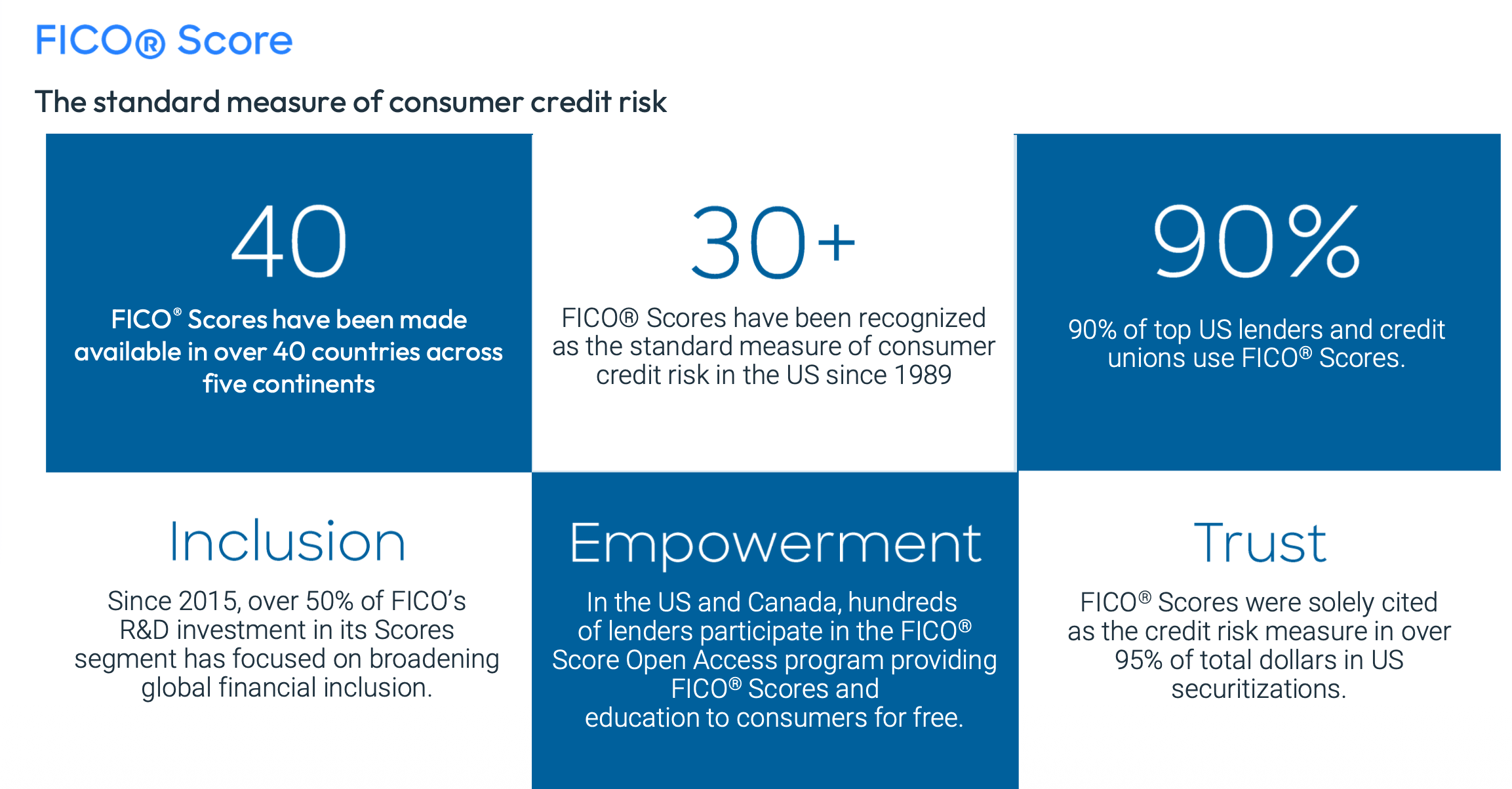
It serves as the industry standard for assessing and monitoring consumer credit risk, used across a variety of lending products.
In the mortgage sector, it is a requirement for all conforming loans guaranteed by Fannie Mae and Freddie Mac, and also widely used in non-conforming markets.
The FICO Score is similarly essential in other lending categories, such as auto loans, credit cards, and personal loans, where it determines approval rates, interest rates, and credit limits.
Beyond lending, the FICO Score is used in non-lending decisions, including apartment applications, job interviews, and by over 700 insurers to predict risk for auto or homeowners’ coverage.
As mentioned before, the score is also indispensable in downstream markets like securitization, where it is cited in over 98.8% of U.S. mortgage-backed securities to communicate risk to global investors.
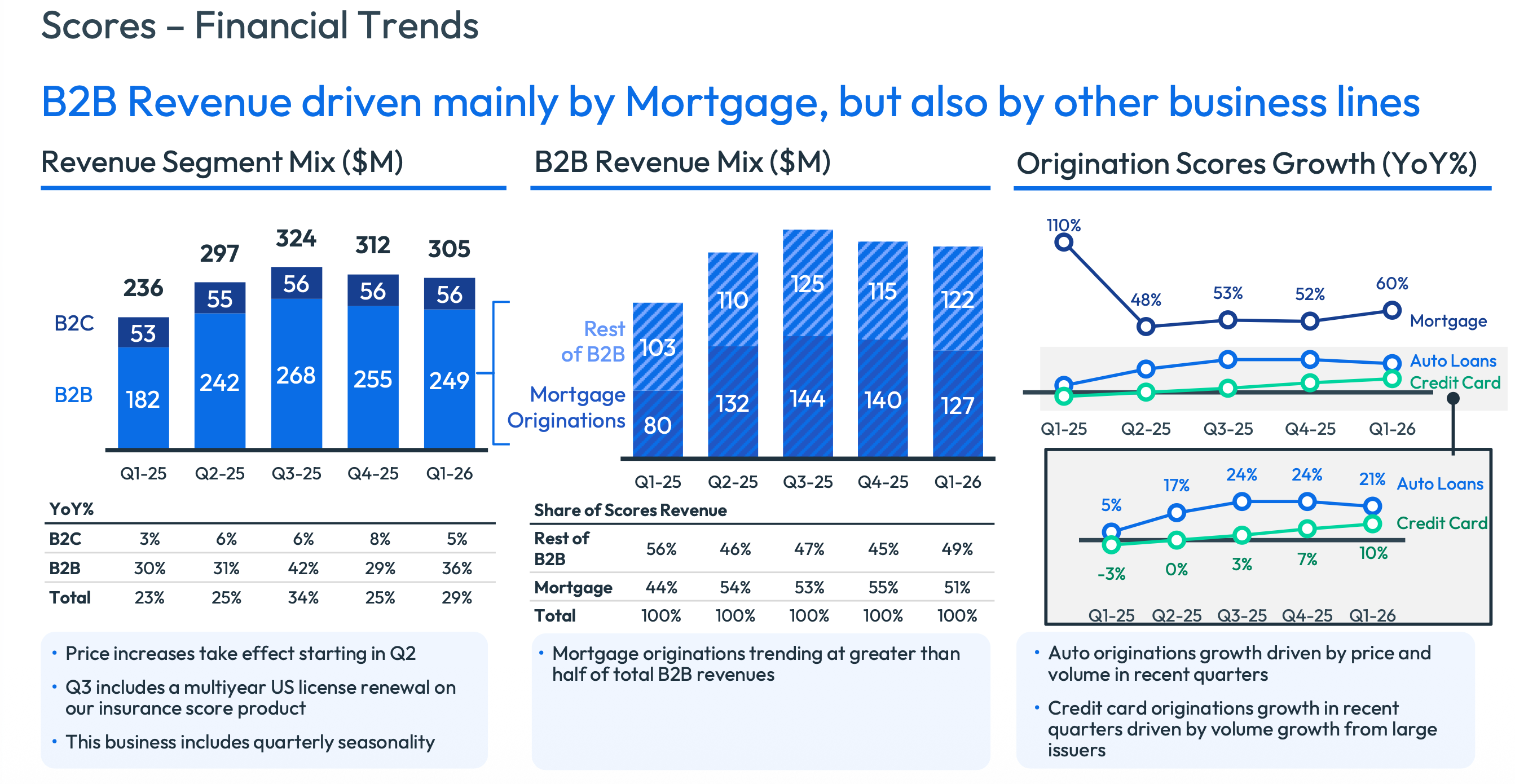
In terms of revenue contribution, the mortgage origination market has become the largest driver of FICO’s business, accounting for 51% of B2B revenue and 42% of total Scores revenue as of Q1 2026.
As mentioned in the history segment, FICO Score itself ranges from 300 to 850, with a higher score indicating lower risk and making borrowers eligible for better loan terms. A “good” score acts as a seal of approval, enabling borrowers to secure more favorable loan options and lower monthly payments. On the flip side, a lower score signals higher risk, resulting in either loan rejection or significantly higher interest rates to compensate for the default risk.
Importantly, Fair Isaac has also entered adjacent markets with more tailored products:
“In addition to the FICO® Score, we offer several other broad-based scores, including specific FICO® Industry Scores. For example, in 2021 we introduced Bankcard and Auto Industry versions of FICO® Score 10. We also develop various custom scores for our financial services clients.
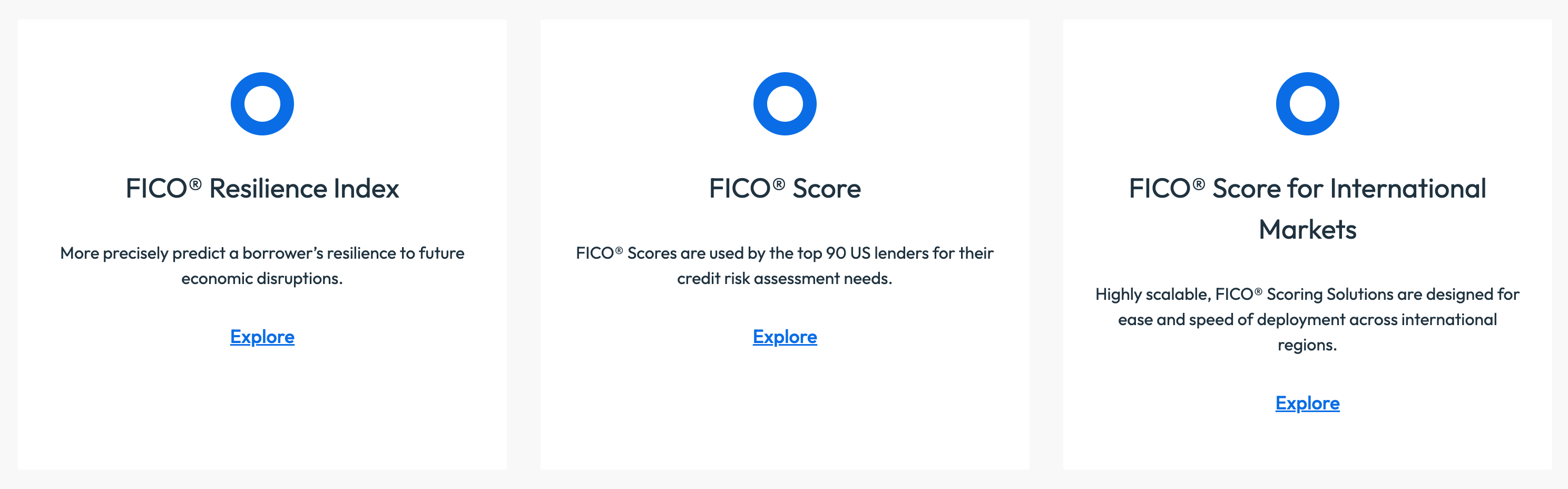
The FICO® Resilience Index offering is designed to complement FICO® Score models by identifying those consumers who are more resilient to economic stress relative to other consumers within the same FICO Score bands. The FICO Resilience Index is designed to enable lenders to continue to lend and better manage risk by providing a more precise assessment of loan default risk during periods of economic stress.“ - FY 2025 Annual Report
Finally, Recent expansion, particularly in the mortgage sector, has driven B2B revenues to surge by 36% year-over-year in early 2026.
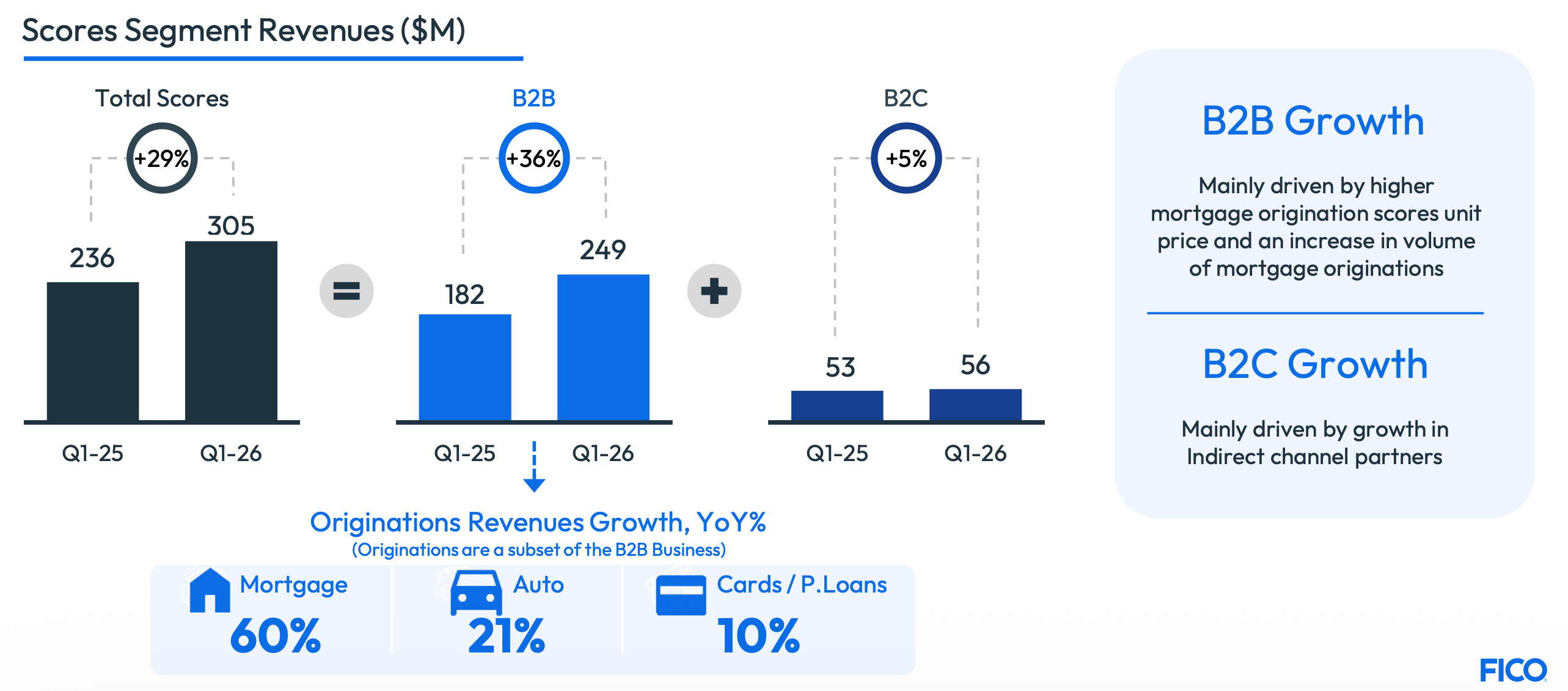
This highlights the pricing power and demand FICO continues to command in the marketplace.
Software Segment
FICO’s Software segment includes a variety of industry-leading tools for credit risk management, fraud detection, and decision-making. The software segment includes pre-configured analytic solutions and the cloud-native FICO Platform, which is central to the company’s transition toward a Software-as-a-Service (SaaS) model.
Importantly, the software segment of Fair Isaac is designed to operate independently from its core Scores business, with management even open to the possibility of eventually selling it. While both segments serve the financial services industry, the software solutions are typically sold to different departments within banks than the credit scoring products. Historically, the Scores segment has acted as a “cash cow,” funding the heavy investments required to develop FICO’s software platform. This strategic separation allows the software business to stand on its own while still benefiting from the financial support of the more established Scores business.
FICO’s software offerings are divided into six primary buckets:
fraud detection,
customer management,
originations,
financial crimes compliance,
customer engagement, and
marketing.
Fraud detection and customer management are the most significant contributors to software revenue, accounting for nearly 50% of the total. Among these, Falcon Fraud Manager stands out as a flagship product, protecting two-thirds of all credit card transactions worldwide and identifying fraud in just 15 milliseconds.
TRIAD Customer Manager, another key solution, manages 65% of global credit card accounts and automates critical account-level decisions. These products showcase FICO’s leadership in fraud detection and customer management, with Gartner recognizing the company as a leader in its Magic Quadrant for Decision Intelligence Platforms in January 2026.
The FICO Platform represents a shift to cloud-based analytics, where FICO enables companies to develop custom decisioning workflows with AI and machine learning tools. This move to a more flexible and scalable platform is key to the company’s future growth strategy. Put differently, FICO’s goal with its platform-first strategy is to streamline these diverse software offerings into a unified, cloud-native platform, providing faster time-to-market and connecting various use cases – like origination and fraud detection – to offer a comprehensive, 360-degree view of the customer journey.
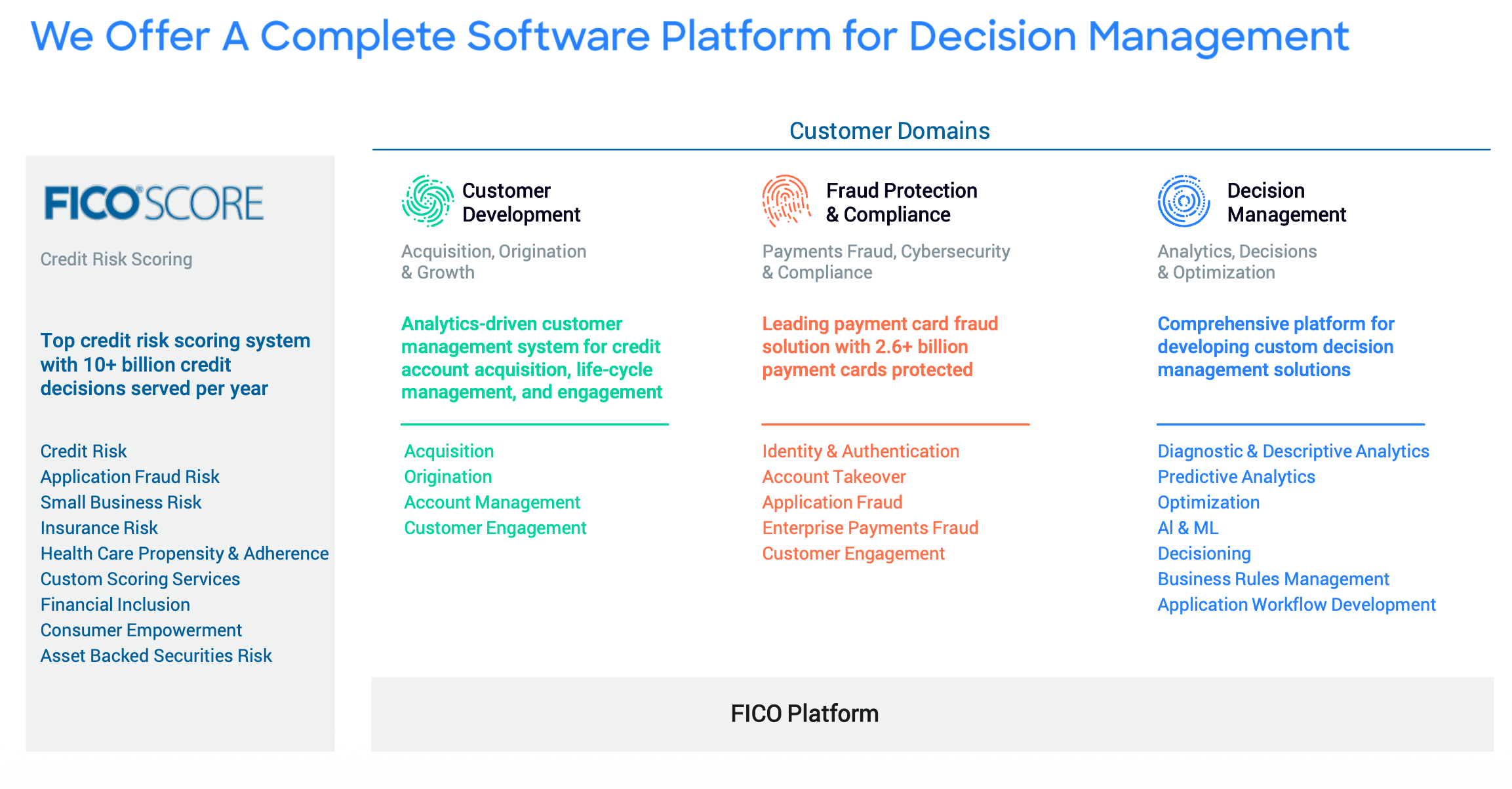
The transition to this platform began in 2016, with a series of strategic investments and reorganizations. After several years of heavy investment, including leadership changes in 2019 and divestitures of non-platform-based businesses starting in 2021, FICO reached a critical milestone by fiscal 2025. By then, over 150 Tier 1 financial institutions had adopted the platform, and FICO was ready for the general availability of its next-generation enterprise fraud solutions natively built for the platform.
The Platform has experienced substantial growth, with Annual Recurring Revenue (ARR) growing by 37% in Q1 2026, indicating a strong trajectory for the SaaS business. At the same time, legacy non-platform revenue has started to decline, signifying that FICO is successfully transitioning toward its cloud-first strategy.
Product Classification and Differentiation
FICO’s products and services fall into two primary categories: consumable and non-consumable goods.
The Scores products are effectively consumable in the B2B context, as their revenue is usage-based – each time a lender pulls a score, FICO generates revenue. This model allows FICO to capture recurring revenues while providing an essential service to lenders.
On the other hand, Software products, including the FICO Platform, are sold as subscriptions, with multi-year agreements and recurring fees based on usage metrics.
In terms of product differentiation, FICO’s offerings are far from commoditized. While competitors have emerged in the credit scoring space, FICO’s products are deeply embedded in the financial system and have become an industry standard.
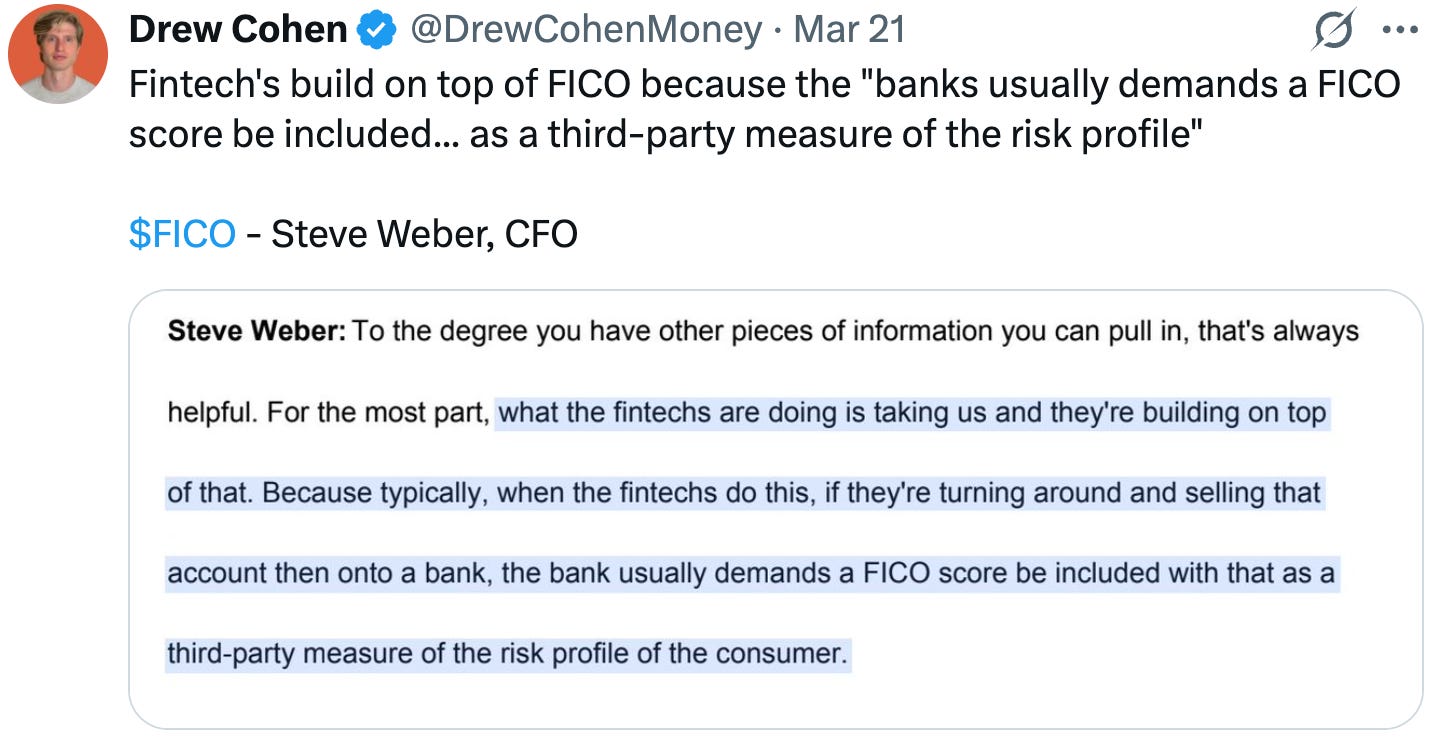
The FICO Score is differentiated not just by its predictive power, but by its role as the “common language” in the secondary market for securitization.
FICO’s products are positioned as high-tier, mission-critical tools for regulated financial institutions. The company serves 92 of the 100 largest U.S. financial institutions and three-quarters of the largest 100 banks worldwide, highlighting its strong foothold in the industry. Its products are designed for businesses that require reliable, scalable, and accurate decision-making tools, making them essential to banks, credit card companies, and mortgage lenders.
On the B2C side, FICO’s offerings are positioned as premium subscriptions, appealing to consumers who are willing to pay for more comprehensive and trustworthy credit monitoring. These services are marketed as a step up from free alternatives, leveraging the longstanding credibility of the FICO brand.
Plans for New Products and Services
Software Segment
FICO continues to innovate and expand its product portfolio. The company is deeply focused on the SaaS transition, with plans to move most of its software products onto the cloud-native FICO Platform. The transition of FICO’s Software segment to its unified, cloud-native FICO Platform is still very much an ongoing strategic initiative. While the company has made significant progress, management explicitly stated that their goal is to move “substantially all” of their software products onto the platform, a process that remains a “work in progress.”
This transition is key to FICO’s long-term strategy of enabling “land and expand” sales, where initial product sales are expanded as customers add more decisioning use cases to their platforms.
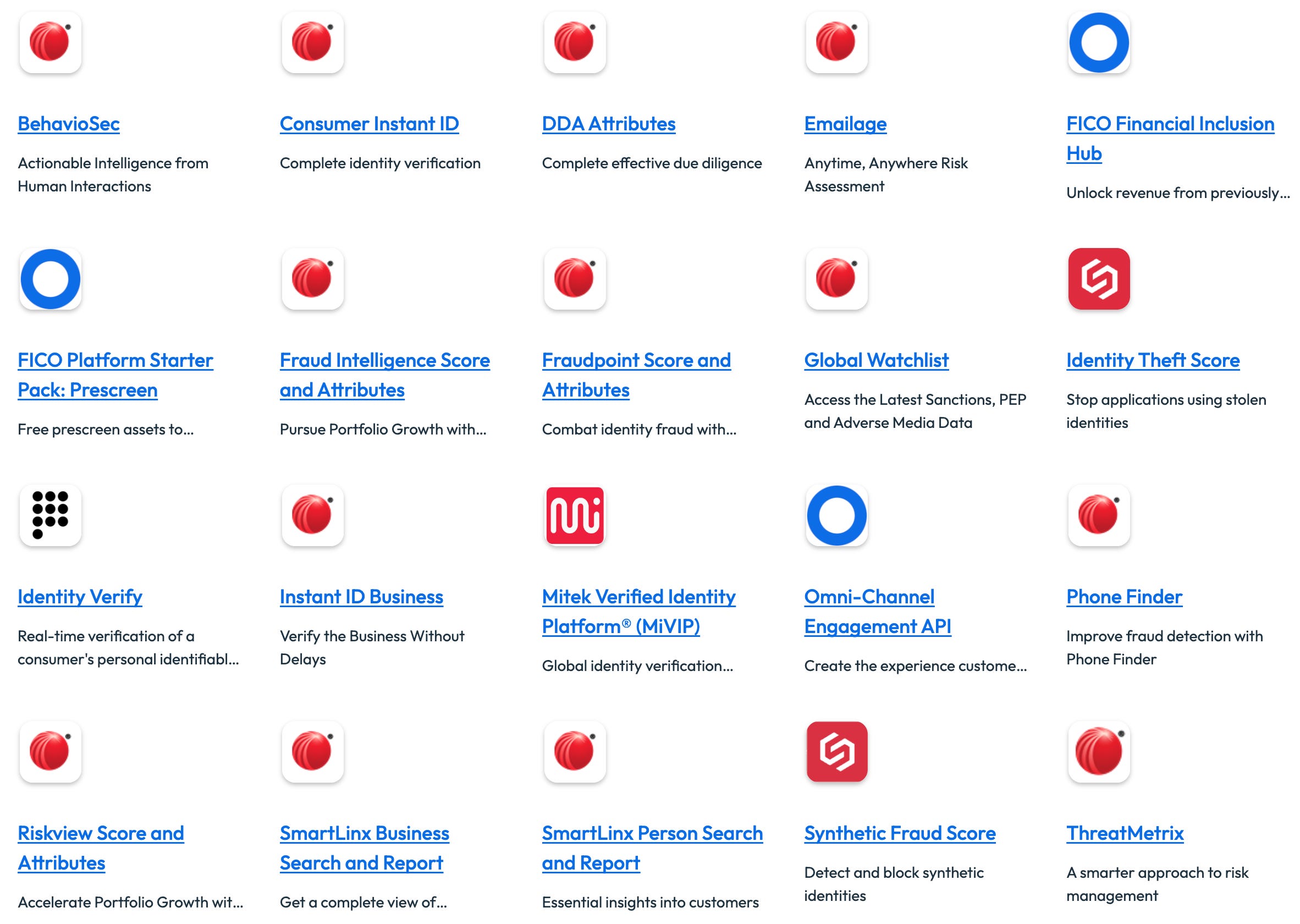
Additionally, FICO launched the FICO Marketplace in fiscal 2025, providing customers with easy access to AI models, decision rulesets, and machine learning tools to operationalize analytics. This platform is designed to help organizations quickly implement and deploy predictive analytics, further enhancing FICO’s value proposition.
Scores Segment
FICO has built a reputation over the years for continually updating its proprietary scoring algorithms, ensuring that its models remain the most predictive and reliable measure of credit risk. The company’s ability to innovate has allowed it to stay ahead of the curve, incorporating newly available data and advanced analytics into its scoring system. This focus on product innovation is evident in the timeline of major updates to its scoring models, which have evolved over the decades to meet the changing needs of both consumers and lenders.
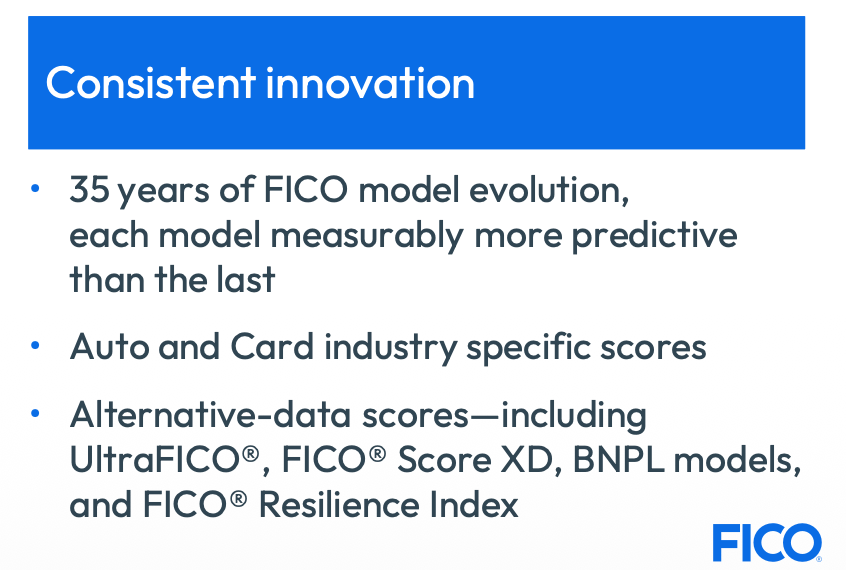
As we learned, FICO’s journey began in 1956, when the company was founded with the vision of improving business decisions through data. By 1981, FICO had introduced PreScore, the first standardized credit bureau risk score, which integrated its mathematical models with raw consumer data from the credit bureaus. A major milestone came in 1989 with the introduction of the FICO Score. The FICO Score gained even more prominence in 1995 when Fannie Mae and Freddie Mac mandated its use for conforming mortgages.
Over the years, FICO continued to refine its models:
In 2009, FICO launched Score 8, and later, Score 9 and FICO Score XD, which incorporated alternative data such as rental payment history and utility bill payments. These advancements allowed FICO to expand its addressable population, helping consumers with little or no traditional credit history.
The most significant recent update came with the launch of the FICO Score 10 Suite in 2020, which introduced FICO 10T, a model that uses trended credit data (yes, the “T” stands for “Trended Data”), offering a more comprehensive view of borrower behavior. Unlike Classic FICO, which looks at a “snapshot” of your debt today, 10T looks back at the last 24+ months to see if you are paying down your balances or if you are habitually carrying more debt. This update significantly improved predictive power, with FICO 10T capable of identifying 18% more defaulters compared to its predecessors, potentially increasing loan approval volumes by 5% without taking on additional risk. By early 2026, nine of the top fifteen mortgage lenders had adopted FICO 10T, and the model was in the testing phase for Government-Sponsored Enterprises (GSEs). Effectively, Government-Sponsored Enterprises (GSEs) – Fannie Mae and Freddie Mac – are transitioning to new credit score requirements mandated by the FHFA, shifting from older FICO models to FICO Score 10T and refined data sets.
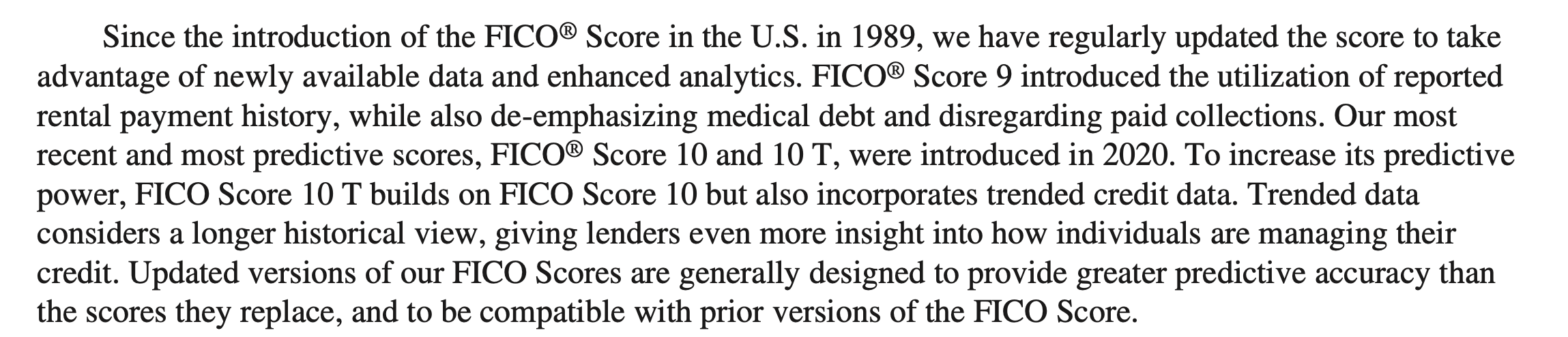
Looking ahead, FICO is exploring further innovations, including the launch of FICO 11, the integration of Plaid’s open finance network with UltraFICO for real-time cash flow data, and BNPL (Buy Now, Pay Later) data integration in FICO Score 10T BNPL. With models like UltraFICO and FICO Score XD, which use utility and rental data to provide credit scores for consumers with limited traditional credit histories, FICO not only broadens access to financial services but also reinforces FICO’s commitment to inclusivity.
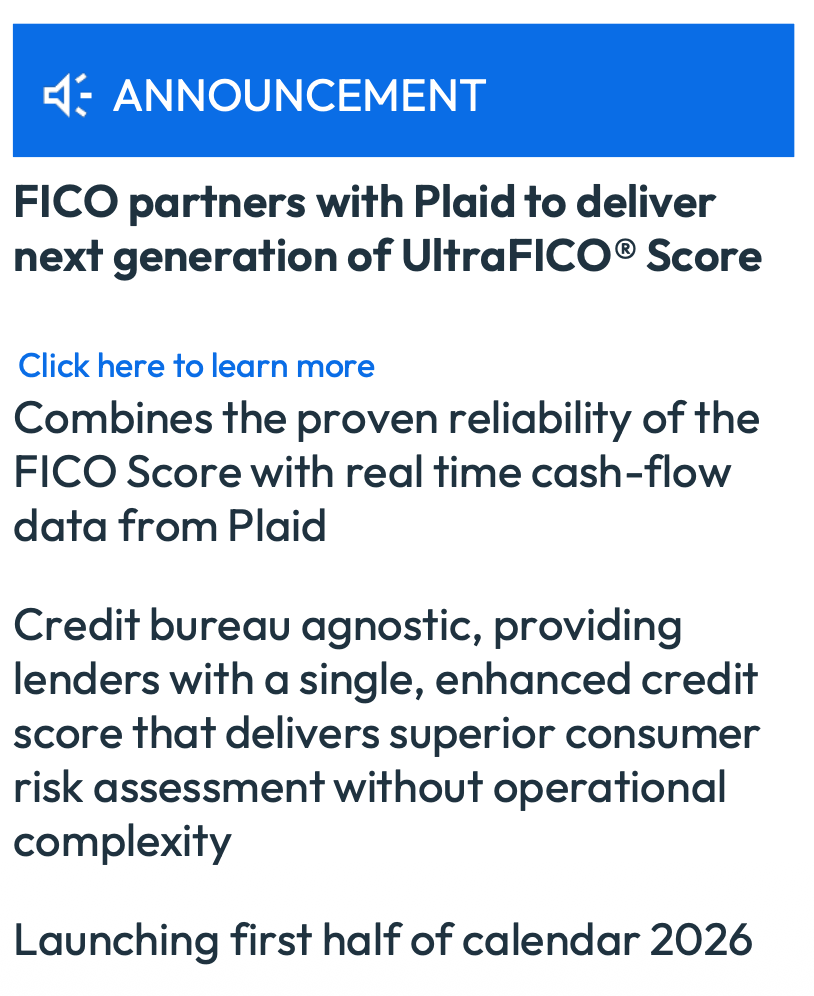
These ongoing innovations show FICO’s commitment to staying at the forefront of the credit scoring industry, with the company continuously striving to broaden its reach while maintaining backward compatibility with past models.
This focus on product evolution ensures that FICO remains indispensable to lenders and consumers alike, maintaining its position as the gold standard of credit risk evaluation.
1.3. Business Operations & How FICO Makes Money
FICO generates revenue through a combination of licensing, subscriptions, and transaction-based fees, creating a diverse and scalable business model.
1) Scores (B2B)
Let’s maybe start with pricing. FICO’s pricing varies widely across different channels, with the B2B mortgage score priced at a flat $4.95 per score back in 2025, while other non-mortgage products like credit cards can cost mere pennies.
“… and scores are very inexpensive generally less than a dollar each and some scores are even a penny or a fraction of a penny depending on the use case“ - Dev Kantesaria on Business Breakdowns
Importantly, for 2026, FICO moved away from a simple flat fee of $4.95. Lenders now typically face one of two paths:
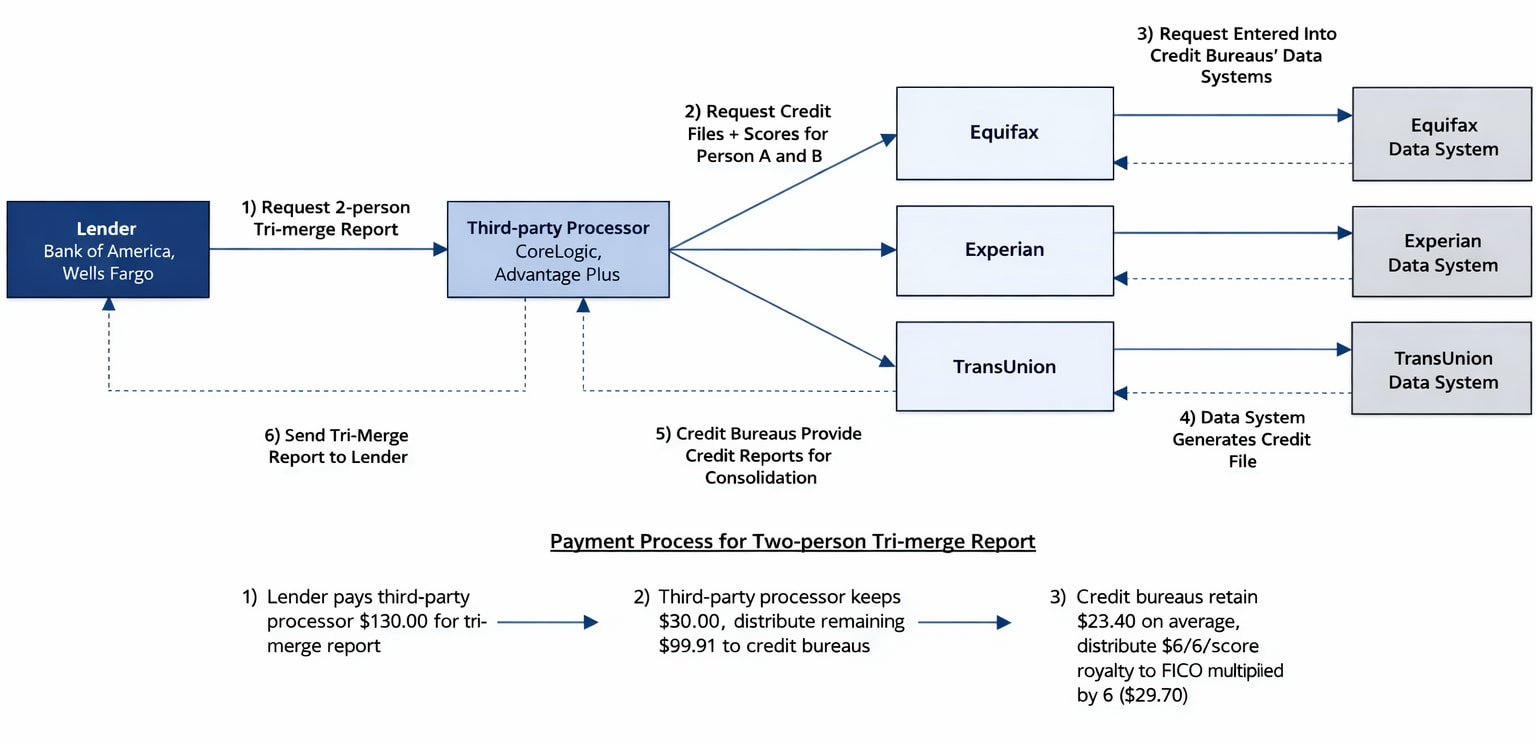
The “Standard” Model: Under this model, FICO generates revenue in the Scores segment by licensing its proprietary algorithms to the three major credit bureaus: Experian, TransUnion, and Equifax. These bureaus run the algorithms on their data to generate credit scores for lenders, who then use these scores in their decision-making processes. For those not using FICO’s direct licensing program, the wholesale royalty fee has doubled to $10.00 per score.
It’s a per-pull pricing structure where a lender pays a flat fee every time they check a borrower’s credit score. In this scenario, the bureaus pass through that $10.00 fee, often adding their own data service fees on top (making it a highly lucrative business for the bureaus themselves!), which is why some tri-merge reports are hitting $150–$220 this year.
“Users of our scores generally pay the 3 consumer reporting agencies a fee for each individual score generated by our algorithms, and the consumer reporting agencies pay an associated fee to us.“ - Annual report
“… it’s important to mention again that FICO only produces the mathematic models and these are then combined with the credit bureau data to create this course so fair Isaac does not gather or retain any consumer data of its own so the direct revenue for scores comes from the credit bureaus which represent about 75 percent of scores revenues but the End customer is in fact the banks and financial institutions which are making the credit decisions the credit bureaus sell consumer credit reports to these Banks and financial institutions the fight goes forward generally represents less than five percent of what is called a try merge report that is generally about fifty dollars so a try merge report is simply all three credit bureau reports combined together in one Consolidated report.“ - Dev Kantesaria on Business Breakdowns
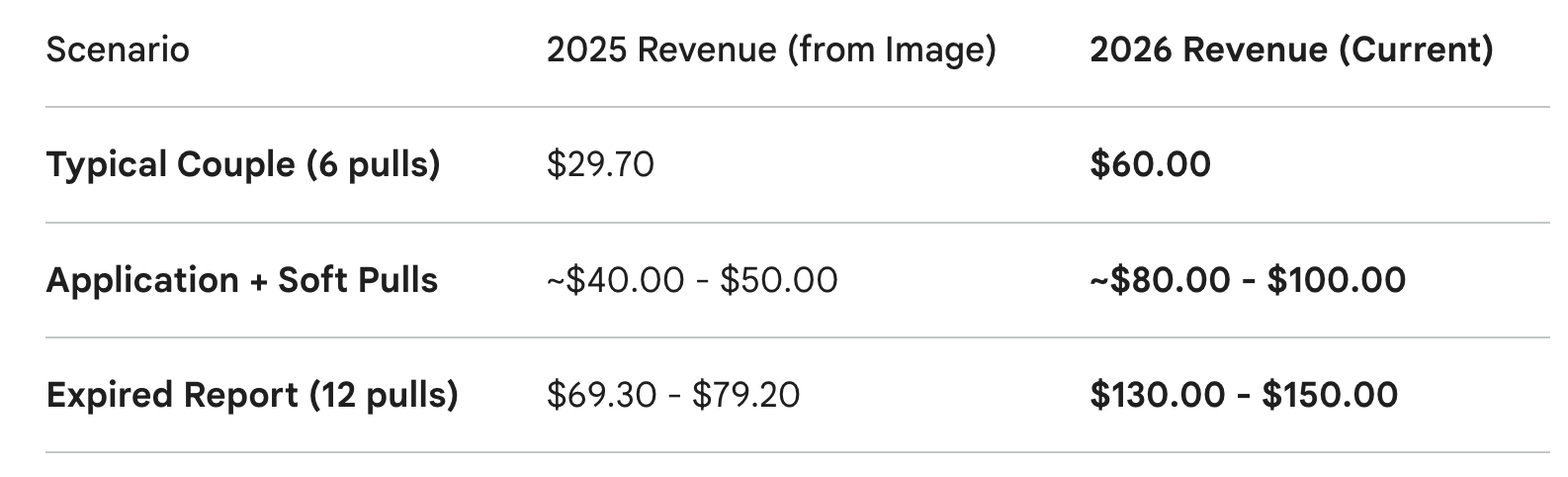
Also, the mortgage application isn’t a single, binary event where one loan equals one unit of revenue. If you look under the hood of the 2026 credit landscape, you will see that the reality is far more lucrative for FICO due to the multiplier effect of the “tri-merge” system. When a couple, for instance, applies for a home loan – which accounts for roughly two-thirds of all buyers – the lender pulls a full credit profile for both individuals from all three major bureaus. That is three bureaus times two people. Six scores. Because FICO successfully pushed its royalty to $10 per score at the start of this year, that initial inquiry now generates a cool $60 in high-margin revenue before the lender even reviews the file. It is a mandatory toll booth. You might assume this is a one-time cost, but the math gets even more aggressive as the calendar turns. The clock is your enemy but FICO’s best friend. Most credit reports in the mortgage world carry an expiration date of roughly 120 days. If you are waiting for a new construction home to be finished or simply struggling to find a winning bid in a tight market, your data will inevitably go stale. The lender is then forced to refresh the file. They pull all six scores again. Now we are at twelve pulls. In this scenario, a single couple has generated $120 in royalties for a house they haven’t even moved into yet.
The revenue stream continues through “soft pulls” used for undisclosed debt monitoring during the underwriting phase. FICO effectively watches your behavior until the very moment the loan funds. By the time you finally receive your keys, a single transaction might have funneled $150 or more into FICO’s pockets. This goes far beyond a simple scoring service – think of it as a high-frequency data tax on the mortgage lifecycle.
The “Performance” Model (Direct License): Lenders or their “resellers” (the companies that bundle the reports) sign a contract directly with FICO. This allows them to calculate the score themselves using bureau data, technically “bypassing” the bureau’s markup on the score itself. This is where the 2025 $4.95 figure still exists, but with a major catch. Lenders pay $4.95 per score for the initial pull, but they are also hit with a $33.00 “funded loan fee” per borrower (basically a “success fee”) for every loan that successfully closes.
It took me a while to fully grasp this new “plumbing” of the mortgage industry. So let me try to explain it further: In the past, the three big credit bureaus (Equifax, Experian, and TransUnion) were the only ones who could calculate a FICO score. They owned the data and the “calculator.” Now, under the Direct License Program (DLP), FICO has given its “calculator” (the algorithm code) to independent technology platforms. These platforms – which the resellers use to generate reports for lenders – now host the FICO engine themselves.

“The FICO Mortgage Direct Licensing Program allows resellers the ability to streamline Score access, enhance price transparency and provide cost savings to lenders through reduced breakage fees. This quarter, we announced the addition of 4 new strategic reseller participants to the FICO Mortgage Direct Licensing Program, Xactus, Cotality, Ascend Companies and CIC Credit. Additionally, we signed a DLP agreement to add another participant, MeridianLink, a key platform provider to the mortgage industry. We’ll be releasing a press release on that soon. With strong demand from lenders, FICO is actively working alongside participants to support testing. One large reseller is close to completing production integration testing. Another large reseller has completed that testing and is now testing system integration downstream. While we expect to go live soon with multiple partners, we also continue to work on finalizing agreements with additional reseller participants. The direct license program currently supports classic FICO. While the conforming market is anticipating the general availability of FICO Score 10T, we expect FICO Score 10T to be available for Direct Licensing in both conforming and nonconforming in the first half of calendar ‘26.“ - Earnings Call

What was driving this shift? We’ll discuss this at length in part 5 (risks), but put in a nutshell, the Federal Housing Finance Agency (FHFA) was intending to transition the mortgage industry from a “tri-merge” requirement (3 reports/scores) to a “bi-merge” model (only 2 reports/scores).
To better understand this model, below, I’ve attached a visualization of the credit score generation process under the standard model – the visual was shared by George Hadjia from Bristlemoon Capital on X (based on data from Jefferies):
Here’s another great visual by Michael:
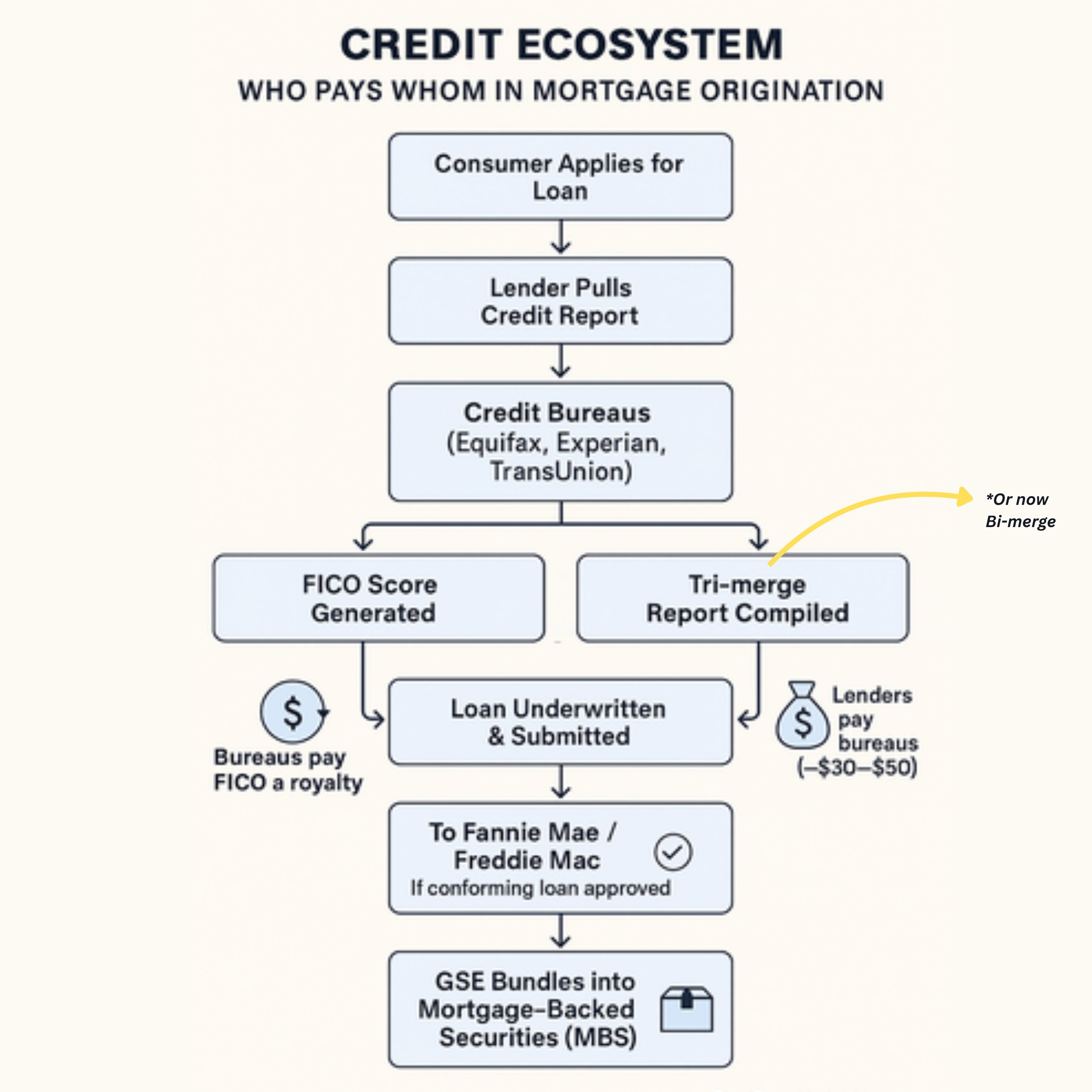
But back to the transition from a “tri-merge” to a “bi-merge” model. This shift would have meant FICO would lose 33% of its volume per loan application. Hence the shift to higher prices or direct licensing! To offset this massive loss in volume, FICO effectively doubled the price per score (from $4.95 to $10.00) to ensure its revenue remains stable (or grows) even as fewer scores are pulled.
The FHFA’s initial plan to move from a “tri-merge” (three credit reports) to a “bi-merge” (two credit reports) model has had a rocky timeline – here’s a quick AI-generated overview:
1. The Original Announcement (October 2022)
The FHFA first announced the transition on October 24, 2022. The goal was to reduce costs for borrowers and encourage competition among the three major bureaus (Equifax, Experian, and TransUnion) by only requiring reports from two of them.
2. The Initial Implementation Goal (2023–2024)
March 2023: The FHFA released a proposed timeline that suggested the bi-merge requirement could be implemented as early as the first quarter of 2024.
September 2023: After significant pushback from stakeholders (lenders, mortgage insurers, and the bureaus themselves), the FHFA pushed the date back, stating implementation would happen “later than Q1 2024.”
3. The “Final” Deadline (February 2024)
On February 29, 2024, the FHFA announced a supposedly firm implementation date of Q4 2025. They aligned the bi-merge shift with the transition to the new credit score models (FICO 10T and VantageScore 4.0) to simplify the technical overhaul for lenders.
4. The Delay and Reversal (2025)
The plan began to unravel at the start of last year:
January 2025: Facing mounting pressure from Congress and the Mortgage Bankers Association (MBA) over “data integrity” concerns, the FHFA “paused” the transition, moving the Q4 2025 date to “To-Be-Determined.”
July 2025: Under new leadership (Director Bill Pulte), the FHFA officially reverted the policy. It was announced that Fannie Mae and Freddie Mac would maintain the tri-merge requirement permanently. The bi-merge was downgraded to an “optional” path that few lenders have taken due to the “once a tri-merge, always a tri-merge” rule (which requires a full 3-bureau pull if the initial 2-bureau pull is inconclusive).
As highlighted, interestingly, while in July 2025, the FHFA (Federal Housing Finance Agency) pulled a U-turn and announced that Fannie Mae and Freddie Mac would stick with the traditional tri-merge requirement (reports from all three bureaus), they kept the “Lender Choice” initiative, which allows lenders to choose between Classic FICO and VantageScore 4.0.
But that’s to be discussed later. The other interesting takeaway here is that even though the bi-merge shift didn’t happen, the $10.00 FICO pricing still went live.
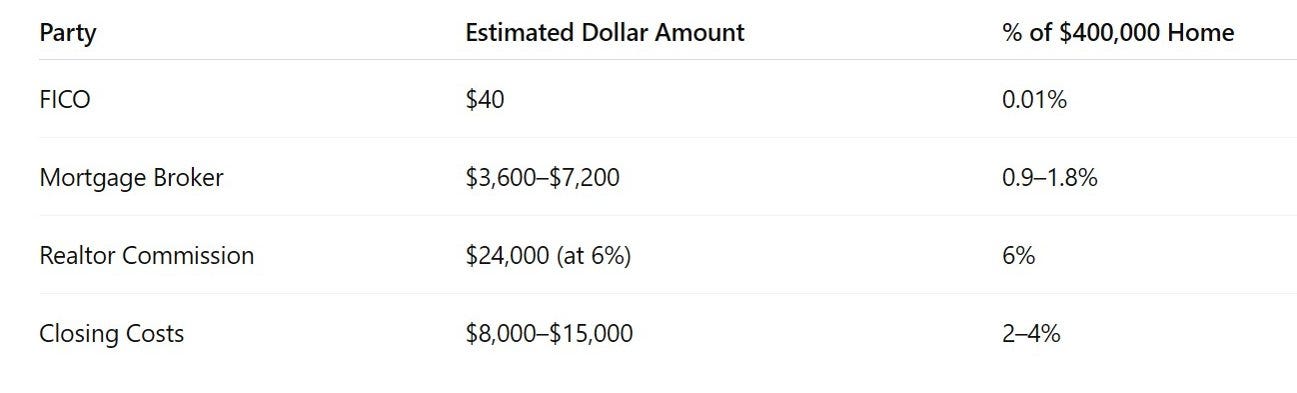
What’s important to understand is that even at this higher price, a FICO score remains a negligible cost in comparison to the overall price of a mortgage:
2) Subscriptions (Software & B2C):
In the Software segment and in the Scores’ B2B business, FICO operates (primarily) on a subscription model.
“We also provide FICO® Scores to consumers in the U.S. through our B2C scoring solutions. These Scores are distributed directly by us through our myFICO.com subscription offering and indirectly through our licensed distribution partners, including Experian and certain lenders through the FICO® Score Open Access Program“
In Software, as discussed, FICO is providing pre-configured analytic solutions, decisioning workflows, and the FICO Platform to businesses via multi-year agreements. Subscriptions in this area are typically based on usage metrics such as the number of accounts, transactions, or the scale of the cloud infrastructure being used.
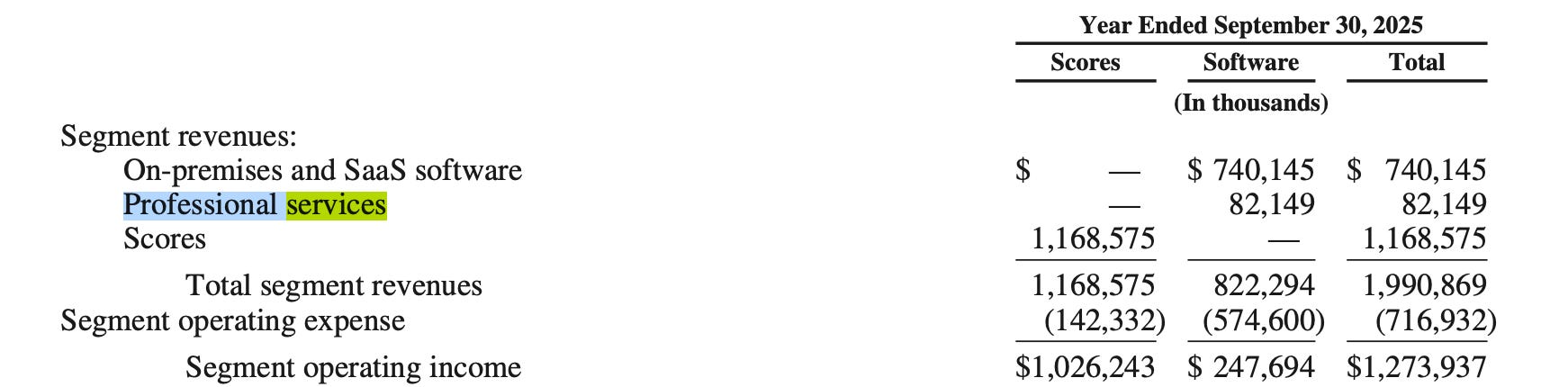
In addition to its core products, FICO generates revenue from professional services such as implementation, consulting, and custom model development. These services are typically billed on an hourly or project basis, adding another revenue stream to the business.
Unit Economics
The most critical unit of analysis for FICO’s Scores segment is the “score generated” in the B2B context. Understanding the revenue and costs associated with this unit gives insight into the company’s high margins and efficient business model.
Revenue per Unit: As discussed above, in the mortgage sector, the price per score has increased dramatically over the past few years. For lenders using the direct model in 2026, they will have the option to choose a fee of $10 per score or $4.95 plus a funding fee upon loan closing.
Costs per Unit: For the B2B Scores business, incremental costs are negligible. Since the core algorithms were developed decades ago, each additional score generated involves minimal cost. Most of the cost structure for FICO lies in sales, marketing, and support, rather than in the production or delivery of scores themselves. In contrast, B2C units carry higher costs because FICO must pay credit bureaus for the data necessary to generate consumer credit scores.
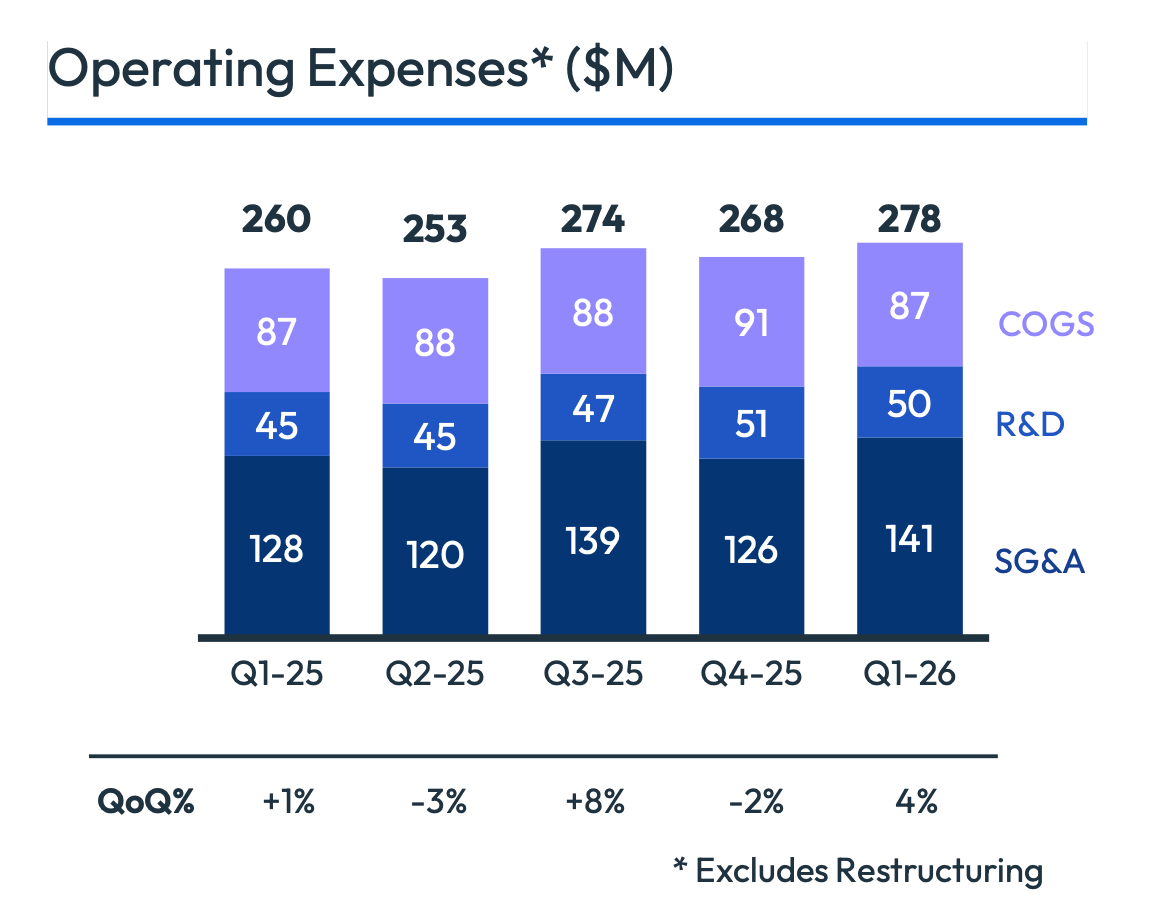
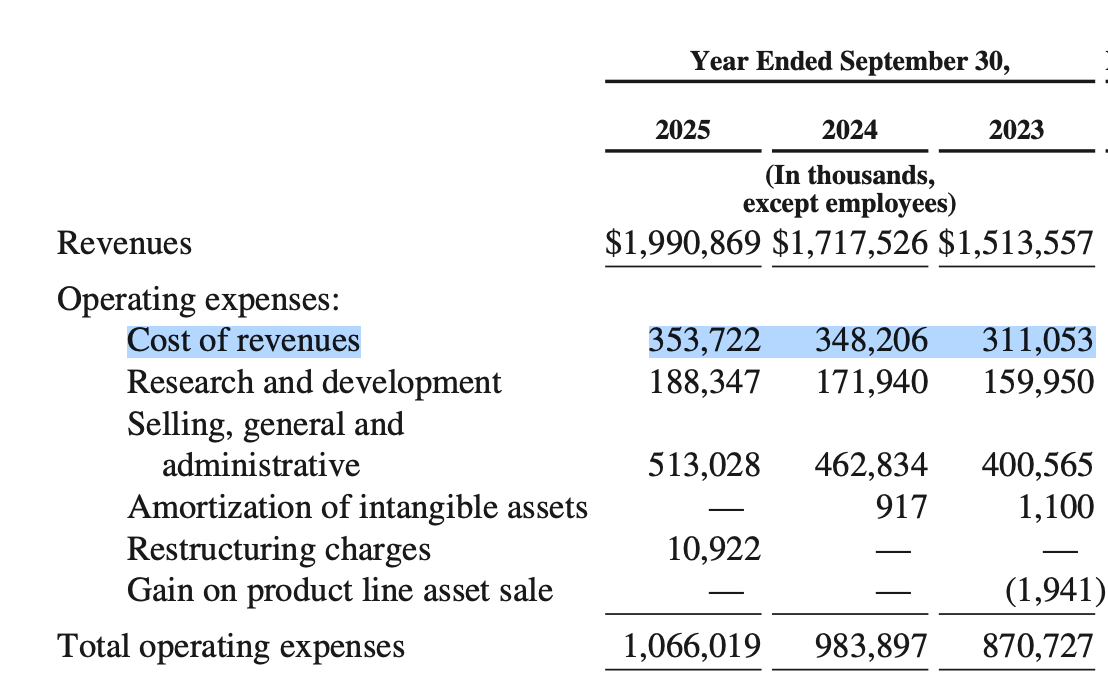
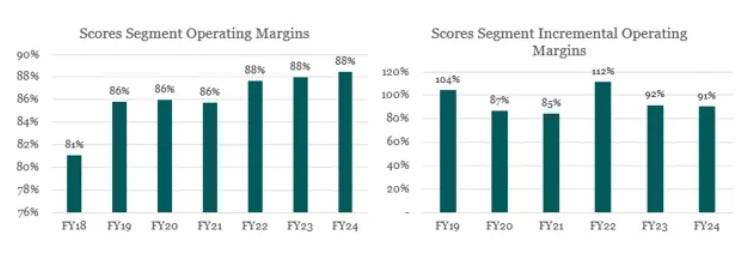
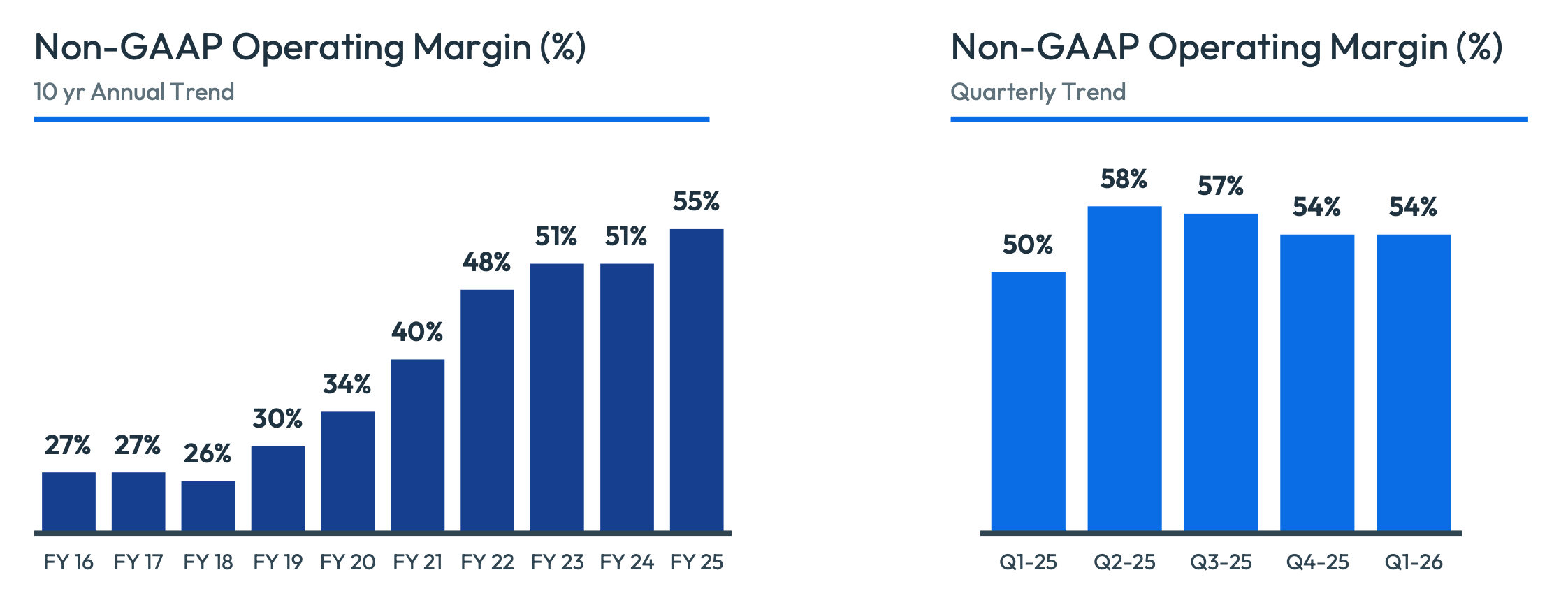
Margins: FICO’s gross margin across the entire business is approximately 83%, with the Scores segment operating at an impressive 88% operating margin.
The company’s incremental margins in this segment are particularly strong, averaging 95%+ over the last several years.
This high margin is a result of the relatively fixed cost structure of FICO’s scoring models – once the models are built, generating additional scores doesn’t require significant incremental investment.
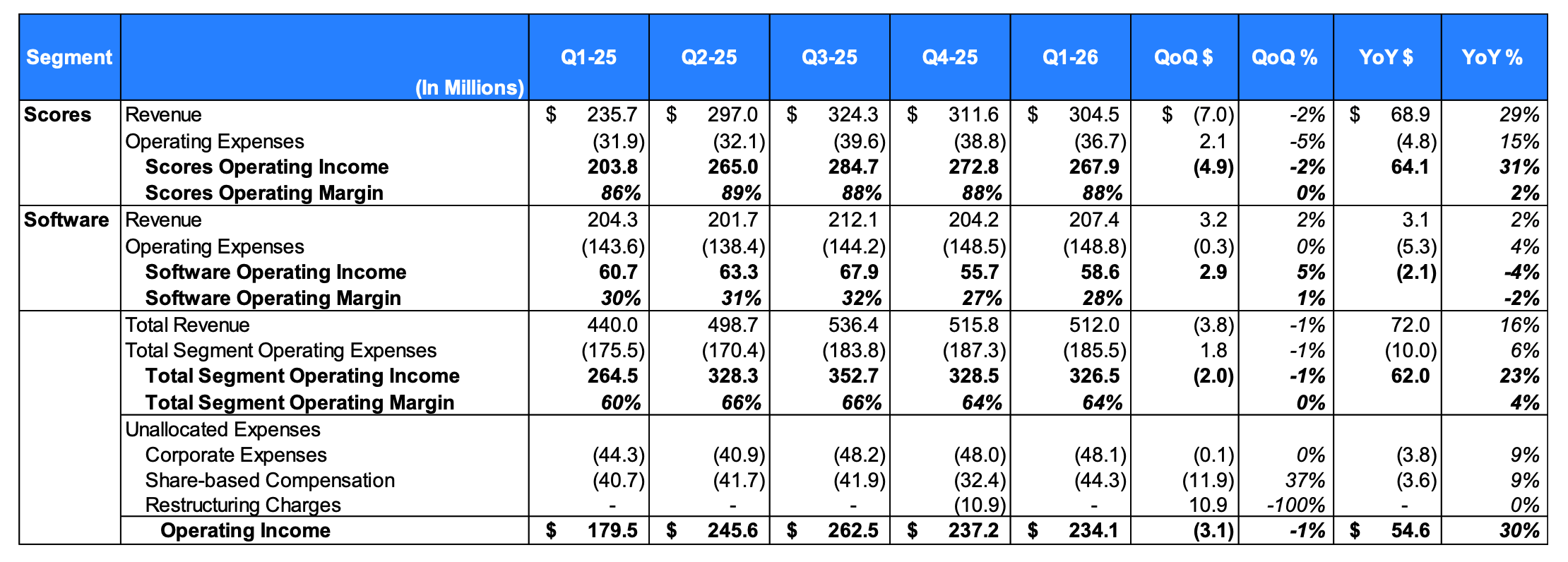
“I mean we still think there’s a lot of long-term margin. Frankly, we’re focused on growth right now, and we could easily drive more margin, but I think it would cost us in growth. And frankly, what we’re doing today in terms of investments that we’re making, like I said before, it’s really -- a lot of -- we’re making investments now in the short term to pull long-term costs out. And we’ll start to see that even as soon as next year that we’ll be able to pull a lot of costs out and that the cost of running these -- we should be able to inflate our gross margins just by doing some of the structural work we’re doing today.“ - March 2025 Call
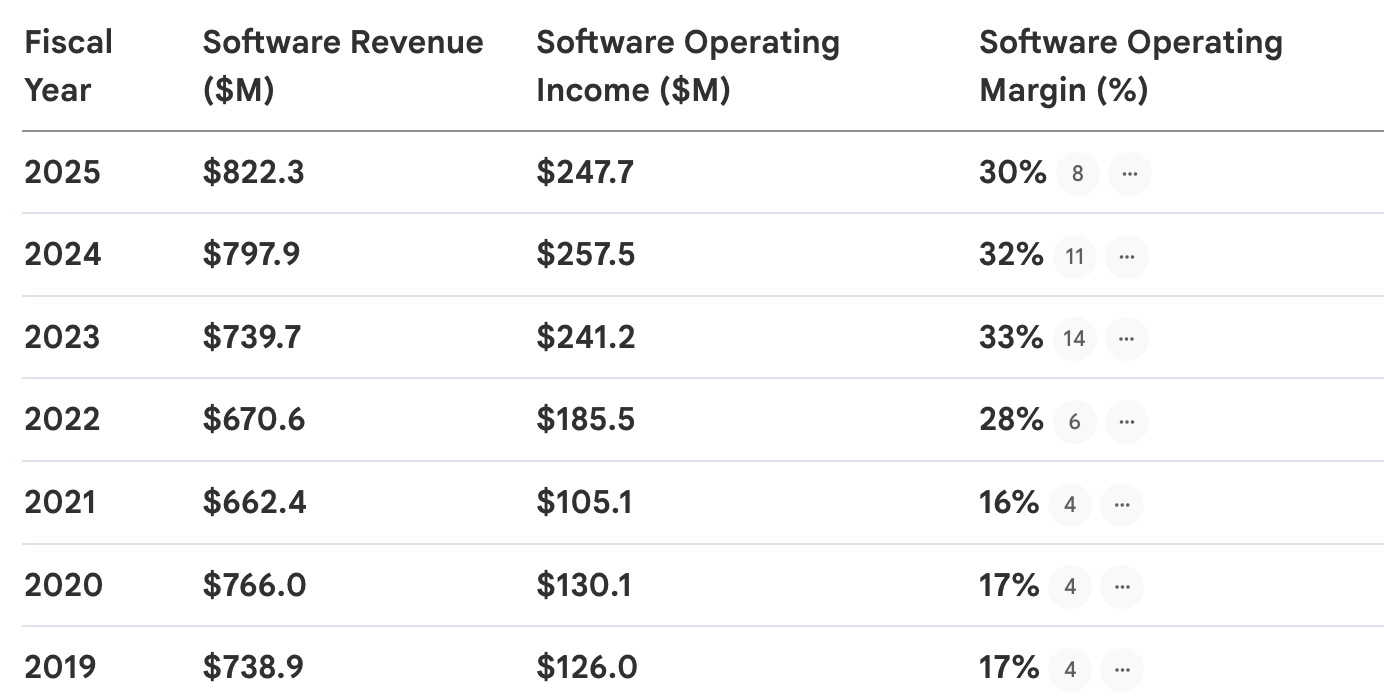
Operating margins for the software segment are somewhat lower than the Scores segment, at 28%–30%, but it represents a promising growth vector for the company.
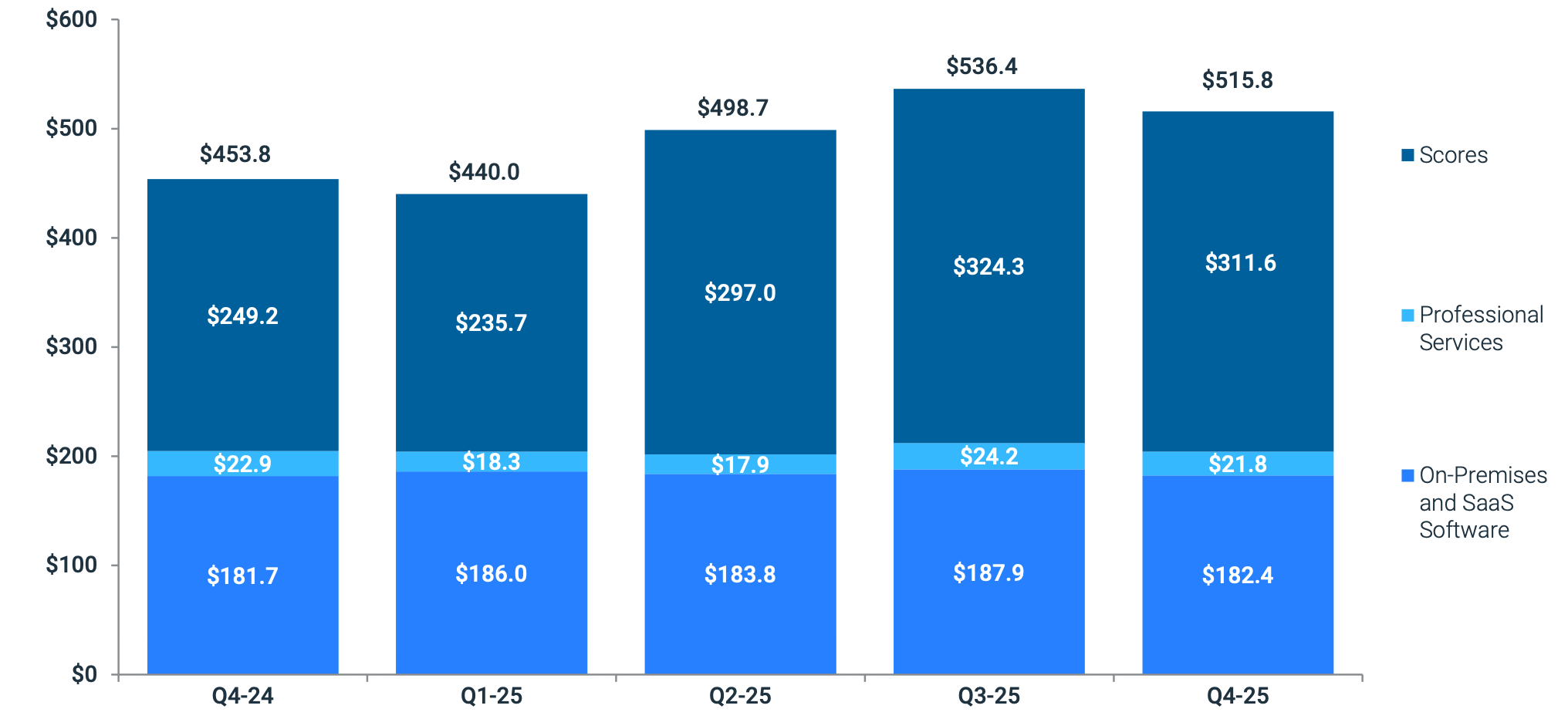
Software margins have also followed a long-term uptrend in this segment, but that margin expansion has slowed/stopped in the last two years.
“We continue to invest in our software business. We’re really bullish on it. It’s growing really nicely. We do anticipate margin expansion because our new platform is built for scaling profitably. And so the improvements to profitability of our software business will come more from additional volume and additional customers on the new platform versus reduced R&D spending, which, of course, is a lever and someday it will go down.“ - Q1 Call
Geographic Distribution
FICO’s primary operations are heavily U.S.-centric. In fiscal 2025, the Americas region accounted for 87% of the company’s total revenue, reflecting the company’s dominance in the U.S. credit system.
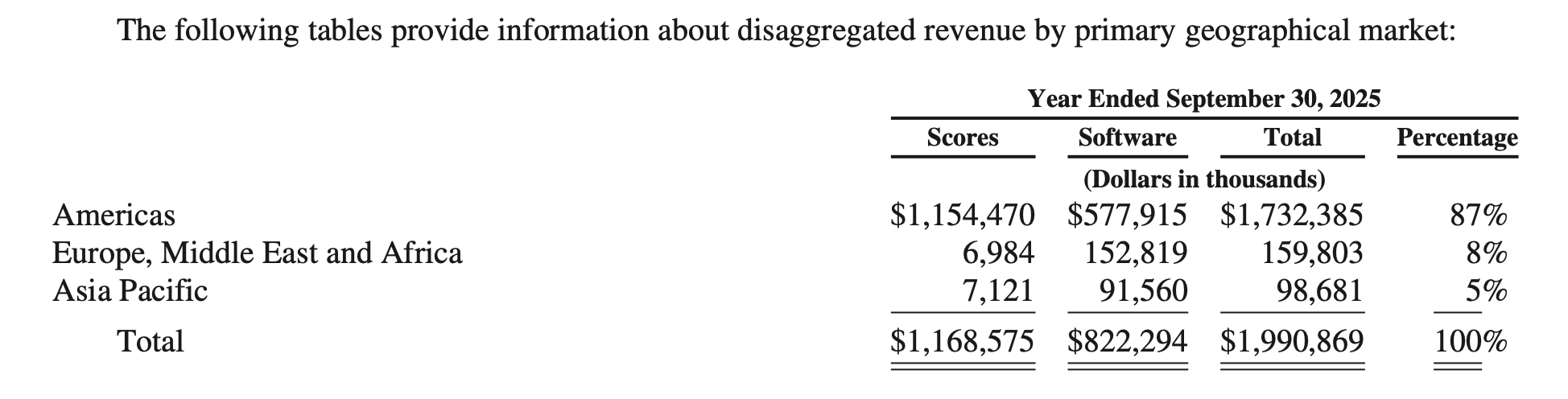
However, FICO operates in over 100 countries, with significant markets in the UK and Canada. In total, its Scores products are available in 40+ countries across five continents.
Legal and Operational Form
Fair Isaac Corporation (FICO) is a Delaware corporation, a structure that offers operational flexibility and access to robust legal frameworks. The company is headquartered in Bozeman, Montana, where it oversees its two main operational segments: Scores and Software.
Cyclicality and Recession Performance
FICO operates in a cyclical business, particularly dependent on the U.S. credit market and mortgage origination volumes. This makes the company vulnerable to fluctuations in economic cycles, especially when lenders tighten credit during recessions.
During the 2008–2009 financial crisis, FICO faced a significant downturn, with Scores revenue declining by approximately 27% to 29% as lenders pulled back on issuing credit. Despite the reduced demand for credit, FICO remained resilient, continuing to generate substantial positive operating cash flow. This demonstrates that while the company is exposed to cyclicality, its business model can still operate profitably during downturns, especially given the inherent demand for credit scoring.
Within FICO’s business, the B2B Scores segment is highly cyclical, as its revenue is directly tied to loan origination volumes. However, the B2C segment and Software segment, with their subscription-based models, offer more stability. In recent years, strategic price hikes since 2018 have helped offset fluctuations in volume, allowing FICO’s business to continue growing even during periods of depressed loan originations.
Key Performance Indicators (KPIs)
To gauge the performance of a company like FICO, it’s best focus on several key metrics that provide insight into growth, profitability, and long-term value creation.
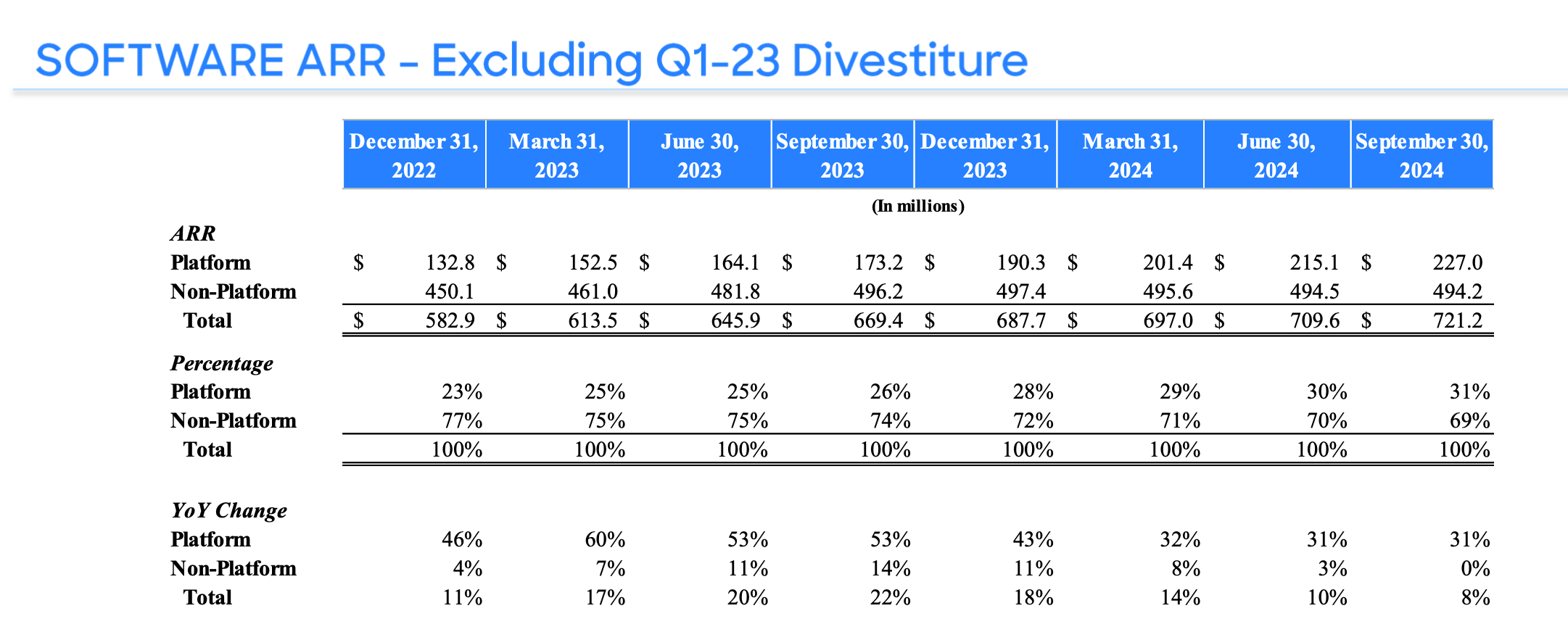
Annual Recurring Revenue (ARR): This is a key metric for the Software segment, tracking the annualized run-rate of both on-premises and SaaS agreements.
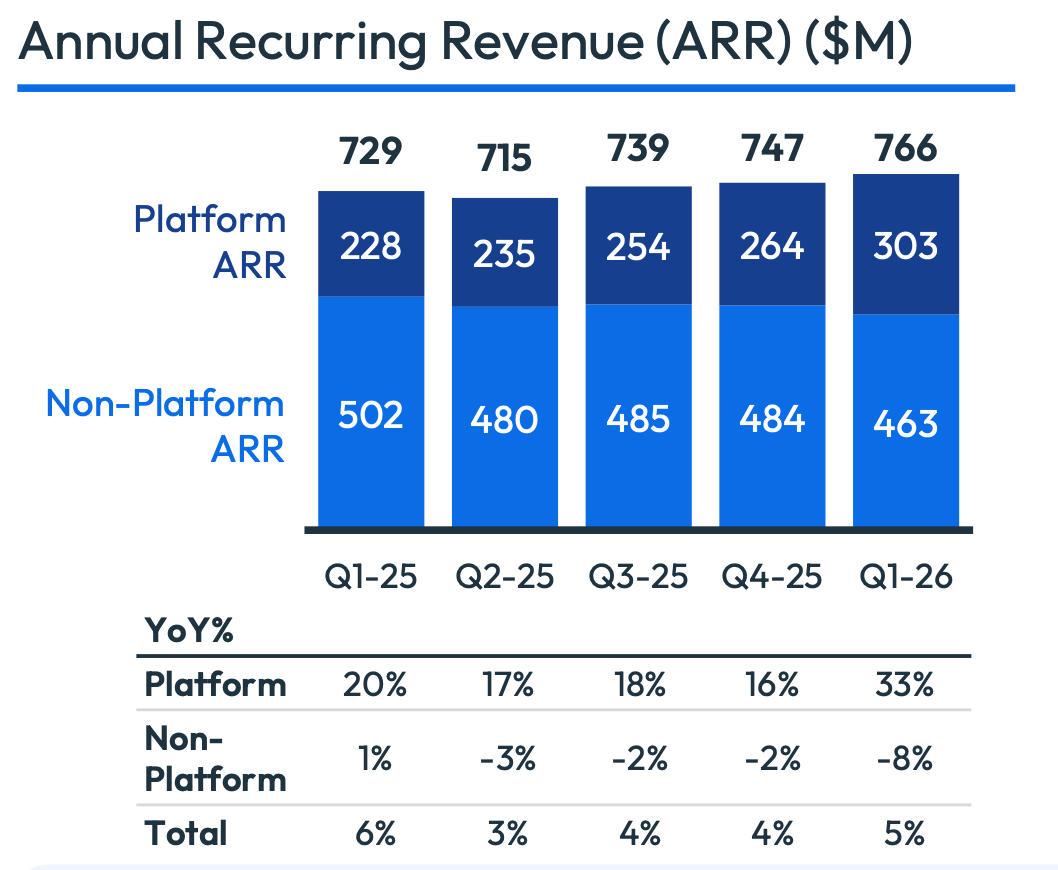
Platform ARR Share: This tracks the percentage of software revenue coming from the FICO Platform versus legacy products. A growing share from the FICO Platform is a positive signal of the company’s success in its cloud transition.
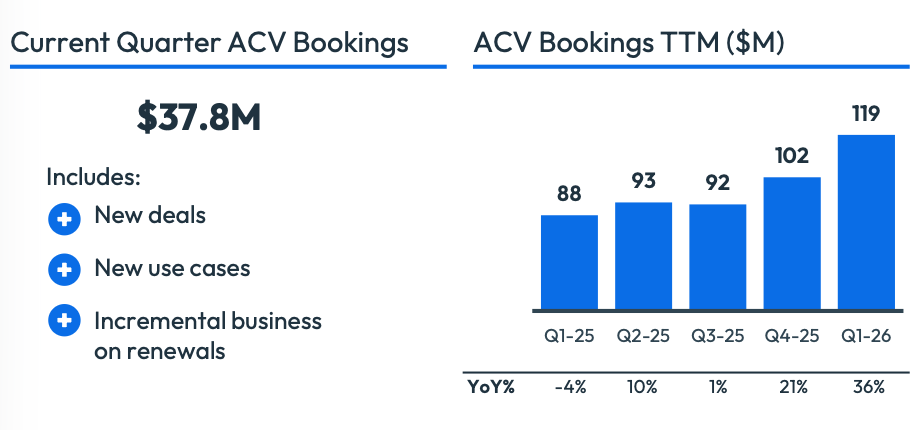
Annual Contract Value (ACV) Bookings: This measures the annualized value of new software contracts signed in a given period. It provides an early indicator of future revenue and growth potential.
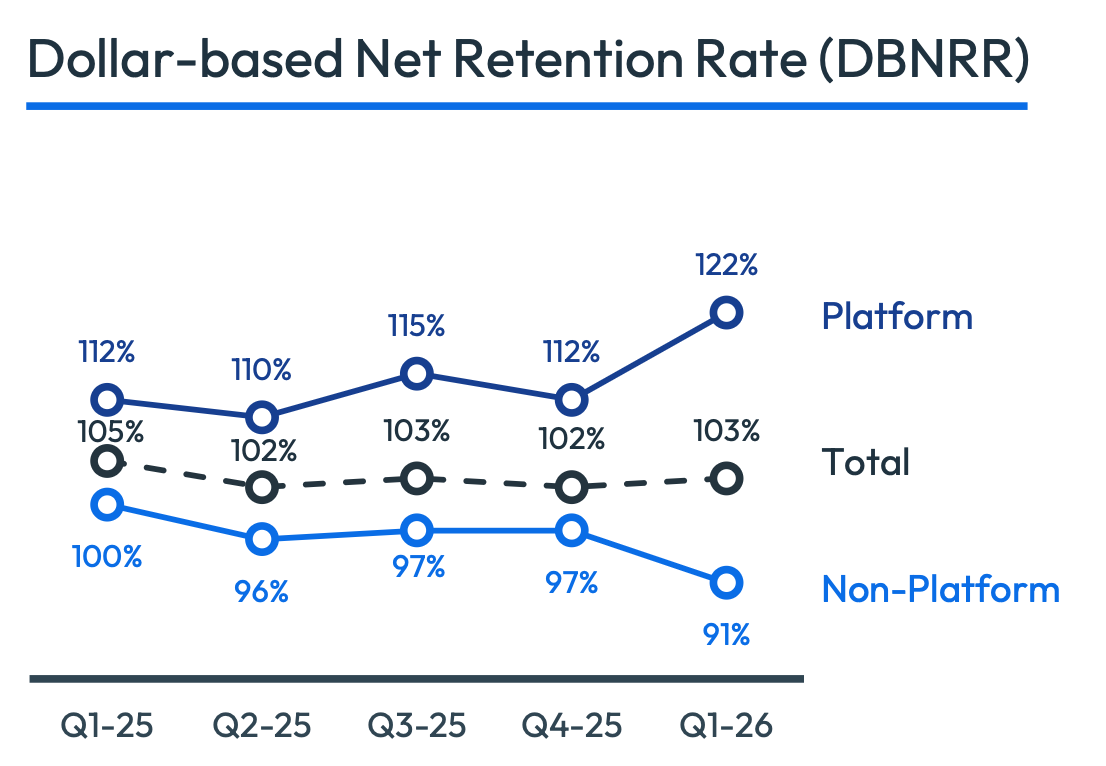
Dollar-Based Net Retention Rate (DBNRR): This metric measures the success of the company’s “land and expand” strategy. A higher DBNRR shows how well FICO is able to retain and grow spending from its existing customer base. For FICO, the DBNRR for Platform users is currently in the range of 122-146% – amazingly high!

Other primary factors that will drive FICO’s long-term value creation include:
Scores Unit Pricing and Mortgage Volume: The ability to continue raising prices for its scores while maintaining volume in the mortgage sector is a key growth driver for the company.
Revenue Concentration/Partner Mix: FICO’s dependency on the three national bureaus presents both an opportunity and a risk. Managing this concentration, the success of the direct licensing efforts, and successfully competing with/fndeing off VantageScore will be crucial for the company’s long-term success.
1.4. Customers
FICO solves a long-standing problem in the financial services industry: the need for predictive accuracy, model governance, regulatory comfort, and broad ecosystem acceptance when making high-stakes lending decisions.
As we learned, before FICO, lending decisions were often based on subjective or “vibes-based” judgments, which led to inefficiency, inconsistency, and even discrimination in credit approval processes. FICO introduced a standardized, objective three-digit score, which quickly became the universal language for risk in the financial world. This score allows a range of stakeholders – from borrowers, lenders, and investors to regulators – to communicate on common ground and make informed decisions based on data, not intuition.
If FICO were to disappear tomorrow, the impact on the U.S. financial system would be profound. The FICO Score is so ingrained in the infrastructure of modern credit that its absence would create significant operational disruption. Lenders would be forced to recalibrate their underwriting systems, while investors would lose a critical yardstick used to pool, slice, and price trillions of dollars in debt. In essence, FICO is the keystone that supports the arch of the U.S. credit system.
I believe, over the next decade, customers will continue to buy FICO’s product largely due to institutional inertia. Replacing FICO is not a simple task. As the saying goes, it’s like changing the engine of an airplane mid-flight. For the foreseeable future, FICO’s position as the trusted, standardized risk metric remains uncontested.
Customer Loyalty
FICO customers do not “love” the company or its products, but they most certainly need them. The FICO Score is seen as a regulated-utility-like necessity. It provides a standardized, defensible metric for lenders, ensuring that they have a reliable benchmark when approving loans. For many financial institutions, using FICO scores is more than just a choice – it’s part of a “Cover-Your-Assets” (CYA) strategy. If a loan goes bad, lenders can defend their decision by pointing to the FICO Score, which acts as a trusted, widely accepted measure of creditworthiness.
While FICO may not evoke the kind of passionate cult following that some consumer brands do, it has created a loyal customer base that relies on its products. This loyalty is less about emotional attachment and more about institutional trust and high switching costs. Entire workflows, compliance processes, and audit trails are embedded with FICO bands, making it difficult for customers to switch to other solutions without incurring significant costs and risks.
Core Customers
FICO’s core customers are corporations and financial institutions, rather than individual consumers.
“[Our score] is used in most U.S. credit decisions, by nearly all major banks, credit card issuers, mortgage lenders, and auto loan originators.“
FICO’s B2B products cater predominantly to institutions and lenders, which can range from large national banks to smaller credit unions. The company serves approximately 90% of the top U.S. lenders and three-quarters of the largest 100 banks worldwide, making its customer base both large and highly influential. This highlights FICO’s central role in the credit decisioning ecosystem and its ability to influence major financial players globally.
In addition to its corporate and institutional customers, FICO also serves approximately 200 million U.S. consumers through myFICO.com and its “Open Access” programs, where partner banks offer FICO scores for free to their customers.
The core customer base for FICO’s B2C products includes adults aged 35 and older, who are more likely to be managing significant credit relationships, such as mortgages, car loans, and credit cards.
1.5. Simplicity & Industry Analysis
FICO operates in the credit risk analytics and decisioning software industry. The core of FICO’s business, the Scores segment, can be described as a “toll-bridge monopoly.” FICO extracts a fee for nearly every credit decision made in the U.S. This monopolistic structure provides high operating margins; as discussed currently 88%, with incremental margins nearing 95%+.
The economics of this industry make it difficult to disrupt. This is due to institutional trust – lenders, regulators, and investors all rely on FICO as the common language of risk, which has become deeply embedded in the $12 trillion U.S. mortgage market. Given that FICO’s credit scores are so universally recognized and relied upon, it has become virtually indispensable in the financial ecosystem. This institutional entrenchment creates a high barrier to entry, ensuring FICO’s continued dominance for the foreseeable future.
Competitive Landscape
FICO has long been the undisputed leader in the credit scoring market, thanks to its entrenched position as the industry standard. However, the competitive landscape is shifting, with several emerging players attempting to capture a slice of the pie.
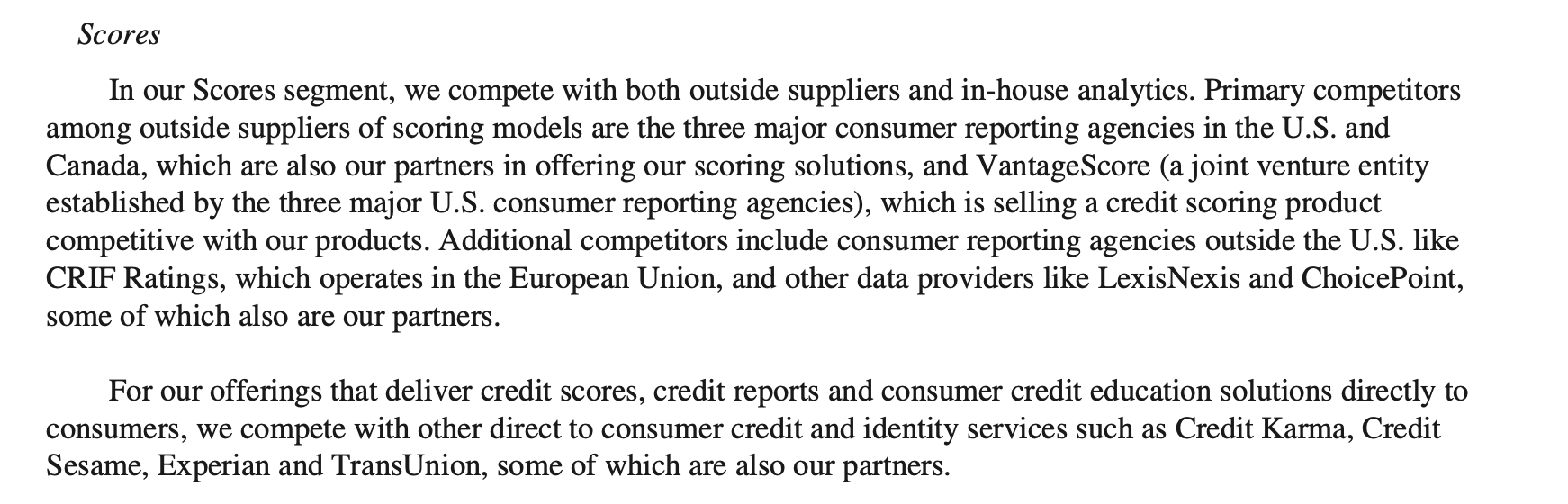
The most prominent competitor to FICO is VantageScore, a joint venture between the three major credit bureaus – Experian, TransUnion, and Equifax. VantageScore’s unique selling proposition is inclusivity, as it aims to score consumers with limited credit histories by using alternative data, such as rent and utility payments. This model has gained some traction, especially in the point-of-origination market. But despite VantageScore’s advances, FICO continues to maintain a dominant position, primarily due to its proven track record over economic cycles, including the Great Recession. Additionally, FICO’s stronghold in the secondary market – where 98.8% of U.S. mortgage-backed securities rely on its scores – remains unchallenged, allowing it to continue playing a critical role in global risk communication.
In July 2025, however, the Federal Housing Finance Agency (FHFA) approved VantageScore 4.0 for use in Government-Sponsored Enterprises (GSE) mortgages, marking a major challenge to FICO’s monopoly in the mortgage market. This approval allows lenders to use VantageScore alongside FICO, potentially reducing FICO’s market share in new mortgage originations. Additionally, the three credit bureaus, which once partnered with FICO to distribute its scores, are now actively competing with it by bundling VantageScore scores at a fraction of FICO’s price – $1–$4 compared to FICO’s $10. This pricing strategy aims to encourage lenders to switch to VantageScore, putting pressure on FICO’s dominant position and, by extension, its pricing power.
According to Fair Isaac’s management, this move, a move to a more competitive market structure, may, however, somewhat counterintuitively, elicit its own set of unintended detrimental consequences:
“As for lender choice, the FHFA has long rejected the practice because it undermines the safety and soundness of the enterprises and their counterparties, damaging liquidity in the $12 trillion mortgage industry. Lender choice encourages mortgage participants to shop for the most [ lax ] score, which drives unavoidable gaming and adverse selection for all risk holders. It creates a race to the bottom by incentivizing score providers to weaken their credit decision criteria to score more consumers and one more business with their score, which will lead to increased costs for consumers. Lender choice will result in higher capital requirements from regulators that the holders of mortgage risk will have to bear, and American taxpayers will bear significant additional risk. Any initiative to promote competition and ultimately lower cost should include the best Score, which is FICO Score 10 T.“ - FY25 Q3 Call
“here’s the real challenge with moving to bi-merge. It’s the same problem that we have with lender choice. When you get to choose between 2 credit Scores or when you get to choose your favorite 2 out of 3 credit bureaus, you’re going to have gaming, you’re going to have adverse selection. You’re going to have all of these -- all these problems occur. And there’s a cost to be paid for that. That cost ultimately gets paid by Fannie and Freddie and potentially the U.S. taxpayer. And so that is the biggest problem that has to be overcome. And frankly, I don’t know what kind of a solution there is to that. It’s structural.“ - FY26 Q1 call
Here’s one case study worth looking into: In 2021, Synchrony – the heavyweight champion of private-label credit cards – finally pulled the trigger and swapped FICO for VantageScore after years of testing. It was a move that sent shockwaves through the industry. However, the initial post-mortem was less than glowing. Dev Kantesaria provided a sobering perspective on this during his 2023 appearance on Business Breakdowns, arguing that the risk-reward profile of this shift seemed fundamentally skewed. He noted that while Synchrony is massive, the move only saved them roughly $2 million to $3 million a year. Against an $18 billion revenue base, that is a rounding error. Kantesaria’s thesis back then was simple. You trade away the gold standard for a cheaper model, but you lose the ability to securitize your debt at the most attractive rates. Investors want what they know. To him, VantageScore was relegated to the “marketing and lead generation” bin where being exactly right is less vital than being cheap. It was a compelling bear case for the challenger.
“Vantage score has significant share in areas like marketing and lead generation where you have the cheapest scores where it’s not as critical that the decision is Right importantly in 2021 a major company in the industry Synchrony which is the largest provider of private label credit cards in the U.S switched a vantage score from FICO after a three-year transition period and at the time this class is quite a stir but after the implementation process analysts estimate that synchrony will only save two to three million dollars a year on a revenue base of 18 billion what they lost by switching away from FICO scores was the ability to for example securitize their debt at attractive interest rates so given the limited risk reward of switching I see very few companies following Synchrony.“
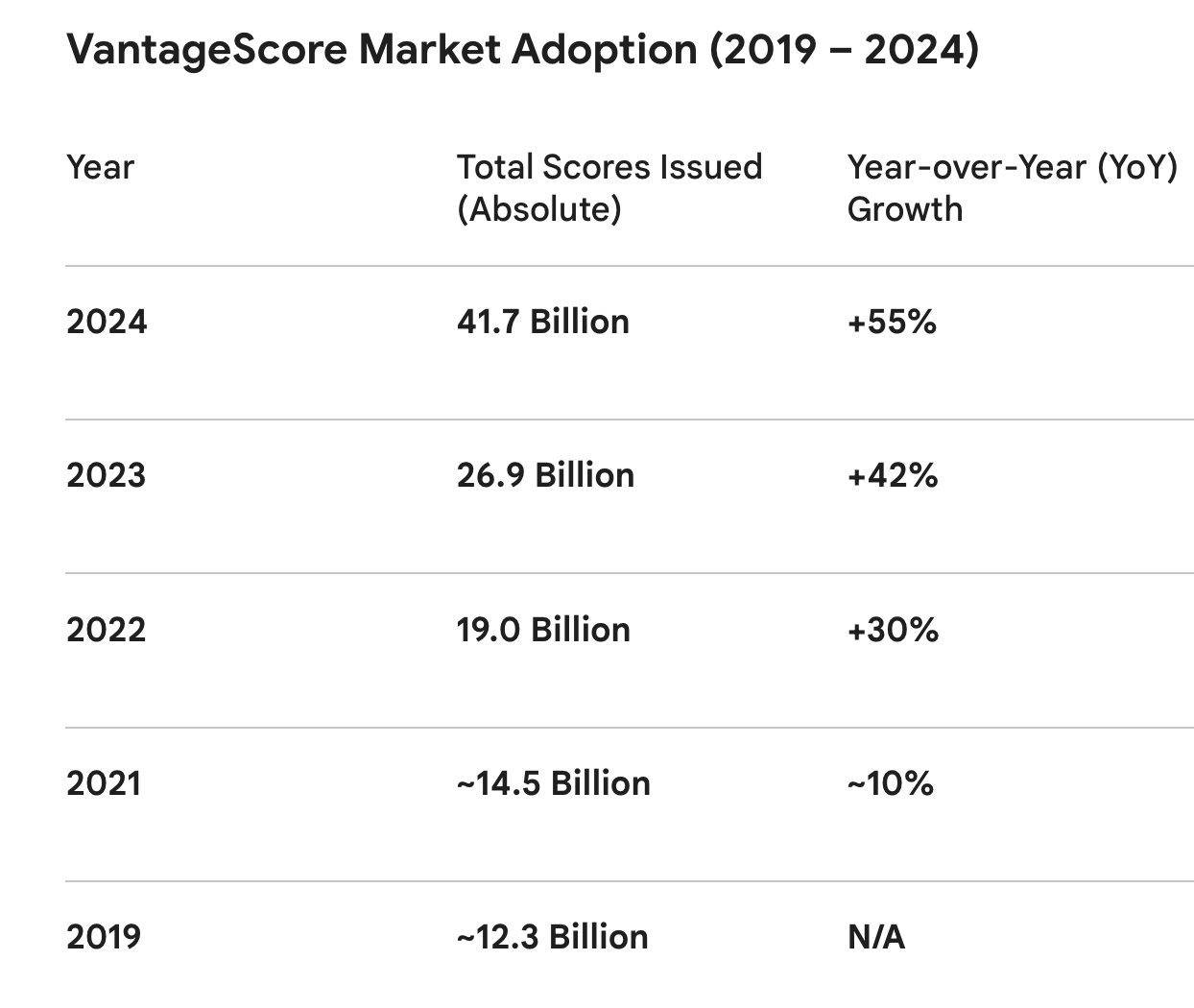
But things move fast. There’s some evidence that the “marketing-only” label is not entirely accurate. VantageScore usage surged to a staggering 42 billion scores in 2024, representing a 55% year-over-year increase. That is not just marketing fluff. It represents real-world adoption in core credit decisions. The landscape shifted further in 2025 when the FHFA officially approved VantageScore 4.0 for GSE mortgages. This is a massive shift.
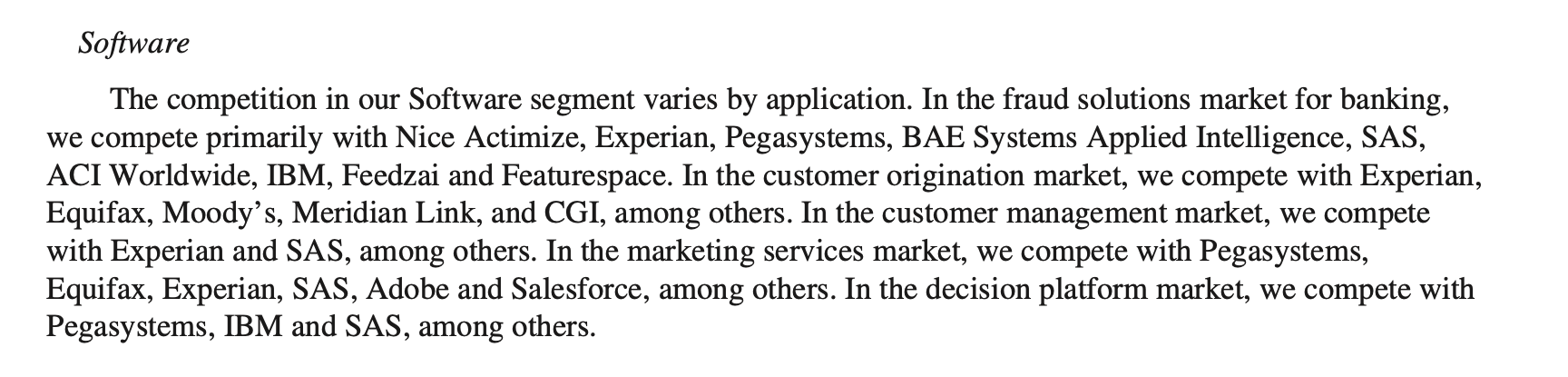
FICO’s software business – especially its FICO Platform – faces a different set of challenges. Here, competitors such as Pegasystems, SAS, and Zest AI are leveraging AI-driven solutions to offer advanced underwriting tools, fraud detection, and customer management solutions. However, these competitors lack the structural leverage to damage FICO in the short term, as they do not have the deep-rooted position FICO holds in both the consumer credit and institutional risk communication markets. As such, while FICO’s software business faces growing competition, it remains a high-growth segment with faster expansion compared to the more mature Scores business.
Looking ahead, FICO is in a pivotal position. Its ability to maintain its premium pricing in the mortgage sector depends on the continued superiority of its FICO 10T model. With its superior predictive accuracy, FICO hopes to justify the price premium over competitors. Meanwhile, FICO must continue to accelerate the Platform as part of a strategy to future-proof its growth. If FICO can successfully expand its Platform business and weather the storm of regulatory pressures, it will likely remain a leading player in the credit scoring and decision intelligence space. However, the next 18-24 months are crucial: FICO must prove its software business can scale and survive the potential commoditization threat to its traditional scoring model. If it cannot, the market may view its premium valuation as increasingly untenable. The market is lowering the assigned multiple is what’s already happening in fact.
TL;DR: FICO’s Business Model Summary
FICO is the universal language of risk in the U.S. economy. It acts as an essential toll-booth on nearly every loan or credit card application, making its products indispensable for financial institutions. FICO serves as critical infrastructure for the financial world, offering a near-monopoly with 90% profit margins and the ability to raise prices significantly without losing customers. Even as regulators try to introduce competition, the trust the global financial system has in the FICO Score creates a “solid gold” moat that should continue to deliver value and grow for years to come.
This concludes our overview of FICO’s business model – a uniquely dominant ‘toll-bridge’ with operating margins that most tech giants would envy. However, a world-class business model is only one piece of the investment puzzle. To determine if Fair Isaac remains a generational compounder or a value trap in the making, we must look deeper. In the upcoming parts of this series, we will move beyond the mechanics of the ‘toll-booth’ to analyze FICO’s competitive moat, the leadership team steering the ship, the health of the balance sheet, the critical risks of AI and regulation, and finally, a comprehensive valuation to see if the current 50%+ drawdown is a true entry point.
Part 2 – Business Quality
2.1. Competitive Advantage Analysis
The Tollbooth Model
Based on the understanding of FICO’s business model that we developed in part 1, I want to start this “competitive advantage discussion” with a more general observation:
The “financial tollbooth” model is a powerful and enduring business model that continues to create clear winner-takes-all or winner-takes-most dynamics in many industries. Companies like S&P Global, Wise, LSEG’s clearing business, Moody’s, MSCI, CME Group, and Mastercard/Visa are all prime examples of businesses that sit at the heart of the financial system, taking a small fee every time money moves or decisions are made. These tollbooths thrive because they are embedded into the system itself – they don’t manufacture physical goods or take on significant capital expenditures, yet they continue to enjoy exceptional margins and stable, recurring revenue streams.
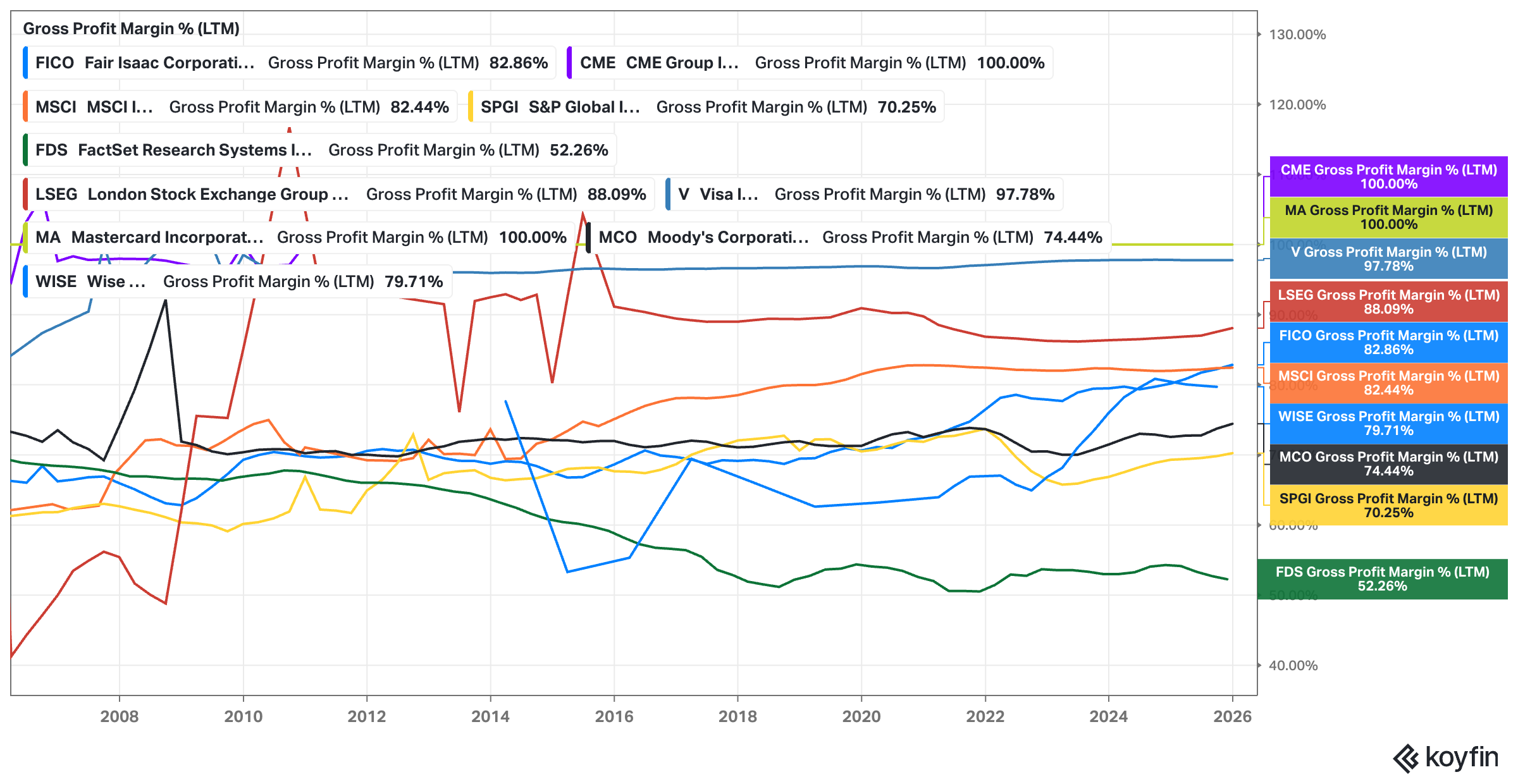
Their fees, often a tiny percentage of a much larger transaction, are largely invisible to end-users, making them highly efficient revenue generators. And the best part? Once these tollbooths are in place, they benefit from tremendous scalability with minimal ongoing investment.
Get 3 FREE GIFTS when you subscribe: 📈 Valuation Spreadsheet 📚 eBook: Investing Visualizations 💡 eBook: 250 Thought-Provoking Quotes - Join 4,000+ subscribers.
For FICO, its tollbooth model is equally powerful. It’s embedded at the very heart of the U.S. credit and mortgage markets. In 2025, FICO scores were used in over 90% of top U.S. lending decisions. Each time a consumer applies for a loan, buys a car, or even rents an apartment, a FICO score is used to assess their creditworthiness. Just like Visa and Mastercard, FICO charges a small fee (typically only about 0.2% of the average mortgage closing cost) every time a transaction occurs. With its status as the de facto standard in U.S. credit risk assessment, FICO remains indispensable.
Similar to MSCI, FICO’s pricing power and dominance in the industry are underpinned by its cultural and regulatory embeddedness. FICO scores are so deeply woven into the financial fabric that they are the primary measure of risk in the U.S. mortgage industry, where 98.8% of all U.S. mortgage-backed securities rely on FICO scores for risk assessment.
Despite these advantages, FICO’s position in the financial tollbooth space is not without its risks. While VantageScore, a joint venture of the three major U.S. credit bureaus (Experian, TransUnion, and Equifax), has been working to challenge FICO’s dominance, the competitive dynamics in the industry – at least so far – are still structured in a way that benefits FICO. The credit scoring market, much like other financial tollbooths, exhibits clear winner-takes-all or winner-takes-most characteristics.
We embedded this FICO management comment from 2025 in part one, explaining the nature of this industry structure:
“As for lender choice, the FHFA has long rejected the practice because it undermines the safety and soundness of the enterprises and their counterparties, damaging liquidity in the $12 trillion mortgage industry. Lender choice encourages mortgage participants to shop for the most [ lax score, which drives unavoidable gaming and adverse selection for all risk holders“
And today I stumbled across this comment by Akre Capital (especially known to be a long-term Moody’s shareholder), who made a similar point:
“Allowing lenders to cherry-pick a single score creates “rating shopping,” selecting the highest score rather than the most accurate or most accepted. This leads to an adverse-selection problem for consumer-credit investors. FICO’s dominance is a market-driven outcome because it is the score demanded by investors.”
In short, once a standard is established, it is extremely difficult to get a competing standard off the ground.
The industry structure is worth noting, as FICO’s tollbooth model shares characteristics with other leading firms like S&P Global and Moody’s in debt markets or CME Group in futures and commodities trading. These companies, much like FICO, charge fees each time a decision is made, whether it’s through credit ratings, securitization, or trade execution. Their economic model is brilliant in its simplicity – asset-light, with virtually all revenue flowing to the bottom line. Unsuprisingly, their stocks crushed it over the last 20 years.
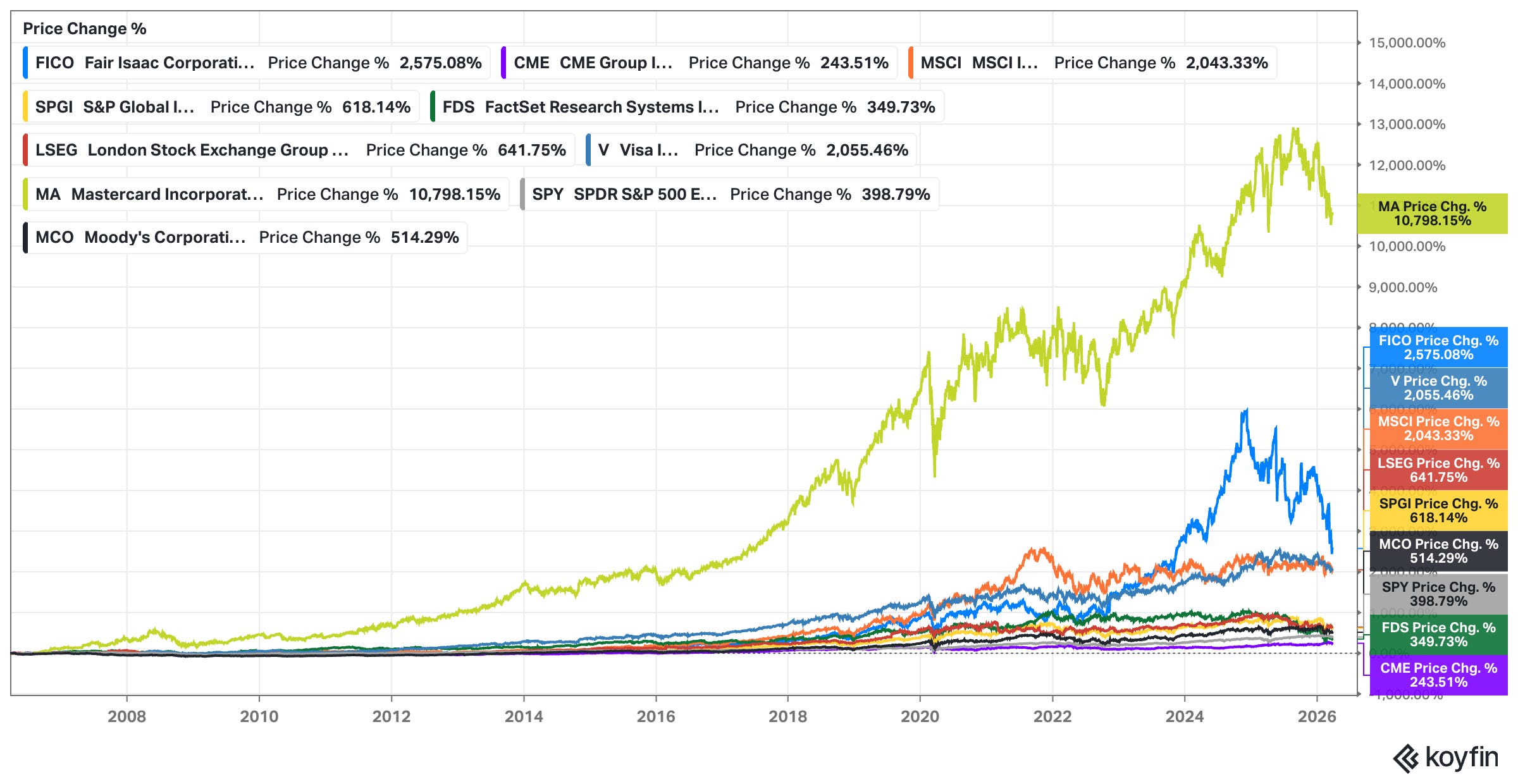
CME Group, for instance, benefits when market volatility increases, as more trading activity translates into higher revenues. MSCI, meanwhile, has a different spin on the tollbooth model. By charging a small fee on trillions of dollars tied to financial benchmarks, MSCI’s pricing power remains largely invisible to individual users, making it extremely durable and less sensitive to regulatory pushback.
In FICO’s case, the risk to its tollbooth model stems from growing competition within the Scores segment and its increasing vulnerability to pricing scrutiny. While it has successfully raised prices for mortgage scores by 1,600% between 2022 and 2026, the pressure from the credit bureaus, which now act as both partners and competitors in the space, is intensifying. The recent approval of VantageScore 4.0 for use in government-backed mortgages by the FHFA in July 2025 is a pivotal development, undermining FICO’s monopolistic pricing power. This move is significant as it potentially opens the door for lenders to diversify their score sources, potentially squeezing FICO’s ability to maintain its past pricing leverage.
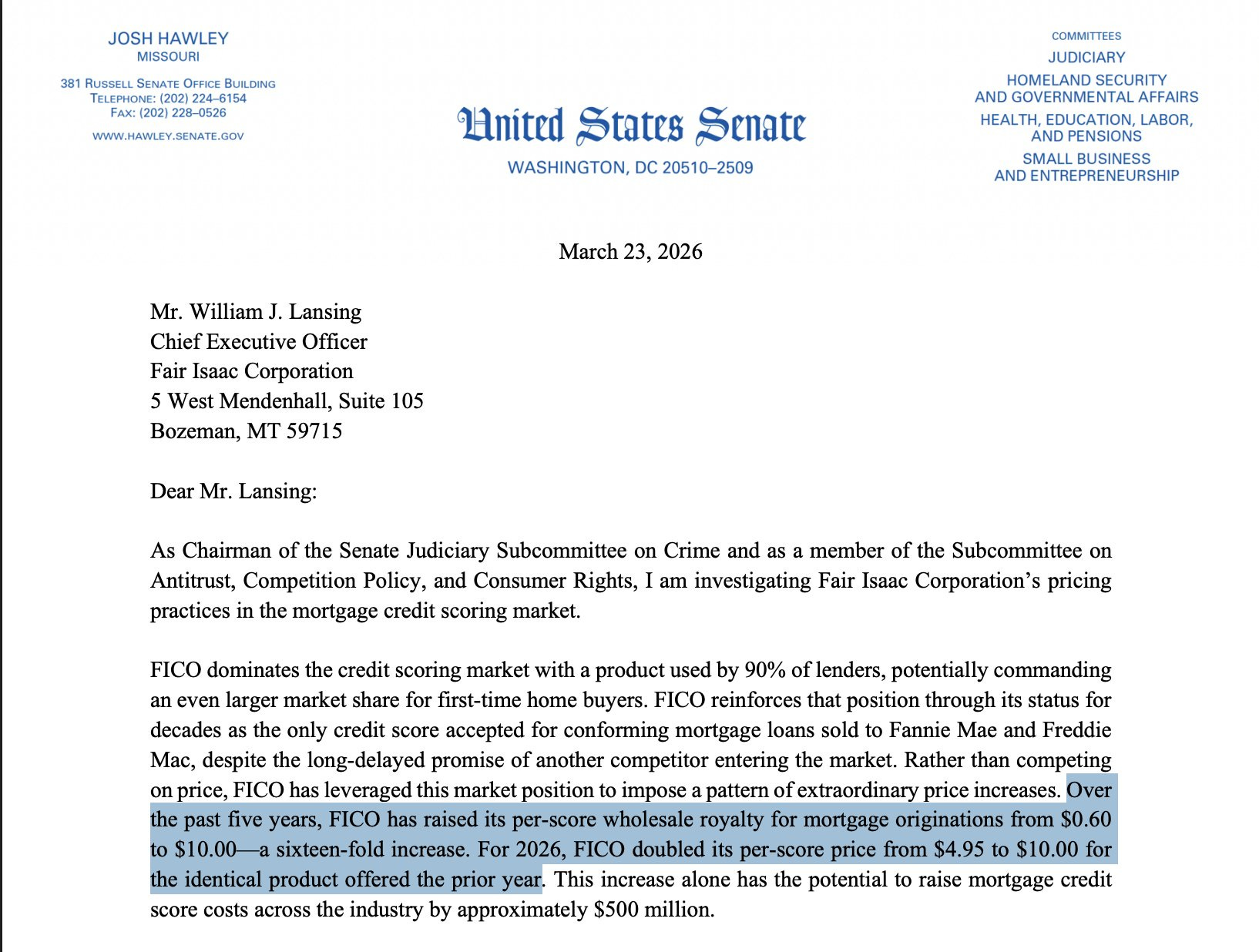
Despite these threats, FICO’s business model remains incredibly resilient. Its “tollbridge” strategy, similar to that of companies like Verisk Analytics (which serves the insurance industry) continues to generate exceptional margins. These businesses all share a common trait: they operate as essential intermediaries in systems that are difficult to disrupt.
A Powerful Industry Standard
This is where it gets interesting
Become a paying subscriber to read the rest of this post and get access to all of my other research, including valuation spreadsheets, deep dives (e.g. well-known mid- and large caps such as LVMH, Duolingo, Meta, Edenred as well as more hidden gems such as Tiger Brokers, Digital Ocean, Ashtead Technologies, InPost, Timee, and MANY more), and powerful investing frameworks.
Annual members also get access to my private WhatsApp groups – daily discussions with like-minded investors, analysis feedback, and direct access to me.
What should’ve become clear by now is that FICO has built a strong and entrenched competitive advantage over decades, earning its position as a critical player in the credit risk ecosystem. The company’s moat isn’t just based on proprietary technology – its algorithm – or pricing power; no, it extends deeply into institutional and regulatory landscapes, making it difficult for competitors to disrupt.
FICO’s competitive advantage can be described as a “toll-booth monopoly” within the U.S. credit ecosystem. Its FICO scores are used in 90% of U.S. lending decisions and are cited in over 95% of the total dollars in U.S. securitizations. This wide adoption creates a common language for risk – a standard measure that allows borrowers, lenders, and investors to communicate effectively across the massive $12 trillion mortgage market. FICO’s reach is so broad that its score has truly become embedded in the DNA of the U.S. financial system.
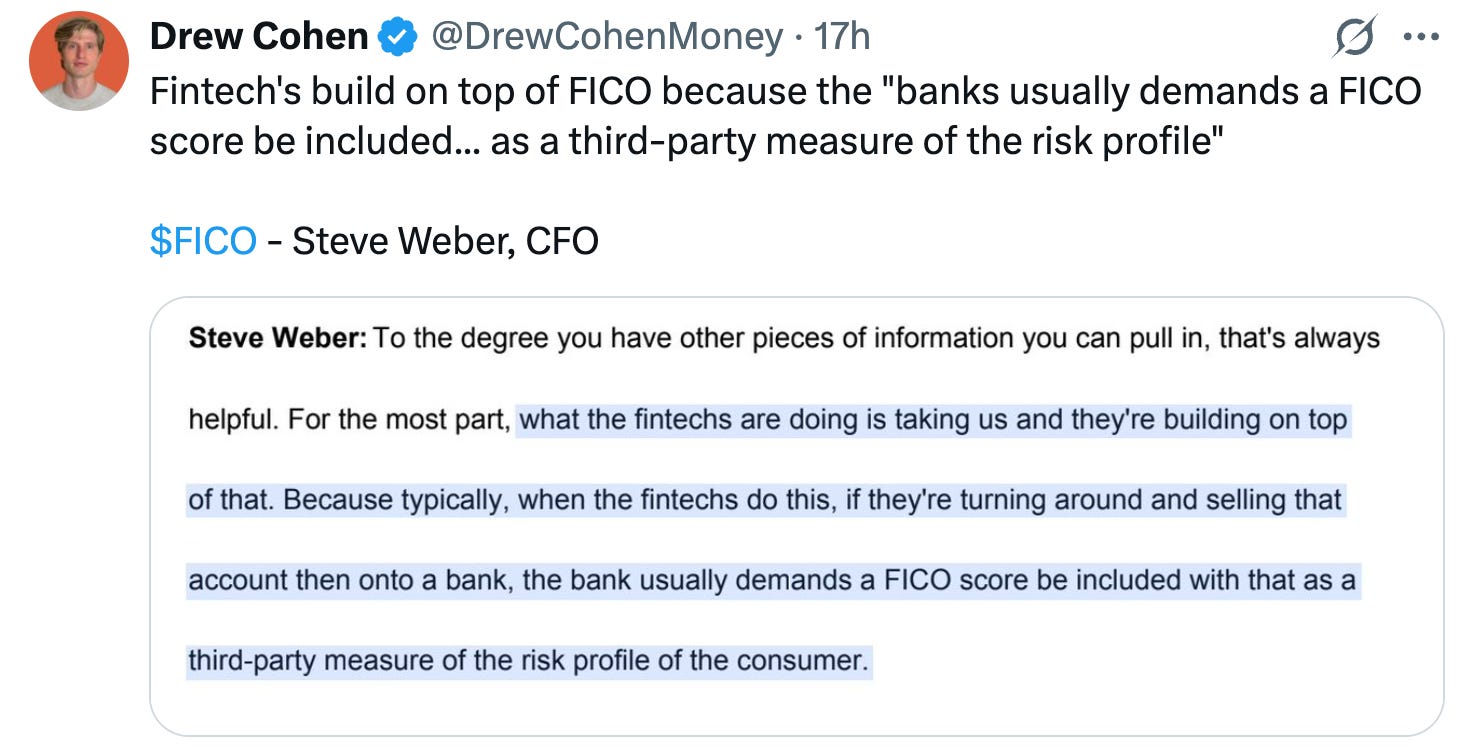
The barriers to entry in the credit risk analytics industry are hence exceptionally high. It’s not just about the math behind FICO’s models; it’s about the institutional trust the company has built over decades. Lenders have hard-coded FICO algorithms into their credit policies, underwriting systems, and regulatory compliance workflows, making it difficult – if not impossible – for new competitors to replace FICO’s score. Changing a foundational element like this is often likened to “changing the engine of an airplane mid-flight” – it would require the simultaneous recalibration of thousands of financial institutions, regulators, and investors.
FICO’s Pricing Power: A Double-Edged Sword?
FICO’s pricing power is one of its most notable advantages. The company has demonstrated its ability to raise prices without significantly impacting volume, which is a remarkable feat in any business. Since 2018, FICO has implemented “special pricing hikes”, leading to the above-mentioned 16x price increases over less than a decade. We’ll discuss this further in the management segment, because the question you need to ask here is whether it has overplayed its hand here.
“FICO raised its prices for Fico scores something like 16x over 8 years. Common sense should tell you that this muscle cannot be flexed anywhere to the same extent going forward.“ - from a private DM I sent to a friend this week
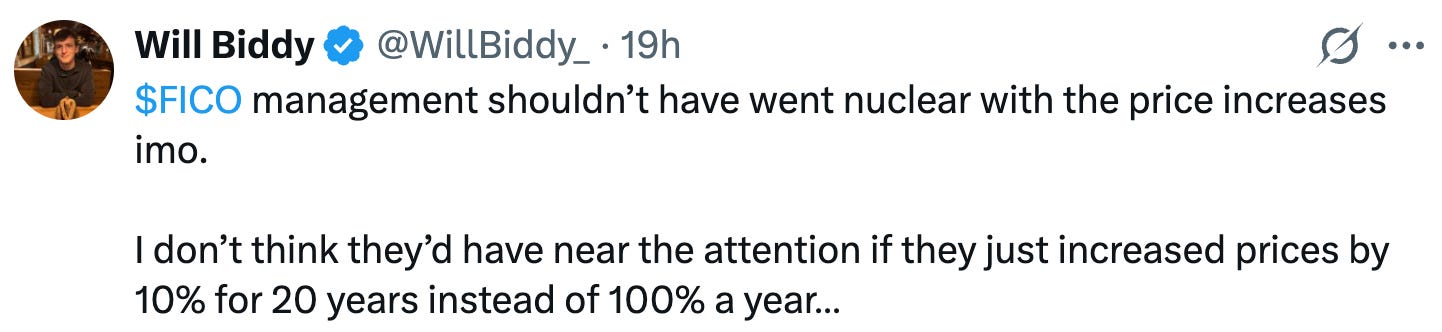
Of course, this pricing power has (partly) contributed to the amazing stock performance over the last decade. It has allowed the company to maintain strong revenue growth, even amid fluctuations in loan origination volumes. But again, you got to wonder whether FICO will possess the same pricing power going forward.
More generally, the core reason FICO can raise prices is simple: its product is a “rounding error” in cost but mission-critical in consequence. The cost of a bad loan decision is far higher than the cost of a FICO score, so lenders have little incentive to switch to alternative models, even at a higher price.
Pricing Power – A Historical Perspective
FICO’s pricing strategy has undergone a dramatic shift over the past few decades, evolving from a period of stagnant prices to an aggressive “value recapture” approach that, as discussed above, has significantly impacted its revenue growth. For much of its history, though, particularly from the introduction of the modern FICO Score in 1989 until 2017, the company adhered to a “dormant” pricing model. During this time, FICO’s credit score royalty rates remained unchanged in real terms, and the company’s revenue was largely volume-dependent – relying on the number of mortgage, credit card, and other loan applications rather than on increasing its prices.
Between 2005 and 2018, FICO’s total earnings even contracted, with revenue growing at a modest compound annual growth rate (CAGR) of around 2%.
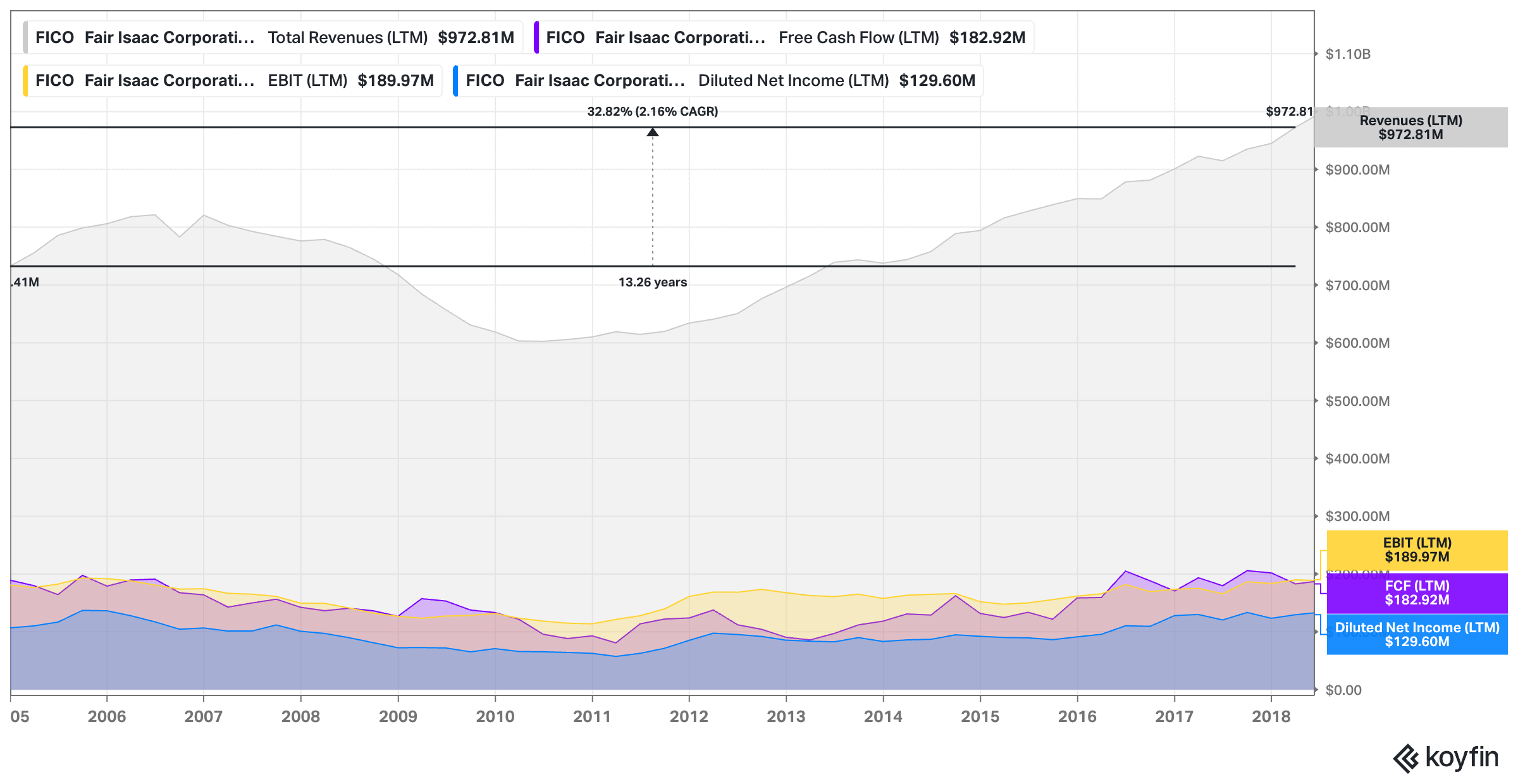
This period of lackluster performance was largely due to FICO’s focus on ensuring its score was widely adopted rather than increasing its price.
FICO’s strategy during this time can be characterized as a “low price” approach designed to lower friction and accelerate widespread adoption of its credit scoring system. By keeping the cost of a FICO Score low – pennies for credit cards and a few dollars for mortgages – the company ensured its algorithm became the “common language” of risk. This strategy helped FICO solidify its dominance but also limited its ability to generate higher margins from its core product. It wasn’t until 2018 that FICO made a significant pivot, shifting from this “low-price” model to a strategy focused on aggressively monetizing its position.
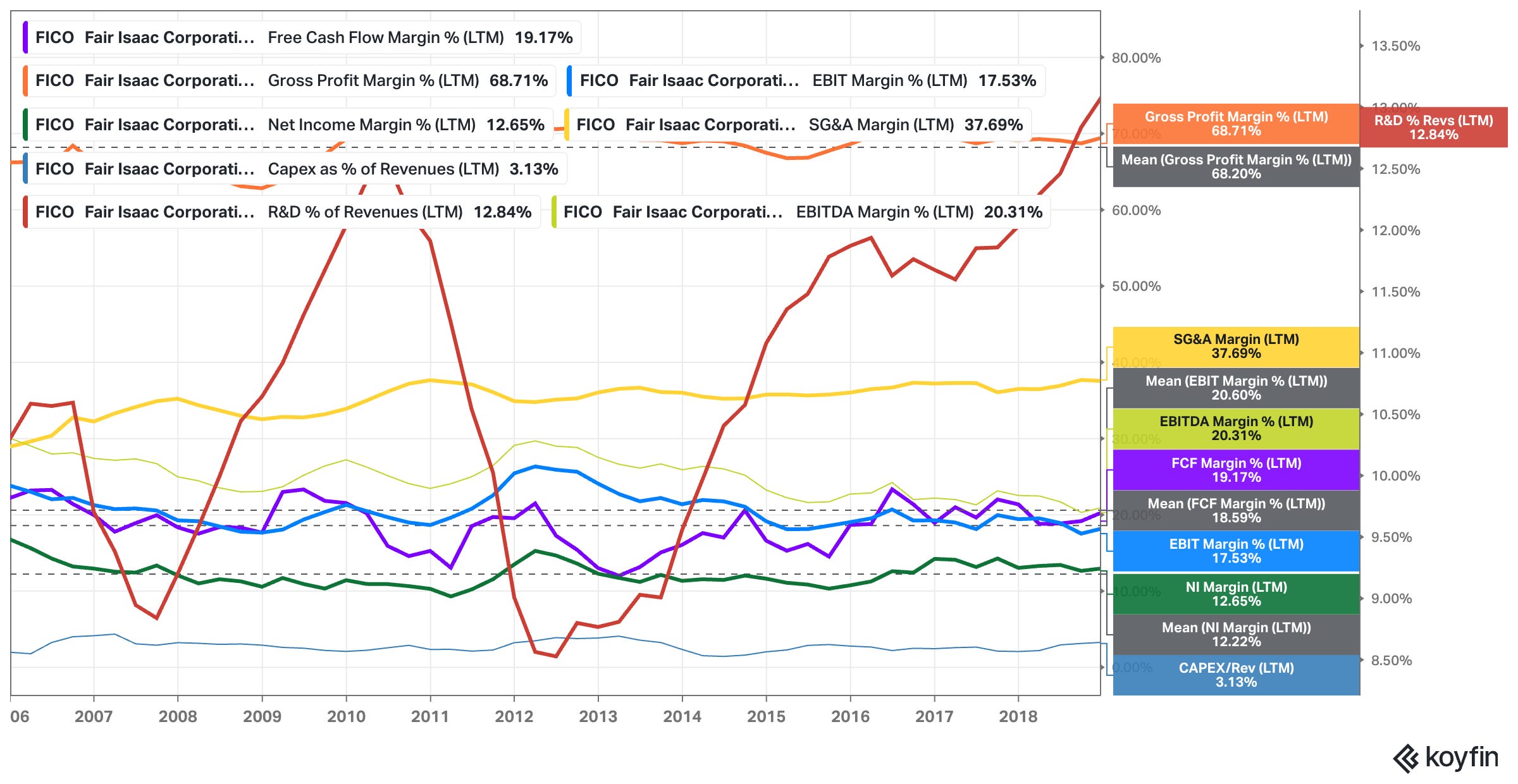
The change in strategy began in 2018 with FICO’s introduction of what it called “special price increases.” This marked the start of a significant transformation in its pricing model, beginning with a 30% hike for mortgage scores. Over the next few years, similar increases were applied to auto and credit card scores. The most staggering example of this shift occurred in the mortgage segment. The wholesale price of a FICO Score jumped from approximately $0.60 in 2022 to $4.95 in 2025 – an extraordinary 800% increase in just three (!) years – and to $10 in 2026. This bold pricing strategy dramatically improved FICO’s profitability. The company’s operating margins, which had struggled to surpass 25% for two decades, surged to 46% across the company and nearly 90% within the Scores segment, thanks to the highly scalable nature of its product – once the score’s algorithm was created, the cost of producing additional scores was nearly zero.
FICO justified these price hikes by highlighting a “very large value gap” between the cost of its scores and the immense value they provide to lenders. Even at the higher price point of today’s $10 per score, it represents only about a fraction of the average mortgage closing cost. In comparison, the cost of a mispriced loan – caused by using a less predictive competitor score – could result in thousands or even millions of dollars in losses for lenders.
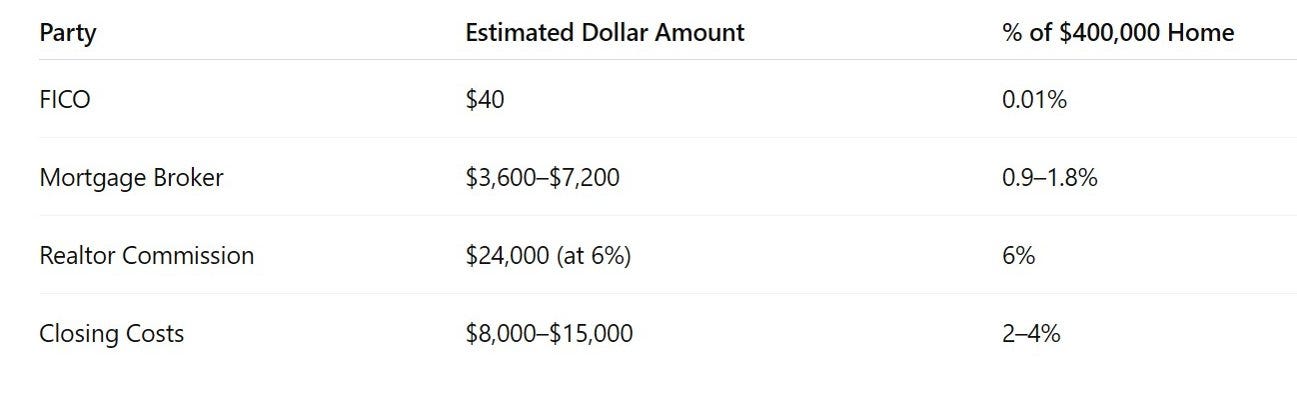
You might ask, but what if VantageScore proves to be more accurate? Wouldn’t lenders switch to VantageScore, offering an alternative at a significantly lower price? Well, I’d argue that there is no way to tell in real-time whether one algorithm is superior to another. It’s best assessed on a multi-decade track record, that spans multiple economic cycles, and naturally, this cannot easily be replicated.
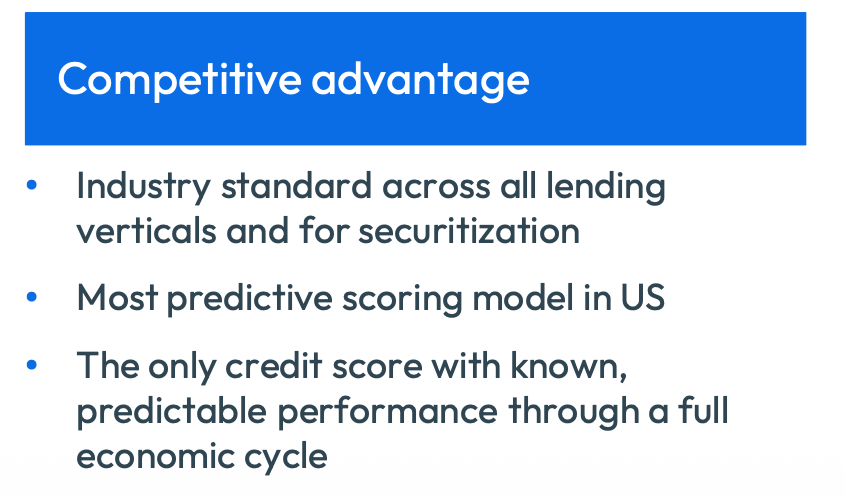
Here’s an interesting statistic I came across during my research:
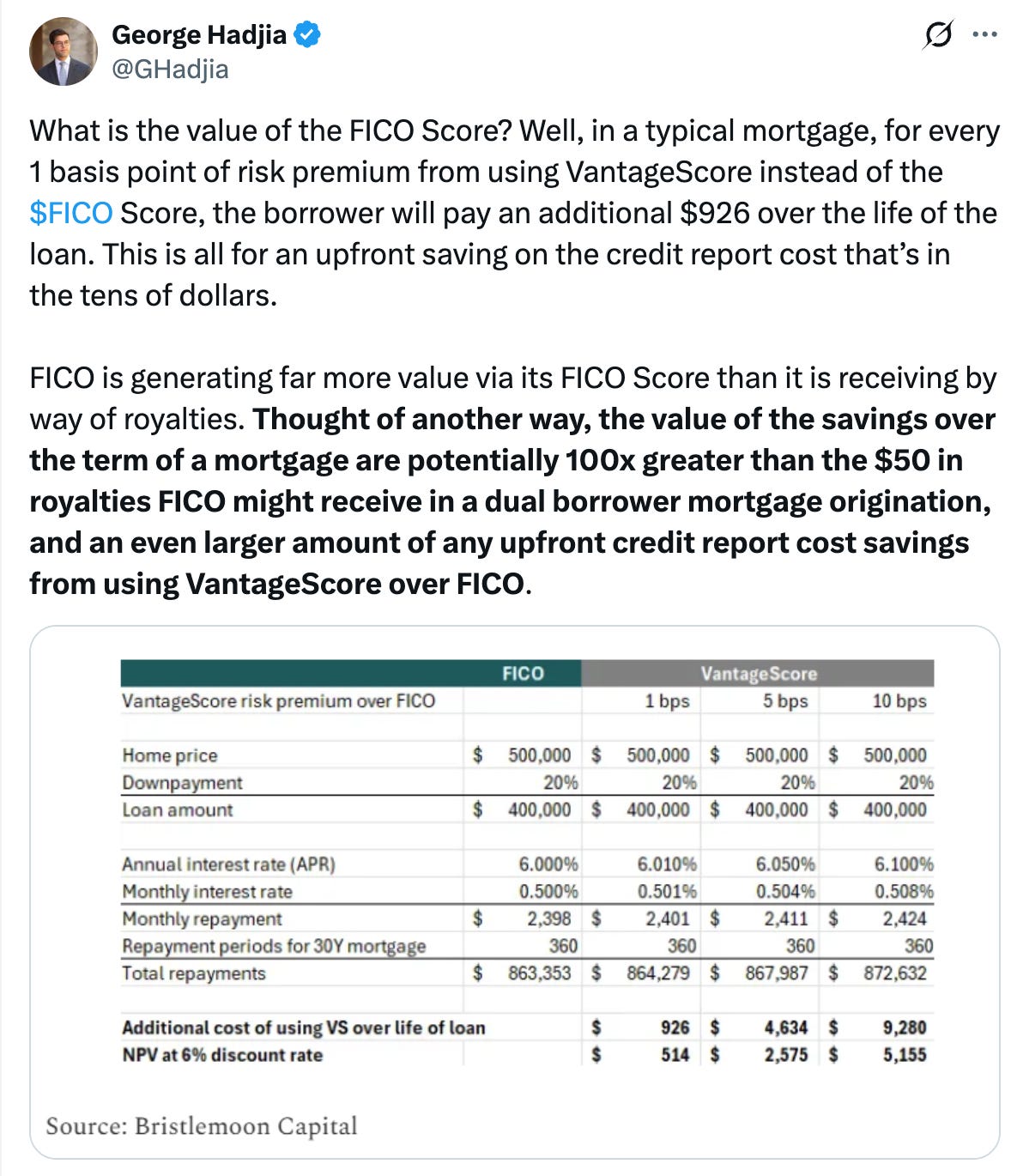
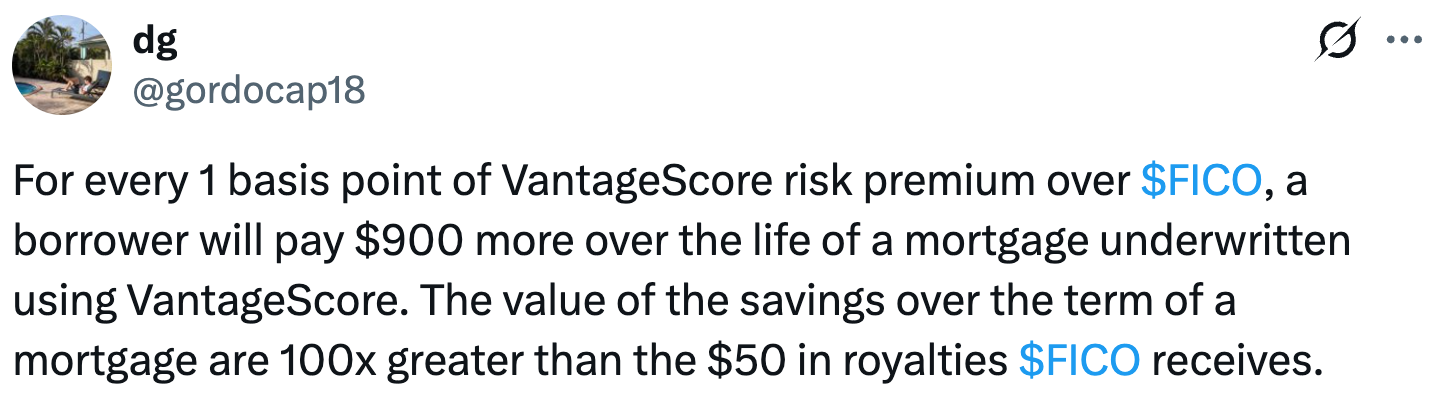
Therefore, the incremental cost of using FICO’s more accurate scores is negligible in the context of the potential risk. However, this aggressive pricing strategy has not come without consequences. By shifting from its long-standing low-price model to a sharp increase in rates, FICO has attracted the attention of regulatory bodies like the DOJ, FHFA, and Congress. This scrutiny culminated in the FHFA’s decision to move toward a “Lender Choice” model in 2025, which for the first time allowed competitors like VantageScore to participate in the government-backed mortgage market. The regulatory response reflects the challenges FICO now faces as it seeks to balance its pricing power with the potential for increased competition in the mortgage sector.
“… but the End customer is in fact the banks and financial institutions which are making the credit decisions the credit bureaus sell consumer credit reports to these Banks and financial institutions the fight goes forward generally represents less than five percent of what is called a try merge report that is generally about fifty dollars so a try merge report is simply all three credit bureau reports combined together in one Consolidated report so the three credit bureaus are simply passing along any price increases that FICO makes and they often layer on their own markup at essentially 100 margins so the credit bureaus interestingly although they’re the customers like go they’re agnostic to fico’s price increases the financial institutions will usually take the costs of the credit reports and include those in the closing costs that consumers pay so if you go for a mortgage you know there’s a large list of closing costs well the credit reports are often part of the consumer pays so although FICO is increasing prices at a higher level you have to go many layers deep before you get to who actually pays for those price increases it’s worth mentioning that scores are extremely cheap relative to the loan sizes so you can imagine on a four hundred thousand dollar mortgage decision a flank was four is less than a dollar and if you look forward you could say well listen even if a FICO score costs 10 times more let’s say five dollars it still […] tremendous value to the ecosystem or the loan originator prior to 2016 FICO had not increased the prices of its scores for 25 years“ - Dev Kantesaria on Business Breakdowns
Brand Moat: A Trusted Standard
FICO has achieved what few financial services companies can claim – becoming a trusted brand that has become synonymous with creditworthiness.
The term “FICO” has permeated the U.S. cultural lexicon; it’s no longer just a company name but a measure of credit risk. For lenders, using FICO is essentially a “Cover-Your-Assets” (CYA) strategy. It provides a standardized, defensible metric that can be presented to regulators if a loan goes bad. The strength of FICO’s brand lies in its institutional trust. The company is viewed not as a prestige brand but as a “go-to” brand, the product of choice for any financial institution or consumer looking to make or monitor credit decisions. This brand loyalty is unlikely to erode anytime soon I think, particularly given that the company’s institutional inertia – where lenders and investors are reluctant to switch – only strengthens the brand’s position.
Consumers, too, actively track their “FICO score”, a habit reinforced by programs like FICO Open Access, which provides free access to scores through participating banks.
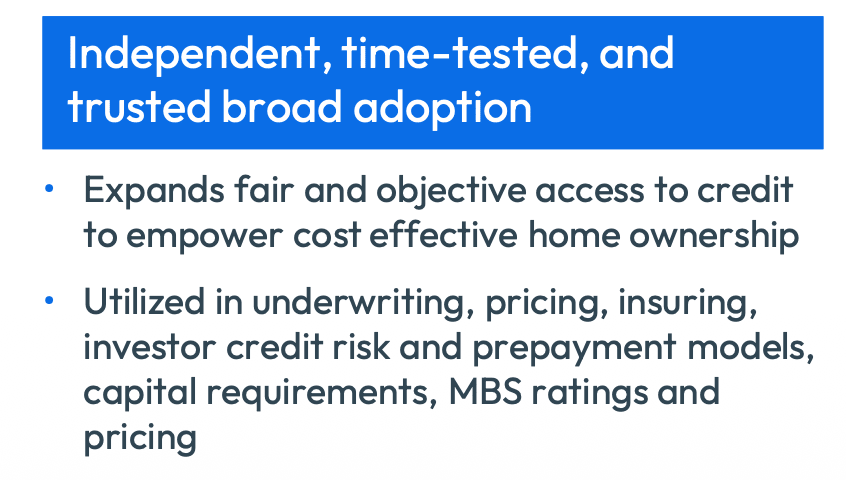
Switching Costs
Speaking of institutional inertia, one of the most critical factors in FICO’s moat is the exceptionally high switching costs in its B2B segment. The company’s algorithms are deeply embedded in Loan Origination Systems (LOS) and Automated Underwriting Systems (AUS), which means that replacing FICO with a new model, like VantageScore, is not only difficult but bureaucratically painful. It would require years of side-by-side validation and recalibration, creating a significant barrier to entry for any competitor.
Moreover, decision-makers face a not-to-be-underestimated career risk when switching to another scoring provider.
And even when newer, more predictive models become available, it takes a long time for lenders to adopt them. On average, it takes around four years for 50% of the market to switch to a new version of a FICO score, a fact that demonstrates the institutional inertia FICO benefits from.
Cost Advantages
FICO’s cost advantages stem from its economies of scale and the extremely low marginal cost of delivering an additional score; we discussed this at length in part 1. Once the underlying mathematical models are developed, the cost of delivering another credit score is virtually zero. FICO’s pricing power works in tandem with these cost advantages. Since the company can generate additional revenue at little to no incremental cost, nearly all of its price increases drop directly to the bottom line, further reinforcing its profitability.
The million-dollar question, I believe, is to what extent FICO can raise prices going forward.
Intangible Assets and Regulatory Moat
FICO’s competitive advantages are also protected by intangible assets such as intellectual property and regulatory endorsements. The company holds a portfolio of over 230 issued patents and nearly 80 pending applications, many of which focus on artificial intelligence and responsible machine learning. These patents protect FICO’s unique scoring models and ensure that competitors cannot easily replicate its technology.
While FICO’s dominance was historically cemented by a 1995 GSE mandate requiring its scores for conforming mortgages, this regulatory moat is currently evolving. In the already-mentioned landmark shift, the FHFA recently ended FICO’s exclusivity by approving VantageScore 4.0 alongside FICO for use by Fannie Mae and Freddie Mac. While FICO remains the deeply embedded industry standard due to decades of integration, it now operates in a multi-score regulatory environment, forcing the company to defend its market share through innovation and having a superior algorithm rather than mandate alone.
Network Effects
FICO benefits from network effects, where the value of its product increases as more stakeholders (borrowers, lenders, investors, and regulators) use it. The more ubiquitous FICO’s score becomes, the more valuable it is to the entire system. FICO serves over 10 billion scores annually, highlighting the scale and frequency of its usage.
Additionally, there are data network effect at play. In the world of credit risk, the value of a product scales directly with the volume and historical depth of the information feeding it. FICO is a massive data flywheel. Every time a lender uses a FICO score, they contribute to a feedback loop that makes the next iteration of the algorithm even more precise. I find that many investors overlook the sheer inertia of these datasets. FICO 10T, for instance, leverages “trended data” covering 24 months of payment history. By back-testing this against decades of proprietary default data, FICO has created a predictive tool that is incredibly difficult to replicate.
When thinking this through I was wondering whether Fair Isaac may, however, have reached a point of diminishing returns in terms of the value of added data points in credit scoring. If VantageScore 4.0 is “accurate enough” for most prime borrowers, does FICO’s deeper dataset still provide a competitive edge?
I’d argue that in the mortgage industry, “good enough” is a dangerous phrase. When a bank is managing a multi-billion dollar portfolio, a marginal increase in accuracy is the difference between a profitable quarter and a systemic headache. VantageScore has certainly crossed the threshold for thin-file borrowers – scoring millions of people who were previously invisible – but FICO remains the gold standard for high-stakes institutional lending.
Falcon and the Gravity of the Global Consortium
A data moat also exists in the Software segment. The FICO Falcon Fraud Manager is a masterclass in the “data network effect moat.” More than 10,000 global financial institutions contribute real-time, anonymized transaction data to the Falcon Intelligence Network. This creates a winner-take-most dynamic that is virtually impossible for a newcomer to disrupt.
Think about the mechanics: As more banks join the network, Falcon sees more fraud patterns. As it sees more patterns, its machine learning models become more accurate. Today, this single platform protects roughly two-thirds of all credit card transactions on the planet. I suspect that even the most well-funded tech disruptor would struggle to build a competing product. Without the data from those 10,000 institutions, a new algorithm is effectively blind. This software moat is arguably the most resilient part of the business because it relies on a voluntary, mutually beneficial network that grows stronger with every single transaction.
Is FICO’s Moat Eroding?
While FICO’s moat is undeniably strong, there are signs that it could be facing pressure. The Lender Choice model, along with ongoing antitrust litigation, represents the most significant challenges to FICO’s position. Regulatory disintermediation and the rise of alternative scoring models could gradually erode the monopoly FICO enjoys in the credit risk space.
However, FICO’s high switching costs, pricing power, and brand recognition still make it difficult for competitors to replace the company. The company’s tollbooth model, strong customer base, and institutional trust suggest that it will continue to dominate in the near term, though regulatory risks could alter this landscape over the long run.
2.2. Other Thoughts on Business Quality
FICO stands out as a high-quality business with exceptional free cash flow generation and a low capital intensity business model.
One of the key attributes of FICO’s business is its capital-light nature. The company operates with extremely low capital expenditures (capex), which is a hallmark of a high-quality business. In FY25, FICO generated roughly $780 million in operating cash flow, while its combined purchases of property and equipment, along with capitalized internal-use software costs, totaled just around $39 million.
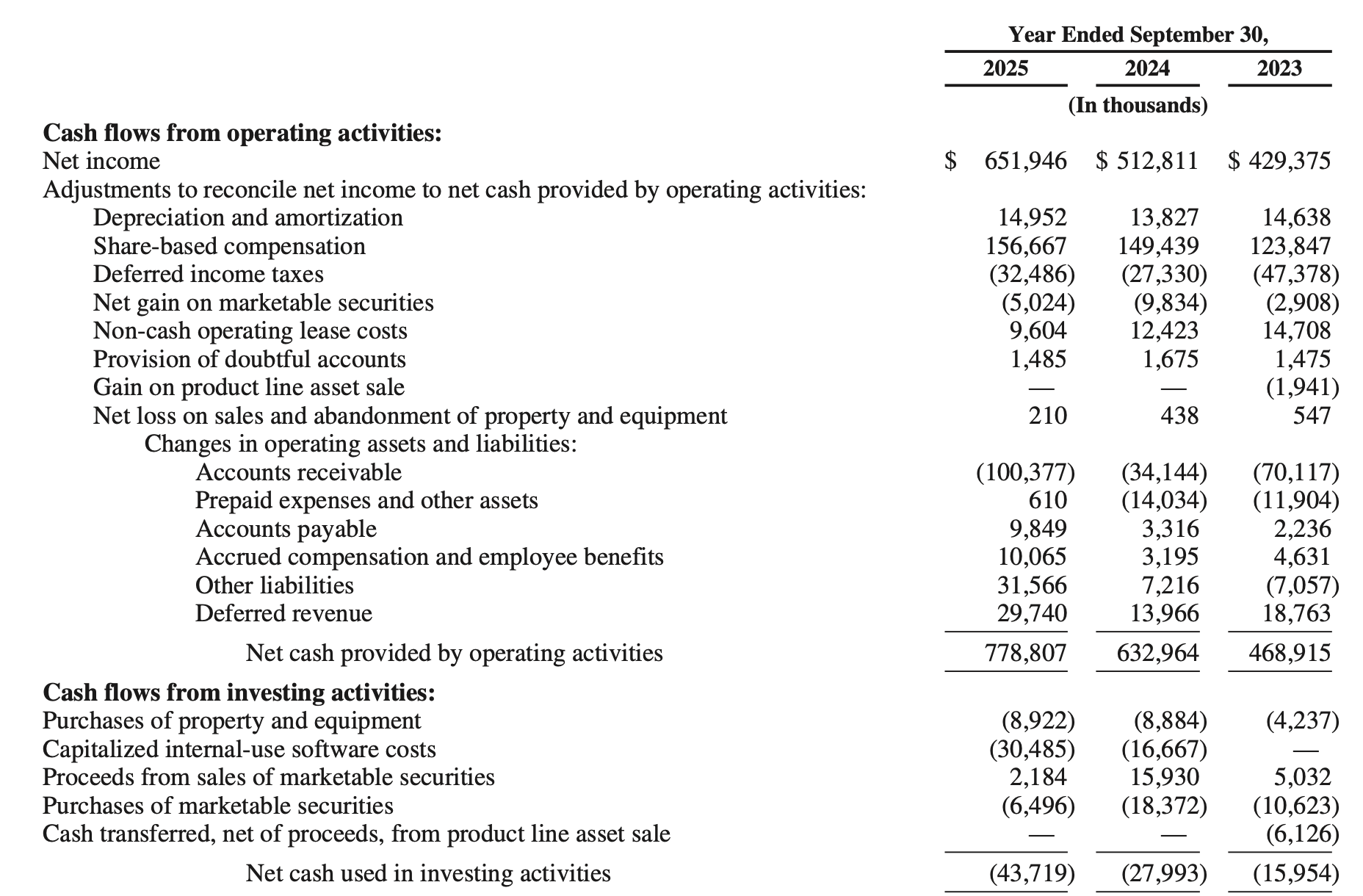
This represents a capex-to-operating cash flow ratio of about 5%. This low capital requirement allows FICO to generate substantial free cash flow, which it can reinvest or return to shareholders.
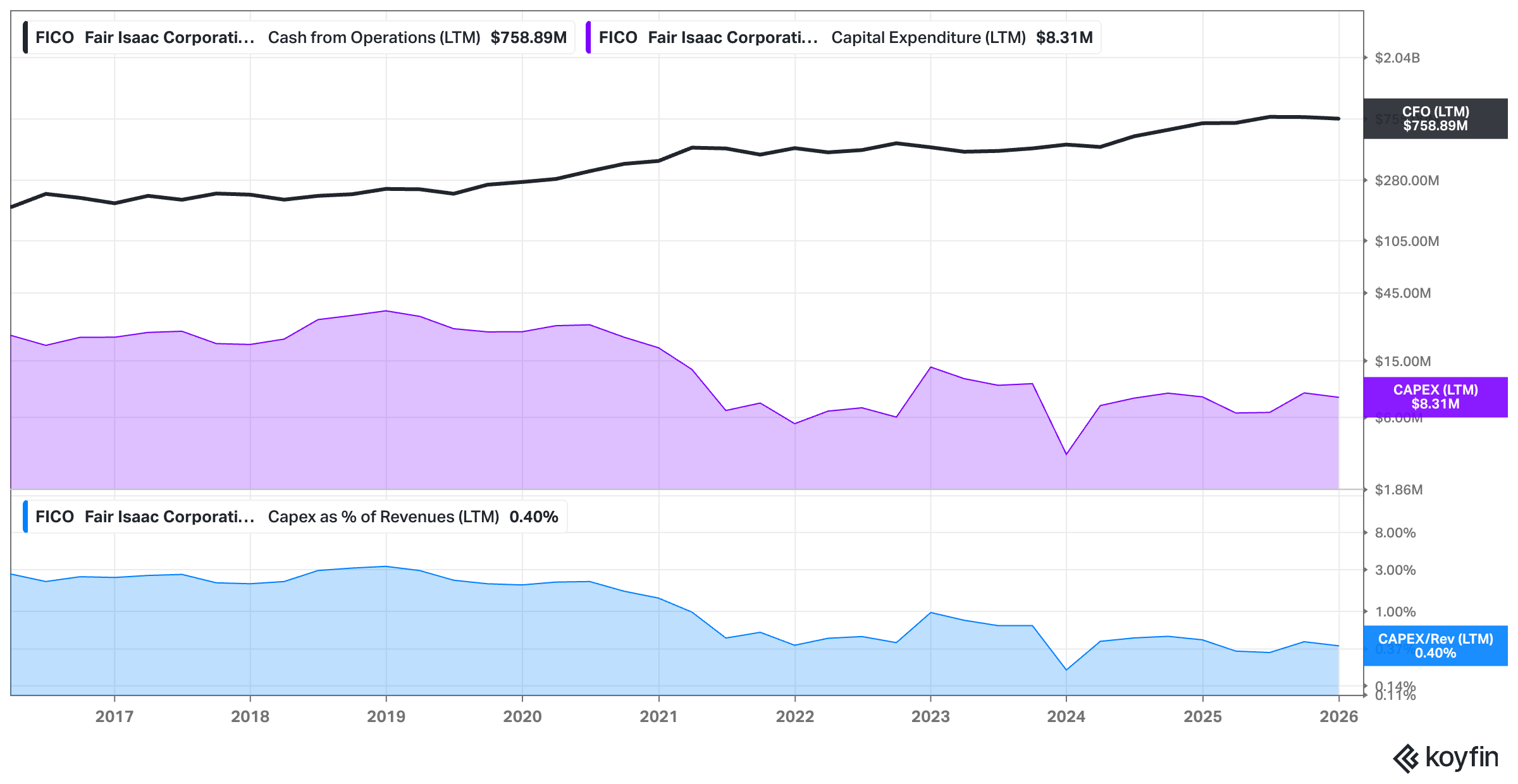
FICO avoids the burden of heavy physical infrastructure. Its maintenance expenditures are focused on software refactoring, API reliability, and the integration of diverse data feeds. These ‘brain power’ costs ensure the scoring engine remains performant, secure, and legally compliant across varying international jurisdictions.
This efficient capital structure allows FICO to retain a significant portion of its operating cash flow as free cash flow.
Reinvestment and Growth Dynamics
FICO’s growth strategy involves a balance between price increases, volume increases, and strategic reinvestments in its business.
Scores Growth: The Scores segment is able to grow without requiring large capital expenditures. This growth is primarily driven by price hikes and volume increases driven by macro credit cycles.
Software Growth: Growth in the Software segment is more capital-intensive, especially as FICO focuses on migrating its offerings to the cloud-native FICO Platform. While these investments have weighed on margins in the short term, they are expected to lead to operating leverage and scale as the platform grows.
Marketing and Onboarding: FICO does not rely on a “zero-marketing” approach. Recently, it has ramped up its marketing spend, particularly for its B2C Scores and Software offerings. However, onboarding new customers for its Software segment is costly and time-consuming, with sales cycles often exceeding a year. This slower pace of growth in the Software segment highlights the more challenging nature of cloud transition, but once critical mass is achieved, margins should improve significantly.
Part 3 – Management
3.1. Management Background
When analyzing the leadership of a company, the CEO’s background, experience, and track record in managing the business are crucial in determining whether the company is likely to continue delivering on its strategic goals. In the case of FICO, the leadership under William J. Lansing provides a solid foundation, with his tenure and operational decisions playing a significant role in the company’s long-term success.
William J. Lansing has served as Chief Executive Officer of FICO since January 2012, a role he has held for over 14 years. His long tenure is a key advantage, as it gives him a deep understanding of the company’s strategic shifts and challenges. Under Lansing’s leadership, FICO has undergone significant transformations, including the move toward cloud-based services and its bold pricing strategy implemented in 2018.
Lansing’s background prior to joining FICO wasn’t rooted in the company itself. While he didn’t rise through the internal ranks at FICO, he was far from an outsider when he took the helm. He had been a member of the company’s Board of Directors since 2006, so his transition into the role of CEO was more natural than if he were a complete external hire. His career also includes executive positions at several high-profile companies, including InfoSpace, ValueVision Media, NBC Internet, and as a General Partner at the private equity firm General Atlantic LLC. Additionally, Lansing’s time as a Vice President at General Electric shows that his leadership experience spans diverse sectors, particularly in technology and data businesses. This background made him well-suited to lead a company like FICO, which operates at the intersection of analytics and financial technology.
Lansing has a proven track record in the applied analytics and decision management space, which aligns perfectly with FICO’s core business. His operational decisions have driven remarkable performance during his tenure. Since Lansing took over as CEO, FICO’s stock price has increased nearly 10-fold, reflecting the success of his strategic decisions.
A defining moment of Lansing’s leadership was the 2018 strategic shift to “special pricing”. For nearly 30 years, FICO maintained flat royalty rates for its products, but Lansing recognized that the company’s value in the mortgage and credit markets had grown substantially. By raising prices, particularly in the mortgage sector, FICO effectively reflected the true value of its credit scoring system. This shift resulted in significant revenue AND profit growth, with minimal volume loss, proving that FICO had the pricing power to maintain its dominant position in the market.
Under Lansing, FICO has also maintained a lean operational profile. The company’s productivity is impressive, with almost $500,000 in revenue per employee and an even more impressive profit per employee if you consider FICO’s margin structure again.
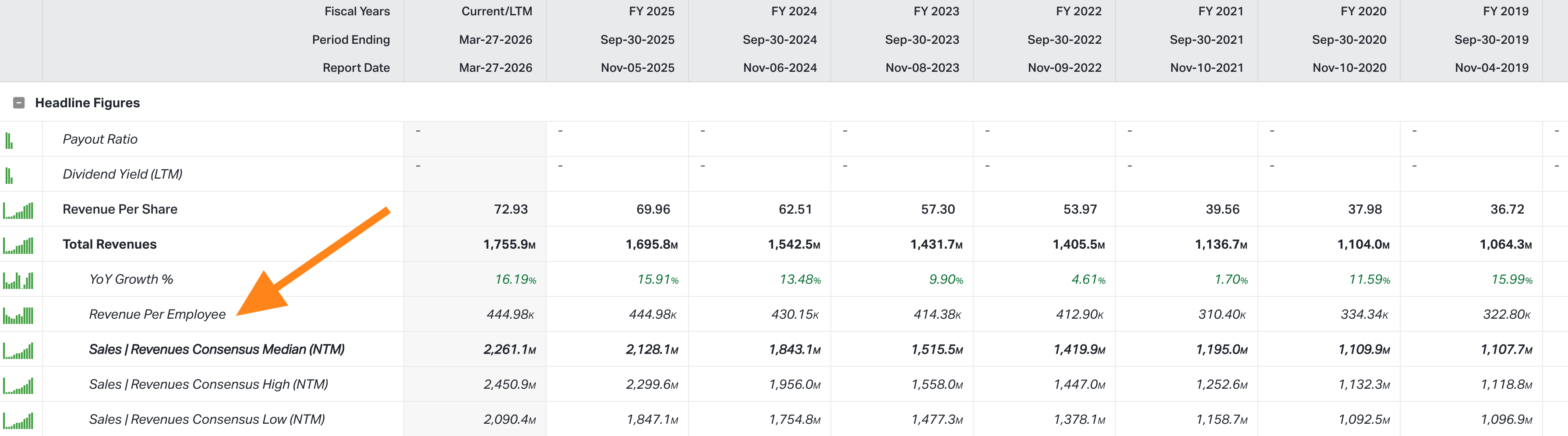
These metrics are a testament to the operational efficiency and profitability that Lansing has fostered during his leadership. One of his key operational goals has been to shift the company’s focus toward higher-margin, recurring revenue by moving the Software segment to the cloud-native FICO Platform. This transition not only simplifies client infrastructure but also enhances FICO’s ability to “land and expand,” increasing its footprint within existing client bases.
The CFO, Steve Weber, has also been with the company for a long time, joining FICO in 2003 and being appointed as chief financial officer in 2023.

3.2. Integrity, Incentives, and Compensation
In assessing the integrity and alignment of FICO’s management with shareholders, it’s essential to focus on several key areas: ownership stakes, compensation structure, performance incentives, and management’s ability to communicate honestly and consistently. I’ll start by recommending reading some of the annual letters Lansing puts out, along with the annual report.
Let’s explore whether FICO’s leadership is genuinely motivated by long-term shareholder value, or whether its incentives might lean toward short-term personal gain.
Ownership and “Skin in the Game”
FICO’s management does have skin in the game, but it falls slightly short of the more stringent ownership requirements I like to see in my high-conviction bets. As of late 2025, CEO William J. Lansing held about 420,431 shares, representing roughly 1.77% roughly $460 million as of late March 2026).
Mark Scadina, Executive Vice President, owns around 120,000 shares.
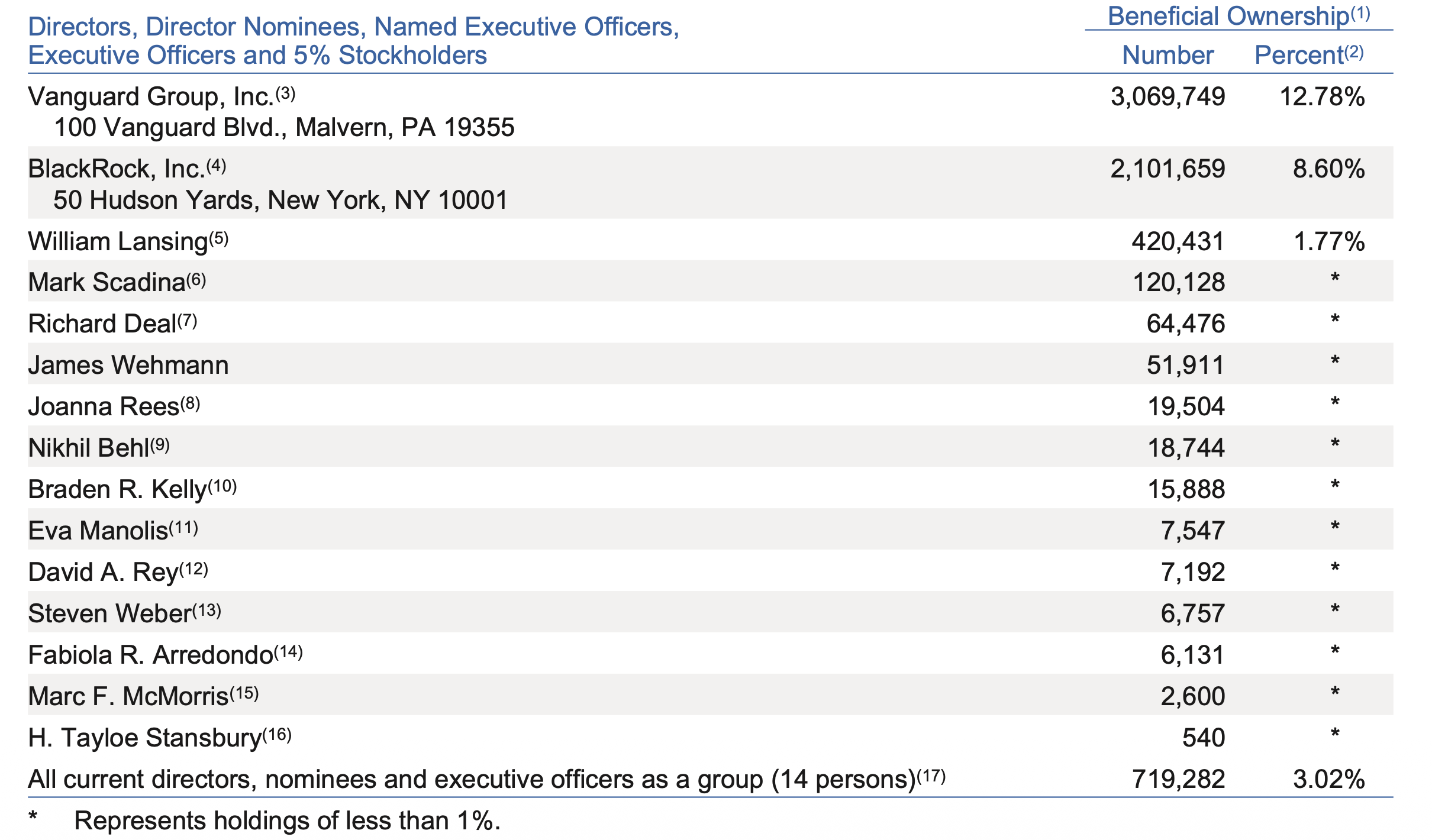
While this stake is below the typical 5% threshold that I typically like to see as a strong indicator of alignment with shareholders’ interests, it is nonthetless substantial in absolute terms.
I consider the lack of substantial ownership among other exetutive team and board members a negative though. When you look at the ownership structure for the 14 current directors and executive officers, they only hold a collective 719,282 shares, or 3.02% of the company.
FICO’s ownership requirements are designed to ensure some kind of alignment. For instance, the CEO is required to own at least 100,000 shares, and Executive Vice Presidents must hold shares worth 5x their annual base salary. As of fiscal 2025, all executive officers have met or are at least making acceptable progress toward meeting these requirements, ensuring continued alignment between management and shareholders.
Executive Compensation & Incentive Alignment
FICO’s compensation structure is heavily performance-driven, particularly for CEO Lansing, whose compensation for fiscal 2025 was structured as 97.6% variable.
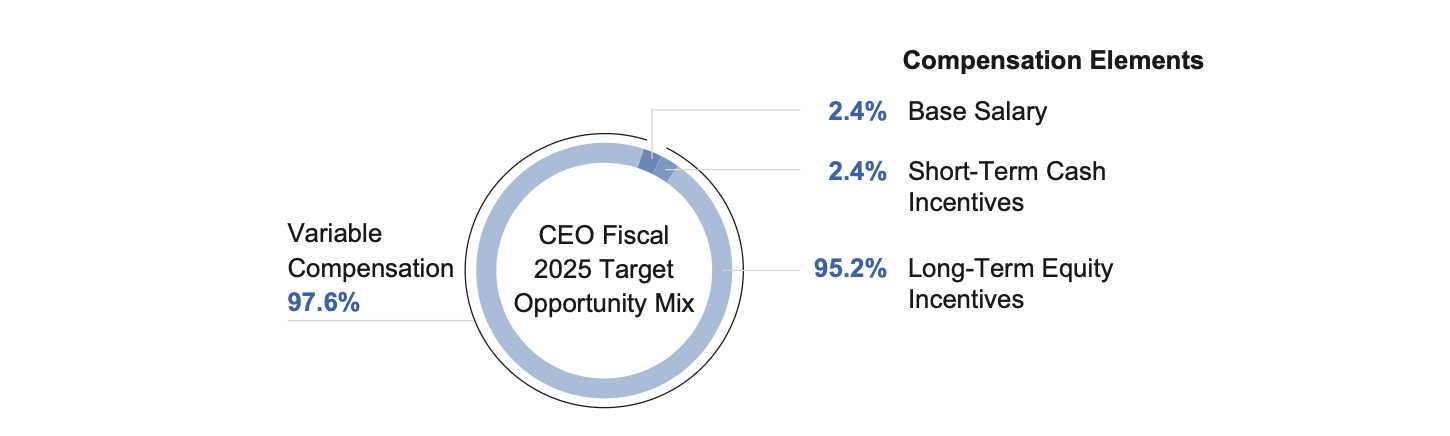
This means that almost all of Lansing’s pay depends on the company’s performance, with just 2.4% ($750,000) tied to base salary and short-term cash incentives. This aligns his interests closely with FICO’s long-term goals.
The rest of his pay is contingent upon meeting specific performance targets, which reflects FICO’s commitment to rewarding its leadership for driving consistent, sustainable growth.
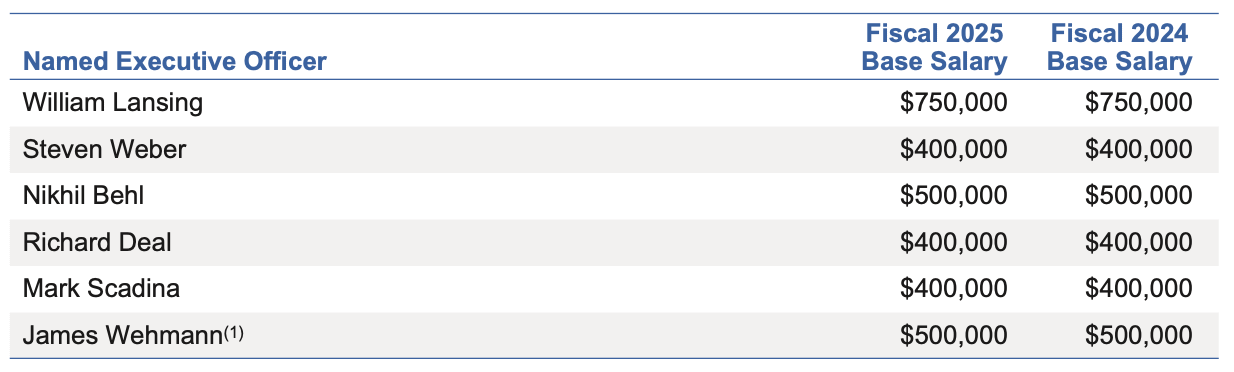
The short-term component of Lansing’s compensation is driven by FICO’s Executive Incentive Plan (EIP), which is based on two key financial metrics: Adjusted Revenue and Adjusted EBITDA – somewhat suboptimal target metrics in my view; especially with a lack of ROIC component.
Long-term incentives (LTI), which make up the bulk of Lansing’s compensation are structured to incentivize sustained performance. These incentives are divided into three parts:
Performance Share Units (PSUs)
PSUs are earned based on financial metrics similar to the short-term cash incentives
Market Share Units (MSUs)
MSUs are tied to FICO’s relative total shareholder return (rTSR) compared to the S&P 500. Although Lansing achieved 150.2% of the target PSUs for fiscal 2025, his MSUs did not earn any payout due to FICO’s TSR of -19.87% during that period.
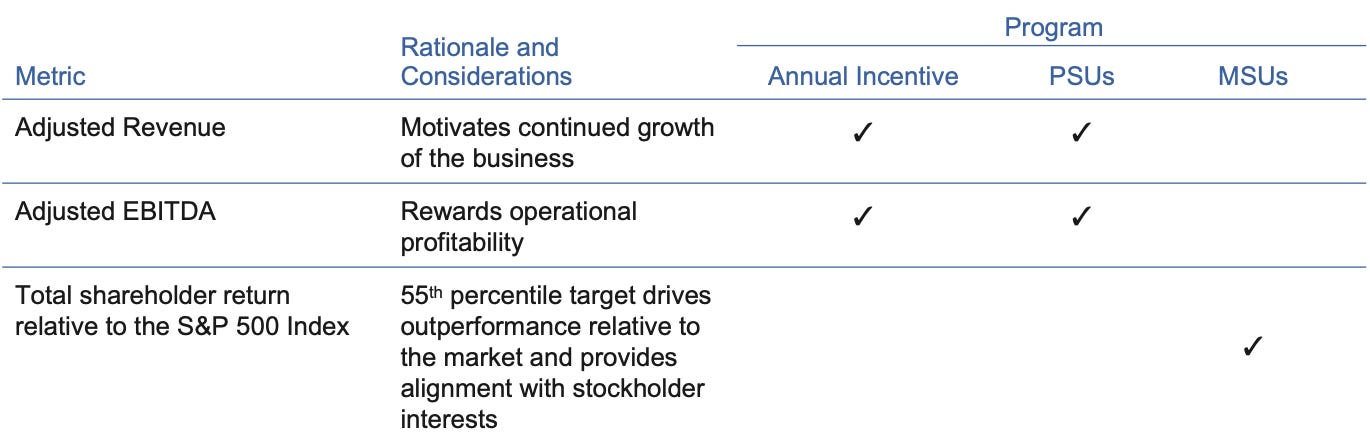
Restricted Stock Units (RSUs).
RSUs are granted as time-based awards that vest in four equal annual installments, providing further long-term incentives for leadership retention and stock price performance.
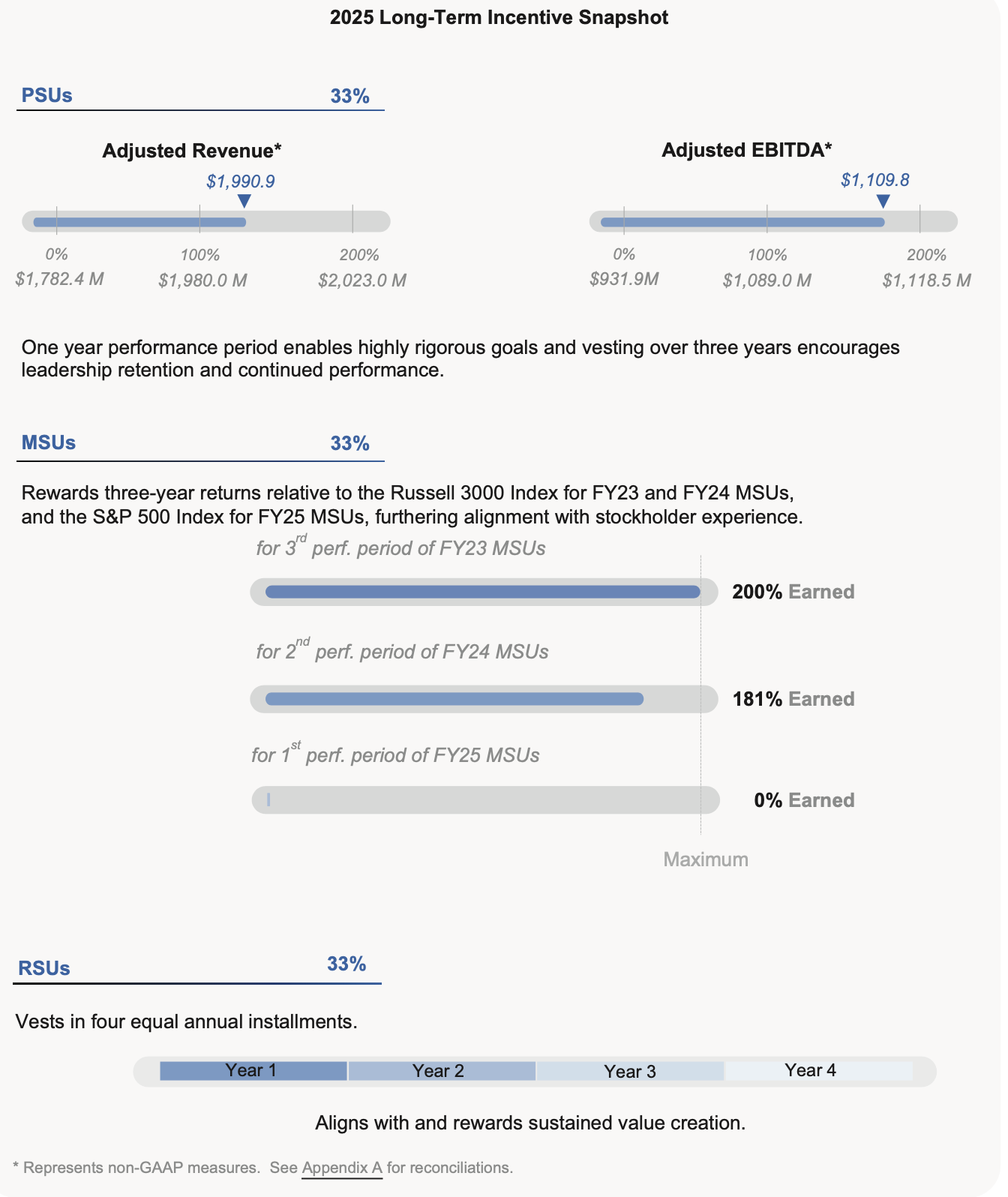
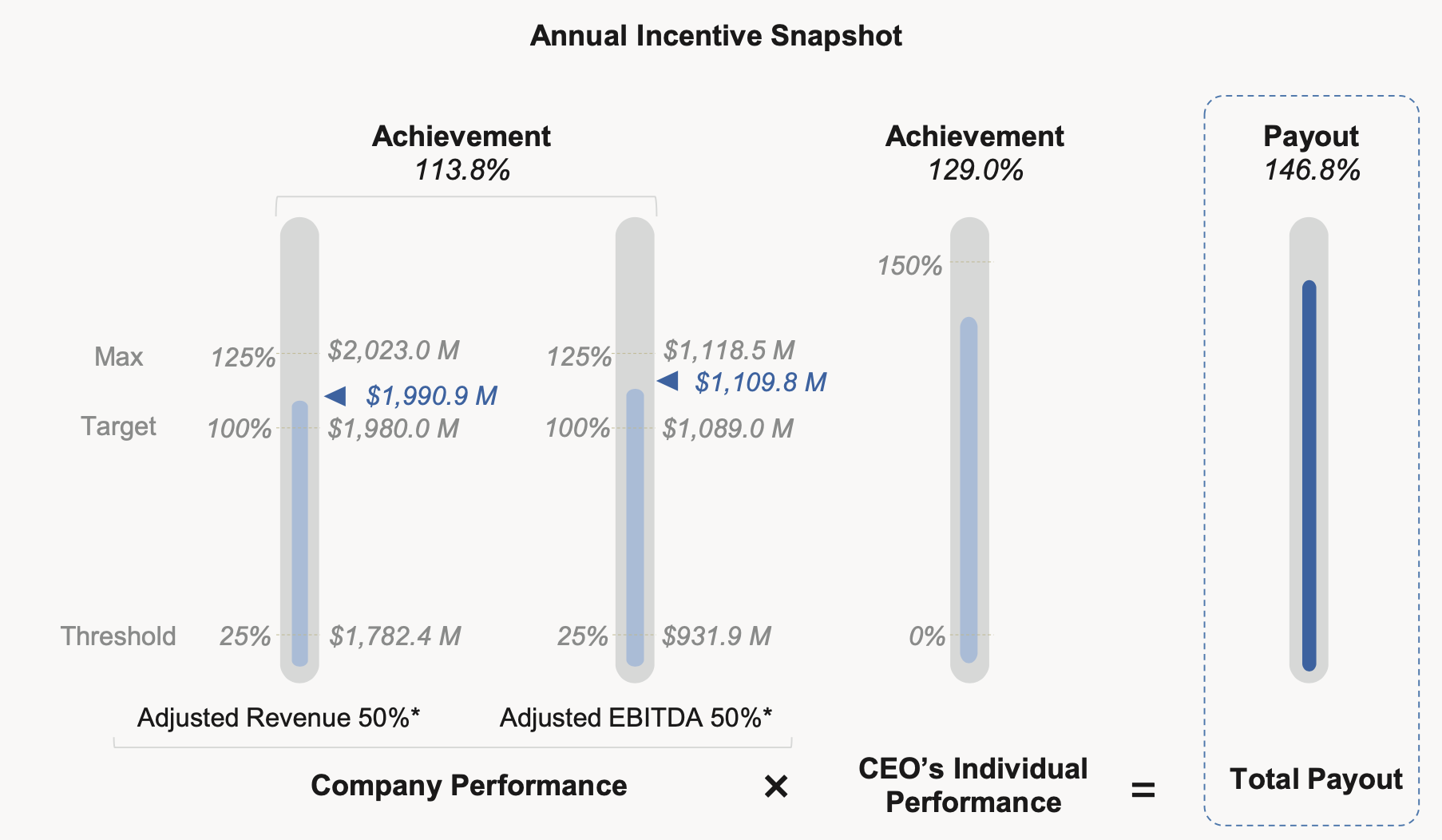
Lansing’s total compensation in 2025 was approximately $36.05 million, with the majority coming from long-term equity incentives tied to stock performance. CFO Weber and the other leadership team members all earned around $7 million. The total 2025 compensation (see table below) adds up to about $72 million relative to roughly $740 million in FCF – again, this seems rather higher to me; certainly higher than I’d like it to be.
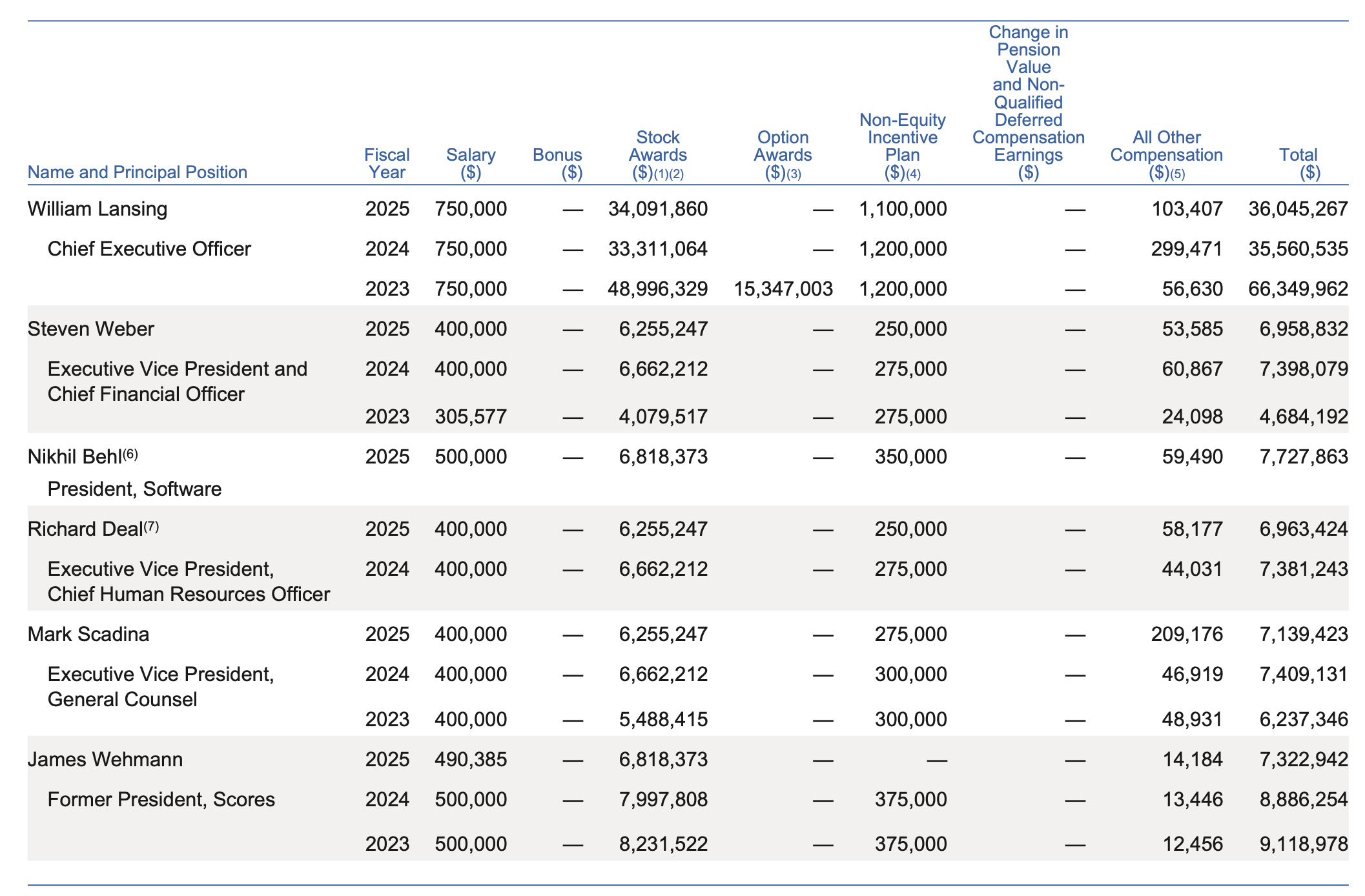
CEO’s Integrity and Communication
In terms of integrity and communication, CEO William Lansing has consistently been a clear and honest leader, though in his annual letters there are few direct signs of humility in terms of acknowledging mistakes. Lansing has been in charge during a period of significant transformation at FICO, including the shift to cloud-based services and aggressive pricing hikes. These moves were well communicated, and the strategy of “closing the value gap” through pricing is one that reflects a long-term focus on strengthening FICO’s market position.
Lansing has also shown a willingness to act independently, especially when FICO launched its Direct Licensing initiative for mortgage scores, disrupting established bureau economics. This move, while facing predictable resistance from powerful industry players, reflected a willingness to make bold decisions with long-term gains and positioning in mind, even if it meant upsetting the status quo.
Despite this, as I said, there is little indication that Lansing has publicly acknowledged mistakes – a point that some may consider a minor drawback in his leadership style. Nonetheless, FICO’s employee engagement scores for leadership and communication are notably above external benchmarks, indicating that the company’s staff believes in the CEO’s leadership and direction.
Finally, there are some concerns regarding insider selling. Lansing has sold approximately 64,495 shares over the last two years ($64 milion based on today’s share price; much more in actual value if you consider the time of sale), which some analysts interpret as a signal of tempered near-term expectations, particularly given the current regulatory climate. While these transactions occurred under established trading plans, the absence of recent insider buying raises questions about Lansing’s confidence in the company’s short-term outlook.
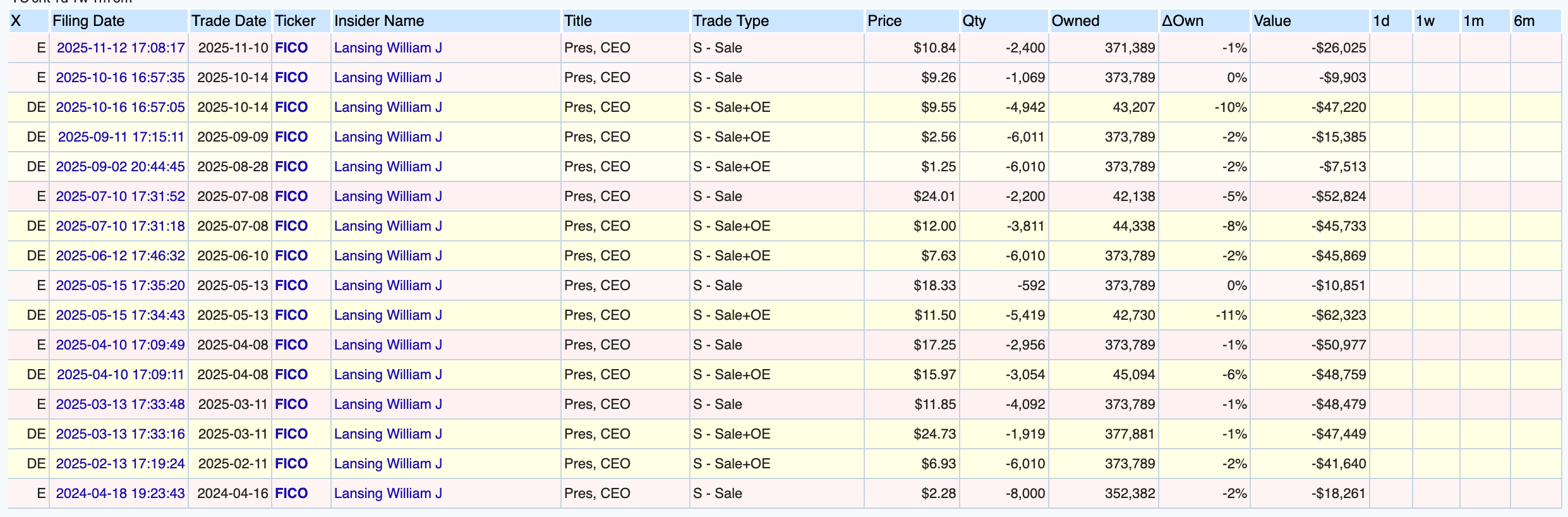
3.3. Capital Allocation and Management Talent
The strength of a company often lies in how well its leadership allocates capital. In the case of Fair Isaac Corporation (FICO), CEO William J. Lansing has led the company through a series of pivotal transformations to improve its business economics. From shifting its pricing strategy to investing in high-growth areas like SaaS, Lansing has shown a clear focus on improving returns on invested capital (ROIC) and making smart growth investments.
Improving Core Business Economics
Since Lansing took the helm in 2012, FICO has undergone significant changes aimed at improving its core business economics. I think we discussed this at length already, so I’ll keep this brief.
Lansing primarily initiated a pricing shift and a strategic shift toward cloud-based services, focusing on transforming FICO’s Software segment. At least on a backward-looking basis, only judging by the numbers, both of these decisions have been a success.
Additionally, Lansing has kept FICO’s operations lean, ensuring that the company can generate high returns without a heavy reliance on physical assets. As mentioned, despite having a workforce of around 3,300–3,600 employees, FICO achieves around $500,000 in revenue per employee, showing how efficiently the company operates.
Returns on Invested Capital (ROIC)
FICO’s ability to generate high returns on invested capital (ROIC) has been a key factor in its success. Over the past few years, the company has averaged posted a continuous uptrend and more recently posted a 59%+ ROIC, a figure that is outright impressive and significantly above the 15% threshold typically considered necessary for a business to generate solid excess returns. This high ROIC is the result of FICO’s capital-light business model – with minimal capital expenditures needed to generate additional revenue – and its elite margin profile.
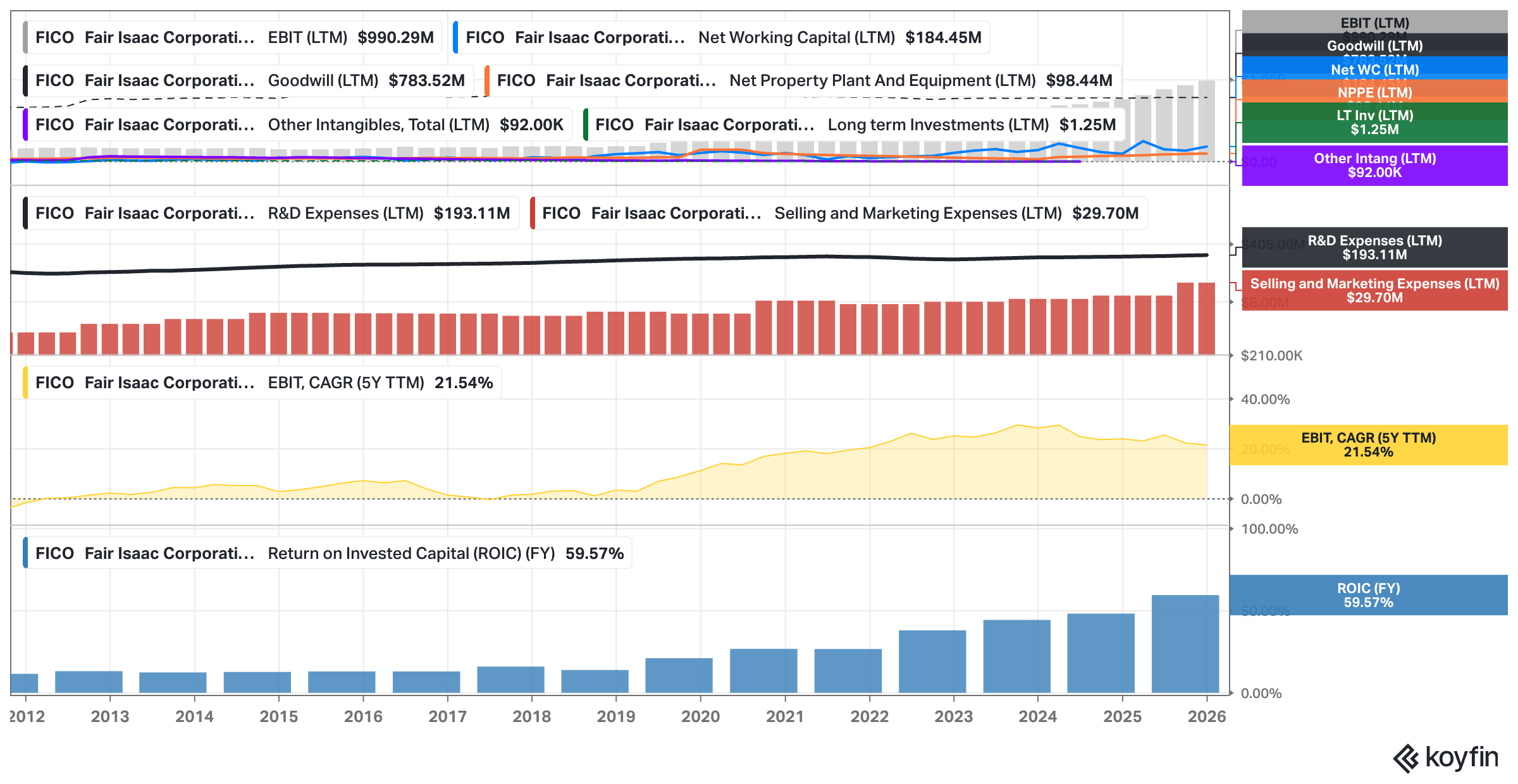
FICO’s operating margins have steadily improved, driven by strategic pricing changes and an increasing shift toward higher-margin Software revenues.
Return on Incremental Invested Capital (ROIIC) & Growth Investments
Looking forward, FICO’s leadership has shown a strong focus on two key growth areas: Software platformization and channel modernization.
The company’s largest growth investment is in the FICO Platform, which is now the cornerstone of FICO’s transition to a cloud-native business model. The platform has seen impressive growth, with a >120% Platform Dollar-Based Net Retention Rate (DBNRR), indicating that once customers are acquired, they expand their use of FICO’s products over time. Additionally, the Annual Recurring Revenue (ARR) for the platform has been growing consistently at 30%–33%, signaling a strong and sustainable revenue stream.
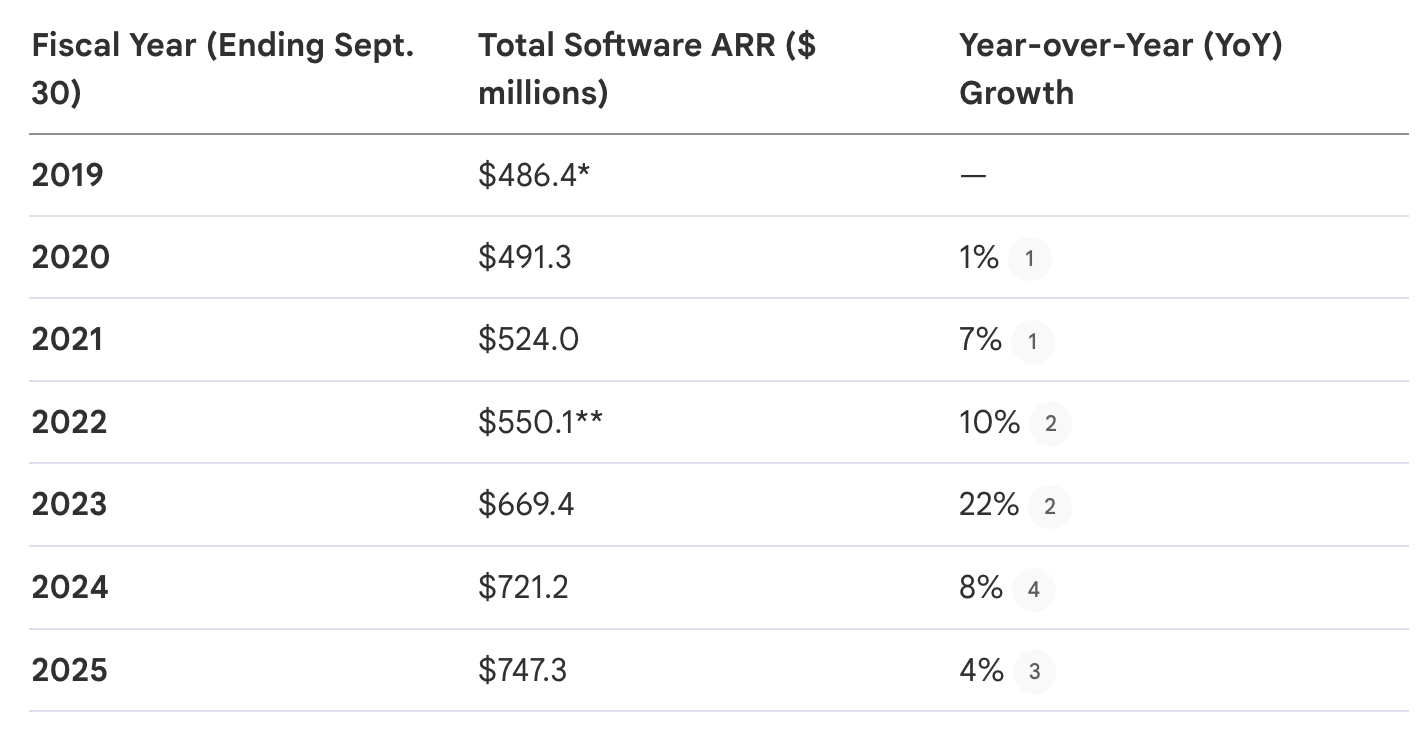
Another significant commitment (and pivot) is FICO’s Mortgage Direct License Program, which is designed to bypass traditional credit bureaus and capture more value in the massive $12 trillion U.S. mortgage market. This initiative is a strategic shift that could allow FICO to capture a larger share of the market and reduce its reliance on third-party credit bureaus.
FICO continues to invest heavily in predictive R&D, dedicating 8%–11% of revenue (approximately $193 million in FY25; see chart above) to maintain the predictive edge of its algorithms. The transition to FICO Score 10T, which according to management is five times more predictive than VantageScore 4.0, demonstrates the company’s commitment to staying ahead of the curve in the increasingly competitive credit risk space.
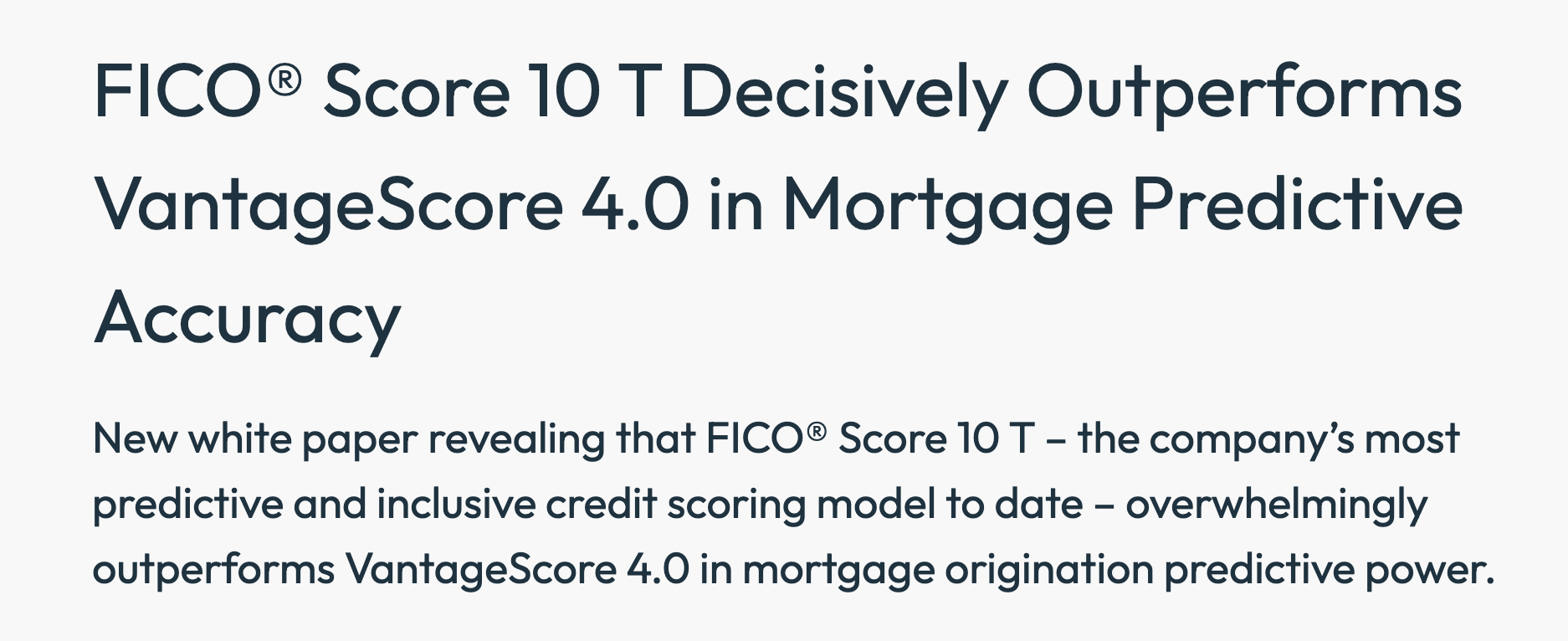
These investments are expected to generate high returns over time, contributing to robust future growth prospects. Given the company’s ability to reinvest profits at high rates of return, FICO is well-positioned to continue compounding value for shareholders.
Share Buybacks and Acquisition Strategy
When it comes to capital allocation, Lansing has been a disciplined and smart allocator, focusing on share buybacks and organic growth rather than making large, risky acquisitions. FICO has used its steady free cash flow and access to debt markets to fund share repurchases. Over the last decade, the company has reduced its share count rather aggressively (-30%), contributing to the exceptional per share CAGRs.
In fiscal 2025, FICO repurchased $1.4 billion worth of stock, reflecting its commitment to returning value to shareholders. While the company has stated that it is not a market timer, FICO has historically leaned in during stock price corrections, which demonstrates a strong sense of opportunistic capital allocation.
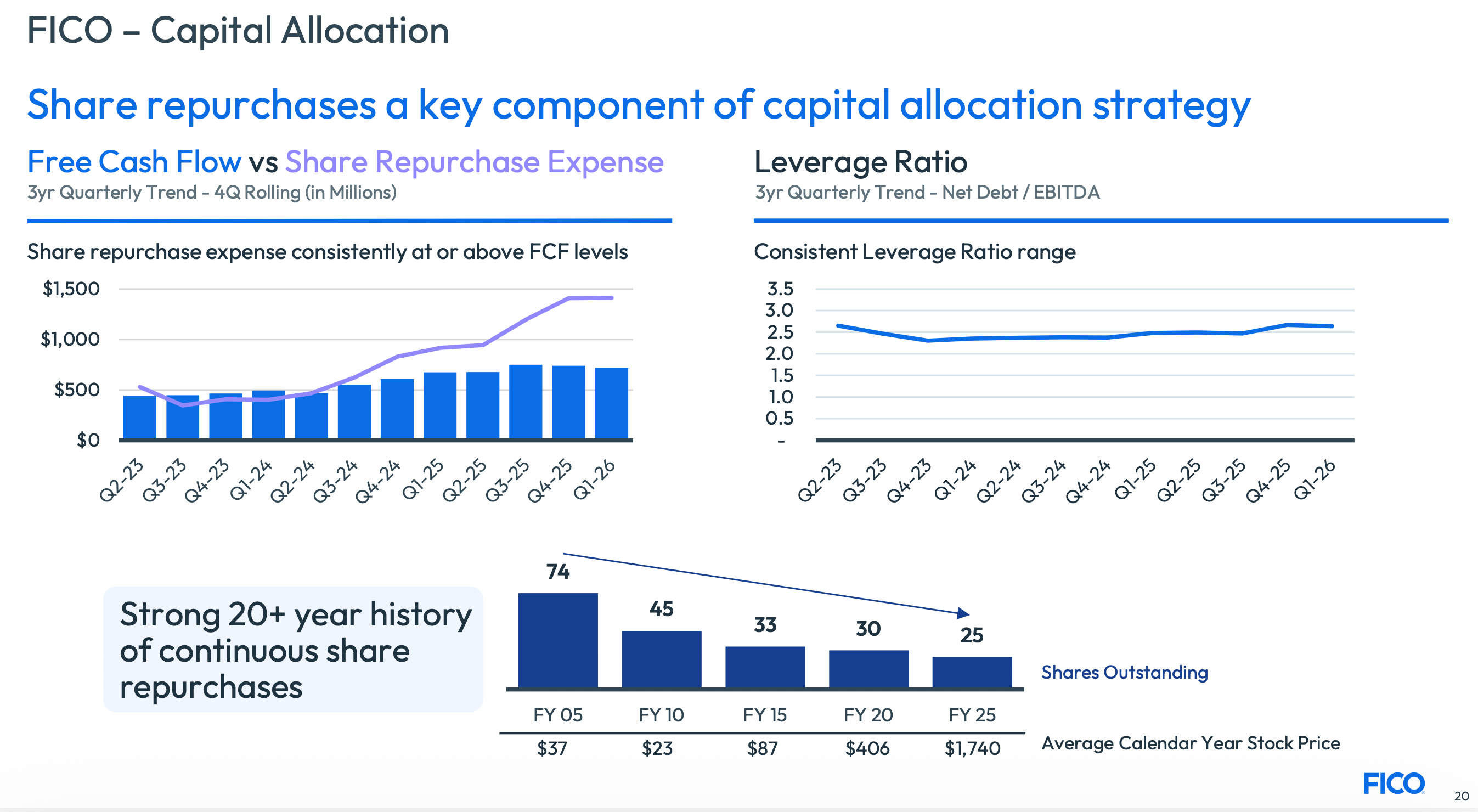
Longer term, the share count reduction has been even more impressive.
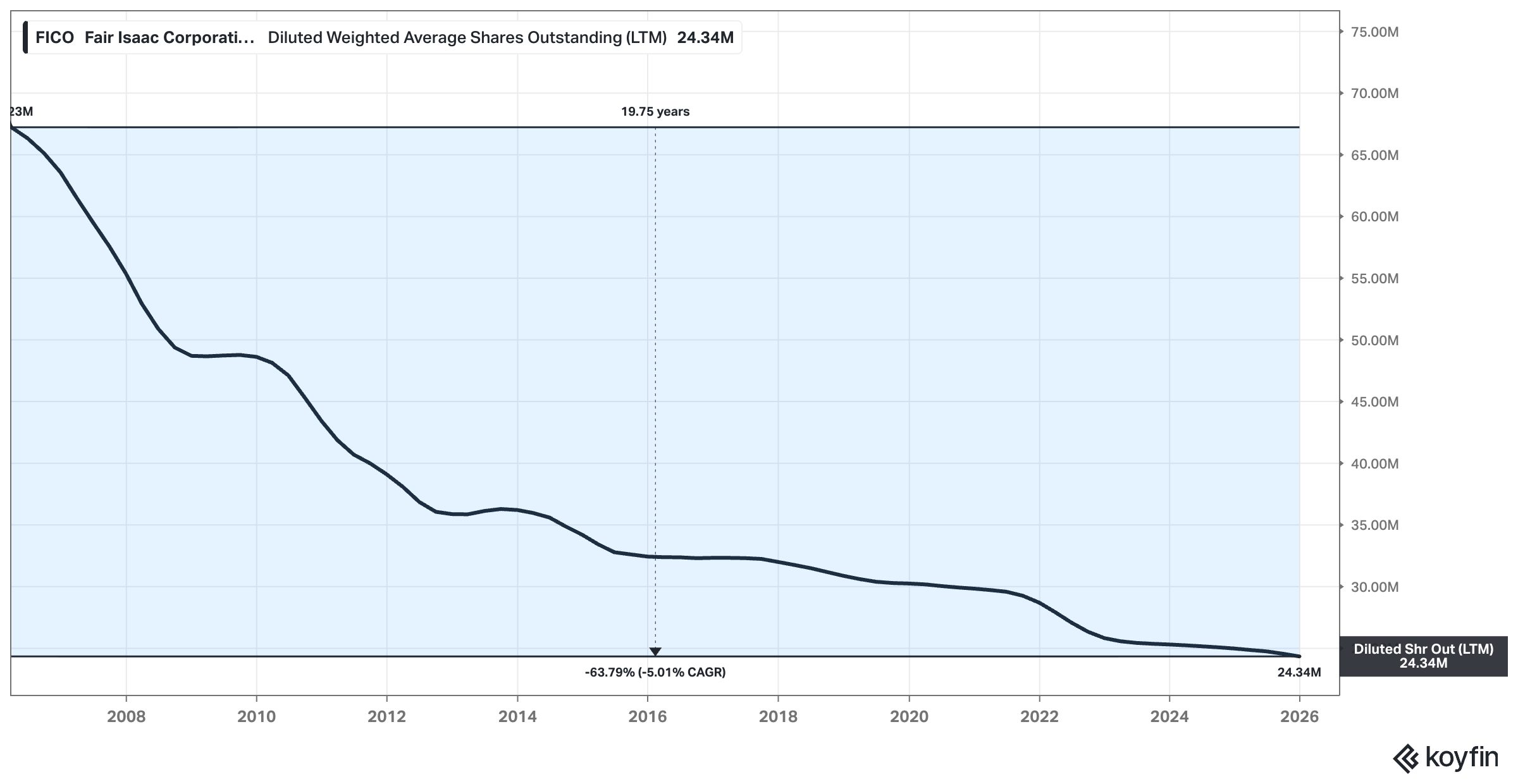
As for acquisitions, FICO takes a conservative approach. The company prefers to focus on organic growth, investing in R&D and small, tuck-in acquisitions rather than large, costly mergers. This strategy minimizes integration risks and avoids the costs associated with acquiring businesses with disparate code bases.
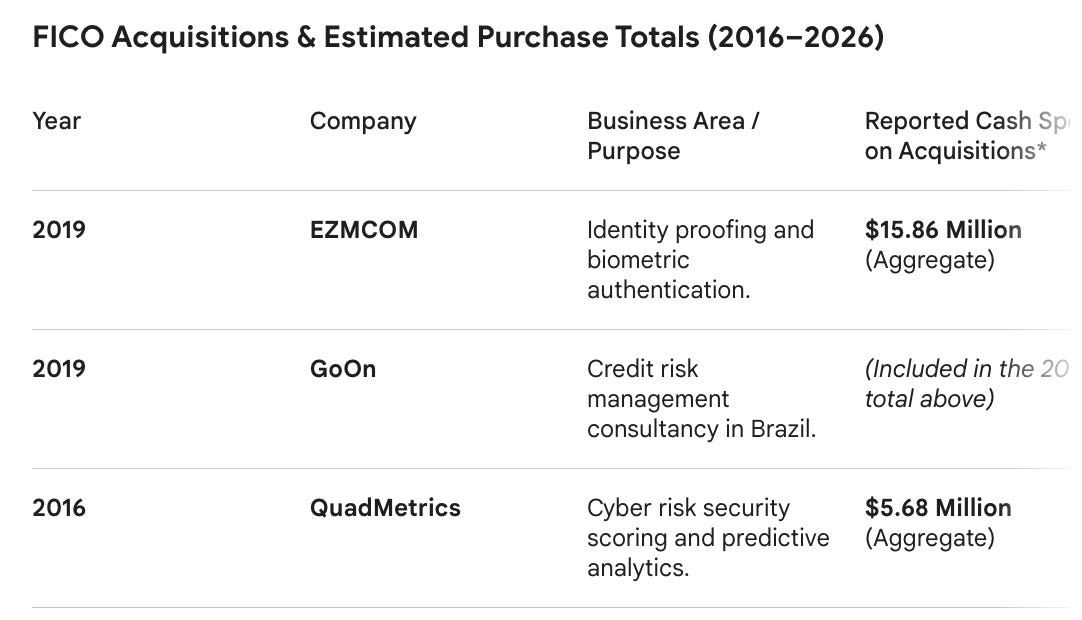
FICO also discontinued its dividend in 2017, viewing share repurchases as a more flexible and tax-efficient way to return capital to shareholders.
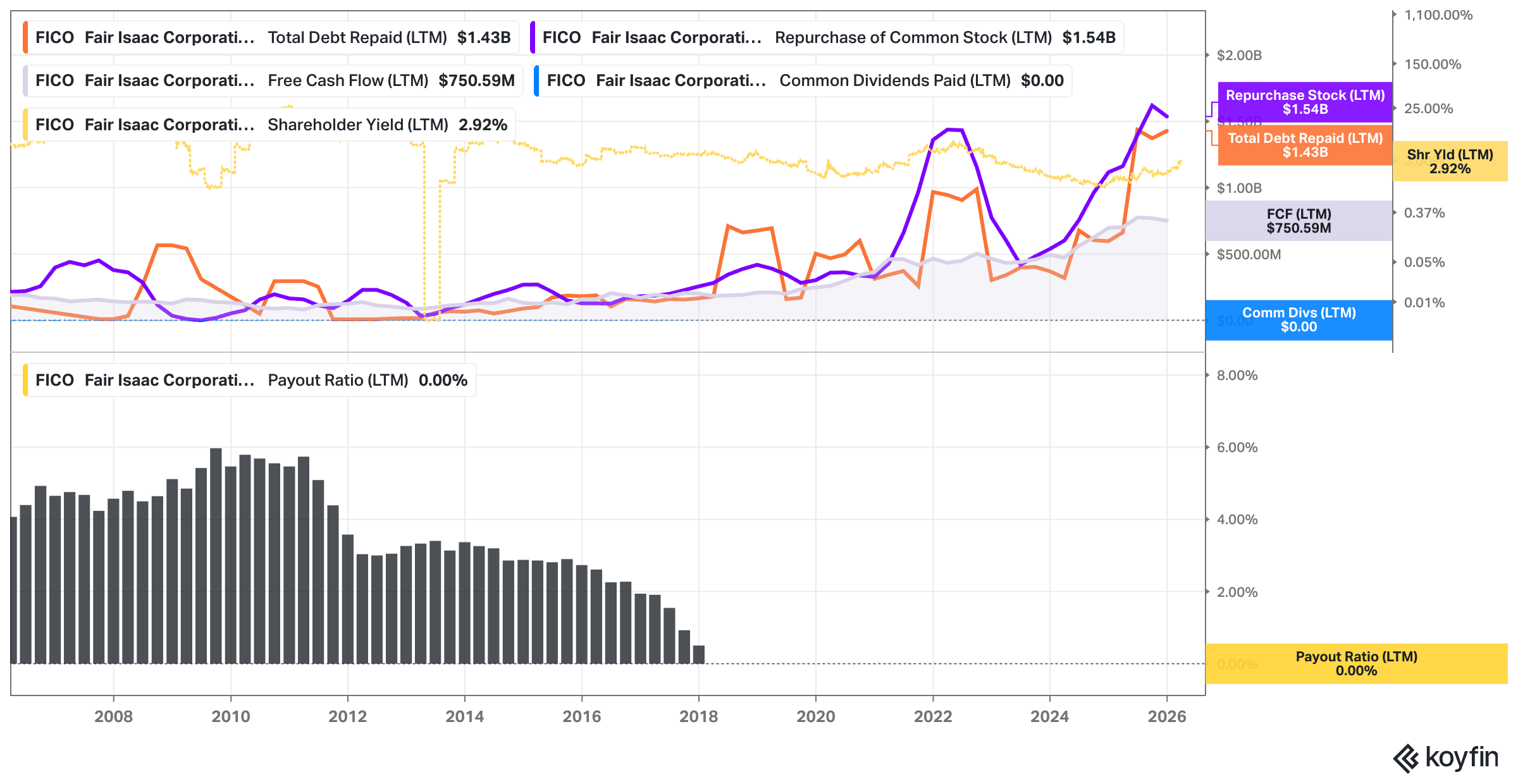
3.4. Management Roasting
Warren Buffett once said,
“The single most important decision in evaluating a business is pricing power. If you’ve got the power to raise prices without losing business to a competitor, you’ve got a very good business. And if you have to have a prayer session before raising the price by a tenth of a cent, then you’ve got a terrible business. I’ve been in both, and I know the difference.”
In theory, having pricing power is an excellent position to be in, especially for a business as embedded in the financial system as FICO. For years, the company has enjoyed elite pricing power, with its dominant role in the U.S. credit system allowing it to raise fees for mortgage and credit scores without much resistance.
But there’s a dark side to this power: overuse.
FICO’s pricing hikes – specifically the 800% increase in mortgage score prices between 2022 and 2025 – illustrate the dangers of pushing pricing power too far. FICO’s strategy shift from a “low-price” model to aggressively monetizing its position began in 2018 with a series of “special price increases.” While these increases have certainly boosted FICO’s profitability, the company has pushed its pricing power to its limits, attracting regulatory attention in the process.
As someone on X put it,
“The 16x increase in five years for FICO was pure greed, and I’m glad someone is pushing back on it.”
The price of a tri-merge report for lenders, which cost about $50 in 2022, could rise to $150–$250 by 2026 due to these hikes. The cumulative effect of these price increases, while small per transaction, is significant on a larger scale. Had FICO exercised more restraint, much like Netflix, which raised prices over a 15-year period by 150%, the company may have avoided regulatory pushback and continued to generate consistent revenue growth without triggering the kind of scrutiny that can derail long-term success.
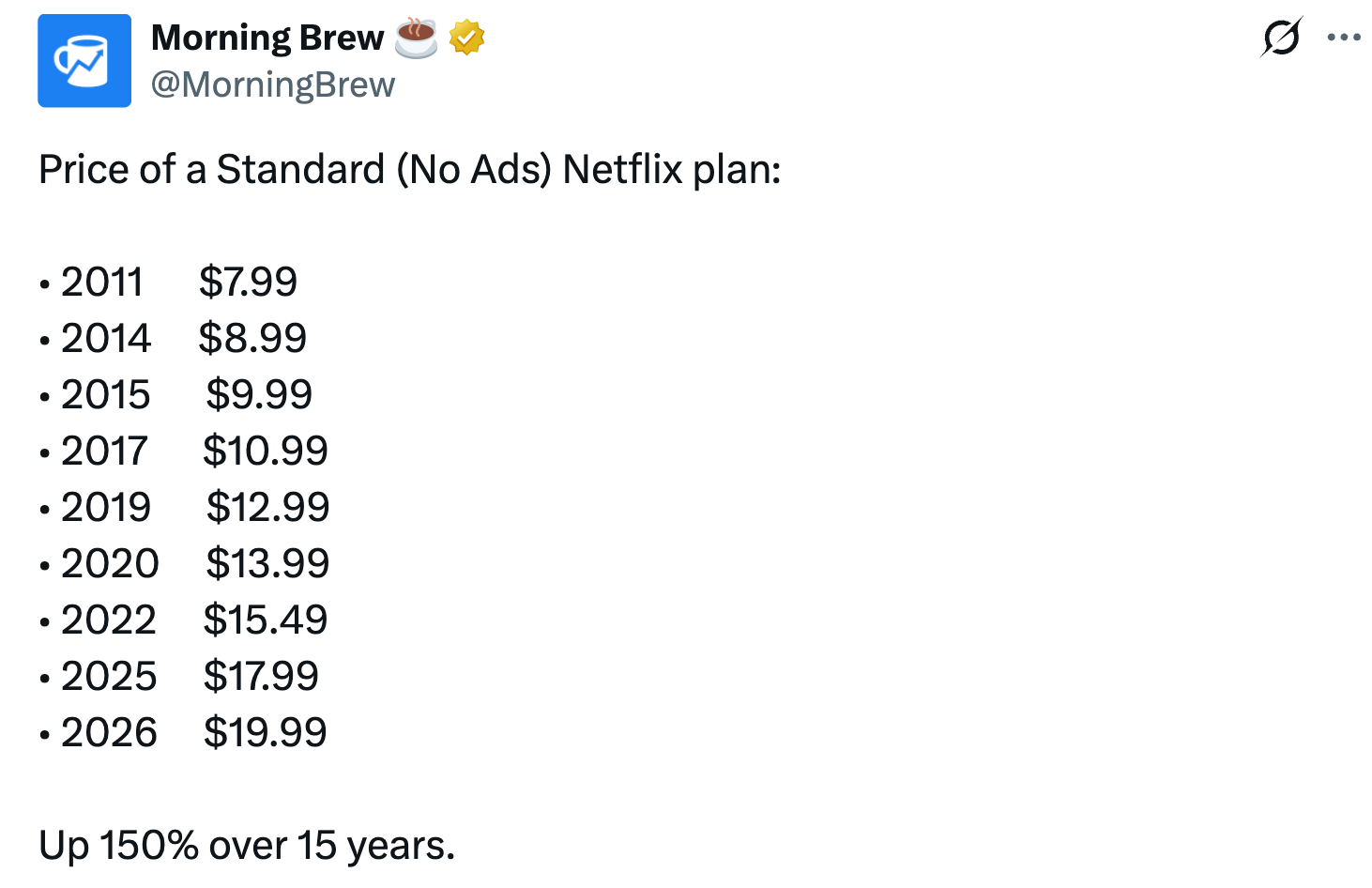
The company’s behavior highlights an important point about pricing power: there’s a level where it stops being a strength and becomes a liability. In the case of FICO, management has exercised its pricing power too aggressively, attracting unwanted attention from regulators and competitors.
FICO’s management may have been short-sighted, overly focused on revenue maximization rather than keeping an eye on emerging trends. As one former executive pointed out, FICO’s leadership failed to push for new scoring models, like FICO 10, until VantageScore had already gained a foothold with the FHFA. Similarly, FICO’s early exit from promising technologies like Context Vector, a predecessor to large language models, and the CyberScore product that could have helped companies assess cybersecurity risks, showcases a lack of long-term vision.


Management’s inability to adapt to emerging trends – particularly in AI and cybersecurity – resulted in missed opportunities, which further underscores the company’s failure to anticipate the competitive landscape and future industry shifts.
In summary, while FICO’s pricing power and market dominance have made it a lucrative stock to own in recent years, its greed-driven pricing hikes have attracted regulatory scrutiny, and its failure to innovate has exposed the company to long-term risks. FICO’s strategy shift, while understandable in the short term, has left it vulnerable to competitive and regulatory pressures.
The lesson here: when you have pricing power, use it wisely – because borrowing from the future can come with consequences that are hard to undo.
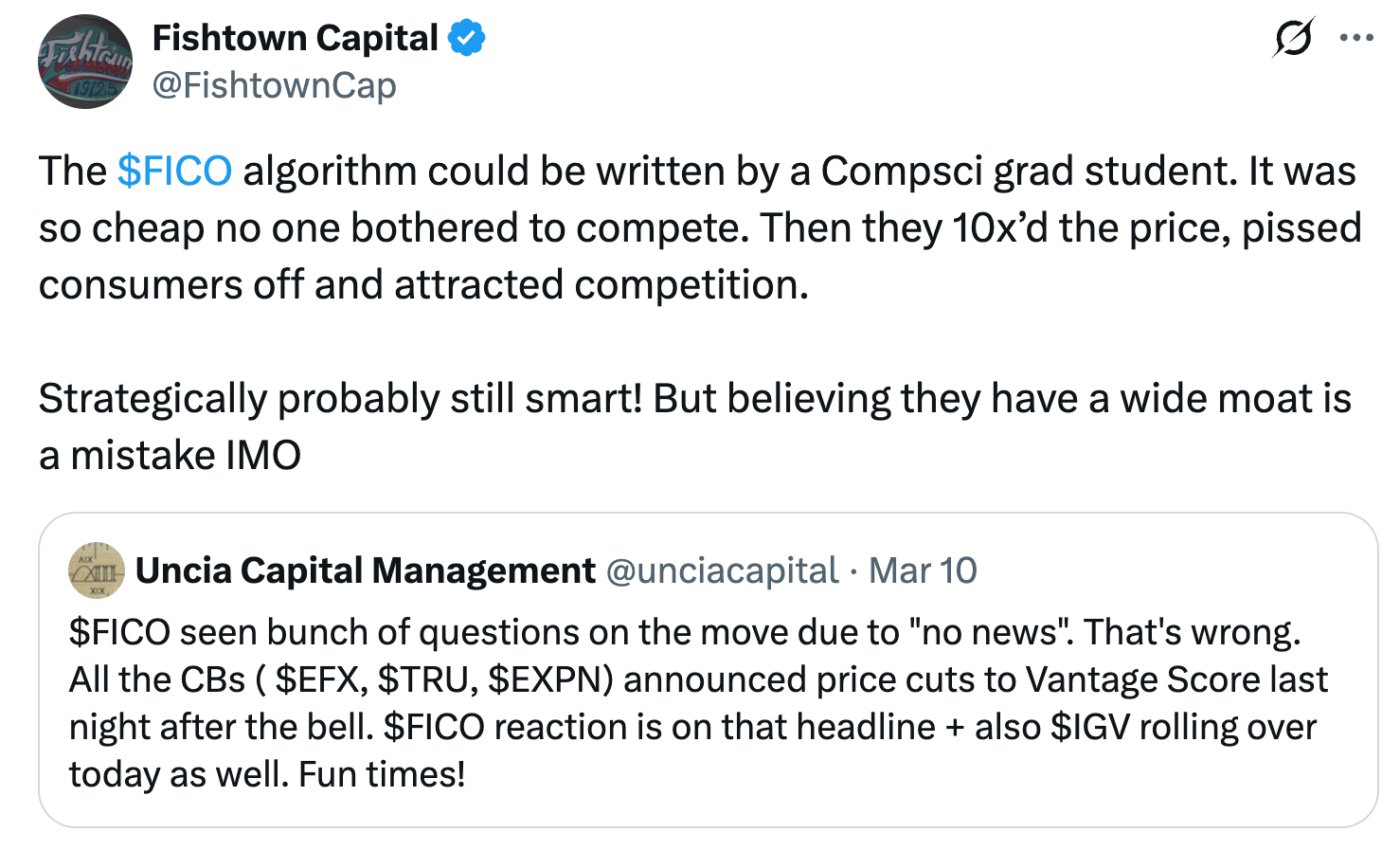
Part 4 – Balance Sheet
4.1. Balance Sheet Health
As of December 31, 2025, FICO’s total gross debt stood at $3.197 billion, which includes $399.7 million in short-term debt (current maturities) and $2.797 billion in long-term debt.
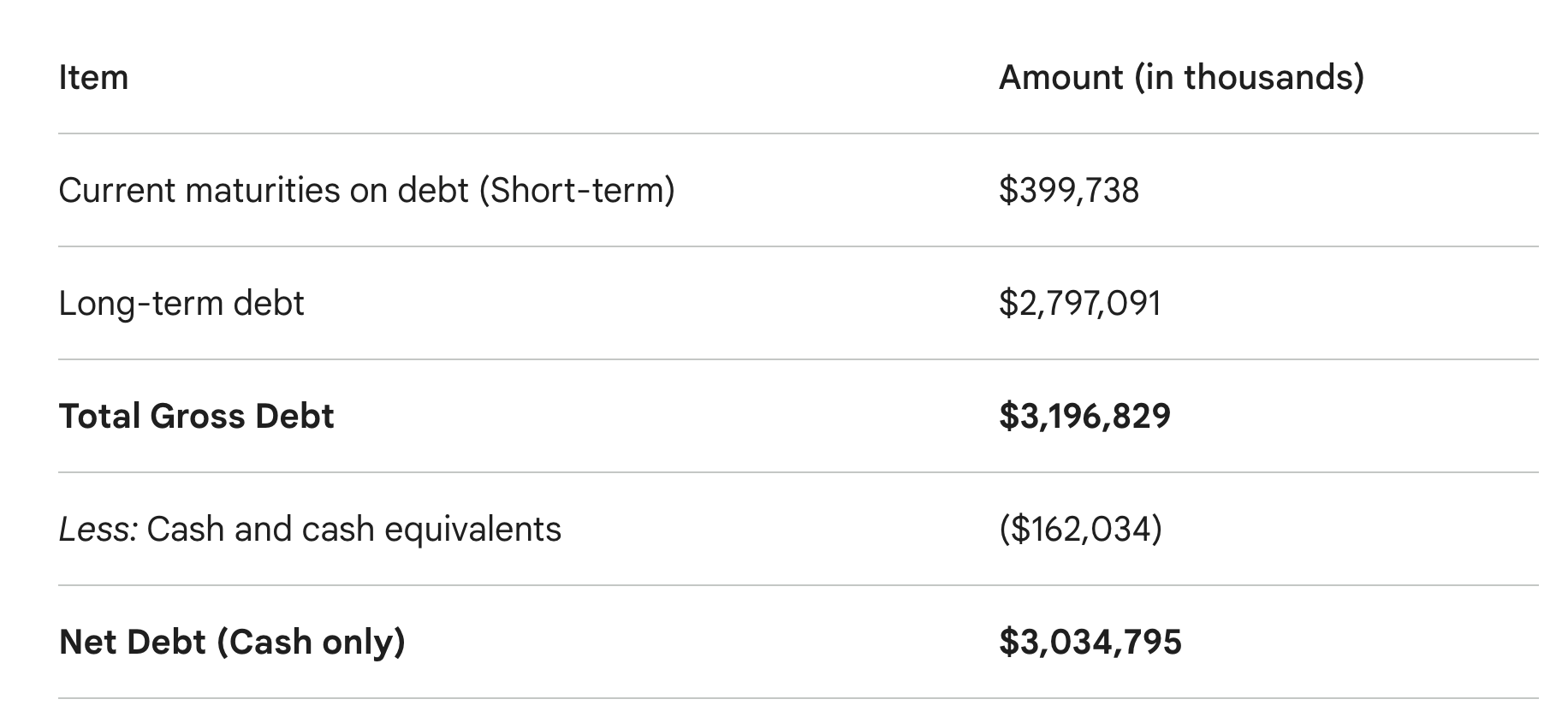
Subtracting $162 million in cash and $55.9 million in marketable securities, the net debt comes to $3.035 billion, or $2.979 billion when factoring in the marketable securities.
While this level of debt may seem substantial, it’s important to recognize that FICO’s Scores business – with its predictability and high margins – justifies a higher debt load than most other firms can support. In fact, the company’s ability to generate cash flow is so robust that it can maintain this level of debt while still executing its capital return strategy without significant risk of financial distress.
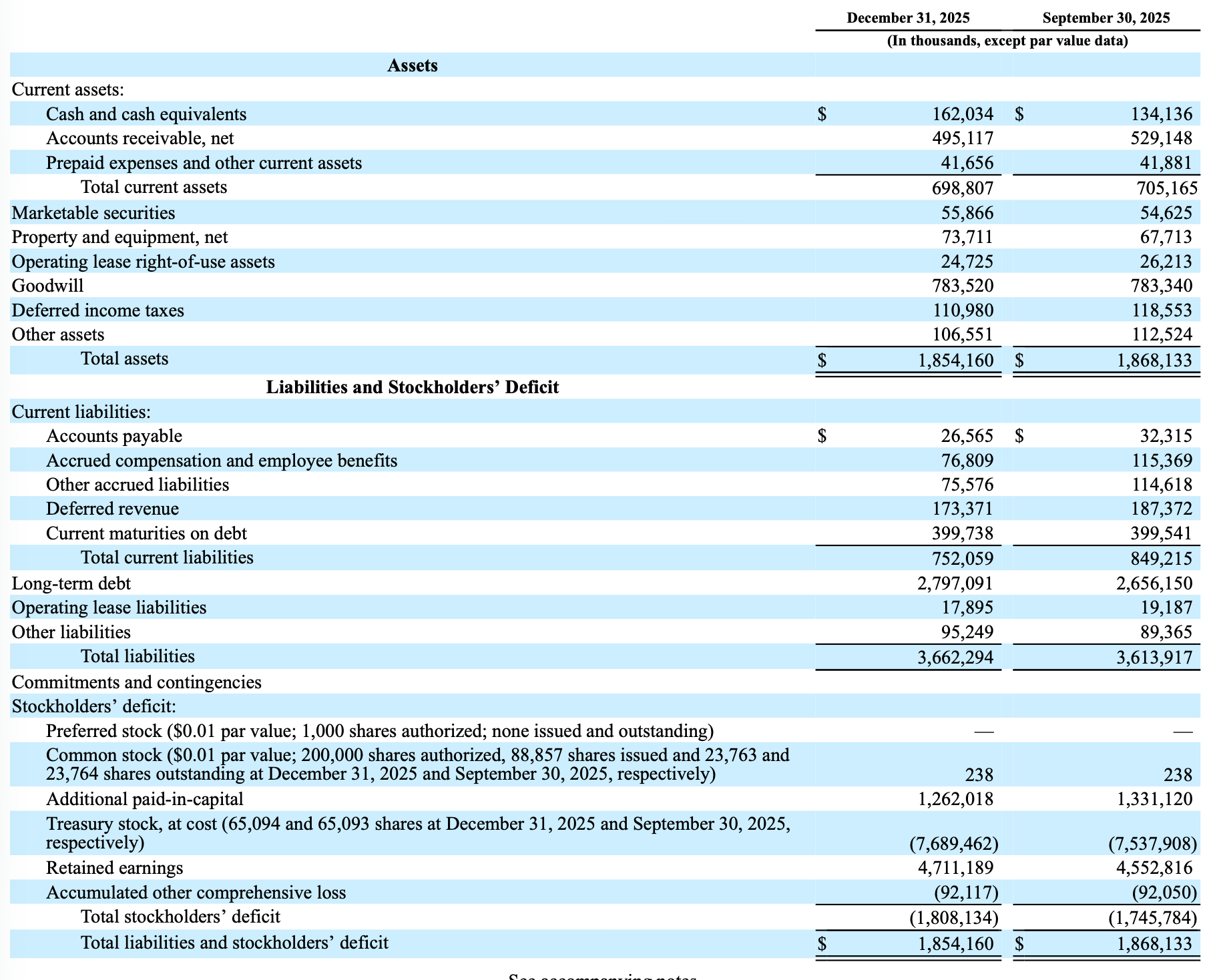
FICO’s Net Debt to Free Cash Flow (FCF) ratio is approximately 4x, meaning it would take around four years of FICO’s entire free cash flow to pay off its net debt if the company were to allocate all of it toward debt repayment (without any growth investments or share buybacks).
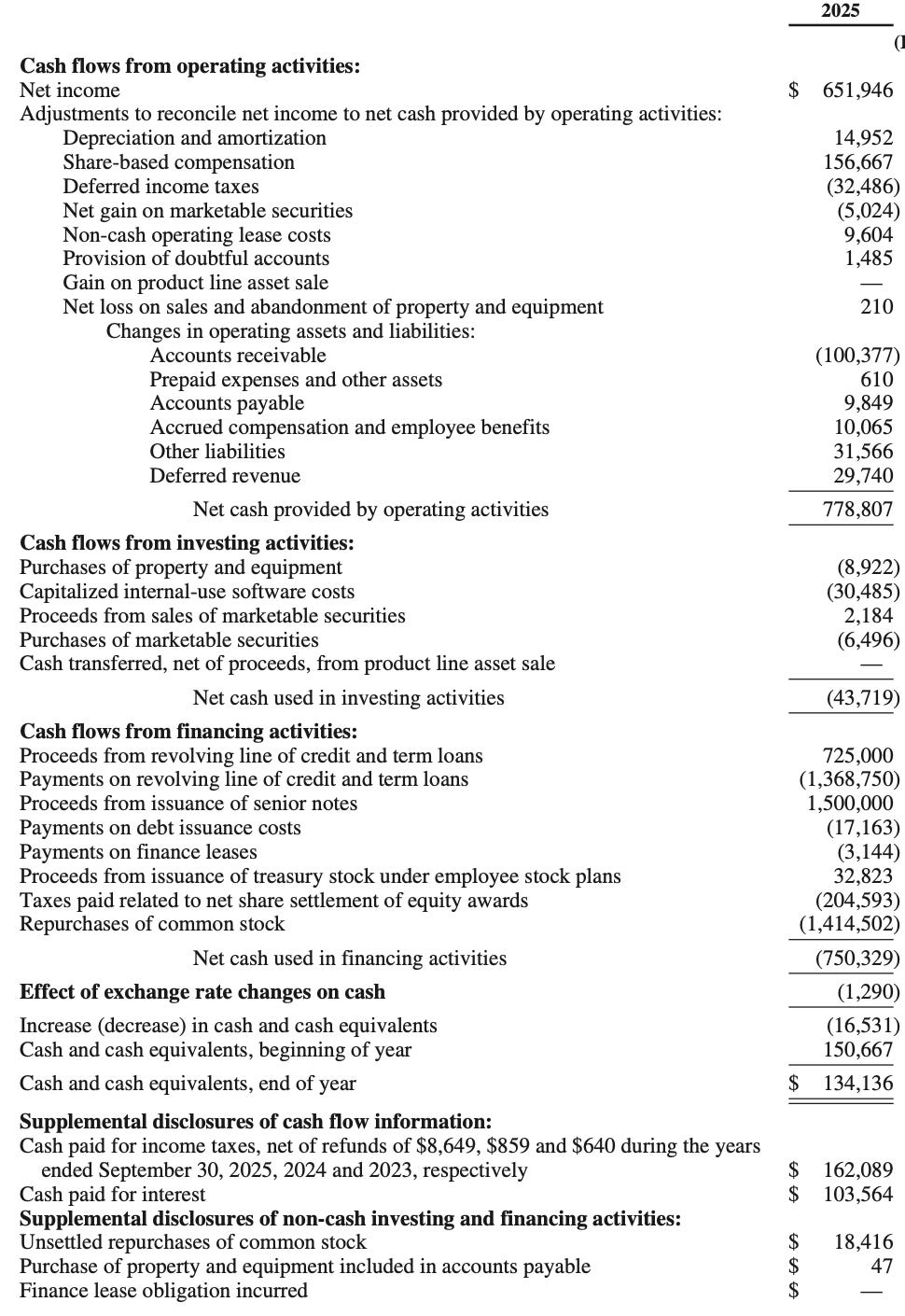
Over the last five years, FICO’s debt has steadily laddered up, with debt rising from $1.1 billion in 2021 to $3.7 billion according to Koyfin figures. This increase in debt has been matched by a similar rise in earnings and free cash flow, as illustrated by the upward trajectory of EBIT (purple bars) and FCF (blue bars).
The data suggests that FICO is not simply borrowing to survive but instead using leverage to support its growth trajectory, particularly in its stock buybacks. This growing debt has allowed FICO to continue reducing its share count rather aggressively, which has directly contributed to a boost in earnings per share (EPS).
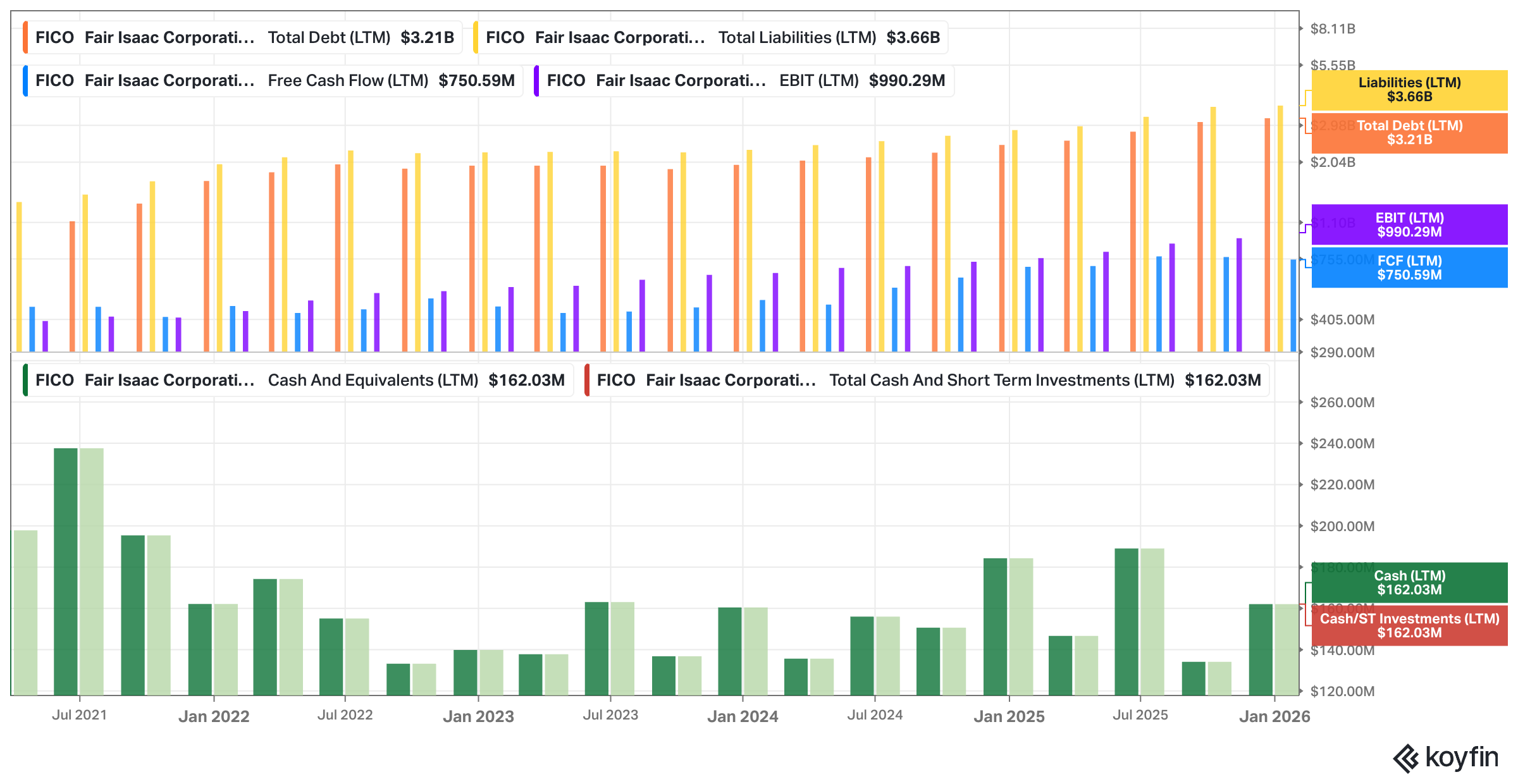
FICO’s interest expense in FY 2025 totaled $133.6 million, which is equivalent to 18.1% of its free cash flow. This interest-to-FCF ratio is quite healthy, meaning that for every $1.00 of free cash generated, approximately 18 cents are used to service its debt. This ratio is an important indicator of how comfortably FICO can handle its debt obligations. If we look at the actual cash paid for interest, which amounted to $103.6 million, the cash interest-to-FCF ratio drops to 14.0%, which further underscores the company’s ability to handle its debt burden without jeopardizing operational stability.
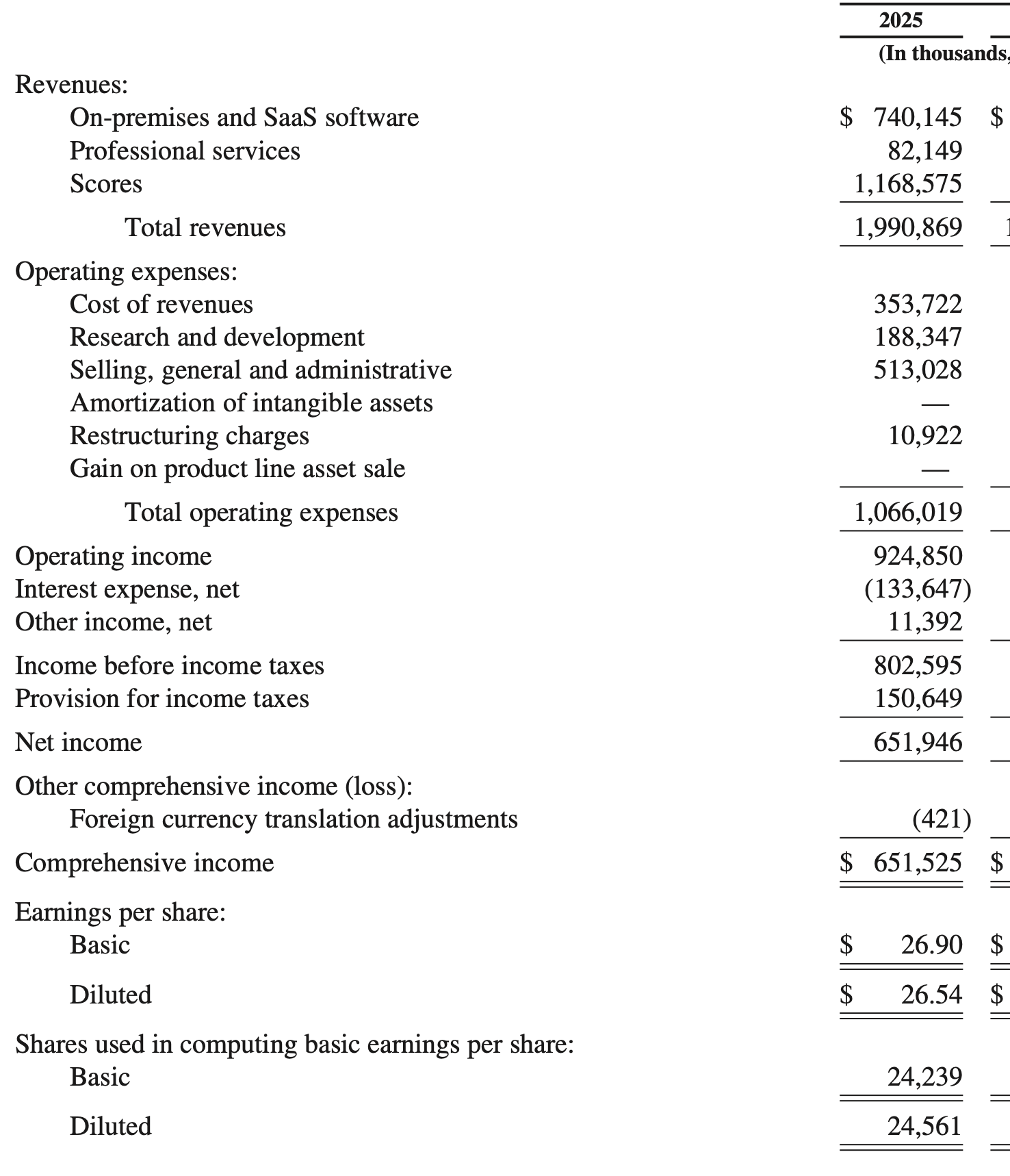
In addition, FICO has strategically locked in much of its debt at fixed rates, including through its recent $1 billion bond offering in March 2026. The proceeds from this offering were used to retire $400 million in 5.25% notes due in 2026 and pay down revolving credit, effectively pushing repayment deadlines out to 2034.
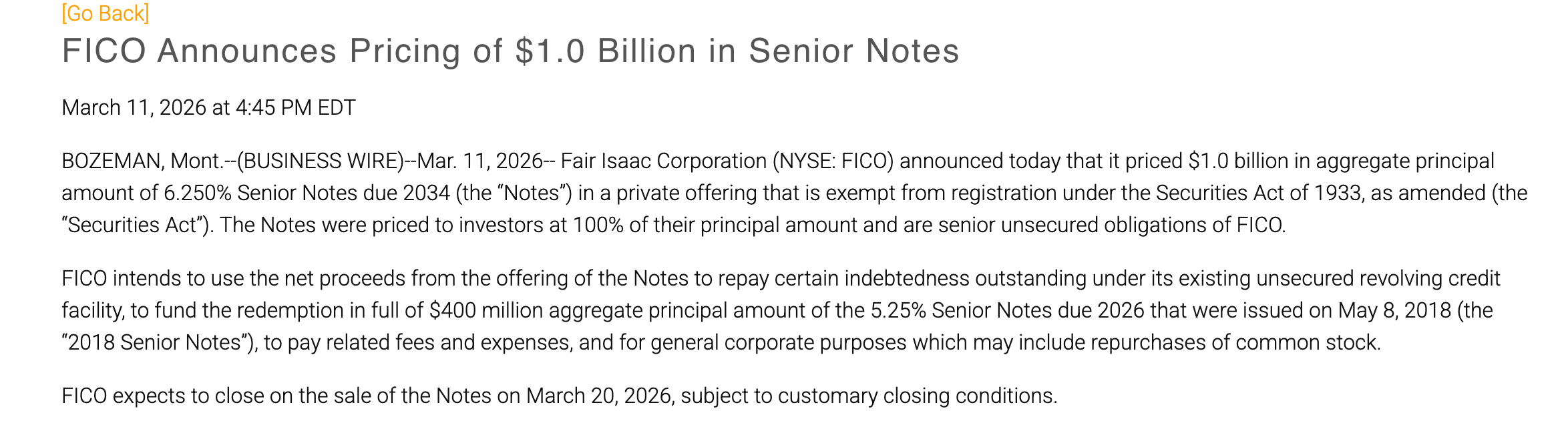
This move reduces short-term refinancing risk, providing FICO with more flexibility in managing its debt load and ensuring stability, even if interest rates rise further in the market.
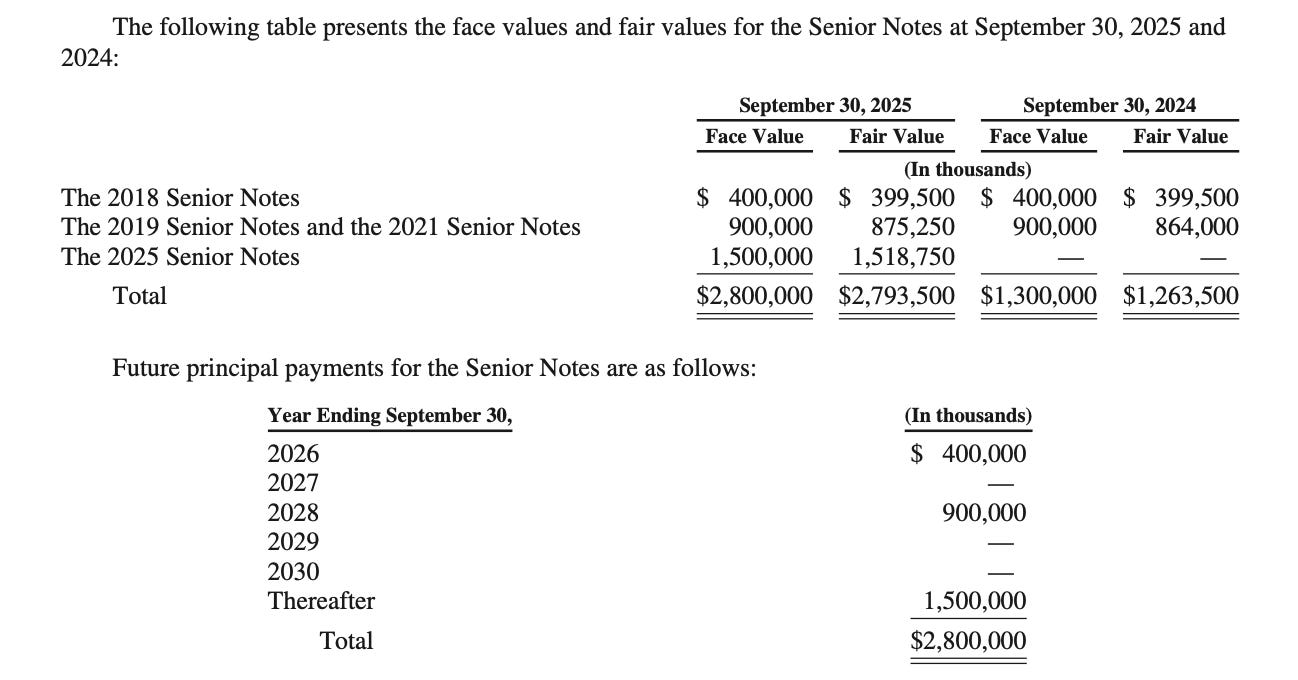
4.2. Operating Perspective
FICO’s balance sheet also offers some more key insights into its highly efficient capital-light nature, which drives the company’s profitability and high-margin operations. A close examination reveals a few dominant operating items that shed light on the company’s cash conversion cycle, its bargaining power with both customers and suppliers, and the mechanics behind its capital stack.
The most significant operating items on FICO’s balance sheet are Accounts Receivable ($495.1 million) and Deferred Revenue ($173.4 million). Notably, inventory is zero, which is typical for a company that deals primarily in software and data services rather than physical goods. The large balance in Accounts Receivable indicates that FICO’s Scores business (its main revenue driver) operates on a usage-based billing model. This means that banks and credit bureaus use FICO’s scores and pay FICO later, often with a delay of 30-60 days.
“Payment terms and conditions vary by contract type, although terms generally include a requirement of payment within 30 to 60 days.“
This structure reflects the “toll-bridge” model FICO has in place, where it collects a fee every time a credit decision is made, yet it doesn’t need to immediately collect cash to continue operating.
Deferred Revenue is another important “liability,” representing cash already collected from customers for software subscriptions that has not yet been recognized as revenue. This reflects the classic SaaS (Software as a Service) model, where customers pay up-front for access to FICO’s platform, but revenue is only recognized as the service is rendered over time. This prepaid income helps fund the business’s operations and reflects the recurring revenue model that is a hallmark of FICO’s software segment.
Additionally, Goodwill – which totals $783.5 million – is the largest asset on the balance sheet. The total goodwill is split between FICO’s two operating segments, with the vast majority sitting within the Software business:
Software Segment: $636.9 million (approx. 81% of total).
Scores Segment: $146.6 million (approx. 19% of total)
The company has opportunistically grown through acquisitions in the past, even though acquisitions haven’t played a major role in its more recent growth history.
Capital-Light vs. Asset-Heavy Business Model
FICO is a textbook example of a capital-light business, requiring minimal physical assets to generate significant revenue. To generate nearly $2 billion in annual revenue, FICO only needs $73.7 million in physical Property and Equipment (PP&E). The company’s physical asset base is almost negligible compared to its $20 billion+ market valuation, reflecting the high-margin, software-based nature of its business model.
This asset-light model allows FICO to remain highly capital-efficient, with its human capital (e.g., data scientists, engineers) representing the most significant “input cost.” With $76.8 million in Accrued Compensation, FICO’s largest expenditures are directed towards its workforce, further reinforcing the company’s reliance on intellectual property and talent to power its business. Stock-based compensation is used strategically, allowing FICO to preserve cash while attracting top talent in data science and technology.
Net Working Capital (NWC) and Bargaining Power
FICO’s Net Working Capital (NWC) analysis reveals the following: The company’s operating current assets (primarily receivables) outweigh its current liabilities (accounts payable, accrued expenses, deferred revenue). While most companies strive for a negative working capital – which means that customers are effectively financing their growth – FICO doesn’t quite achieve that. This is primarily due to the company’s large accounts receivable, a result of its massive exposure to the world’s largest banks. FICO allows banks to operate with somewhat “slow” payment cycles because the revenue it generates is guaranteed, and its high margins make it manageable to wait for the cash.
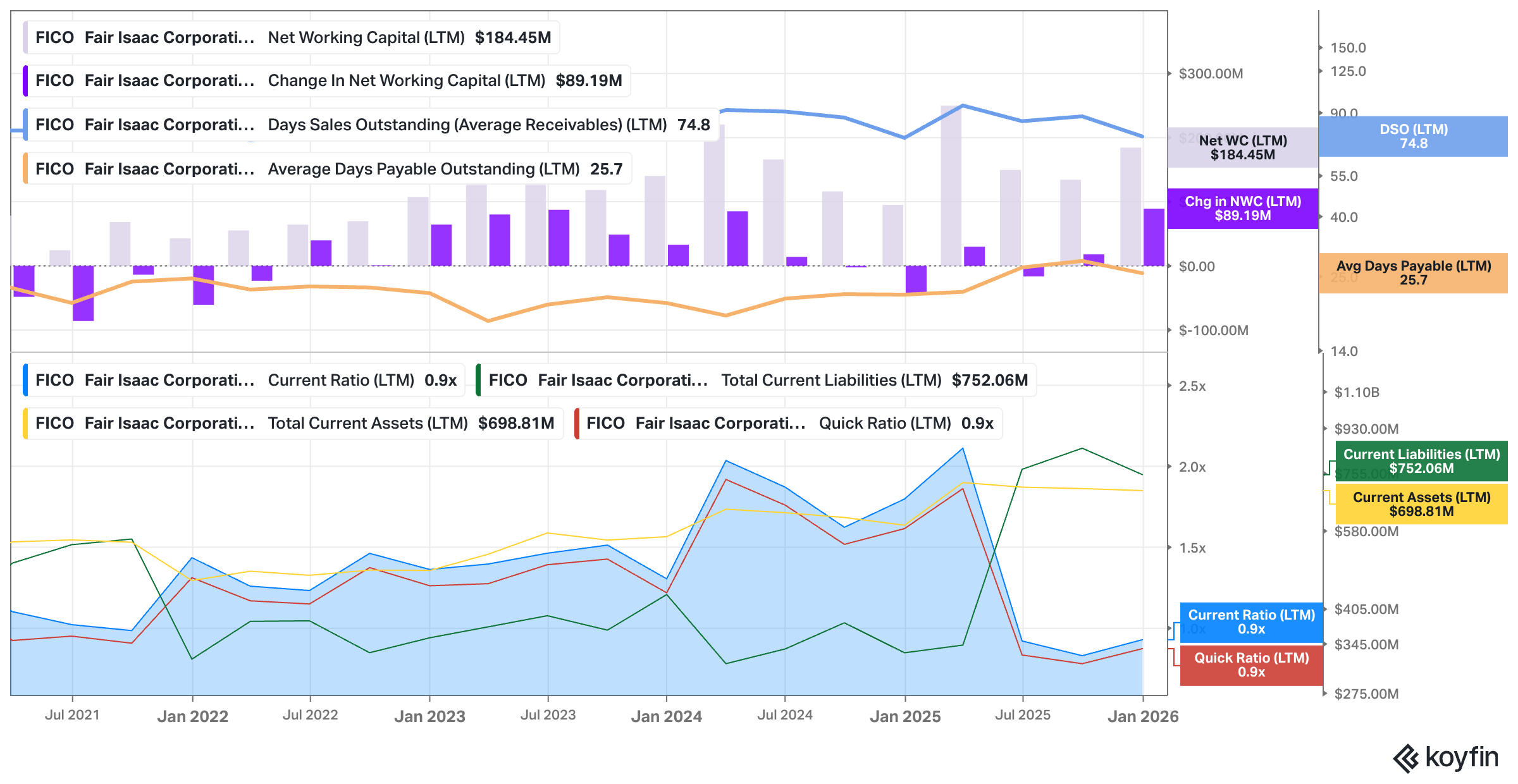
Despite this, FICO’s ability to generate massive free cash flow (FCF) means that its working capital requirements are manageable, even if it means waiting for some payments to come through. And generally, FICO’s bargaining power with customers is enormous. The company has near-monopoly status in credit scoring, which gives it tremendous pricing power.
4.3. Off-Balance Sheet Items & Hidden Risks
Fair Isaac Corporation does not engage in complex off-balance sheet arrangements such as structured finance or special purpose entities. However, there are some standard off-balance sheet commitments, guarantees, and contingencies that investors should be aware of.
For instance, as of the annual report, FICO has significant non-cancellable contractual purchase obligations, primarily related to third-party data center hosting agreements, software subscriptions, and service agreements.
As of September 30, 2025, these total $99.2 million.
A large portion of this is due in the near term, with $72.1 million payable in fiscal 2026.
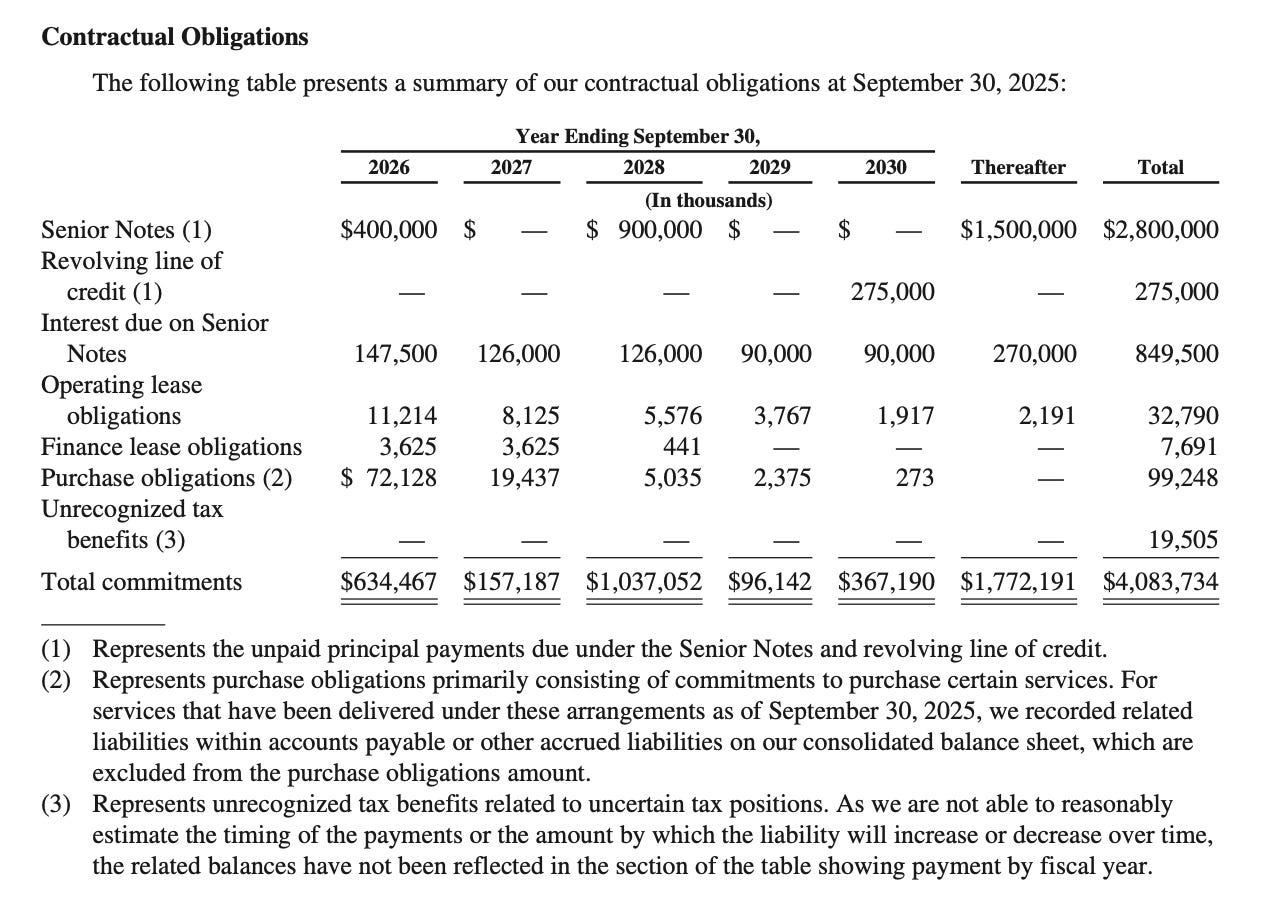
As discussed in part 1, FICO is also involved in ongoing legal proceedings that represent potential future liabilities not fully reflected on the balance sheet.
Part 5 – Risks
5.1. Inversion
Before committing to an investment, it’s important to invert the thought process – actively considering where the mistakes might lie and testing whether the investment thesis holds up under scrutiny.
“If you want to understand something, take it to the extremes or examine its opposites.” - John Boyd
FICO, with its long-standing dominance in credit risk assessment, certainly seems like an attractive opportunity in light of the recent selloff. But to truly understand the risks, we need to consider why others might be selling their shares, and which factors could undermine FICO’s growth over the next 5 to 10 years. This devil’s advocate approach will ensure a more comprehensive understanding of potential downsides.
The Sellers’ Perspective
The current sellers of FICO shares likely believe that the company has reached its “monetization ceiling” and that the aggressive pricing strategies (especially in the mortgage sector) has attracted (and will continue to attract) too much regulatory backlash for continued success. Since FICO’s “special pricing” strategy between 2018 and 2025 raised royalties by an 800% – without significant volume loss – it could be argued that the company is pushing its pricing power too far; we discussed this risk at length in the management segment (hence, I’ll keep this short here). As a result, regulatory scrutiny, especially in light of antitrust lawsuits and the FHFA’s “Lender Choice” initiative, could reduce the effectiveness of this pricing model in the future.
Furthermore, the lack of insider buying and the millions worth of stock sold by CEO William Lansing in the last two years suggest that even FICO’s leadership may see tempered growth expectations in the near term. The lack of material insider purchases at least raises concerns about the company’s future trajectory, especially during a period of valuation compression.
Some Strongest Counterarguments to the Thesis
Regulatory Disintermediation (to be discussed again further below): The FHFA’s move to a “Lender Choice” model could significantly reduce FICO’s exclusivity in the mortgage market. Historically, FICO was the only game in town for credit scoring, but things may have changed.
The “Standardization Paradox”: The “Standardization Paradox” suggests that when a standard (like FICO’s credit score) becomes so pervasive and expensive, it essentially acts as a “tax” on the economy. This, in turn, often leads to government intervention or the facilitation of alternative scoring models. VantageScore has been gaining traction, and the FHFA’s formal validation of VantageScore 4.0 has given it the “permission to compete” with FICO.
AI: The rise of Artificial Intelligence poses a multifaceted disruptive risk for FICO, spanning competitive threats, product obsolescence, regulatory challenges, and heightened operational risks.
On the competitive front, FICO faces increasing pressure from alternative AI-driven credit scoring models that leverage neural networks and machine learning. Low-cost or free consumer credit scoring solutions, powered by AI, threaten to bypass traditional models like FICO’s, and if FICO fails to innovate and adapt to these emerging technologies, its products could become obsolete.
Additionally, the regulatory landscape is evolving, with global regulators scrutinizing the fairness and transparency of AI algorithms, particularly in credit scoring. The EU AI Act and potential algorithmic accountability laws could limit FICO’s ability to operate or render certain products obsolete if they fail to comply with new standards.
Furthermore, consumer resistance to sharing data for AI-driven solutions due to privacy concerns could impede FICO’s ability to deliver its services effectively.
On the operational side, the integration of AI into FICO’s internal processes and external offerings introduces technical vulnerabilities and new security risks. The use of AI to develop products or add features could lead to errors, defects, or delays, damaging FICO’s reputation and potentially resulting in product liability claims.
Moreover, intellectual property leakage becomes a risk as AI technology increases the chances of unauthorized use or disclosure of proprietary information. FICO also faces enhanced cybersecurity threats, as AI-driven attacks evolve more rapidly, enabling malicious actors to exploit vulnerabilities in FICO’s systems and target sensitive consumer data. Despite these challenges, FICO is actively embracing AI, integrating it into its FICO Platform for smarter decision-making and leveraging its FICO Focused Foundation Models, designed to be more accurate and cost-efficient than traditional AI approaches in financial services.
However, balancing the benefits of AI with these emerging risks will be critical for FICO’s future success. Below is CEO Lansing’s view on AI (be aware the clip is two years old), highlighting that in fraud detection, it’s already deeply integrated, but that on the credit underwriting side, it will take time to overcome regulatory challenges:
Here’s a more recent clip with FICO’s Chief Analytics Officer:
The Short Thesis: Does It Have Merit?
A potential short thesis on FICO could be built around the regulatory risks and the company’s pricing model. If the FHFA’s Lender Choice initiative leads to greater competition and adoption of VantageScore, or if antitrust litigation successfully dismantles FICO’s exclusive distribution model, the company could face serious revenue declines and margin compression. Furthermore, if FICO’s cloud transition struggles to take off (which seems very unlikely at this point, I must say), leaving the company dependent on its increasingly contested Scores business, the stock could see a prolonged period of underperformance.
While the short thesis has merit, it’s important to consider that FICO still retains substantial pricing power and a dominant market share in its core business, and that the industry structure tends to be a winner-takes-most one (we discussed this in the second part). The company also has a significant moat built around its institutional embeddedness and its regulatory approval in the mortgage market. That said, if competition intensifies and regulatory pressures mount, this could stifle FICO’s future growth.
5.2. VantageScore vs. FICO: Is the Credit Scoring Giant Losing Its Grip?
For decades, FICO scores have been the gold standard in determining creditworthiness, with lenders and investors alike relying on them to assess risk in everything from mortgage lending to credit card approvals. FICO has long held a market share of over 90%, creating a near-monopoly in the consumer credit industry. But in 2006, the landscape began to shift when VantageScore was introduced as a new competitor to challenge FICO’s dominance.
VantageScore wasn’t born out of a desire to compete solely on the accuracy of predictive models. Instead, it was designed to disrupt the entrenched credit scoring system by leveraging the deep data access of the three major credit bureaus, Equifax, Experian, and TransUnion. The collaboration of these bureaus was initially framed as a “Coalition of Rivals,” meant to break FICO’s stronghold on the market by creating a more inclusive and accessible alternative for both consumers and lenders.
However, VantageScore’s journey to challenge FICO has been anything but smooth. Over the years, it has primarily carved out a niche in non-critical areas such as marketing, lead generation, and free credit monitoring services like Credit Karma. These areas are important but far from the core, high-stakes arena where FICO has maintained its grip – namely, the mortgage and lending markets. Despite some initial interest and adoption, VantageScore has for a long time largely been relegated to the periphery of the industry, never quite gaining the widespread traction that would allow it to pose a serious threat to FICO’s market share.
Still, the credit bureaus behind VantageScore haven’t been sitting idle. They’ve been biding their time, slowly chipping away at FICO’s dominance, and positioning VantageScore as a worthy competitor. But breaking FICO’s monopoly isn’t just about having a better model – it’s about overcoming the massive structural and institutional inertia that has entrenched FICO as the industry standard. For lenders, switching to a new scoring model means more than just recalculating credit scores; it involves overhauling internal systems, recalibrating risk models, and retraining staff. And these are just the financial costs. The reputational risk of adopting a new system, particularly one that hasn’t been tested through the full spectrum of economic cycles, can be a huge deterrent. And decision-makers are reluctant to take on the career risk that would come with switching.
Yet, further below, I’ll explore how VantageScore has been quietly chipping away at FICO’s stronghold and has somewhat quietly gained more momentum recently, using regulatory shifts, alternative data sources, and evolving business dynamics to force the industry to rethink its long-standing reliance on FICO. While VantageScore’s market share remains small, recent developments suggest that its role in the credit scoring ecosystem could soon become much more significant.
The real battle for dominance may just be beginning.
The Turning Point – Regulatory Shifts, FHFA’s Approval, and the Latest Developments
The competitive balance in the credit scoring market began to change in late 2022 when the Federal Housing Finance Agency (FHFA) made a historic decision that shifted the landscape for both VantageScore and FICO. For the first time, VantageScore 4.0 was officially approved for use by Fannie Mae and Freddie Mac, the government-sponsored enterprises (GSEs) that serve as the backbone of the U.S. mortgage market. This decision represented a major turning point, as it signaled a shift away from FICO’s exclusive control over credit scoring for conforming mortgages. The move was not just symbolic; no, it had real, far-reaching consequences for the credit scoring industry.
The End of FICO’s Exclusivity
For decades, FICO had been the only mandated score for loans backed by Fannie Mae and Freddie Mac. This exclusive relationship had cemented FICO’s position as the de facto standard for mortgage lending. However, the FHFA’s approval of VantageScore 4.0 created a new reality where lenders now have a choice. Under the new “Lender Choice” model, mortgage originators can choose to use either Classic FICO or VantageScore 4.0 when submitting loans to the GSEs.
This shift represented a massive disruption to FICO’s long-held dominance. While FICO still maintains a significant market share (so far), this development marked the beginning of a new era where competition, particularly from VantageScore, could begin to erode its stronghold. For lenders, the new flexibility allowed them to explore alternatives that might …
reduce costs,
improve inclusivity, or
provide a different risk profile
… – each factor potentially pushing them away from FICO.
Bi-Merge vs. Tri-Merge – The “Pulte Pivot”
The most disruptive force in this transition was not just the technology, but the leadership of FHFA Director Bill Pulte. Sworn in in March 2025, Pulte brought a “tech-disruptor” mentality to the agency, frequently bypassing traditional bureaucratic channels to announce policy shifts directly on social media.
One of the most significant potential changes related to the shift to “Lender Choice” was the planned move from the traditional “tri-merge” system to a “bi-merge” system. The tri-merge model requires lenders to pull scores from all three major credit bureaus (Equifax, Experian, and TransUnion) to assess a consumer’s creditworthiness. However, the FHFA’s discussions about the possibility of a bi-merge system – where only two scores are pulled – introduced the potential for significant disruption in FICO’s market. I recommend reading part 1 again to better understand the significance of this for FICO’s economics.
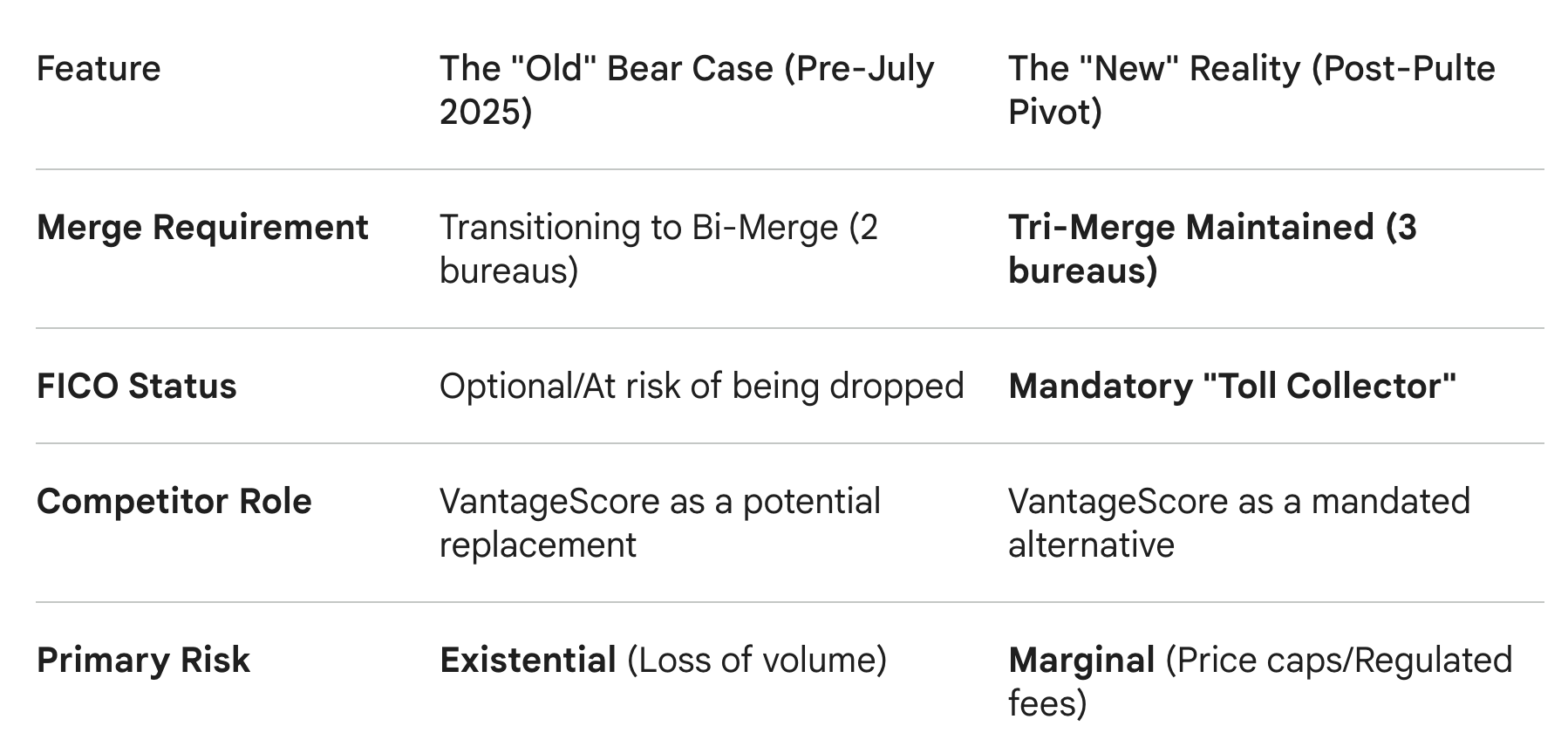
In the bi-merge scenario, if lenders were to choose to include VantageScore as one of the two scores pulled, FICO could face a direct 33% reduction in its volume per application. This represented a major threat to FICO’s revenue, as much of its business was tied to the three-score system, which had been the industry norm for decades. To offset this massive loss in volume, FICO effectively doubled the price per score (from $4.95 to $10.00) to ensure its revenue remains stable (or grows) even as fewer scores are pulled.
This price increase, combined with the need for lenders to pull three scores for each application (now a $30 line item per application), sent shockwaves through the industry. Many lenders began to question whether FICO’s pricing had become untenable, especially when considering the availability of free alternatives like VantageScore. To counter this pressure, the credit bureaus (Equifax, Experian, and TransUnion) began offering VantageScore 4.0 for around $4.50, or even entirely free for a limited time (as seen with Experian’s recent initiatives for mortgage clients) to incentivize them to switch their underwriting systems away from FICO.
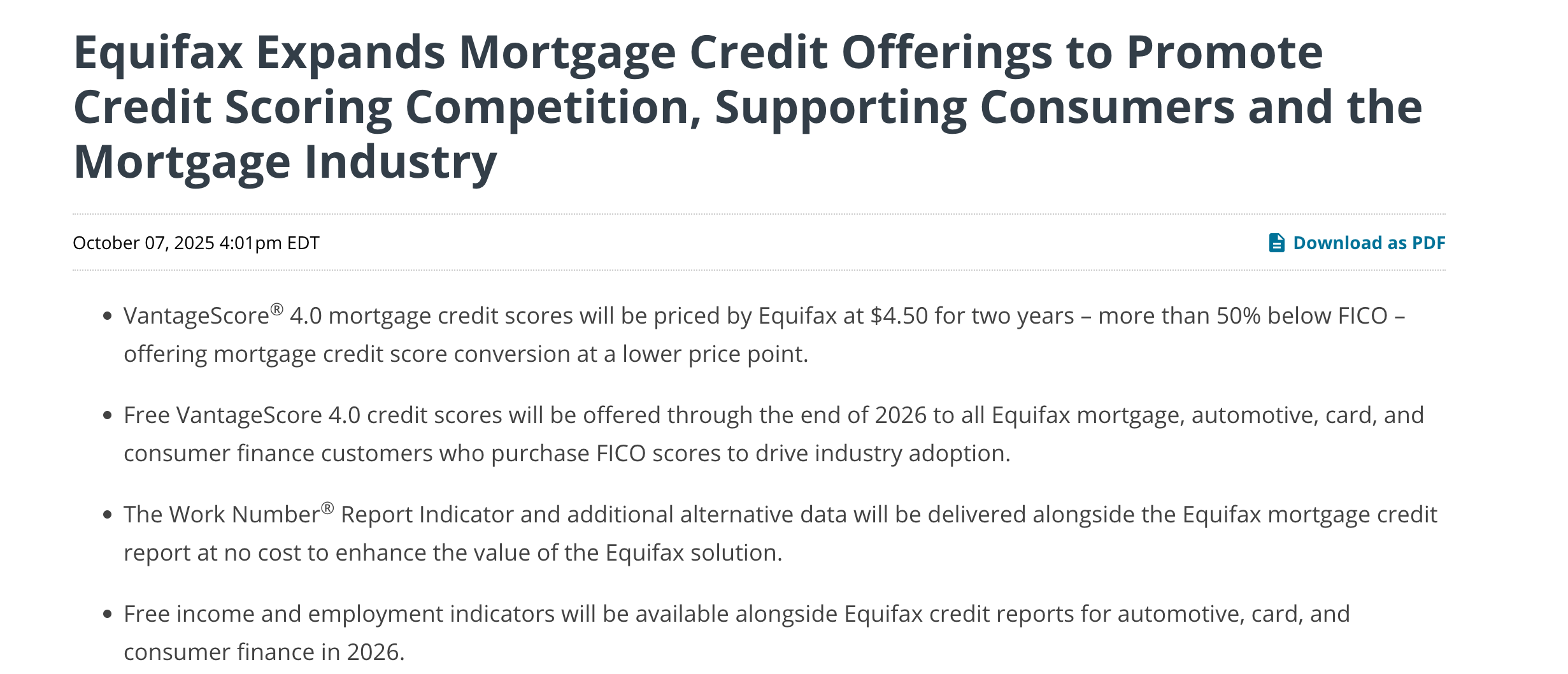
This pricing strategy was aggressive but strategic; by offering VantageScore for free, the bureaus could quickly accelerate its adoption, positioning it as a cost-saving alternative to the increasingly expensive FICO model.
However, in a surprising twist, the FHFA maintained the tri-merge requirement in July 2025, much to the relief of FICO.
On July 8, 2025, Pulte stunned both FICO and the credit bureaus with a post on X that preserved the tri-merge volume while simultaneously breaking FICO’s exclusivity:
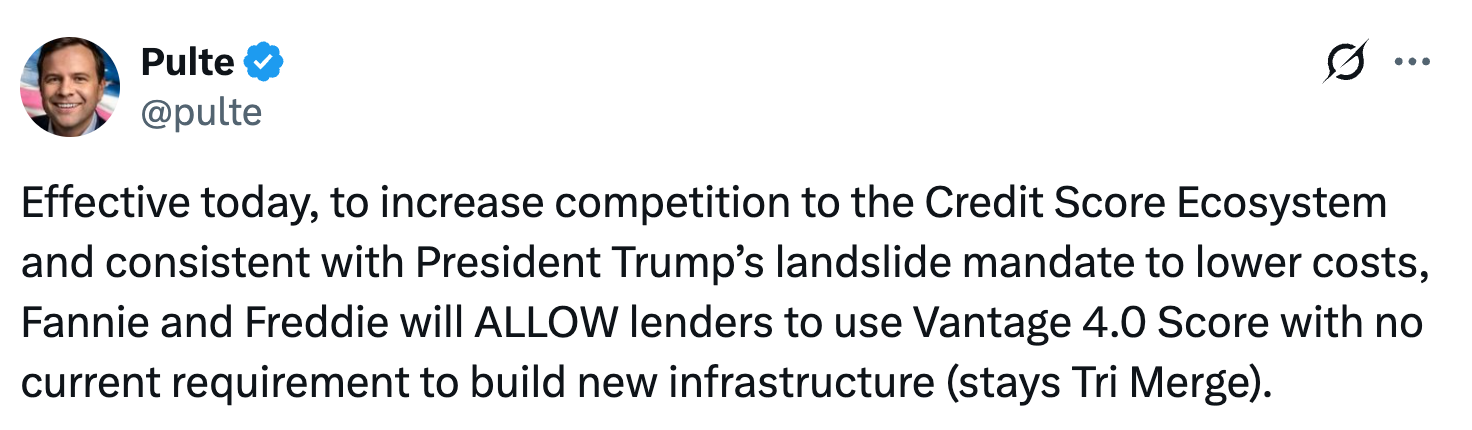
Despite this, the flexibility of “Lender Choice” meant that lenders could still choose VantageScore for their submissions, even under the tri-merge system, further eroding FICO’s monopoly.
A Victory for FICO, with a Catch
So while the decision to maintain the tri-merge was a reprieve for FICO’s volume, Pulte’s “Lender Choice” framework means FICO now has to defend its market share on merit rather than mandate. The Director made it clear that FICO’s legacy “Classic” model was on borrowed time. He later signaled a massive shift in November 2025 after a breakthrough in data-sharing negotiations with FICO’s management:
@pulte (Nov 10, 2025): “Huge! We are nearing a deal to finally bring FICO 10T into the fold alongside VantageScore 4.0. This is a win for consumers and the safety of the mortgage market. No more monopolies!”
… and …
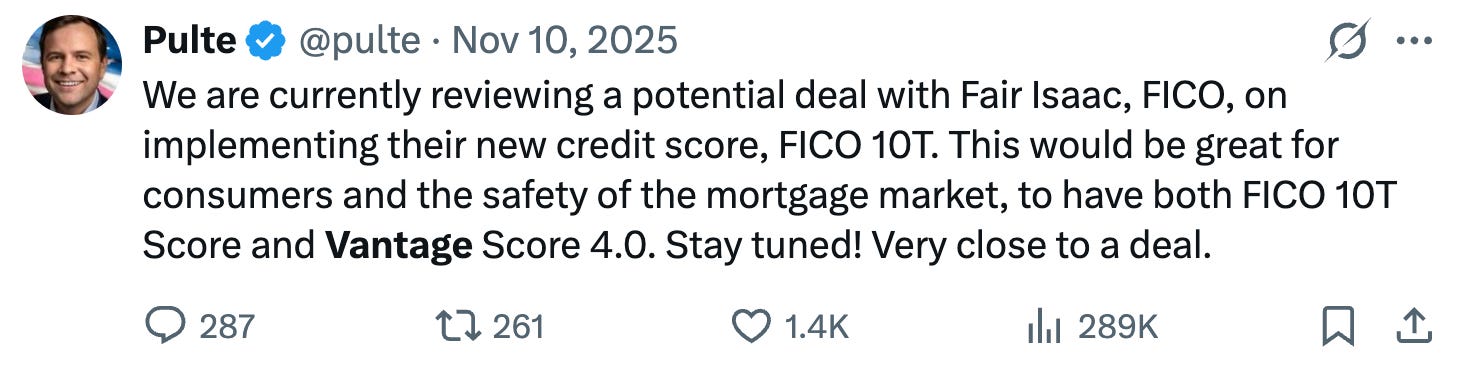
Below, I’ve attached a timeline with the most important developments since 2018:
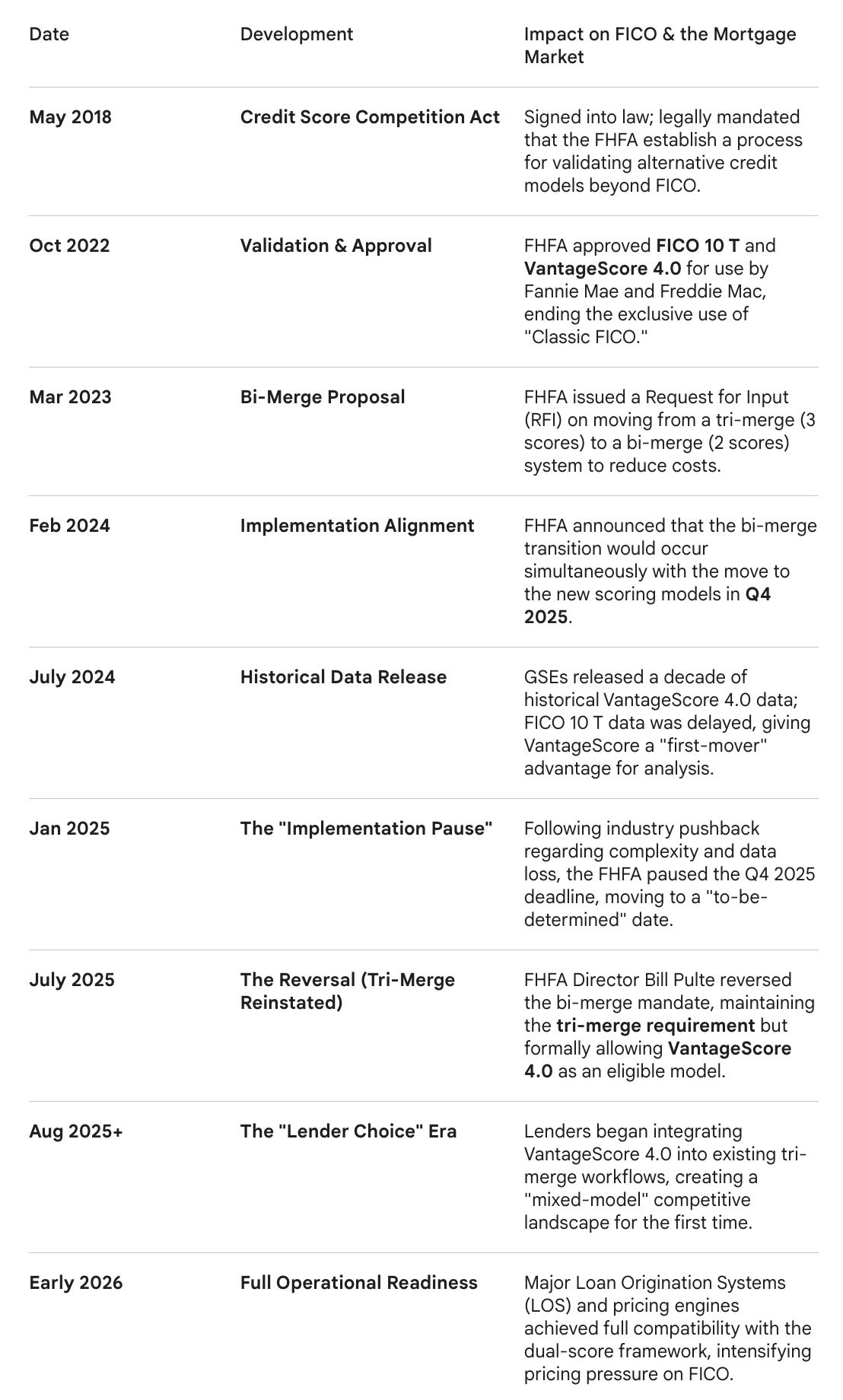
This pivot effectively created a “Competitive Tri-Merge” – that’s really the best way to think about the current framework. As noted in the timeline, this allowed lenders to meet the three-score requirement by mixing and matching models. By early 2026, FICO found itself in an uncharacteristic position: having to aggressively lobby lenders and potentially offer pricing concessions to prevent them from swapping out a FICO pull for a VantageScore pull. So Pulte’s intervention could transform the mortgage credit score from a “mandatory utility” into a “competitive commodity,” permanently eroding FICO’s once-impenetrable pricing power. That’s ultimately one of the questions you have to answer correctly when you plan to invest in FICO.
In March 2026, Senator Josh Hawley officially launched a Senate investigation into Fair Isaac Corporation (FICO), citing “monopoly pricing power” and a staggering 1,566% increase in mortgage score royalties over the last five years; a move Hawley characterized as a “homebuyer tax” that adds hundreds of millions in costs to an already strained housing market. This federal scrutiny aligns with an aggressive push by the three major credit bureaus to replace FICO with VantageScore 4.0.
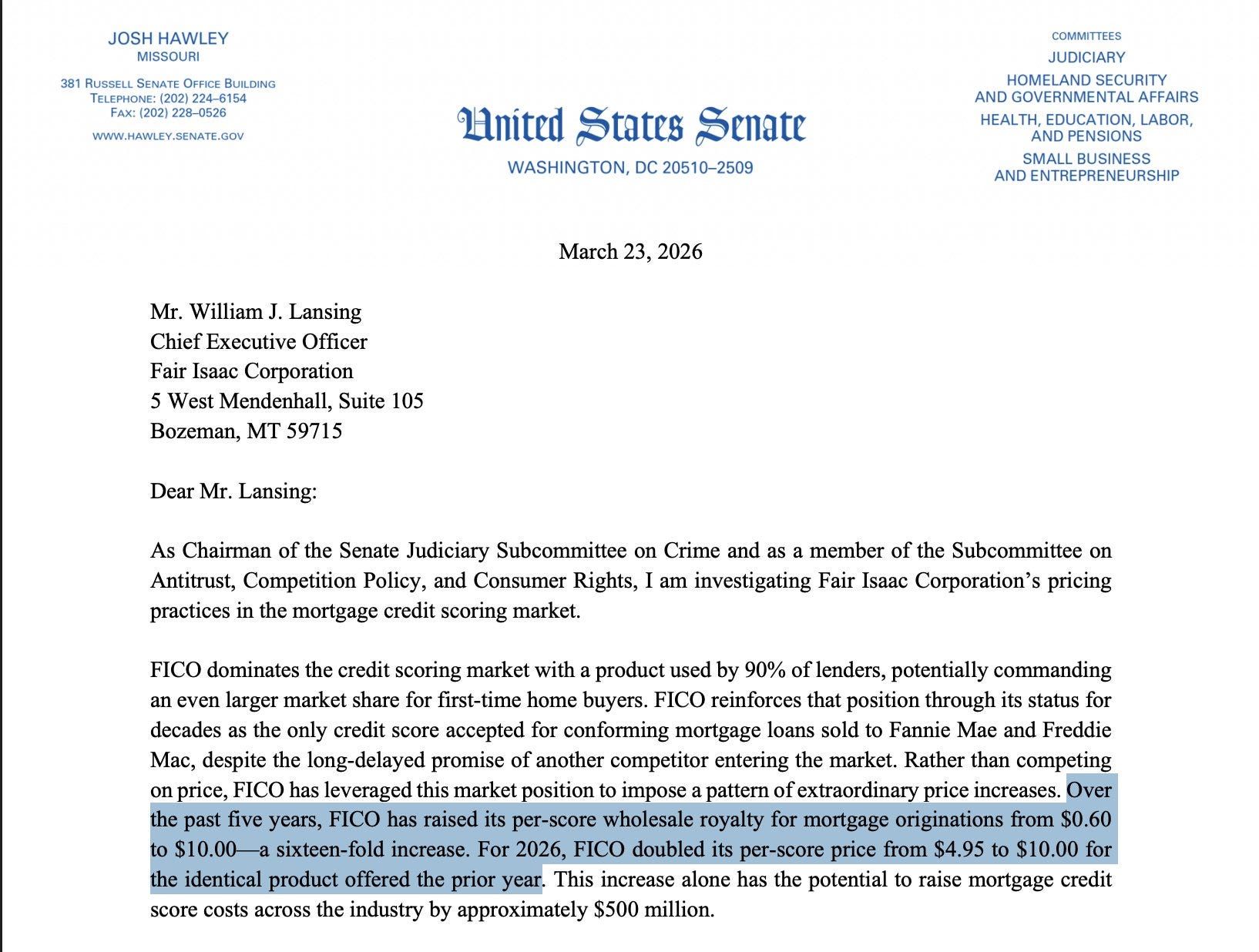
VantageScore 5.0: The Next-Gen Model
By April 2025, VantageScore launched its next-generation scoring model, VantageScore 5.0, optimized for unsecured lending. Unlike the previous version, which was designed with mortgage lending in mind, VantageScore 5.0 incorporates real-time bank account data and other “GAIN Attributes” to better assess a consumer’s financial behavior post-pandemic. This update made it more relevant for credit card issuers and personal loan providers who are increasingly interested in cash-flow-based underwriting rather than just traditional credit history.
So again, the industry is currently running two parallel models because they serve different masters:
VantageScore 4.0: This is the version that was famously approved by the FHFA for use in mortgages sold to Fannie Mae and Freddie Mac. It uses “trended data” (looking at your balances over 24 months) to prove you’re a stable borrower.
VantageScore 5.0: This is the “Unsecured Specialist.” Launched in April 2025, it was built specifically for credit cards and personal loans. It is designed to be faster and more aggressive at finding “creditworthy” people that traditional models (and even 4.0) might miss.
The predictive power of VantageScore 5.0 is particularly compelling, claiming a 9% lift in accuracy for thin-file consumers compared to its previous models. This was a direct challenge to FICO’s UltraFICO and XD products, which also aimed to capture consumers with limited credit histories.
The Inclusivity Debate
As VantageScore continues to gain traction and increase its presence in the credit scoring market, one of the key selling points it has emphasized is inclusivity. The model is designed to score millions of Americans who are often left out of the traditional FICO system, an issue that affects a significant portion of the population, particularly those with limited credit histories. While this approach is admirable from a financial inclusion perspective, it raises the question: can VantageScore truly replace FICO, particularly when it comes to predictive accuracy?
VantageScore’s key differentiator lies in its ability to extend credit to a broader segment of the population. Traditional FICO scores are built on a history of consumer credit behavior – things like credit card usage, loan repayment, and other well-documented credit events. But for many Americans, particularly younger people, immigrants, or those who’ve avoided traditional credit lines, this history is simply not available. These individuals, often referred to as the “credit invisible,” are largely excluded from the traditional credit ecosystem.
VantageScore has sought to remedy this by incorporating alternative data sources such as rent payments, utility bills, and telecom payments into its scoring model. By tapping into these unconventional sources of financial data, VantageScore is able to score individuals with limited or no credit history, a significant advantage in an age where financial inclusion has become a top priority for both regulators and lenders.
Additionally, VantageScore 4.0 can score individuals with as little as one month of credit history, a feature that allows it to serve a broader swath of consumers than FICO, which typically requires more robust credit histories to generate a reliable score. The model’s ability to score people who are “credit invisible” positions it as a tool for promoting greater access to credit, particularly for underserved populations who might otherwise struggle to gain financial mobility.
FICO’s Counter-Defense: Is Inclusivity Worth the Cost of Predictive Power?
While VantageScore has made a compelling case for greater financial inclusion, FICO is quick to counter that its emphasis on inclusivity may come at the cost of predictive power. FICO has long argued that a model that focuses on scoring more people can compromise its reliability and accuracy.
FICO’s primary concern is that VantageScore’s models, which include less traditional data like rent and utility payments, may lack the historical performance data that FICO has accumulated over decades, particularly through critical economic events like the Great Recession.
I believe FICO’s argument is not without merit. While the inclusivity of VantageScore is appealing, it does raise questions about how well the model can predict credit risk across all consumer segments.
How will VantageScore perform during times of economic stress, like recessions or financial crises?
Will it hold up when assessing the risk of lending to individuals with little or no history of borrowing or repaying debt?
To address FICO’s concerns and bolster its position, VantageScore has been making significant strides in refining its predictive power, seeking to close the performance gap that critics have long cited. The company is not solely relying on inclusivity as a selling point; it is actively working to make its models more robust and predictive of risk.
One such step was the launch of VantageScore 5.0, which we discussed above; a next-generation model designed for unsecured lending. VantageScore 5.0’s introduction of “GAIN Attributes” (Generative AI-Native) to analyze post-pandemic spending behaviors is another significant step forward. By incorporating more dynamic data into its models, VantageScore is enhancing its ability to assess credit risk in a way that more accurately reflects current consumer behavior, rather than relying solely on traditional credit data.
Additionally, VantageScore has made a concerted effort to address the lack of historical performance data by working with the GSEs to backfill 10 years of VantageScore 4.0 data. This initiative, which spans tens of millions of loans, helps to provide the kind of historical track record that has been a key advantage for FICO. As this data continues to accumulate, it will allow VantageScore to make more accurate predictions over time, bolstering its credibility as a reliable alternative to FICO.
FICO’s Counterattack: Innovating with FICO 10T, XD, and UltraFICO
While VantageScore is working to close the predictive gap, FICO has not been standing still. In response to the increasing demand for greater inclusivity, FICO has rolled out its own innovations, such as FICO Score 10T, FICO XD, and UltraFICO. These products incorporate alternative data (like rental payments, utility bills, and even trended data) to reach the “credit invisible” population that VantageScore targets.
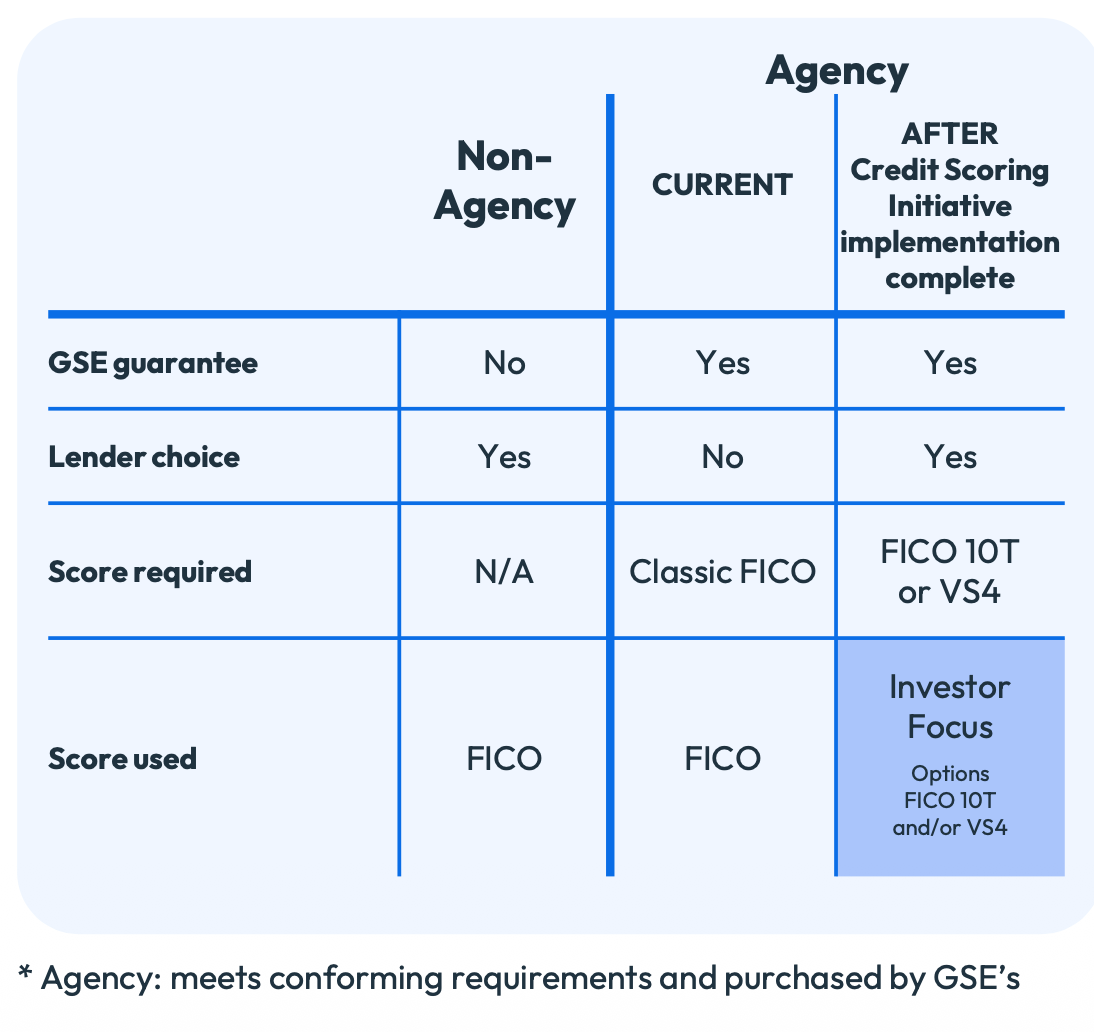
FICO 10T, for example, uses trended data – an analysis of how consumers manage their debt over time – giving lenders a more detailed picture of an individual’s credit behavior. Similarly, FICO XD and UltraFICO integrate non-traditional data sources to better score individuals who have limited credit histories, a move designed to level the playing field between FICO and VantageScore.
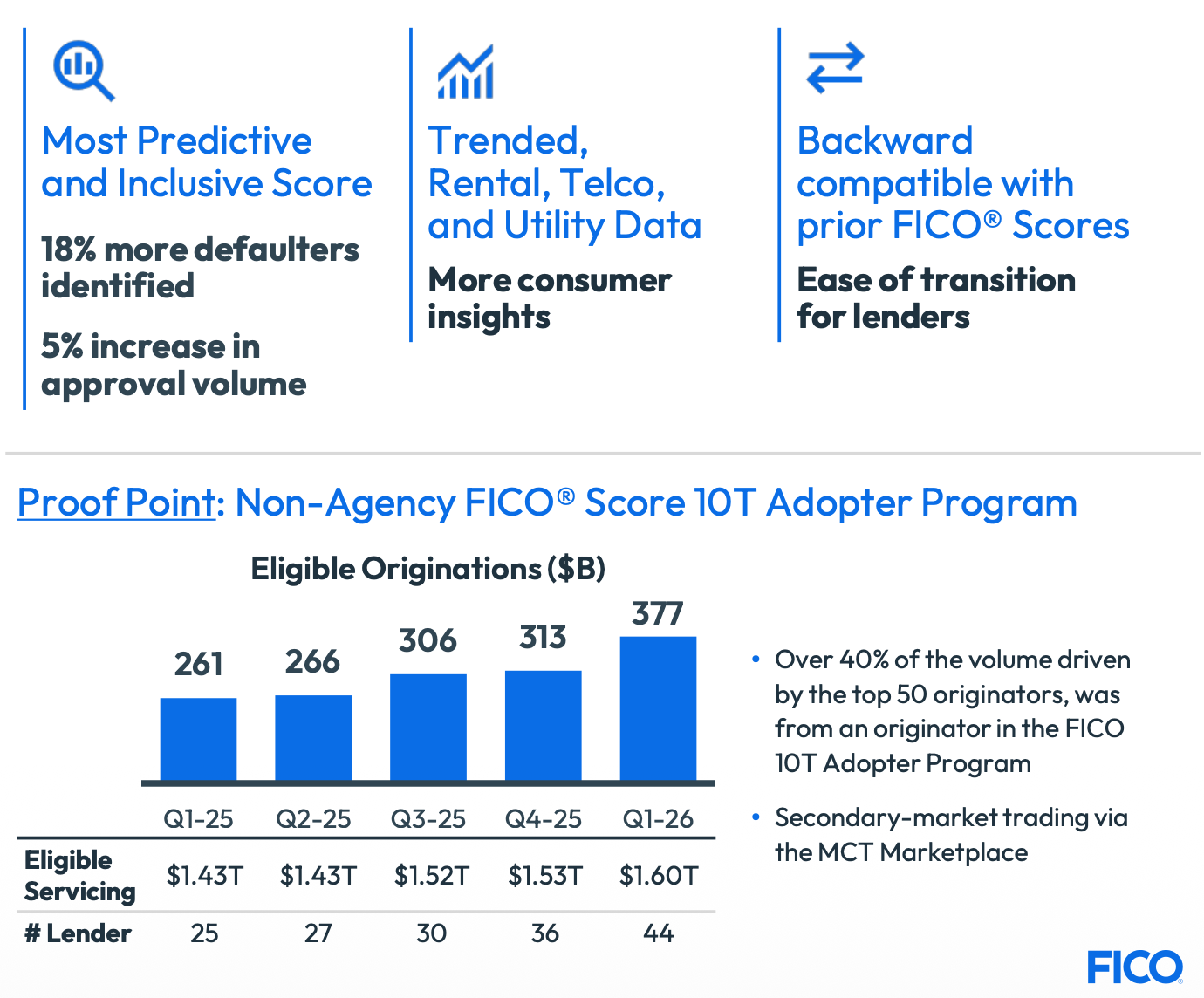
FICO’s strategy is clear: it’s not just about maintaining dominance in the traditional credit scoring model; it’s about adapting to the changing needs of the market by offering solutions that can score those previously excluded from the system. In many ways, FICO’s countermeasures have already nullified some of the perceived advantages that VantageScore has in the inclusivity space, as FICO now offers similar services to score the “credit invisible.”
Barriers to Widespread Adoption
While VantageScore has made significant strides in recent years, its path to becoming a true alternative to FICO in the credit scoring market is far from smooth. The journey is marked not only by competition and regulatory changes but also by deep-seated structural, economic, and market barriers that protect FICO’s entrenched position. These hurdles are not easy to overcome, and they highlight just how difficult it will be for VantageScore to completely replace FICO as the dominant scoring model in the U.S. mortgage and lending markets.

As discussed in part 2, one of the most formidable barriers to VantageScore’s adoption lies in the institutional inertia of the lending industry. FICO scores are deeply embedded in the infrastructure of financial institutions – both in terms of their internal systems and external regulatory requirements. This “hard-coding” of FICO scores into automated underwriting systems (AUS) and loan origination systems (LOS) makes switching to a new scoring model a complex, costly, and time-consuming process.
Moreover, the technical costs associated with such a transition are not trivial. The FHFA has estimated that moving to a dual-score model – where both FICO and VantageScore scores are used – could cost the mortgage industry upwards of $600 million in technical upgrades alone. This is a hefty price tag that most lenders are understandably reluctant to pay, particularly when FICO has been a reliable and trusted standard for decades.
Recalibrating risk models, capital allocation strategies, and automated underwriting systems would take a) time, b) effort, and c) substantial financial resources. It’s not just about replacing one scoring model with another – it’s about ensuring that every decision made by lenders, investors, and regulators can be confidently based on the new model. For many, sticking with FICO is simply easier and more cost-effective than embarking on the expensive and disruptive process of shifting to a dual or entirely new scoring system.
Conclusion: The Future is Uncertain, but the Winds Are Shifting
The future of credit scoring remains uncertain, but one thing is clear: VantageScore is no longer just a fringe competitor. With its growing market share, innovative data-driven models, and increasing regulatory support, VantageScore has positioned itself as a serious threat to FICO’s long-held dominance. While the barriers to widespread adoption remain significant, the rise of AI, alternative data, and increasing regulatory scrutiny of FICO may tilt the scale in VantageScore’s favor in the coming years.
For now, FICO remains the dominant player in the credit scoring market, but the competitive landscape is shifting, and my biggest takeaway here is that I believe the intensifying competition and regulatory pushback will force FICO to slow, or entirely halt, its price increases in the short to medium term.
Part 6 – Other Items
FICO has garnered the attention of several quality investors and institutional giants, making it a notable position in their portfolios. One of the most prominent institutional investors is Valley Forge Capital Management, which held approximately 29% of its portfolio in FICO as of Q4 2025 (presumably quite a bit less (percentage-wise) by now).
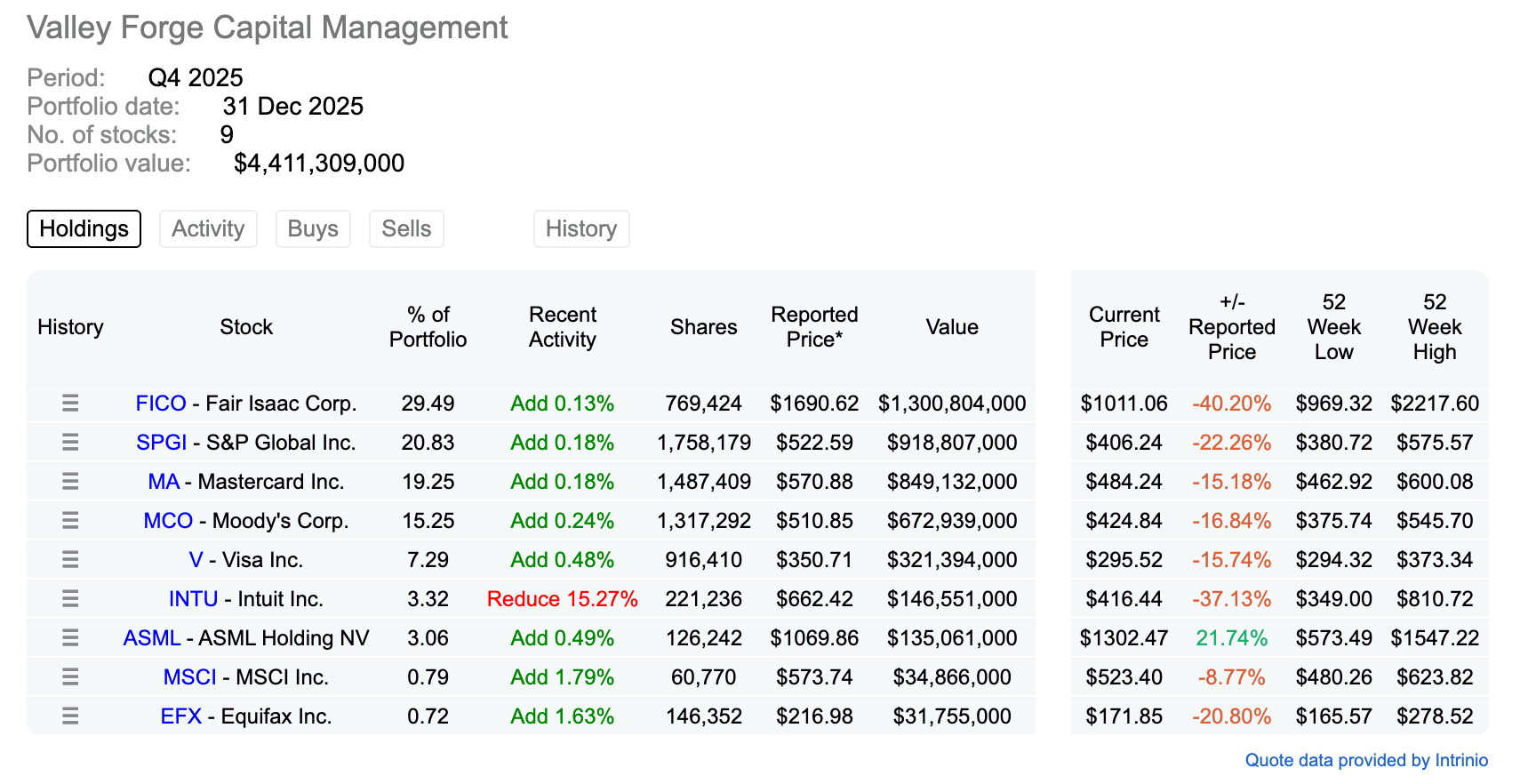
This high-conviction ownership by Dev Kantesaria, the firm’s managing partner and who’s Business Breakdowns appearance we referenced in previous parts of this analysis, underscores the belief in FICO as one of the highest-quality business models globally.
Other notables funds owner substantial stakes in FICO include Lindsell Train and the team of Akre Capital Management.
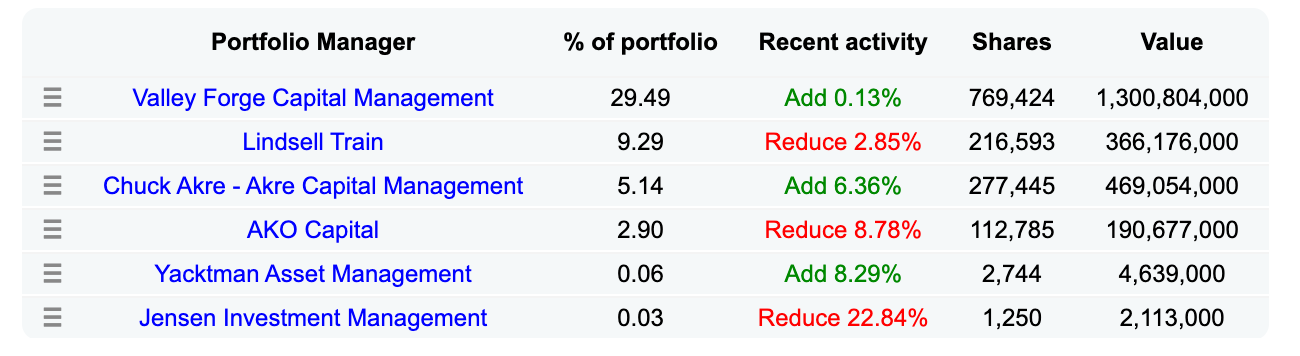
In terms of broader institutional concentration, the top 25 owners of FICO collectively hold most of company’s shares.
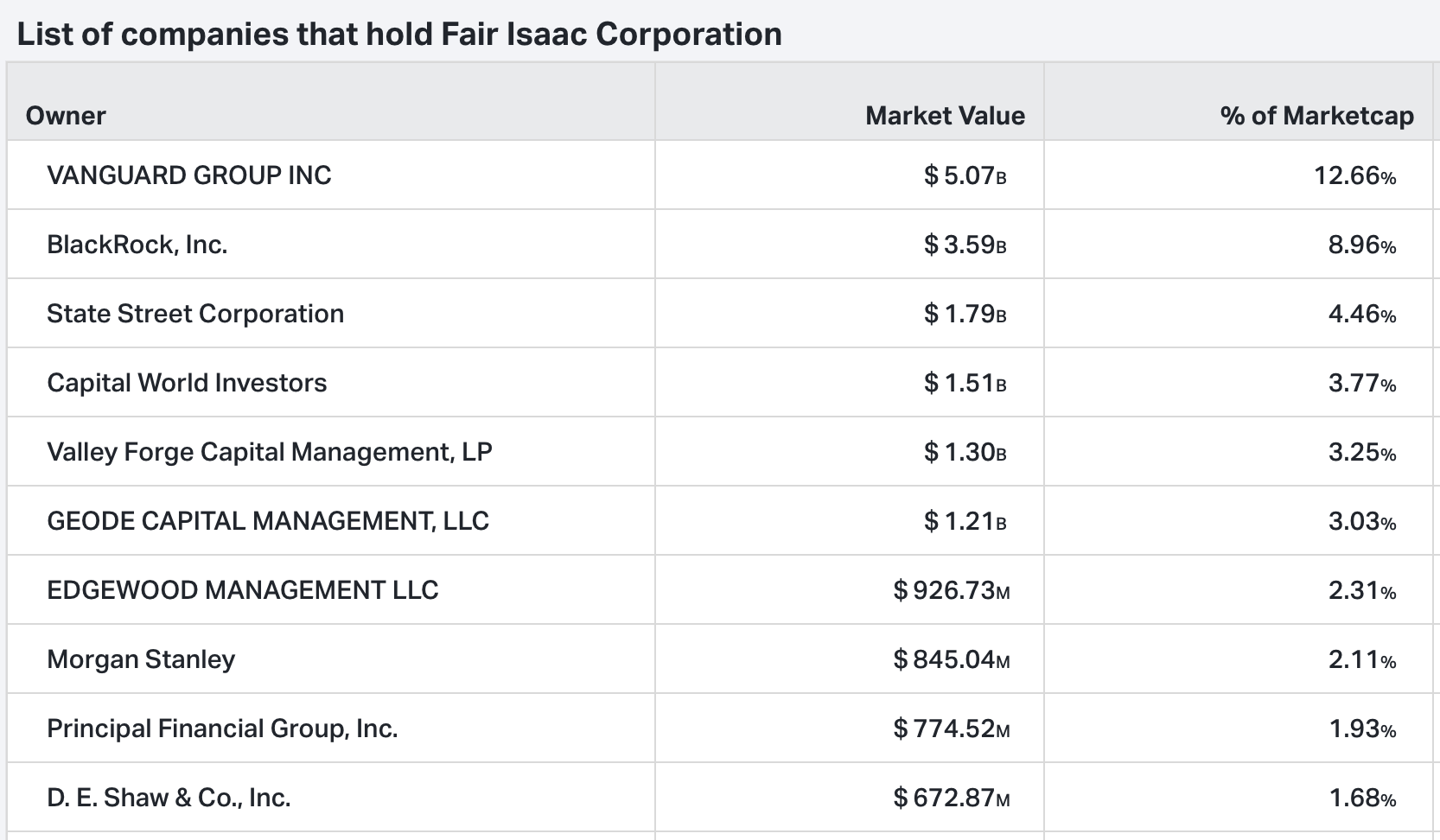
Currently, there is no active campaign from any activist investors targeting FICO. However, given the high institutional concentration, any significant missteps by management could quickly lead to pressure from institutional investors for potential structural changes or even the sale of the company. The influence of large institutional shareholders means that FICO’s management must remain focused on delivering shareholder value and avoiding operational missteps that could attract activist attention.
Dividend Policy: Prioritizing Share Buybacks
FICO does not currently pay a dividend, having discontinued dividend payments in May 2017. The last dividend paid was a modest $0.02 per share. This shift reflects FICO’s preference for returning capital to shareholders through share buybacks rather than dividends, a strategy that provides more flexibility and avoids the tax inefficiencies often associated with dividends.
Part 7 – Valuation
7.1. Past Growth
Let’s start with a look in the rearview mirror. FICO has demonstrated consistent revenue growth over the past decade.
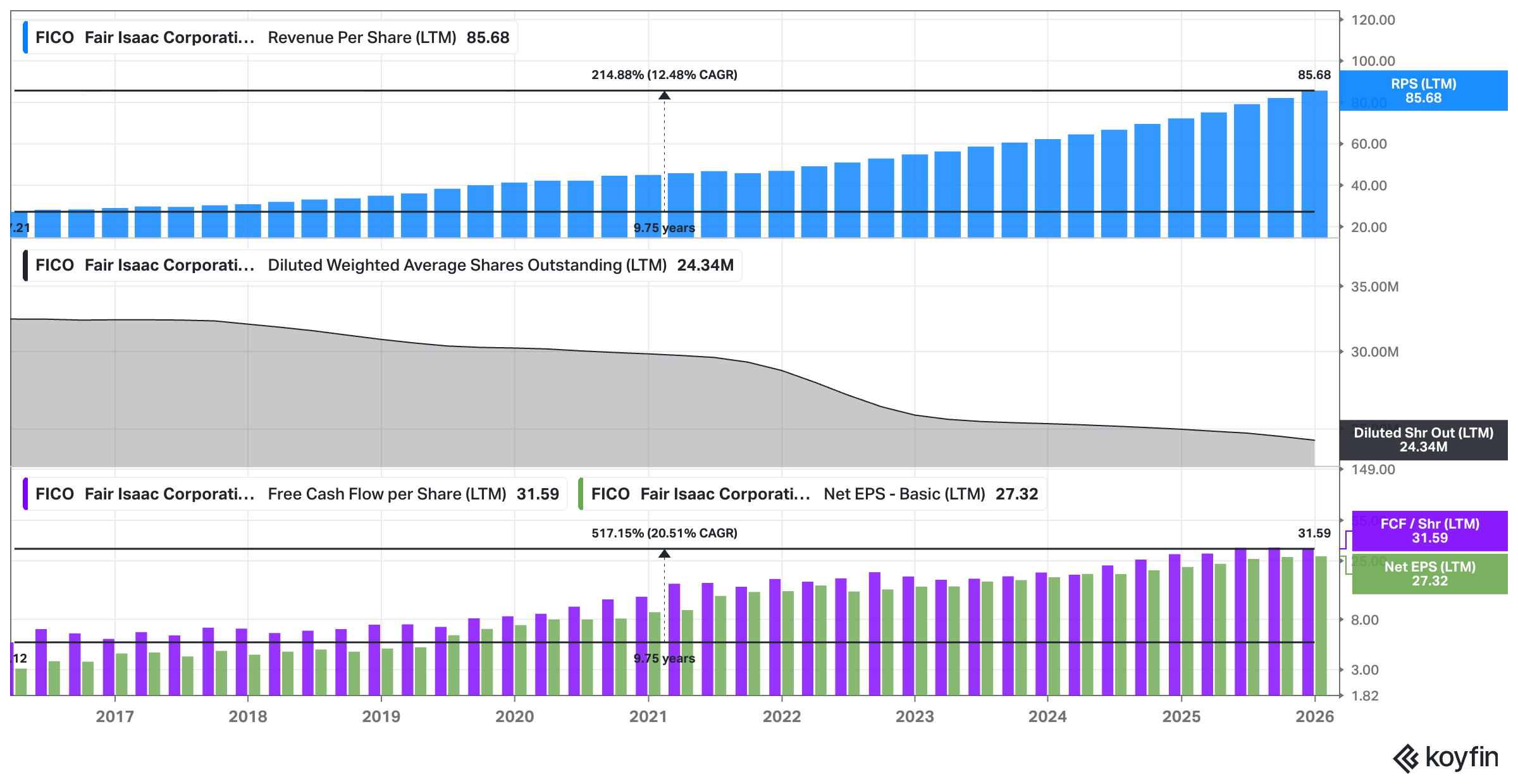
In terms of revenue CAGR, FICO has been growing at double-digit rates across both its core Scores and Software segments, with profit metrics, such as FCF/share or earnings per share growing much faster due to the embedded operating leverage. The new pricing strategy and the cloud-native migration of the Software segment, which has yet to show the full embedded leverage, were key drivers of this trajectory.
I’ve attached a chart with some 3-, 5- and 10-year CAGR metrics below.
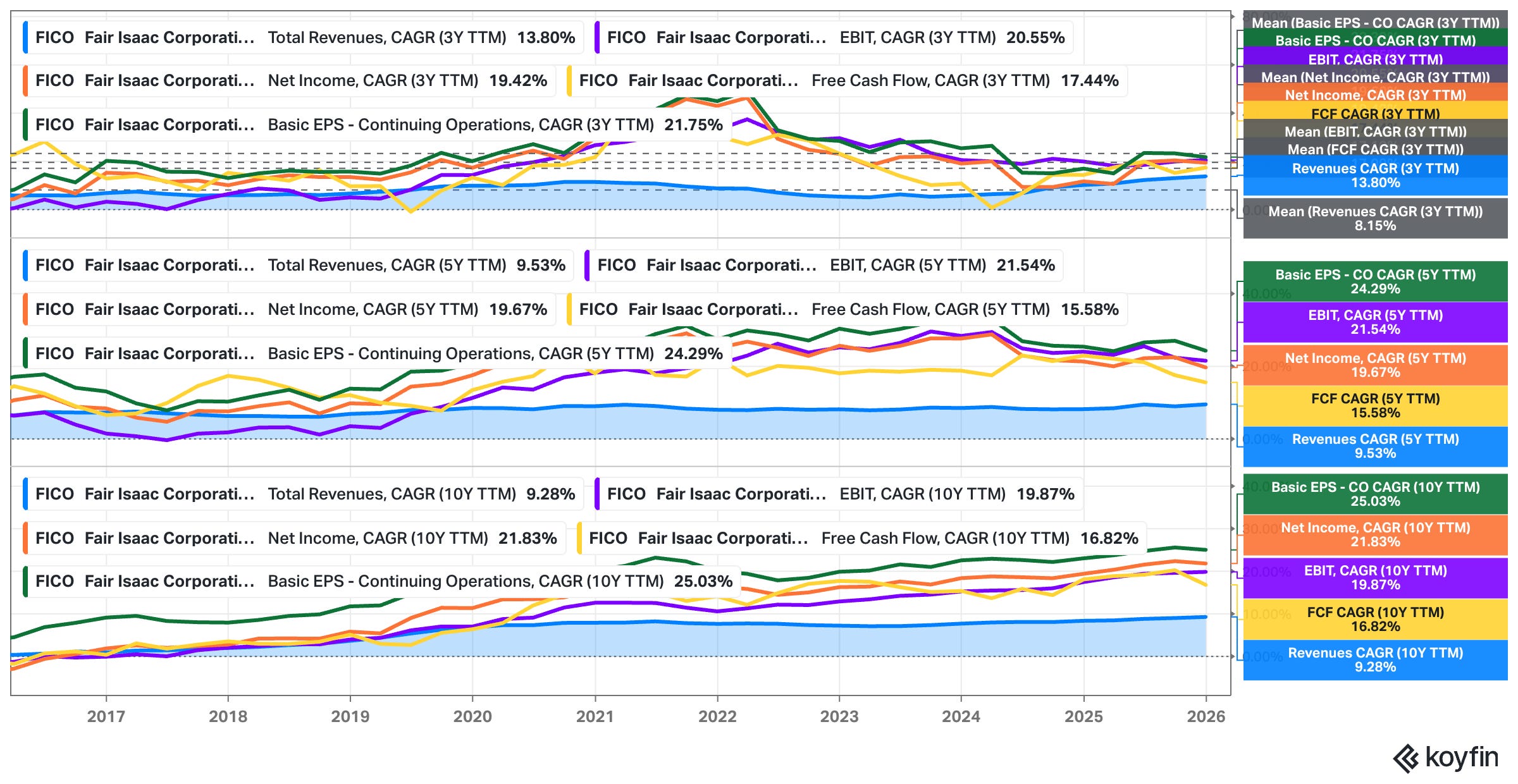
Looking at the stock performance, FICO has substantially outperformed the S&P 500 over the past decade.
The stock has compounded at a staggering rate of 981%, with a CAGR of 26.9% over the past 10 years.
In comparison, the S&P 500 has compounded at a much lower rate, growing by 217.45% with a CAGR of 12.25%.
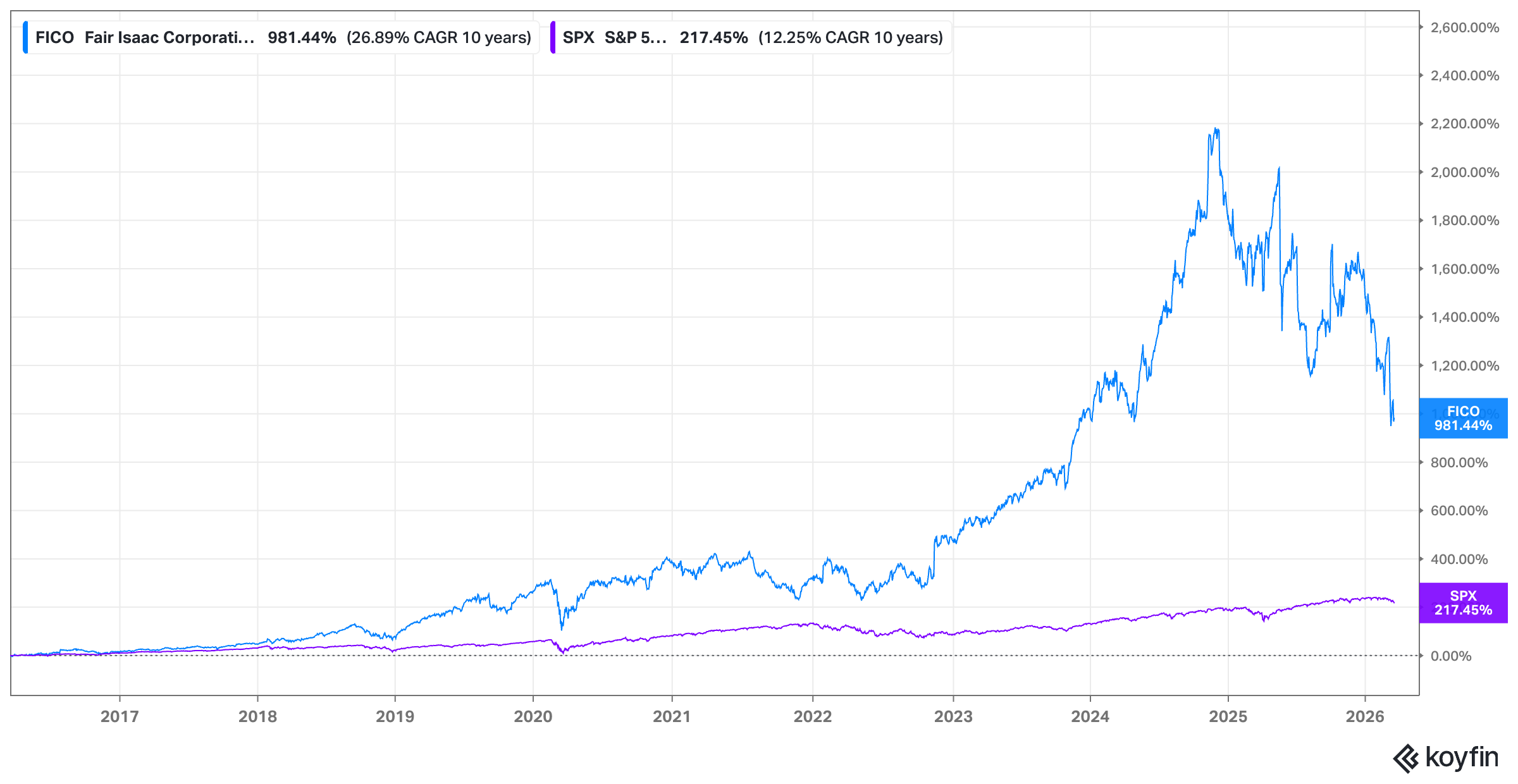
This impressive stock performance reflects the exceptional growth in FICO’s core business, driven by its pricing power, strategic pricing shifts, and capital return strategies (e.g., share buybacks). Furthermore, this impressive growth is a result of several factors:
A dominant position in the U.S. credit risk assessment space, reinforced by high switching costs and institutional embeddedness.
The company’s SaaS transition and cloud-native FICO Platform have also played a major role in its growth.
Overall, the past performance of FICO, both in terms of stock price appreciation and financial growth, shows the company’s ability to maintain sustained growth, outperforming both the broader market and industry peers.
7.2. Thoughts on Current & Future Perception
More recently, however, FICO’s stock has endured a massive drawdown, with its share price currently sitting at a 56% decline, the largest drop since the Global Financial Crisis (GFC).
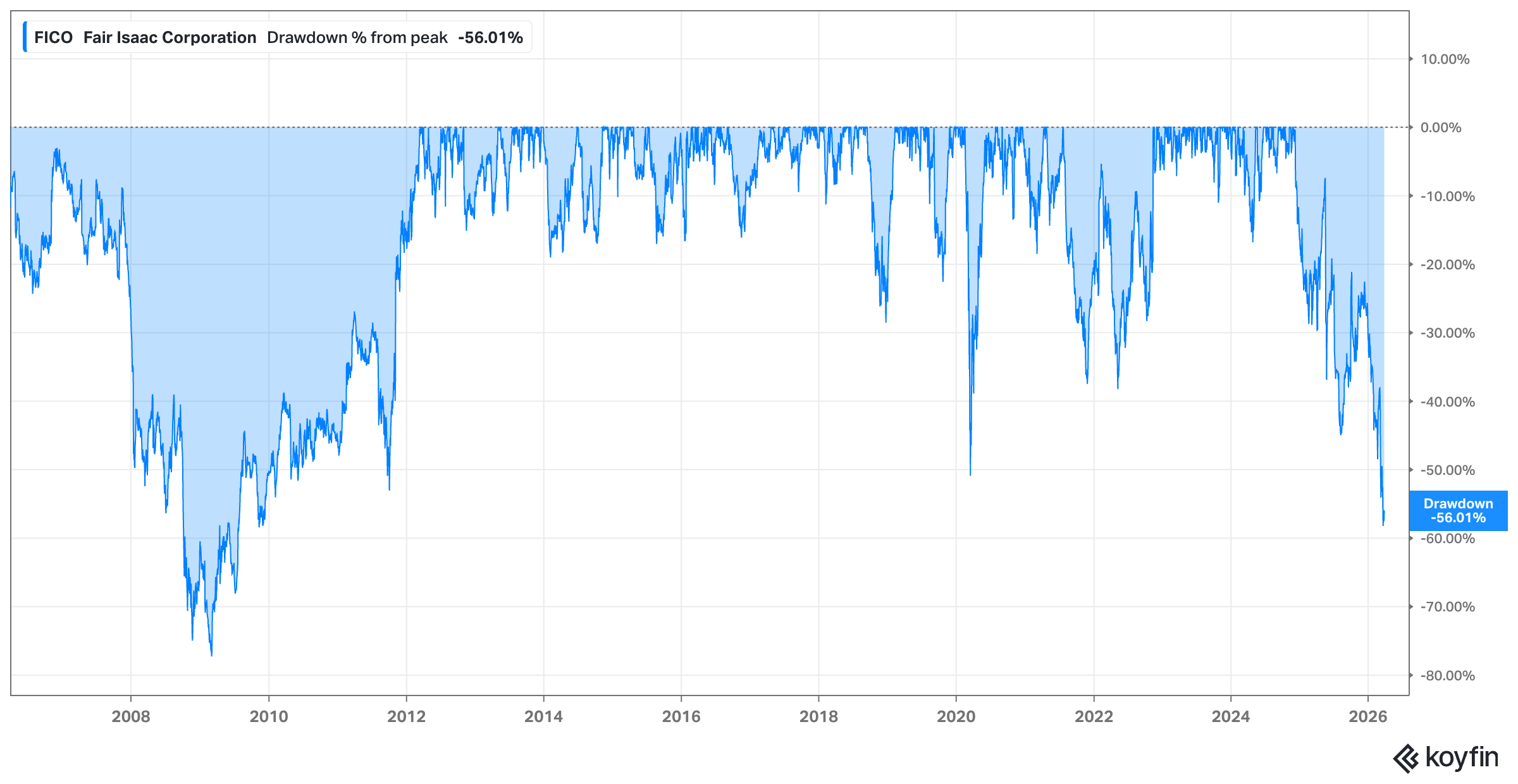
This steep fall has understandably led to a significant shift in investor sentiment, with the stock now perceived as – and I’m quoting here – “deeply undervalued” by many, especially when viewed against the backdrop of its performance over the past five years.
And of course, the valuation has come down dramatically, making the stock seem like a bargain when compared to its recent price history.
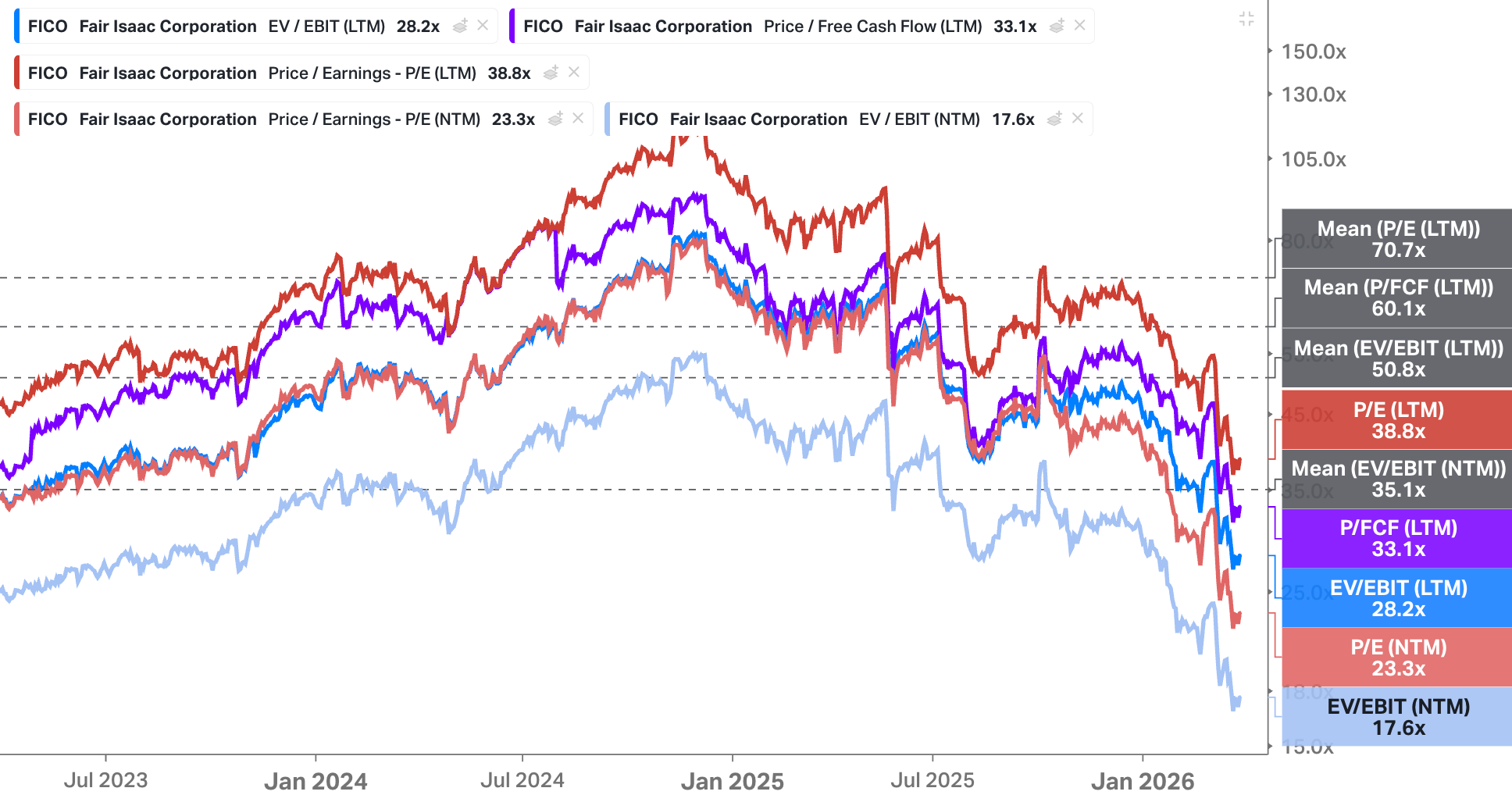
However, the longer-term view presents a different picture. If you zoom out further, particularly to the period before FICO’s aggressive price hikes in 2018, the pre-price increase era, it’s possible that FICO is entering a phase where the competitive pressures and regulatory scrutiny will repeat. In that scenario, downside risks could remain significant, and the stock may well be priced too optimistically relative to its historical trajectory.
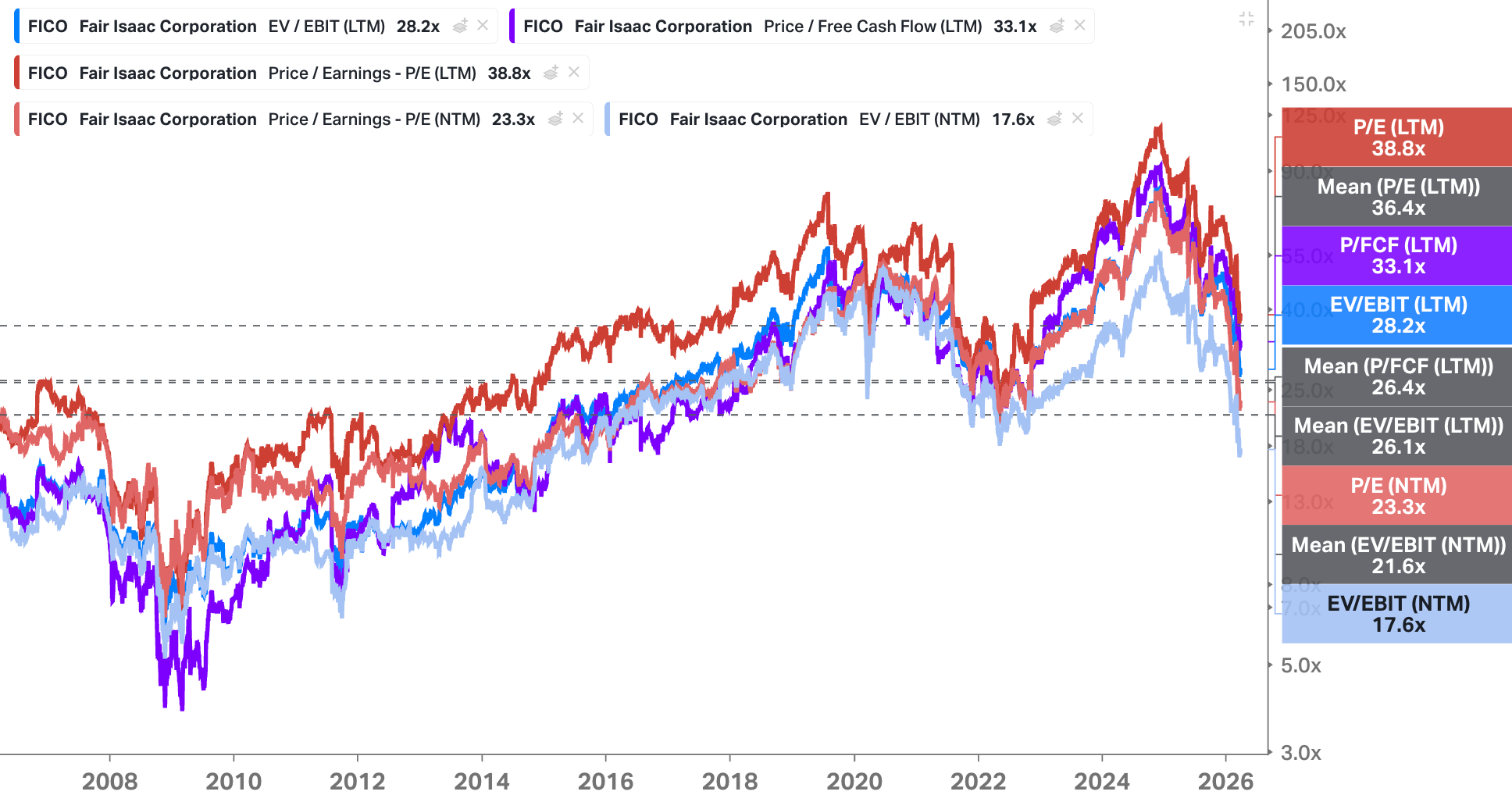
So while FICO’s valuation – and for now we’re simply talking about valuation multiples only (which really isn’t valuation work) – might appear attractive in the short term, there are several risks that could drive the stock lower before it rebounds: Political and regulatory pressures on FICO are potentially only just beginning to heat up. The company is yet to respond to disclosure requests and produce the necessary documents, which will likely be scrutinized heavily. As the political persecution grows, particularly with high-profile figures like Josh Hawley and Bill Pulte demanding action, the stock could be further pressured, fueled by negative headlines. So the short-term volatility may be significant, and it may be wise for investors interested in or already invested in FICO to keep some dry powder on the sidelines in anticipation of further drops.
Disclaimer: The analysis presented in this blog may be flawed and/or critical information may have been overlooked. The content provided should be considered an educational resource and should not be construed as individualized investment advice, nor as a recommendation to buy or sell specific securities. I may own some of the securities discussed. The stocks, funds, and assets discussed are examples only and may not be appropriate for your individual circumstances. It is the responsibility of the reader to do their own due diligence before investing in any index fund, ETF, asset, or stock mentioned or before making any sell decisions. Also double-check if the comments made are accurate. You should always consult with a financial advisor before purchasing a specific stock and making decisions regarding your portfolio.
Long-term FICO investors will likely be fine, but this might not be a smooth ride. We’ve seen similar situations in the past, with stocks like Meta and Tiger Brokers experiencing dramatic declines despite being objectively cheap already.

On the other hand, some may argue that short-term noise shouldn’t cloud a long-term investment opportunity. FICO is still a dominant player in the credit scoring space, and with business acceleration in 2026, margin expansion, and continued share buybacks, the stock could see significant upward movement in the medium and long term.
“Frankly, we’re focused on growth right now, and we could easily drive more margin, but I think it would cost us in growth. And frankly, what we’re doing today in terms of investments that we’re making, like I said before, it’s really -- a lot of -- we’re making investments now in the short term to pull long-term costs out.“
“We continue to invest in our software business. We’re really bullish on it. It’s growing really nicely. We do anticipate margin expansion because our new platform is built for scaling profitably.”
For long-term investors, this current slump may already represent a great buying opportunity. Despite the political and regulatory risks, FICO’s strong market position and predictable cash flow will likely drive the company back to growth once the noise subsides. The key takeaway is that, for long-term investors, now could be a great time to buy, as the fundamentals remain strong, even if the stock may experience further short-term turbulence.
7.3. Future Growth
Total Addressable Market Analysis
FICO’s growth narrative is evolving as it shifts from being a credit scoring specialist into a broader Decision Intelligence leader. This repositioning is underpinned by a transition from static credit scoring models to dynamic, platform-based decision management solutions. This opens new avenues for growth while maintaining a strong foothold in its core business. Let’s break down FICO’s Total Addressable Market (TAM) and explore future growth prospects.
Total Addressable Market (TAM)
FICO’s TAM is divided into two key sectors:
Credit Scoring: The U.S. mortgage market alone, valued at $12 trillion, provides a significant growth opportunity. The expansion of the “AI in credit scoring” market globally, which is expected to reach $16 billion by 2034, is also a compelling growth factor (forecasted CAGR of 22.9% by Dimension Market Research).
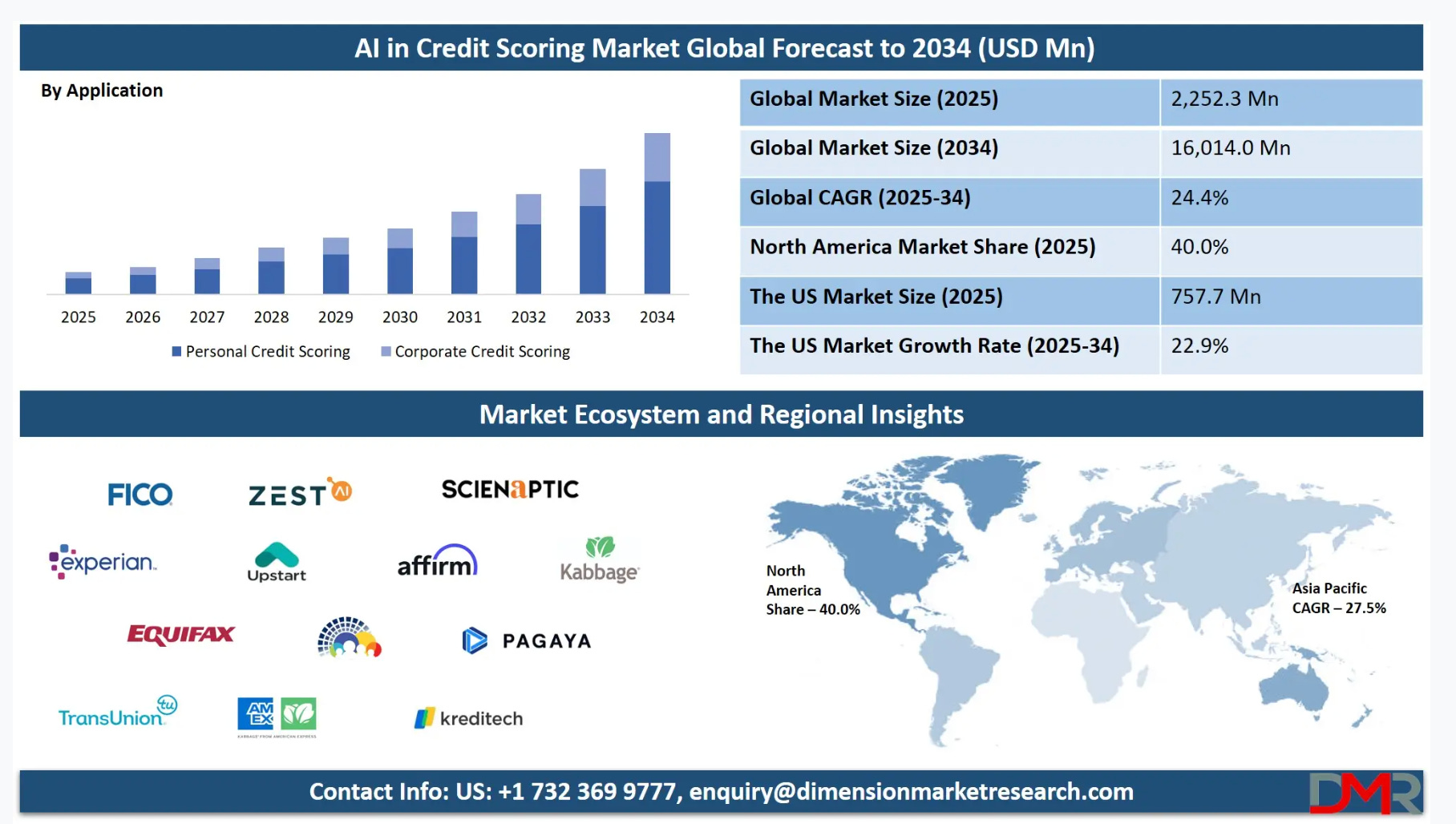
Decision Management Software: This broader segment includes industries such as fraud detection, real-time marketing, and operational automation across banking, insurance, and telecommunications. As businesses in these sectors increasingly turn to software for decision-making, FICO has positioned itself as a major player.
FICO employs a bottom-up approach for its software growth, targeting specific high-value accounts and key use cases, rather than simply going after the broader market potential. This targeted approach allows the company to focus on the most relevant opportunities for growth.
Structural Tailwinds
Additionally, several long-term secular trends are fueling FICO’s TAM expansion:
Digital Transformation: The rapid migration of enterprises to cloud-based platforms supports faster decision-making processes and enhances the value of FICO’s offerings.
Data Explosion: As data volumes grow, the ability to analyze and derive value from increasingly complex datasets creates opportunities for FICO to deploy its AI/ML algorithms in more industries, providing enhanced decision intelligence capabilities.
Financial Inclusion: Initiatives like FICO Score 10T and UltraFICO are incorporating alternative data, allowing FICO to score an additional 30 million “credit invisible” Americans, further broadening its TAM.
Hence, the “pie” itself is growing as these secular trends are supported by technological advancements and regulatory shifts, creating new markets and opportunities for FICO to capture.
Serviceable Available Market (SAM)
FICO’s SAM narrows down the global opportunity to the 4,000 global financial institutions that require high-stakes, regulated risk assessments. Given the company’s strong presence in the U.S. market, it benefits from institutional inertia and regulatory constraints.
Geographic Reach: Although FICO operates in over 80 countries, 87-88% of its revenue is derived from the Americas. This regional concentration influences FICO’s ability to expand further internationally.
Regulatory Approval: A key aspect of FICO’s SAM is the regulatory framework it operates within. The FHFA acts as the gatekeeper for the U.S. conforming mortgage market, so regulatory decisions, such as those involving FICO’s exclusivity, directly impact the company’s SAM.
Where Is Growth Going to Come From?
FICO’s future growth looks promising, but what can investors expect in the coming years? Let’s break down the key growth drivers, evaluate whether the company can continue to expand, and consider what factors could affect its trajectory.
Several powerful levers are at FICO’s disposal to drive growth:
Pricing Power: The company’s most potent lever. Management believes there’s still a “value gap,” as FICO’s fee represents only a fraction of the average mortgage closing costs. But as discussed at length during this analysis, pricing power may be rather muted in the short and medium term.
Volume Growth: As a reminder, between 2005 and 2018, total revenues grew at a CAGR of less than 2%. During this time, growth was entirely related to volume. If mortgage or credit card applications increased, FICO’s revenue grew; if they declined, revenue fell. These figures are my best (conservative) guess in terms of volume growth going forward.
Buybacks Boosting Per-Share Growth: As a reminder, over the last ten years, the share count reduction contributed 2.6% in compounded per share returns.
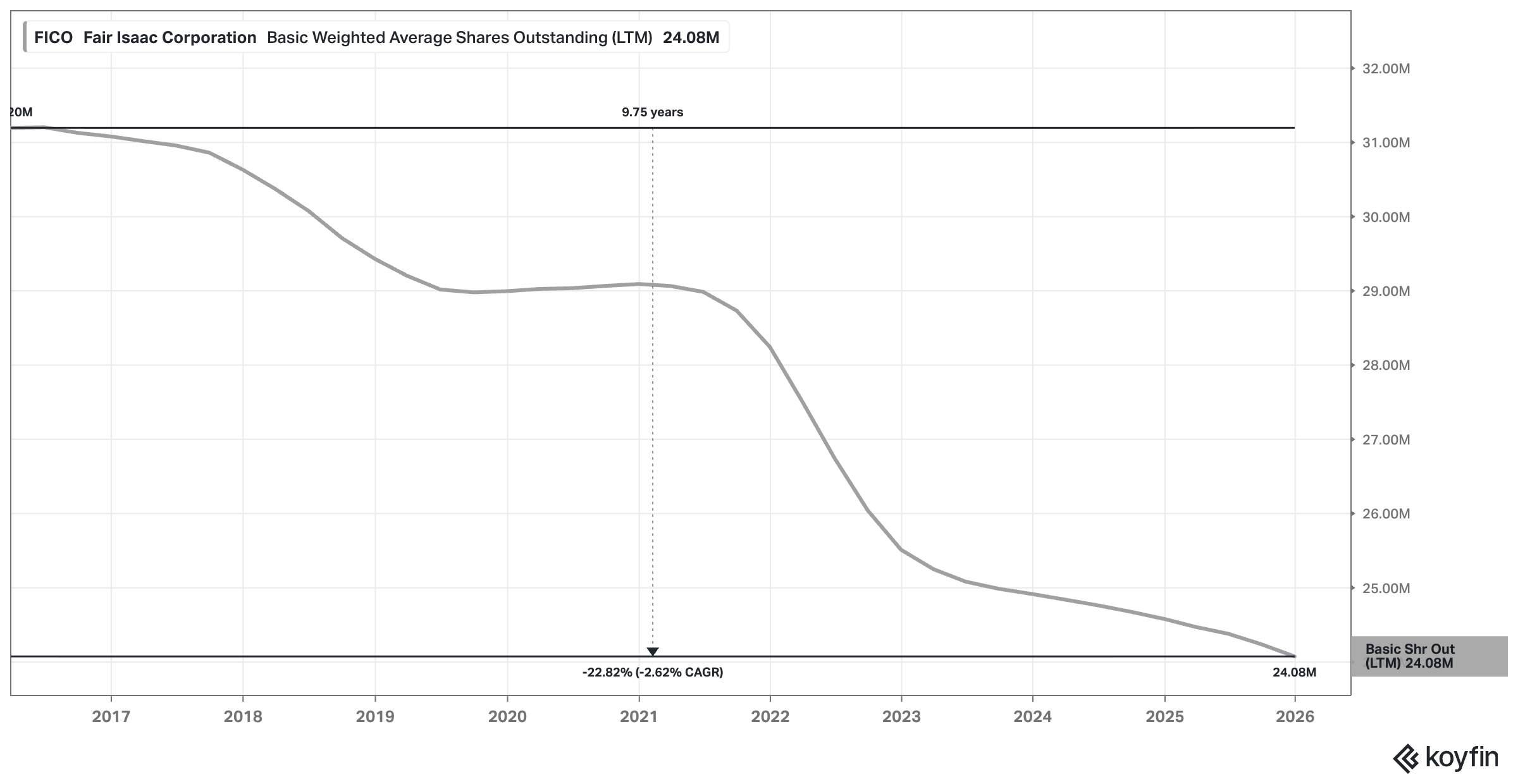
Software Platformization: FICO is migrating its software from legacy on-premises applications to the cloud-native FICO Platform. This transition has led to a 33% year-over-year growth in Platform ARR as of December 31, 2025. This shift toward a recurring revenue model presents massive growth potential.
Land and Expand Strategy: FICO is focusing on upselling existing customers, as demonstrated by its 122% Platform Dollar-Based Net Retention Rate (DBNRR). Existing platform customers are significantly expanding their usage as they adopt more use cases.
New Pricing Model Flow Through: The new pricing model – a doubling of the price per pull to $10.00 (or $4.95 + $33 Success Fee) for 2026 – will “flow through” to FICO as the new model is implemented an adopted.
Mortgage Volumes Normalization: Mortgage volumes are well below “normalized” levels (apparently 47% of B2B scores in FY24 vs. 57% normalized), which could be a nice short-term tailwind, but then again, this is more of a short/medium-term bump than a longer-term structural growth driver.
Analysts generally expect FICO to maintain double-digit growth in the medium to long term.
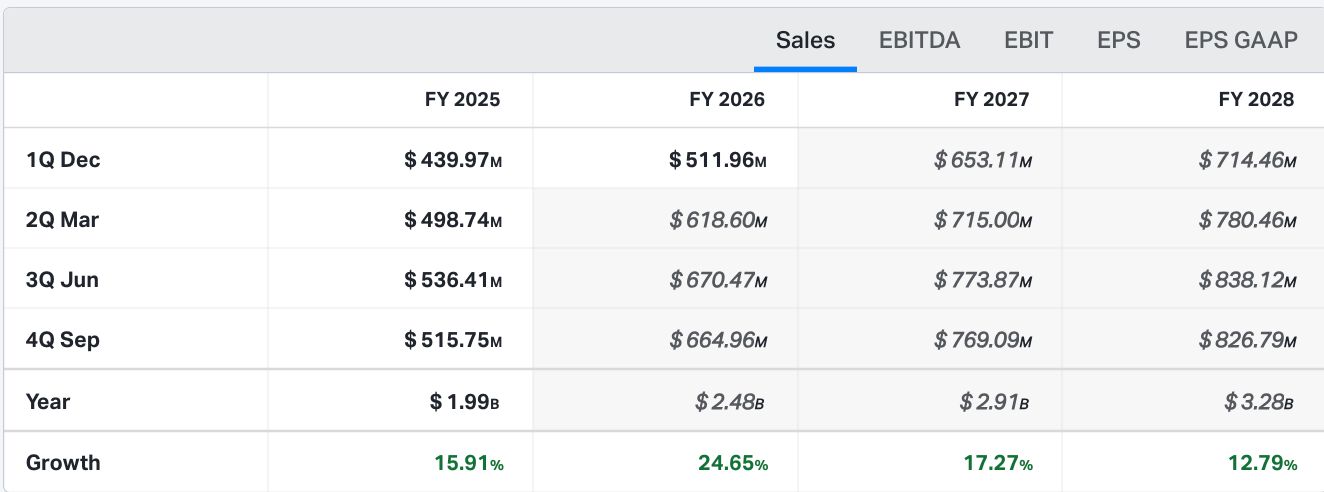
As we’ve shown, however, longer term, and especially in the pre-new-pricing-strategy era, revenue growth has, at times, been rather lackluster. So while a long-term revenue CAGR of around 10-15% could be achieved by targeting roughly 2-3% organic volume growth, 2-3% contributions from share repurchases, and the remainder (roughly 9-11%) from strategic price increases and embedded operating leverage – and you might argue that, given that management believes there’s some operating leverage left, profit CAGRs will exceed that –, I’m a bit cautious when it comes to underwriting this growth over the next five years (as pricing power may be (strategically) muted.
In fact, I believe management would be wise not to do further price increases in the next few years before adopting the “Netflix playbook” of consistent, but much smaller price hikes (as discussed previously).
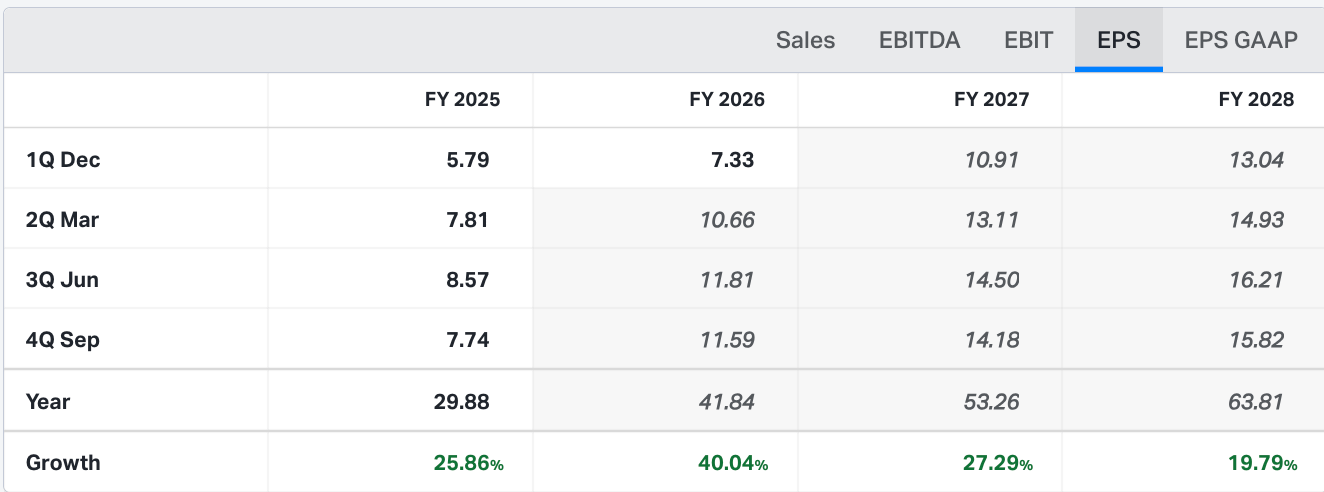
FICO itself is guiding for 18% topline growth in 2026.
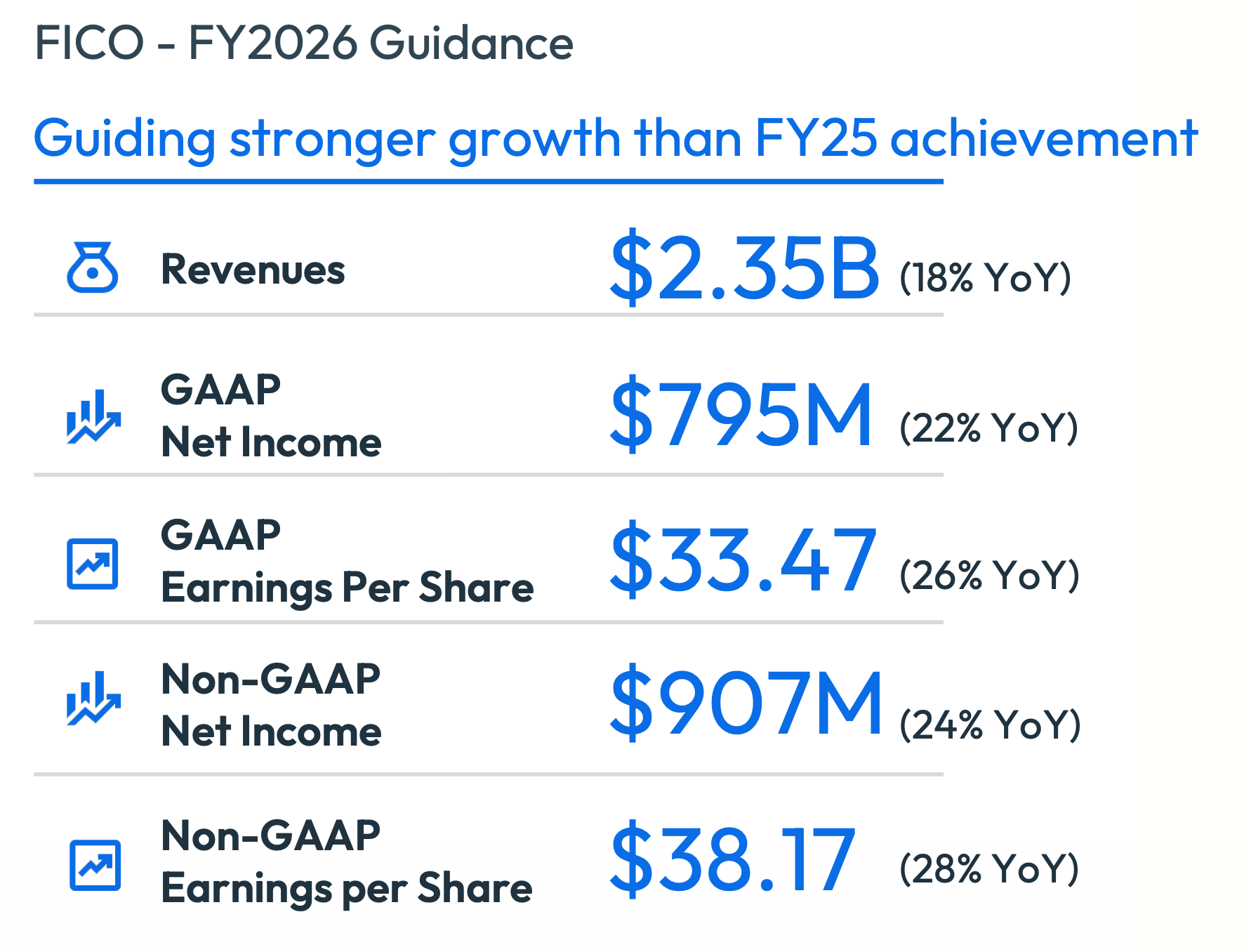
7.3. My Valuation Work
To understand FICO’s valuation, it’s important to start with its Free Cash Flow (FCF), which, when adjusted for Stock-Based Compensation (SBC), reveals a relatively high starting multiple. As shown in the chart, FICO’s trailing FCF, when adjusted for SBC – a significant operating expense – is around $590 million. SBC, which amounted to approximately $160 million, is a key factor in understanding the company’s true cash generation capabilities. By factoring SBC into the FCF, we get a clearer view of how much cash FICO actually generates that is available for share buybacks that actually reduce the share count, reinvestment, or debt servicing.
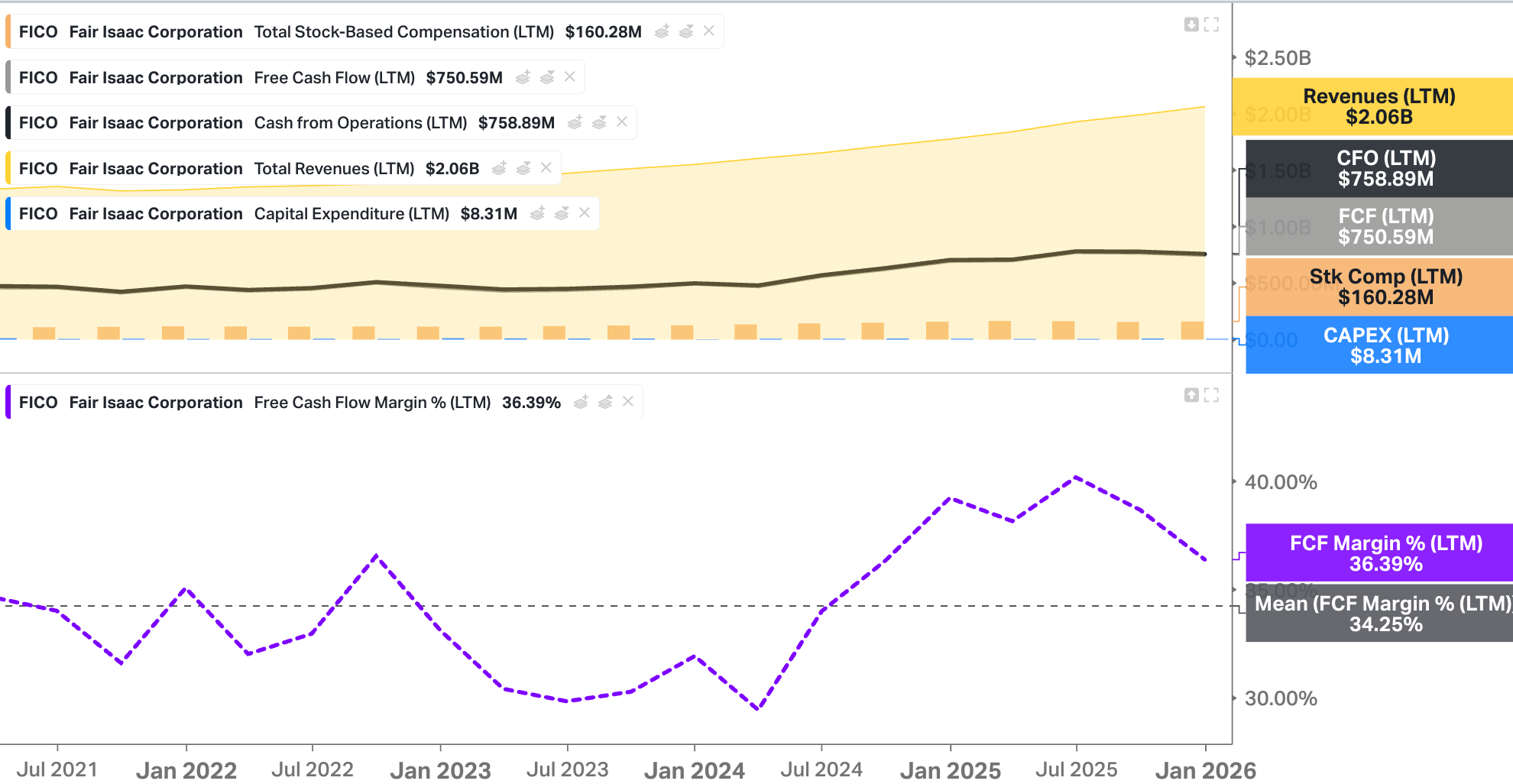
Now, let’s walk through my valuation math:
Current Revenue: As of the latest fiscal year, FICO’s total revenue is $2.06 billion, a strong base from which we project future growth.
Forecasted Revenue Growth (CAGR): We assume a 13.6% revenue CAGR over the next five years, starting at 18% before gradually slowing as a result of the discussed muted pricing power in the medium term.
Margin Assumptions: For the exit year (Year 5), we forecast a FCF margin of 35%, reflecting the then higher-margin nature of FICO’s software business and ongoing cost efficiencies from its cloud transition. Given the scalability of its model, FICO’s profit margins should further expand in the long term as its software margins increase, and the company benefits from lower capital expenditures and higher operating leverage.
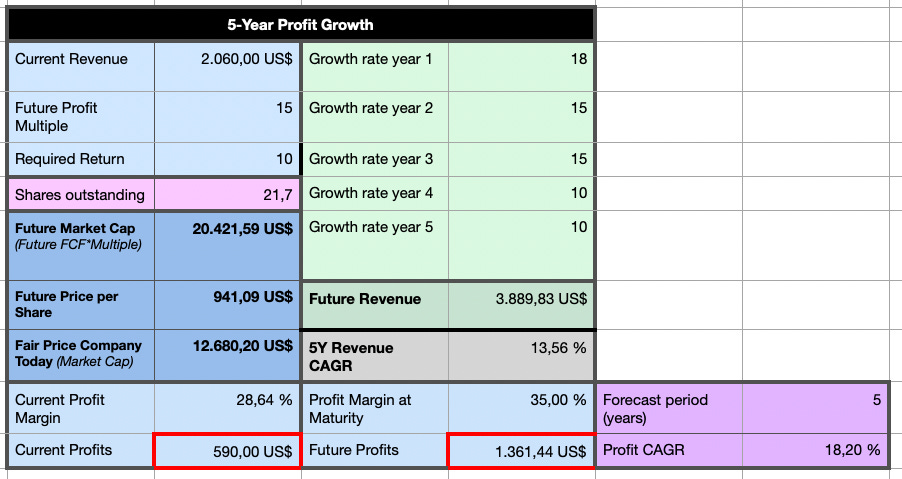
Profit Growth: Based on the revenue CAGR and the exit margin assumption, this leads to a CAGR of 18.2% in profits over the next five years, driven by both higher revenues and operating leverage.
Exit Multiple: Based on $590 million in FCF and an Enterprise Value of 28 billion, the starting multiple is 47.5x. For the exit year, we assume a 30x FCF multiple, which is lower than the recent multiple assigned to FICO, but still reflects the high-quality nature of the business – albeit one facing regulatory scrutiny. Keep in mind that this is my base case. I could totally see a world in which FICO trades at a lower multiple in 2031!
Share Buybacks: An important component of FICO’s capital allocation strategy is its aggressive share buybacks. Based on current repurchase activity, we forecast a 2% annual reduction in shares outstanding through 2026. This contributes to an additional 2.1% CAGR in FCF per share (EPS).
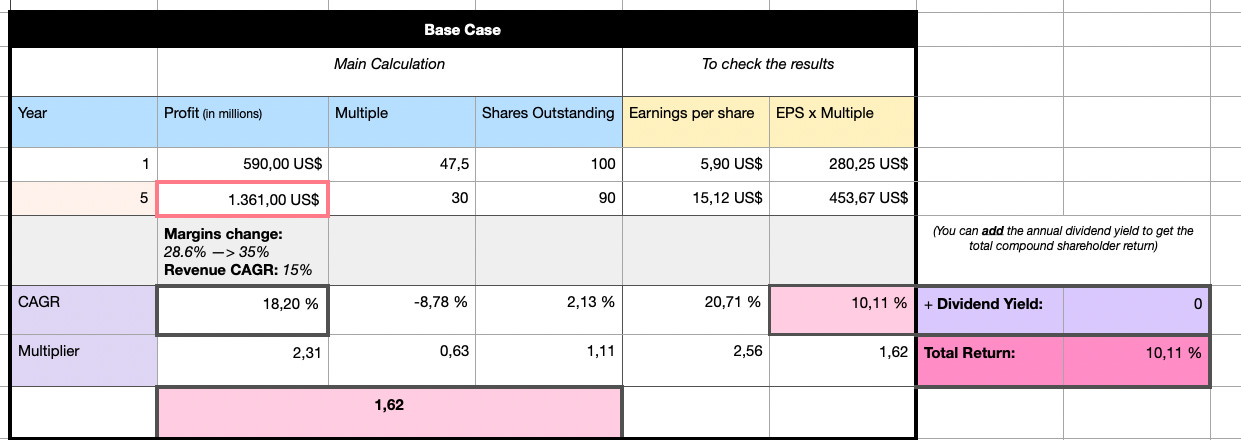
Given these assumptions, we arrive at an expected return of 10.1% annually over the next five years.
Below you find all assumptions in one screenshot.
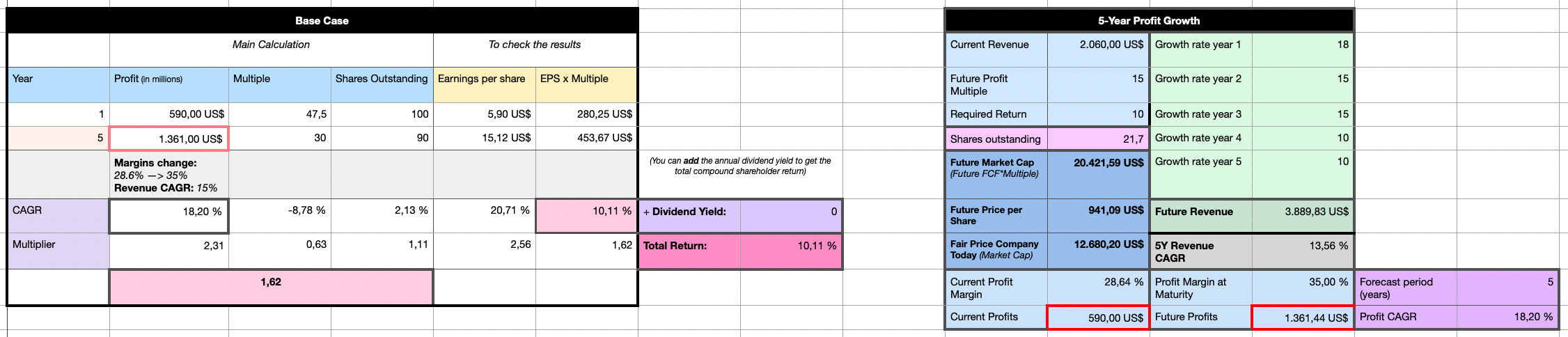
Below, I’ve also attached a more bullish model (higher growth, higher exit multiple, more aggressive buybacks) as well as a more bearish model (lower growth, lower exit multiple, lower margins) …
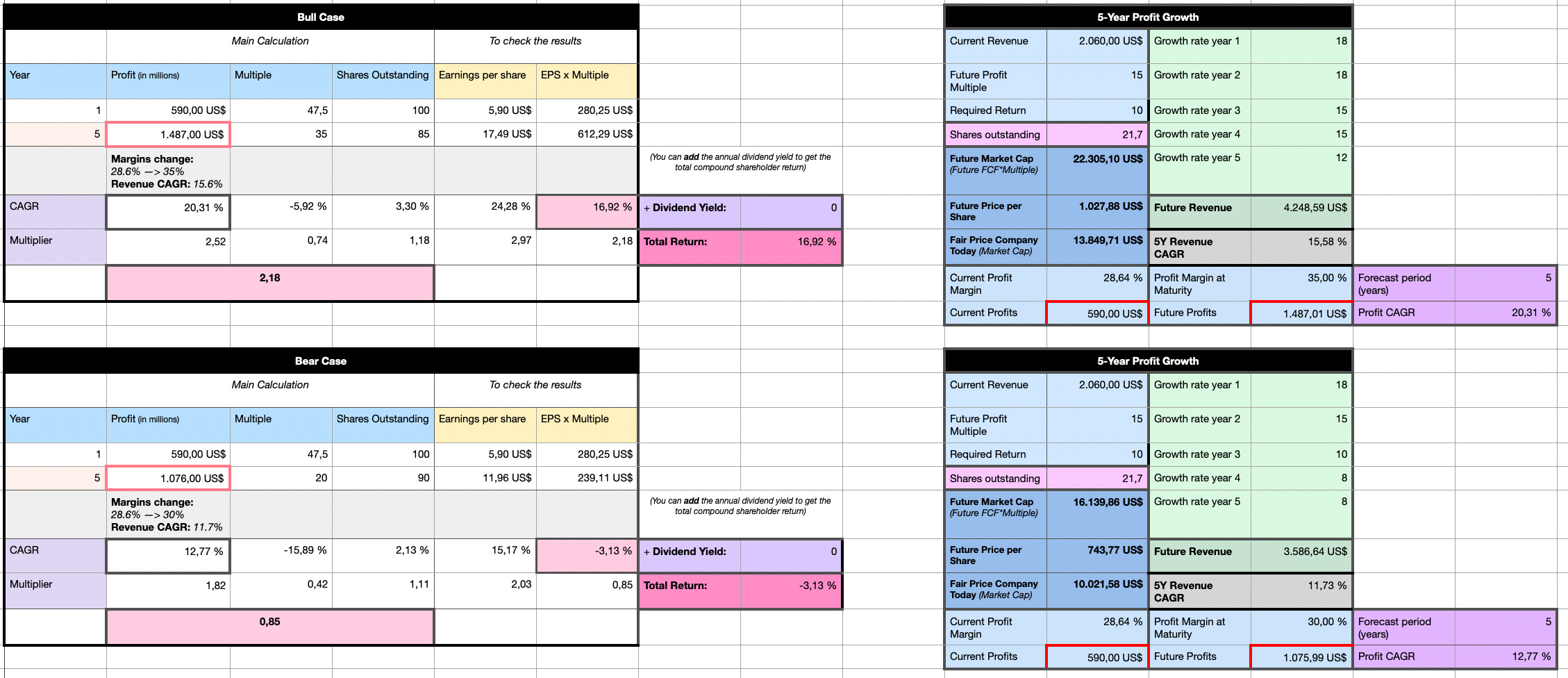
… as well as a probability-weighted IRR calculation based on all three scenarios:
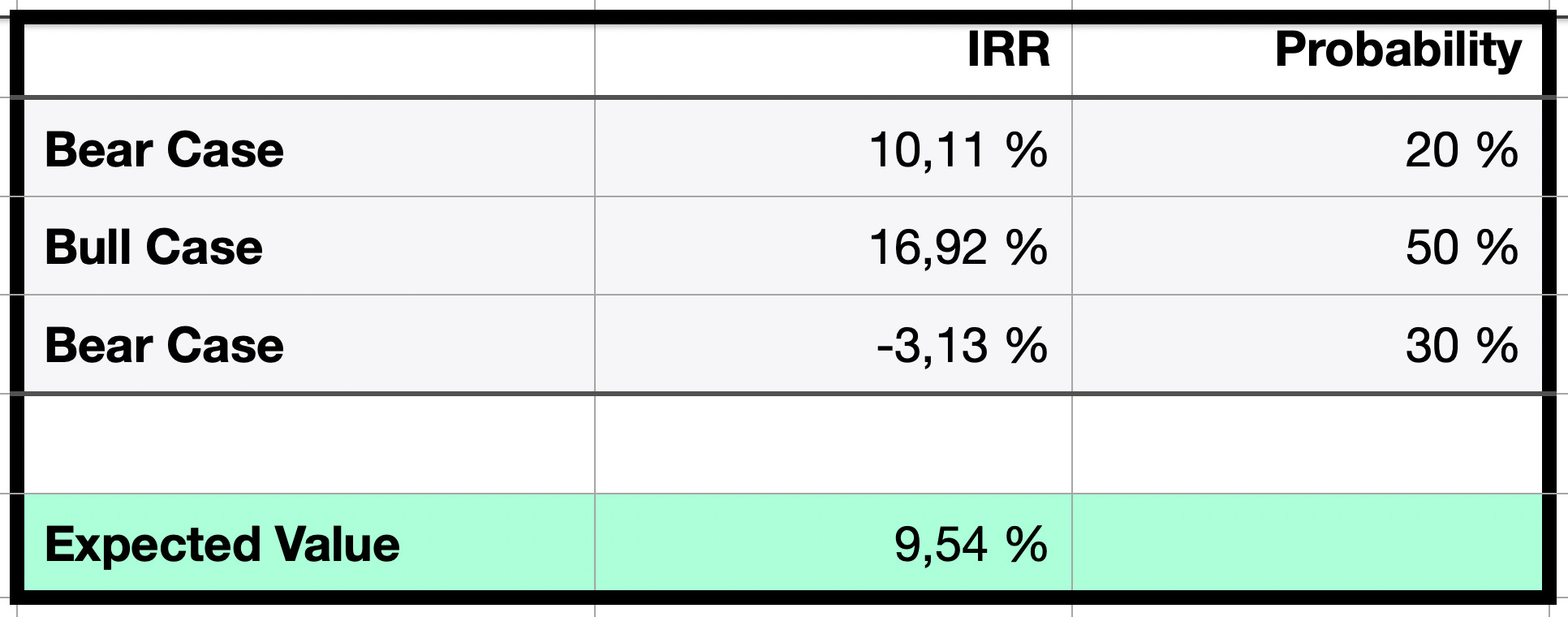
Of course, the exit multiple plays a major role in terms of expected returns, and given the regulatory scrutiny FICO is dealing with, forecasting this metric with any degree of certainty is a challenging task (hence the wide range of forecasted exit multiples).
Finally, here’s a more bullish forecast, and a slightly more granular breakdown of segment growth, for you to think about:
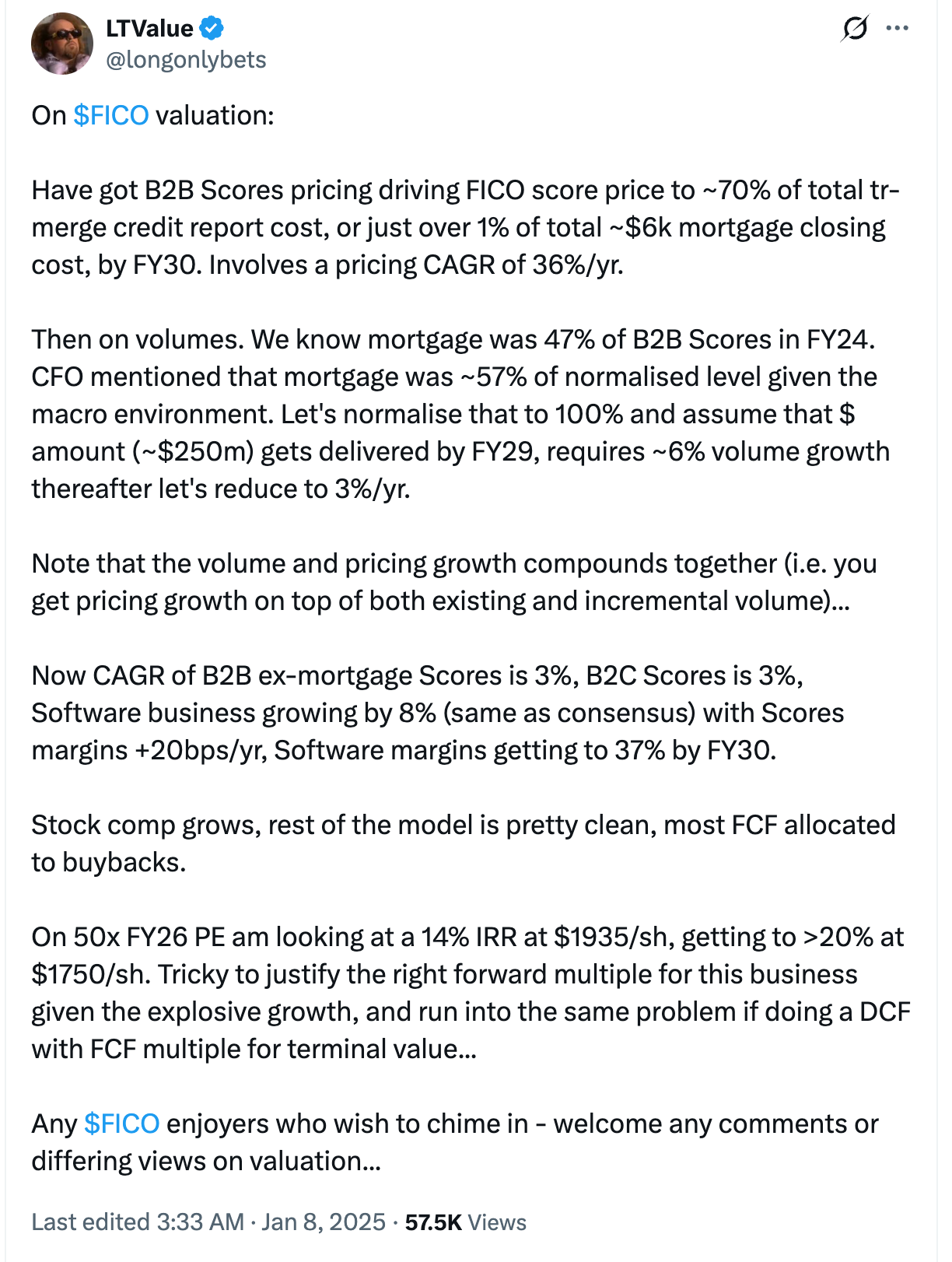
Fun Fact
While most people associate FICO strictly with mortgage stress, the business is a silent titan of global fraud protection, protecting more than 2.6 billion payment cards worldwide from fraud with its real-time AI. The company’s reach is so deeply embedded in the financial pipes that it has been publicly traded since 1987 and currently helps over 100 billion decisions a year across financial services, insurance, and healthcare.
Also, despite its corporate gravity, the brand retains a quirky piece of history: the founders’ original pitch was rejected by 50 different lenders before one finally agreed to test their “predictive coding” system.

Excellent piece! Well done René.